
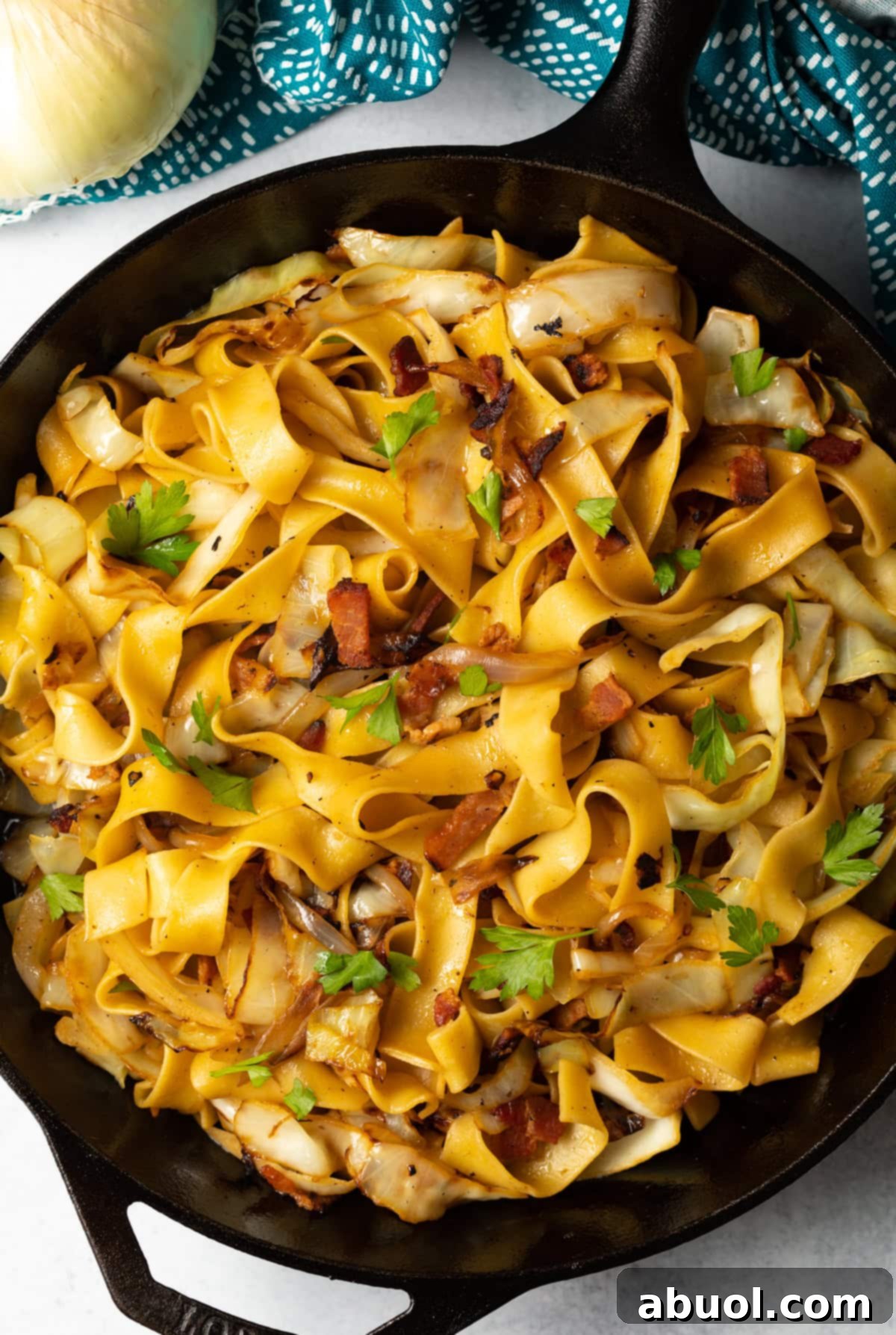
Hearty Hungarian Haluski: A Comforting Cabbage and Noodles Recipe with Bacon
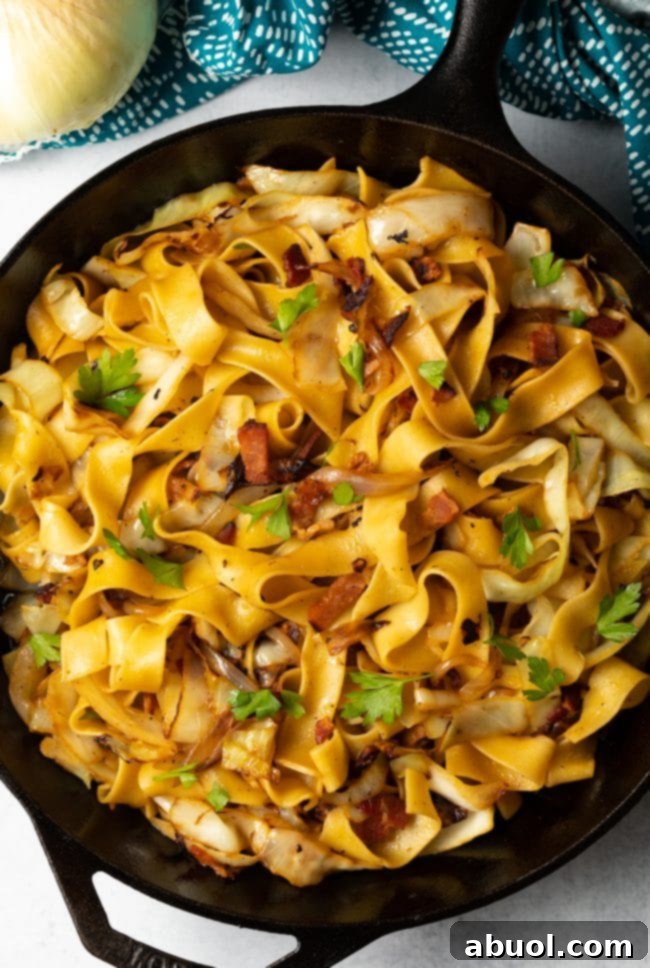
There’s nothing quite like a warm, comforting dish to evoke feelings of home and heritage, especially as the holiday season approaches. Among the most cherished recipes that bring warmth to the table is Hungarian Haluski (Cabbage and Noodles with Bacon). Known in some circles as Kaposztas Kocka, this traditional Eastern European delight combines simple, wholesome ingredients into a profoundly satisfying meal. Imagine tender egg noodles tossed with savory sautéed cabbage and onions, all brought together by the rich, smoky flavor of crispy bacon. It’s a dish that truly embodies comfort food, making it an ideal choice for festive gatherings or a cozy weeknight dinner.
Why This Traditional Haluski Recipe is a Must-Try
For many, the holidays are a time to reconnect with family roots and celebrate long-standing traditions. While my own background is a diverse mix of cultures, leading me to create my own unique customs, I’ve had the pleasure of embracing the rich Hungarian heritage of my husband, Lt. Dan. His grandmother’s captivating stories of “the old country” and her special holiday dishes have become a beautiful part of our shared life. Through these culinary narratives, Hungarian cuisine has woven its way into our family’s holiday traditions, bringing warmth and flavor to our celebrations.
Our kitchen often comes alive with the aromas of traditional Hungarian fare. While Hungarian Chicken Paprikash has long been a Christmas Eve favorite, there’s another, even simpler Hungarian dish that has stolen my heart: Haluski. This incredibly easy-to-make cabbage and noodle recipe is not only delicious but also remarkably quick to prepare, requiring just five main ingredients (six if you count a fresh garnish!). Its humble origins as a peasant dish belie its rich flavors and hearty appeal, making it a meal truly fit for anyone seeking authentic comfort.
Understanding Hungarian Haluski: More Than Just Cabbage and Noodles
Haluski, or Kaposztas Kocka (meaning “cabbage squares” in Hungarian, referring to the pasta shape), is a fundamental dish across much of Eastern Europe, though it holds a special place in Hungarian cuisine. At its heart, Haluski is a deceptively simple yet profoundly satisfying combination of tender egg noodles and sautéed cabbage, often enhanced with the irresistible flavor of bacon or other savory additions. While I associate this particular recipe with Hungarian traditions due to its source, it’s important to note that variations of cabbage and noodles are beloved staples in Poland, Slovakia, the Czech Republic, Ukraine, and other Central and Eastern European countries. Each region and even each family might have its unique twist, perhaps using different noodle shapes, adding caraway seeds, or varying the type of fat used. The beauty of Haluski lies in its versatility and its ability to turn humble ingredients into something truly extraordinary.
What makes this dish so universally loved is its incredible balance of textures and flavors. The sweetness of caramelized cabbage, the chewiness of the noodles, and the salty crispness of bacon create a symphony on the palate. It’s a dish that speaks to generations of home cooks, providing warmth, sustenance, and joy. Moreover, its straightforward preparation makes it accessible even for novice cooks, proving that culinary greatness doesn’t always require a long list of exotic ingredients or complex techniques.
The Best Haluski Recipe for Flavor and Simplicity
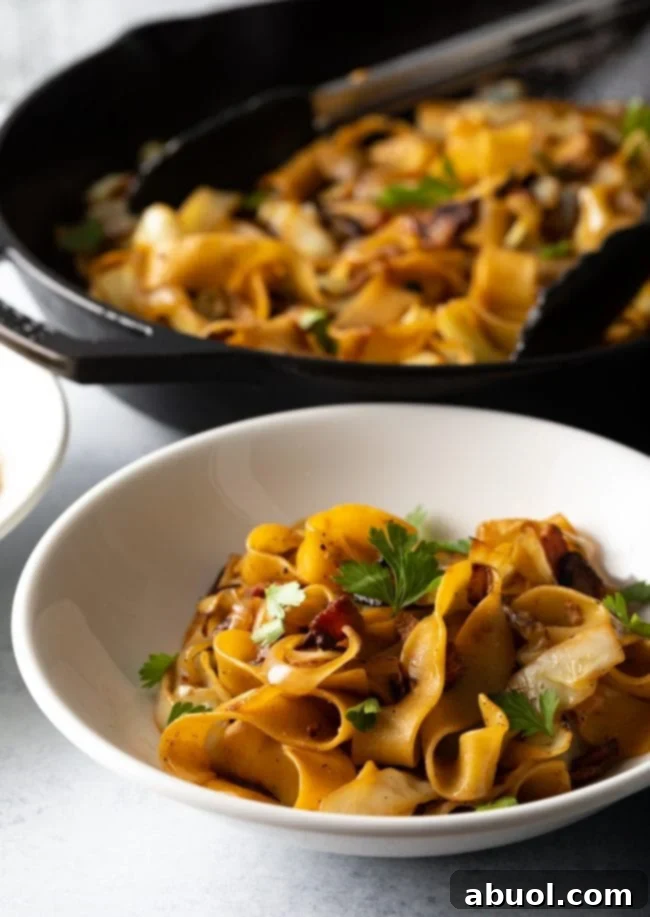
This particular Haluski with cabbage and noodles stands out for its straightforward approach and intensely flavorful results. It can confidently be served as a hearty main course, perfect for a cozy evening, or as a robust side dish alongside a variety of meats. Imagine pairing it with a succulent beef tenderloin, a beautifully roasted chicken, tender braised pork, or even a thick, juicy steak. The secret to its profound depth of flavor lies in allowing the cabbage and noodles to be richly bathed in the rendered bacon grease, which infuses every bite with a smoky, savory essence.
Preparing this Haluski recipe is not just about making a meal; it’s about creating an experience that celebrates simple ingredients and bold flavors. The process is intuitive and rewarding, culminating in a dish that consistently delivers on taste and comfort. It’s truly a no-frills recipe that showcases how basic pantry staples can be transformed into something truly spectacular.
Speaking of passion for heritage and quality, the DeLallo family of DeLallo Foods shares a similar dedication. This holiday season, DeLallo invites everyone to embrace the #SpiritofNatale (Natale meaning Christmas in Italian) by sharing cozy family dishes and creating memorable meals. Their commitment to authentic, high-quality ingredients aligns perfectly with the spirit of traditional recipes like this Hungarian Haluski, which relies on good components for its delicious outcome.
What Ingredients You Will Need for This Easy Haluski Recipe
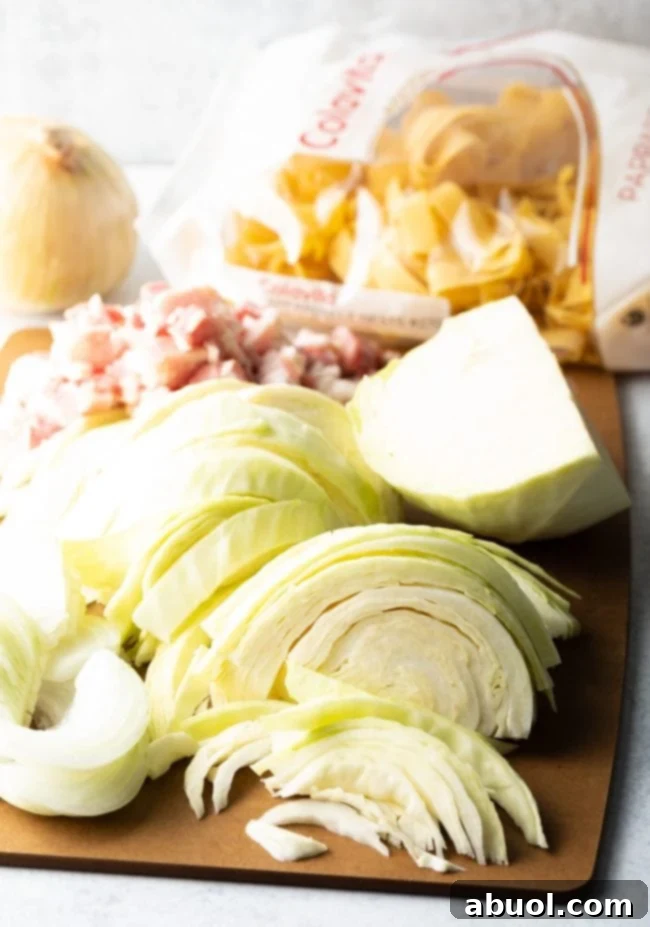
One of the many appealing aspects of Haluski is its reliance on a short list of accessible ingredients, each playing a crucial role in creating the dish’s signature flavor and texture. Here’s what you’ll need to gather:
- Thick-Cut Bacon: Approximately 5 ounces, chopped. The quality of your bacon makes a difference here, as its rendered fat forms the flavorful base for the cabbage and noodles. Thick-cut bacon provides more texture and a richer flavor.
- Sliced Green Cabbage: About 5 cups, which typically comes from half a medium-sized head of cabbage. Look for firm, fresh cabbage with vibrant green leaves. Green cabbage is traditional, offering a slight sweetness when cooked down.
- Medium Onion: One, thinly sliced. Onions caramelize beautifully alongside the cabbage, adding another layer of sweet and savory depth to the dish.
- Minced Garlic Cloves: Two cloves. Garlic adds an aromatic punch that complements the richness of the bacon and the earthiness of the cabbage.
- Package DeLallo Egg Noodles: Approximately 8.8 ounces. Egg noodles are essential for Haluski, providing the perfect tender chewiness. While traditional Haluski often uses small, square egg noodles, a broader pasta like Pappardelle, as used in this recipe, works wonderfully for soaking up all the delicious flavors. Any high-quality wide egg noodle will do.
- Chopped Fresh Parsley for Garnish: An optional but recommended touch, fresh parsley adds a pop of color and a fresh, herbaceous note that brightens the rich flavors of the dish.
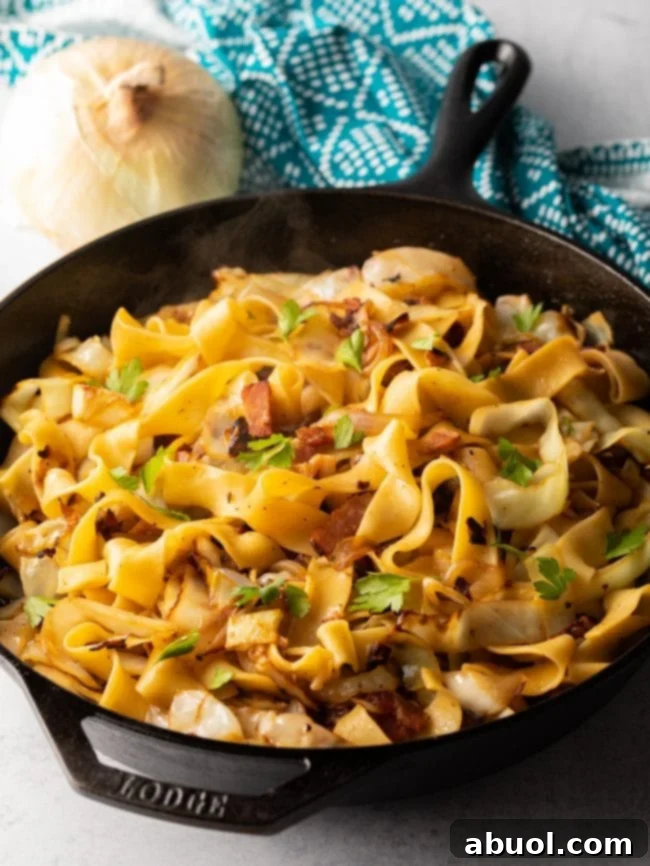
How To Make Authentic Hungarian Haluski Step-by-Step
Making Hungarian Haluski is a straightforward process that yields incredibly delicious results. Follow these simple steps to bring this comforting dish to your table:
- Prepare the Noodles: Begin by filling a large pot with salted water and bringing it to a rolling boil over high heat. Add your chosen egg noodles (such as DeLallo Pappardelle) and cook them according to the package directions until al dente. Once cooked, drain the pasta, making sure to reserve about 1 cup of the starchy pasta water. This reserved water will be used later to help bind the flavors of the dish and create a perfect consistency. Set the drained noodles and reserved water aside.
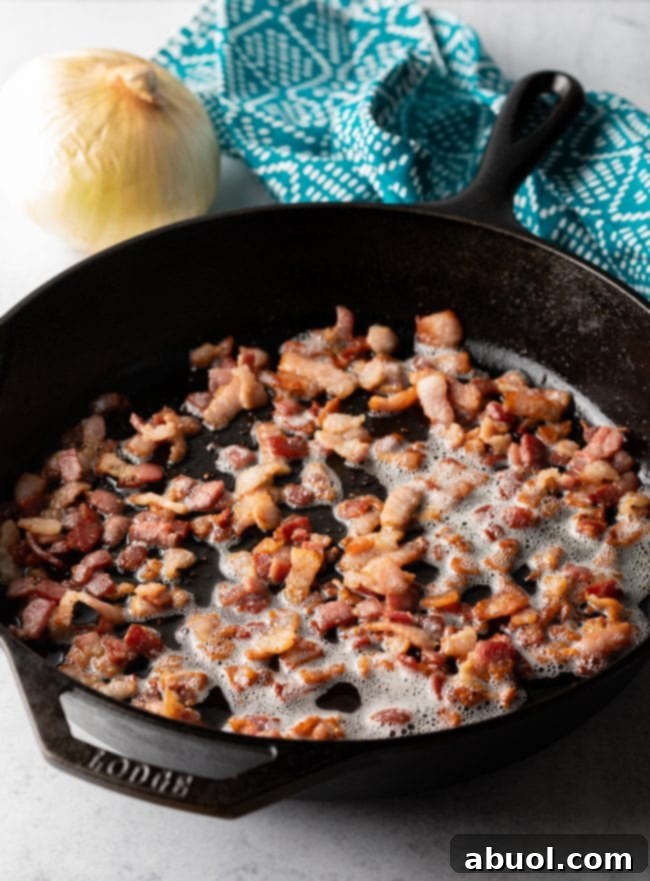
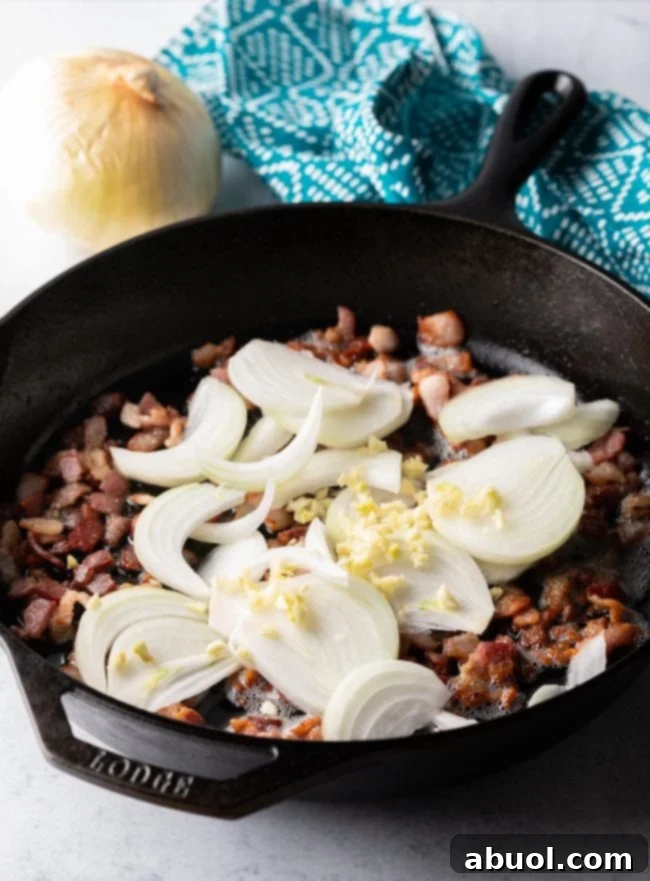
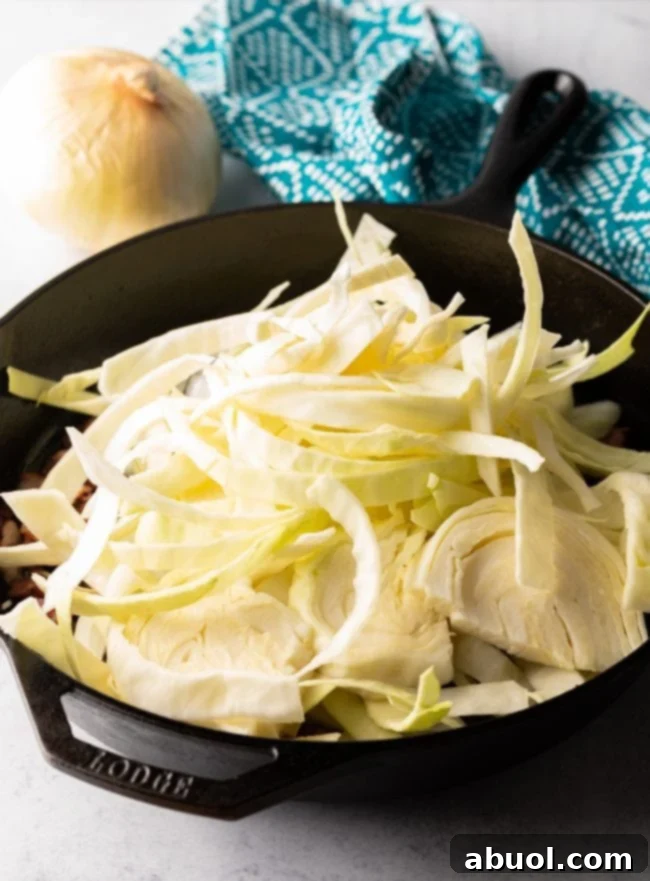
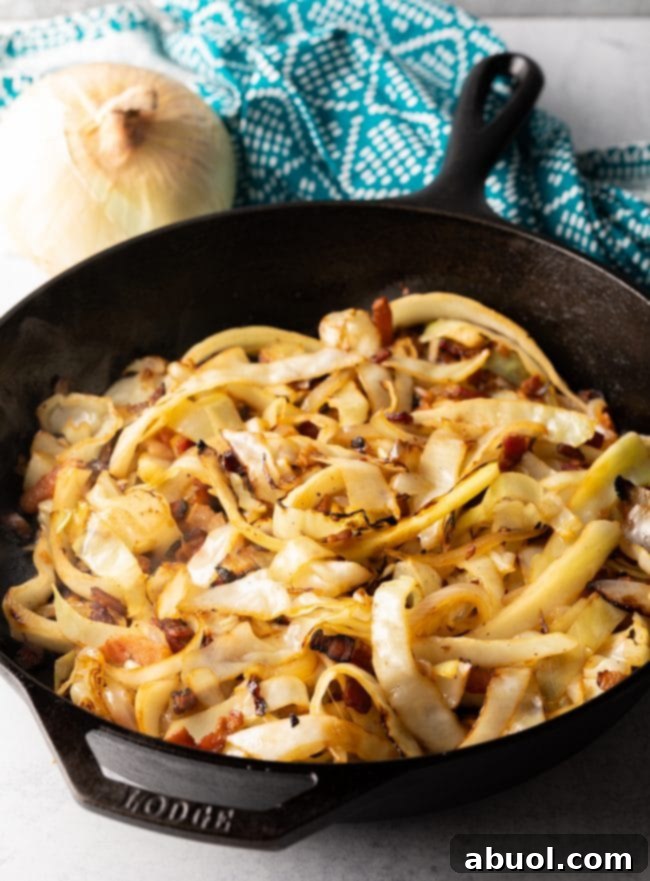
- Sauté the Bacon, Cabbage, and Onions: While the pasta is cooking, prepare your vegetables. Quarter the cabbage and onion, then slice them into thin strips. It’s helpful to remove the thickest, tougher white sections of the cabbage, focusing on the thinner white and green layers for better texture. Place a large, sturdy skillet (a cast-iron skillet works wonderfully here) over medium heat. Add the chopped thick-cut bacon to the skillet and sauté it until it’s beautifully crisp and has rendered most of its fat. Once the bacon is cooked, add the sliced cabbage and onions to the skillet, letting them cook in the flavorful bacon grease. Sauté for about 5 minutes, allowing the vegetables to begin softening. Season generously with salt and freshly ground black pepper to taste. Next, toss in the minced garlic and continue to sauté for another 5 minutes, until the cabbage is tender and slightly caramelized, and the garlic is fragrant.
- Combine and Finish: Once the cabbage has reached a tender consistency, add the cooked and drained egg noodles directly into the skillet with the cabbage, onions, and bacon. Stir everything together thoroughly, ensuring the noodles are well coated with the delicious bacon fat and sautéed vegetables. If the mixture seems a little dry, or if you want to create a slightly saucier consistency, add a small amount of the reserved pasta water, stirring until the flavors are beautifully blended and the dish comes together. Taste for final seasoning adjustments, adding more salt and pepper if needed. Finally, garnish the Haluski with a generous sprinkling of fresh chopped parsley for a burst of freshness and color. Serve immediately while warm and enjoy the comforting flavors of this traditional Hungarian dish.
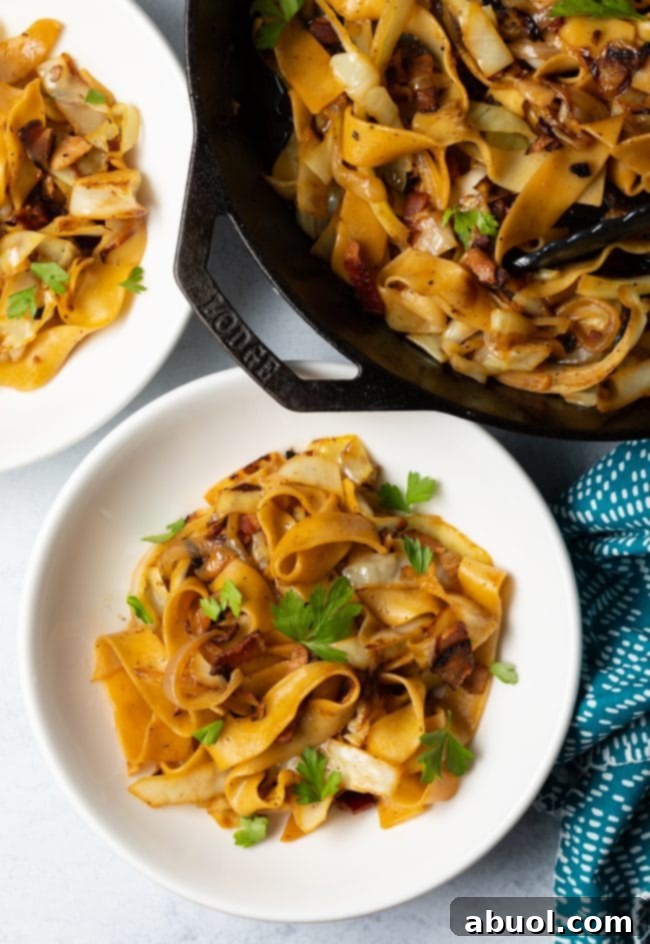
Get The Full Hungarian Haluski Cabbage and Noodles Recipe Below. Enjoy!
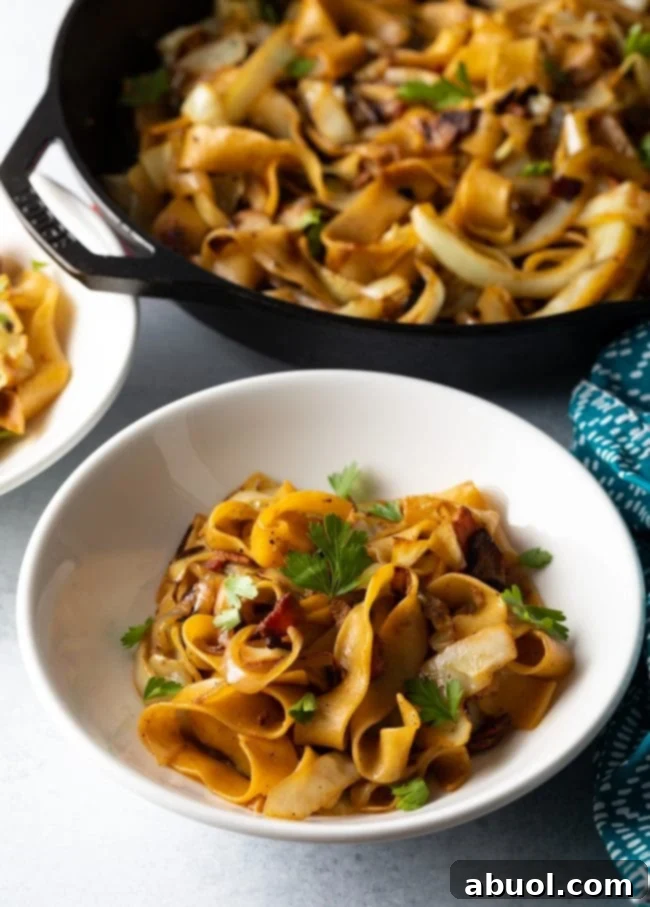

Print Recipe
Leave a Review »
Hungarian Haluski (Cabbage and Noodles Recipe)
10 minutes
15 minutes
25 minutes
A traditional Hungarian (and Polish) dish made of sautéed Haluski Cabbage and Noodles.
4
Video
Ingredients
- 5 ounces thick cut bacon chopped
- 5 cups sliced green cabbage about half a cabbage
- 1 medium onion sliced
- 2 cloves garlic minced
- 8.8 ounces package DeLallo Egg Noodles I used Pappardelle
- Chopped parsley for garnish
Instructions
- Place a large pot of salted water over high heat and bring to a boil. Cook the pasta according to package instructions. Drain and set aside, reserving 1 cup of the pasta water for later use.
- Meanwhile, cut the cabbage and onion in quarters. Slice into strips. Remove the thickest white sections of the cabbage and keep the thinner white and green layers. Place a large skillet over medium heat. Add the bacon and sauté until crisp. Then add the cabbage and onions. Sauté for 5 minutes, then salt and pepper to taste. Toss in the garlic and sauté another 5 minutes.
- Once the cabbage is tender, toss the pasta in the skillet. Stir to mix and add a little of the reserved pasta water to help blend the flavors. Taste for salt and pepper, then garnish with fresh chopped parsley. Serve warm.
Notes
Haluski can be stored in the refrigerator in an airtight container for 3 to 5 days.
Nutrition
Main Course
American, Hungarian
Sommer Collier
Cook It? Love It? Rate It!
YOU can help this recipe RANK on Google – TAP 5 STARS so other hungry people can find it. Thank you!
Frequently Asked Questions About Haluski (Cabbage and Noodles)
What exactly is Haluski?
Haluski, pronounced “ha-LOOSH-kee,” is a beloved traditional Eastern European dish, most notably associated with Hungarian and Polish cuisine. It typically consists of tender egg noodles (sometimes small dumplings) tossed with sautéed cabbage and onions, often enriched with crispy bacon. It’s a prime example of simple, hearty comfort food, revered for its satisfying flavors and ease of preparation.
How long will Haluski leftovers last in the fridge?
Cooked Haluski, when stored properly in an airtight container, will last for 3 to 5 days in the refrigerator. Ensure it cools completely before refrigerating to maintain freshness and prevent bacterial growth.
Can I store Haluski leftovers in the freezer?
Yes, Haluski freezes well! To maximize its quality, transfer the cooled Haluski into an airtight freezer-safe container or a heavy-duty freezer bag. If possible, remove as much air as you can from the container or bag to prevent freezer burn. Properly stored, frozen Haluski can maintain its quality for 2 to 3 months. Thaw overnight in the refrigerator before reheating gently on the stovetop or in the microwave.
Can I add other meats or ingredients to my Haluski?
Absolutely! Haluski is wonderfully versatile and responds well to various additions. While bacon is traditional and highly recommended for its flavor, you can certainly incorporate other meats. Cooked chicken, sliced kielbasa sausage, or even shredded beef would make excellent additions. For a heartier dish, some variations include meaty dumplings or smoked sausage. Experimenting with different herbs like dill or caraway seeds can also introduce new dimensions of flavor.
Tips for Perfect Haluski Every Time
- Don’t Rush the Cabbage: The key to delicious Haluski is allowing the cabbage to cook down properly. Sautéing it until tender and slightly caramelized brings out its natural sweetness and depth of flavor.
- Utilize Bacon Grease: The rendered fat from the bacon is your flavor foundation. Don’t drain it all away; cook the cabbage and onions directly in it for maximum taste.
- Al Dente Noodles: Cook your noodles just until al dente, as they will continue to cook slightly when tossed with the hot cabbage mixture. Overcooked noodles can become mushy.
- Reserved Pasta Water: This starchy water is a secret weapon! It helps emulsify the flavors, creating a slight “sauce” that coats the noodles and vegetables beautifully. Add it gradually until you reach your desired consistency.
- Season as You Go: Taste and adjust your seasoning (salt and pepper) at different stages – after sautéing the cabbage, and again after combining everything.
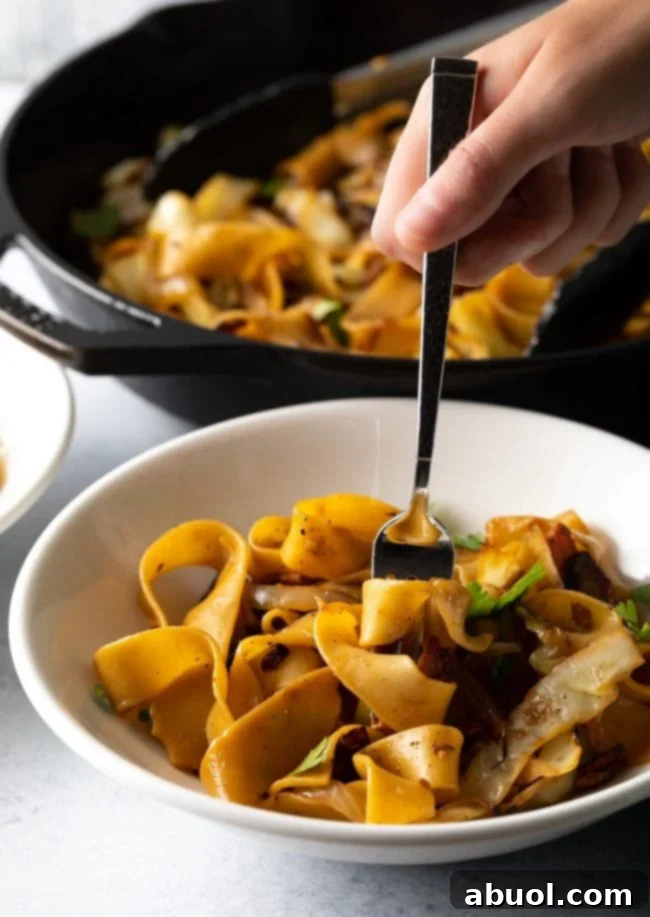
This Hungarian Haluski recipe is more than just a dish; it’s an invitation to savor the simplicity of good food and the warmth of tradition. Whether you have strong Eastern European roots or are simply looking to explore new, comforting flavors, this cabbage and noodles with bacon recipe is sure to become a beloved addition to your culinary repertoire. Its ease, affordability, and incredibly satisfying taste make it a winner for busy weeknights and special occasions alike. Give it a try, and discover the magic of Haluski!
Disclosure: This post is sponsored by DeLallo Foods. All opinions are my own.
Looking for More Delicious Dinner Recipes? Be Sure to Also Try:
- Grilled Pork Chops with Carolina BBQ Sauce
- Smoked Meatloaf
- Authentic Sukiyaki Beef
- Chicken Manchurian
- Apple Baked Stuffed Pork Chops
- Spinach Pie Recipe
- Nana’s Epic Chicken and Rice
- Crock Pot Pork Tenderloin with Apples and Onions
- Smoked Pork Loin (+ Tenderloin) Recipe
- Best Burnt Ends (Brisket) Recipe