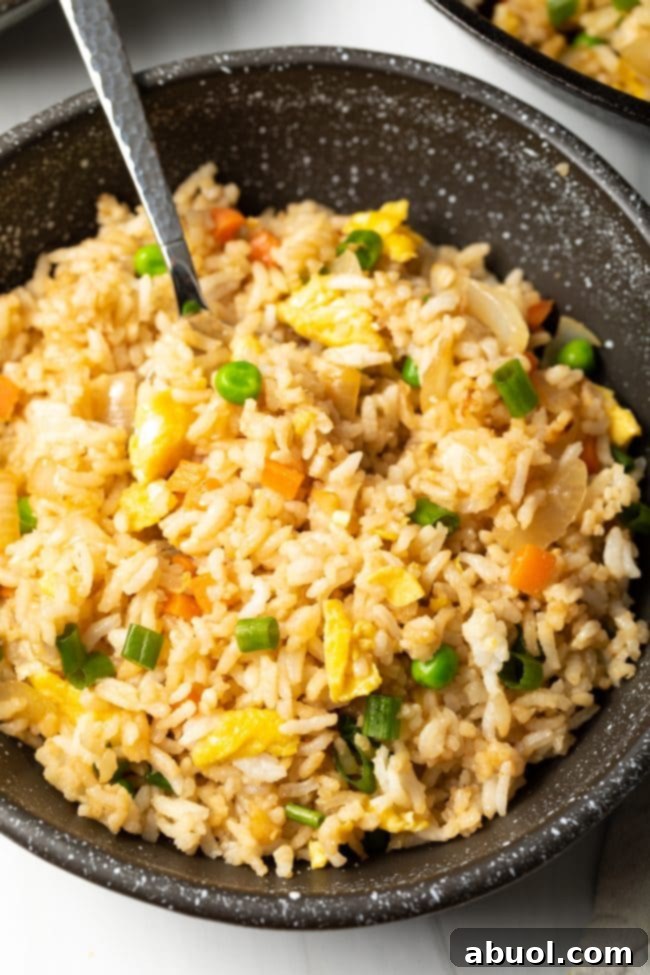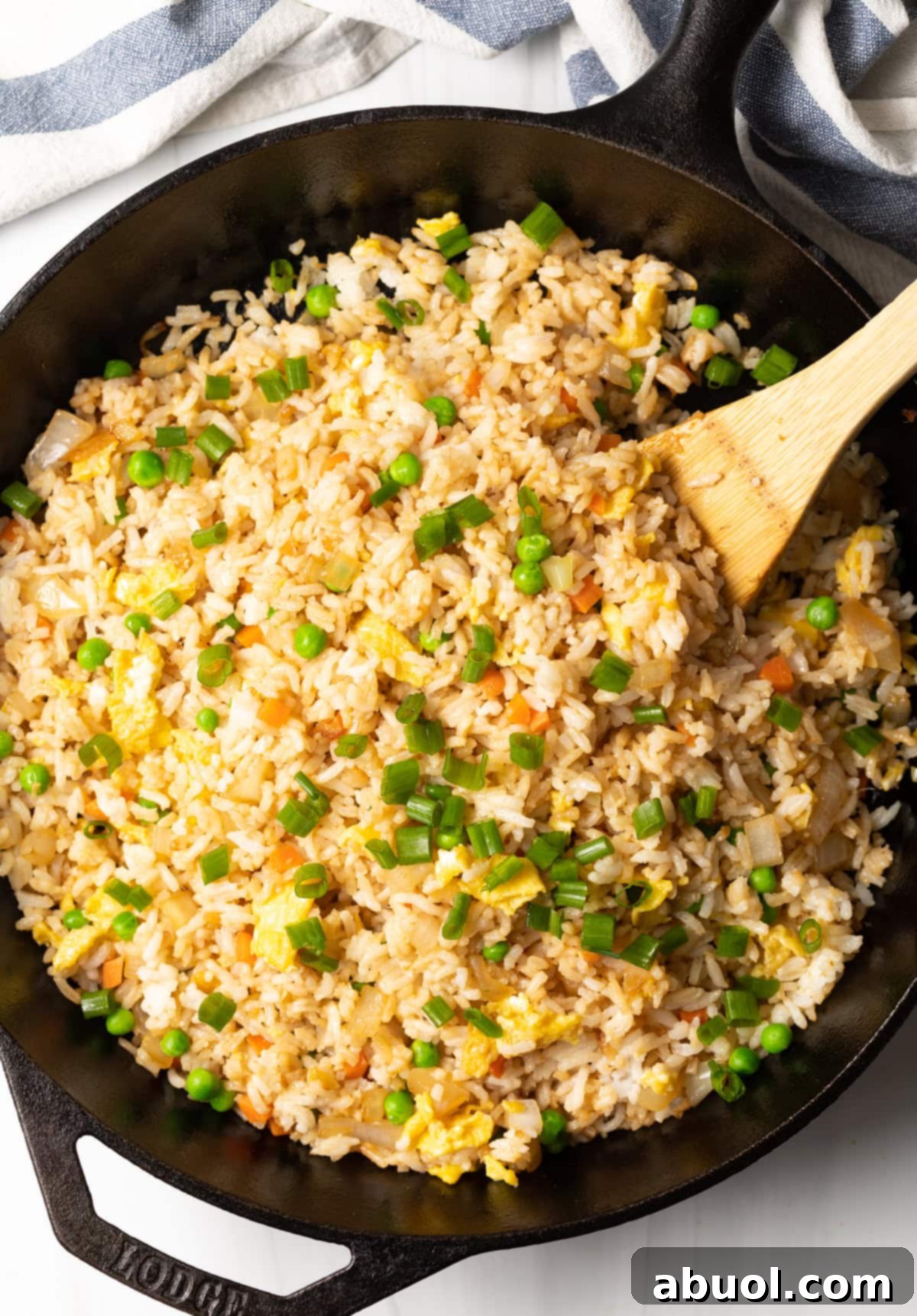
Effortlessly recreate your favorite restaurant-style Hibachi Fried Rice right in your own kitchen! This classic Asian-inspired dish, packed with savory flavors, can be prepared in under 30 minutes using chilled, leftover rice.
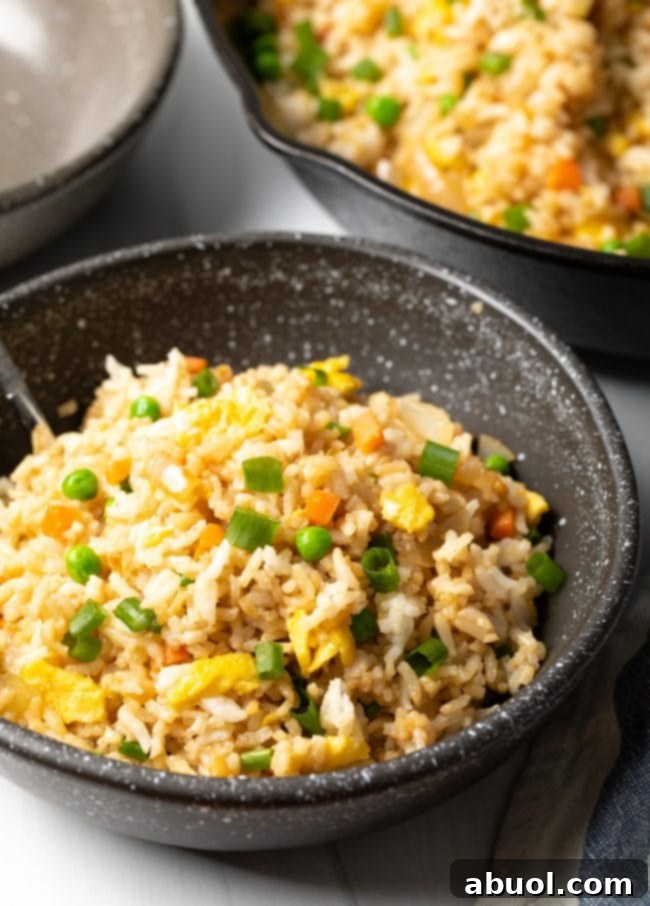

From Sommer’s Kitchen: Crafting the Perfect Hibachi Fried Rice
There’s an undeniable magic to a Japanese steakhouse. The sizzling grill, the theatrical knife skills, and the mesmerizing onion volcano all contribute to an unforgettable dining experience. And, let’s be honest, the star of the show often turns out to be that incredible, fluffy, flavor-packed Japanese Fried Rice.
While the entertainment is certainly part of the appeal, sometimes you crave that authentic hibachi flavor without the need to leave your cozy home. Imagine enjoying tender rice, perfectly scrambled eggs, and crisp-tender vegetables, all infused with bold, aromatic flavors, from the comfort of your own kitchen table. This homemade hibachi fried rice recipe makes that dream a delicious reality. It’s the ultimate comfort food that transports your taste buds straight to your favorite teppanyaki grill.
Why You’ll Adore This Hibachi Fried Rice Recipe
This recipe isn’t just about making fried rice; it’s about bringing the joy and flavor of a restaurant experience home with minimal fuss. Here’s why this recipe will quickly become a household favorite:
- The Ultimate One-Pan Wonder: Forget stacks of dirty dishes. This entire delicious meal comes together beautifully in just one pan, preferably a large skillet or wok, making cleanup a breeze. High heat is the key to achieving that authentic stir-fried texture.
- Lightning Fast & Effortlessly Easy: With a prep time of around 15 minutes and a cook time of another 15, you can whip up this classic vegetarian-friendly dish in approximately 30 minutes. It’s perfect for busy weeknights when you need a satisfying and quick meal.
- Everyday Ingredients, Extraordinary Flavor: You don’t need exotic ingredients to create something spectacular. This recipe relies on a handful of common pantry staples and fresh produce, proving that simple components can yield incredibly rich and satisfying results.
- Highly Customizable: Whether you’re a vegetarian or a meat-lover, this recipe provides a fantastic base for customization. Add your favorite proteins or a wider array of vegetables to suit any preference or dietary need.
- Cost-Effective Dining: Enjoy restaurant-quality hibachi fried rice without the restaurant bill. Making it at home is not only healthier but also significantly more budget-friendly.
Homemade fried rice is wonderfully versatile. Serve it as a delightful main course, perhaps alongside other Asian-inspired sides, or present it as a hearty, flavorful side dish to complement your favorite grilled meats or seafood. Either way, this flavorful dish is guaranteed to be a hit and elevate any quick and easy weeknight meal!
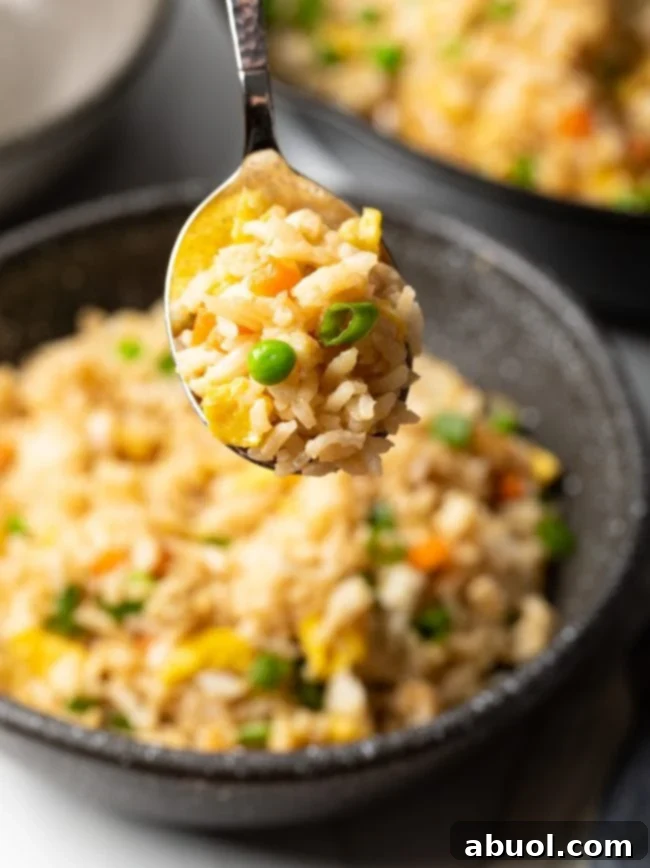
Essential Ingredients for Perfect Hibachi Fried Rice
Creating authentic hibachi fried rice at home starts with selecting the right ingredients. Here’s a detailed look at what you’ll need and why each component is crucial:
- White Rice: The foundation of our dish. It is absolutely essential to use previously cooked and thoroughly chilled rice. Day-old jasmine or long-grain white rice works best. Chilled rice maintains its structure better, preventing it from becoming mushy when stir-fried, and allows it to achieve that desirable crispy texture.
- Butter: Unsalted butter adds a rich, savory depth and a characteristic gloss to the fried rice that is reminiscent of restaurant versions. It also aids in achieving a beautiful golden-brown sear on the rice.
- Eggs: Beaten eggs add a wonderful texture and protein boost to the fried rice. Using room temperature eggs ensures they cook evenly and integrate smoothly into the dish. They contribute to the classic fried rice appearance and flavor profile.
- Fresh Vegetables: A medley of finely chopped onions, diced carrots, minced fresh garlic, and grated fresh ginger provides a vibrant flavor base and essential nutrients. Onions and carrots offer sweetness and crunch, while garlic and ginger are critical aromatics that infuse the entire dish with a distinctive Asian essence.
- Soy Sauce: The primary seasoning for fried rice. Opt for low sodium soy sauce to control the saltiness, allowing you to season further if needed without making the dish overly salty. It provides the signature umami flavor and color.
- Sesame Oil: A finishing touch that adds an unmistakable nutty aroma and flavor. A little goes a long way. For stir-frying, you can also use other high-heat neutral-flavored cooking oils like canola or vegetable oil, reserving sesame oil for flavor at the end.
- Frozen Peas: These vibrant green morsels add a pop of color and subtle sweetness, rounding out the vegetable medley.
- Rice Wine or Cooking Sherry: Adds a subtle tang and helps deglaze the pan, enhancing the overall depth of flavor in the sauce.
Delicious Variations and Smart Dietary Swaps
One of the best aspects of hibachi fried rice is its adaptability. Feel free to get creative and tailor this recipe to your personal taste, dietary needs, or whatever ingredients you have on hand:
- Amplify Your Veggies: While the core recipe uses classic vegetables, don’t hesitate to add more. Experiment with chopped broccoli florets or cauliflower, sliced zucchini, earthy mushrooms, colorful bell peppers, shelled edamame, crisp frozen green beans, or sweet snow peas. The more variety, the more nutrient-rich and flavorful your fried rice becomes.
- Boost the Protein Content: Transform this side dish into a complete meal by incorporating your favorite protein. Cubed extra-firm tofu for a vegetarian option, succulent diced chicken breast, tender strips of pork, plump shrimp, or thinly sliced stir-fried beef all make fantastic additions. Simply cook your chosen protein separately before adding it back into the rice mixture at the end.
- Embrace Whole Grains: For a heartier, fiber-rich alternative, swap the white rice for cooked brown rice. Ensure it’s also chilled for the best texture.
- Low-Carb Options: For those following a low-carbohydrate diet, cauliflower rice is an excellent substitute for traditional rice. Make sure to sauté it until most of its moisture has evaporated before adding to the pan for stir-frying.
- Spice It Up: If you enjoy a kick, add a dash of Sriracha sauce to the stir-fry sauce, or sprinkle in some red pepper flakes during the cooking process.
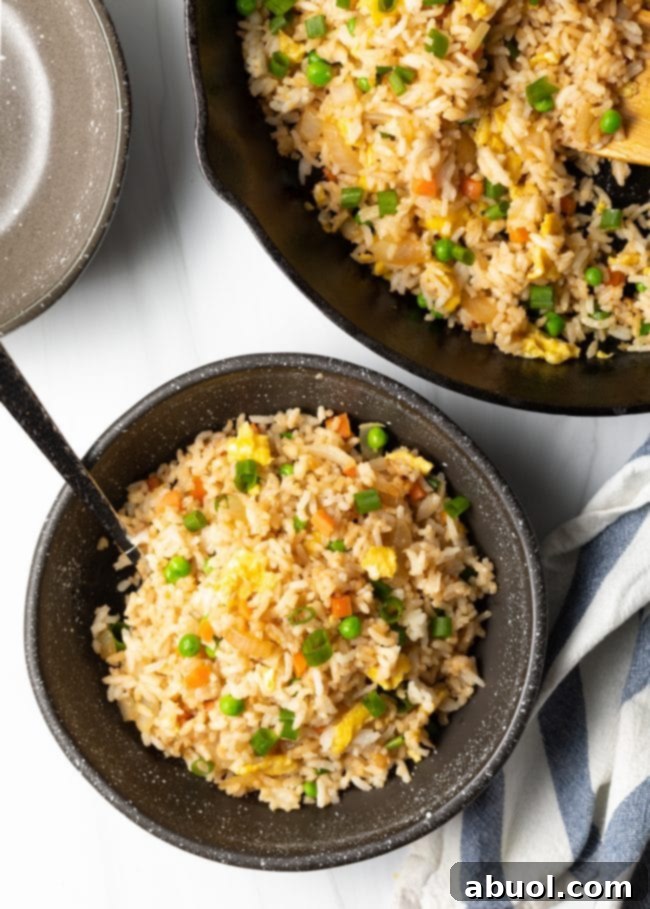
Mastering Homemade Hibachi Fried Rice: A Step-by-Step Guide
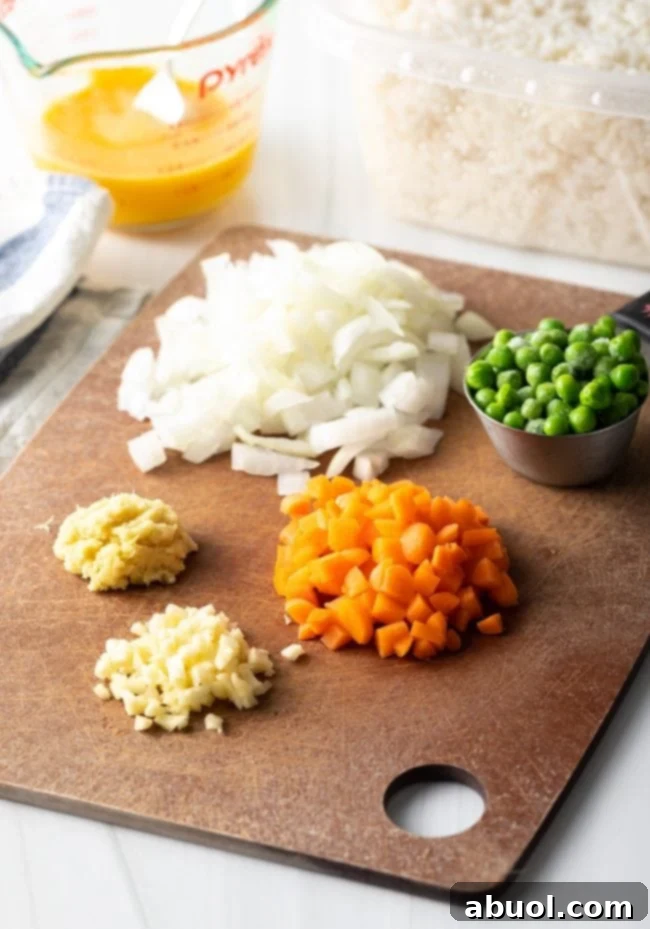
The secret to achieving that coveted restaurant-style Hibachi Fried Rice at home lies in efficient preparation. “Mise en place” – having all your ingredients prepped and ready before you start cooking – is paramount. Once everything is chopped, measured, and waiting, the actual cooking process is incredibly fast and fun. You’ll simply combine the ingredients in a hot pan, add the savory sauces, and in minutes, you’ll be ready to savor this wonderfully delicious fried rice dish!
Find the full Hibachi Fried Rice recipe with detailed instructions and storage tips in the printable recipe card at the bottom of this post!
Pro Tips for Achieving Hibachi Fried Rice Perfection
To truly nail that restaurant-quality flavor and texture, keep these expert tips in mind. They’ll make all the difference in your homemade hibachi fried rice:
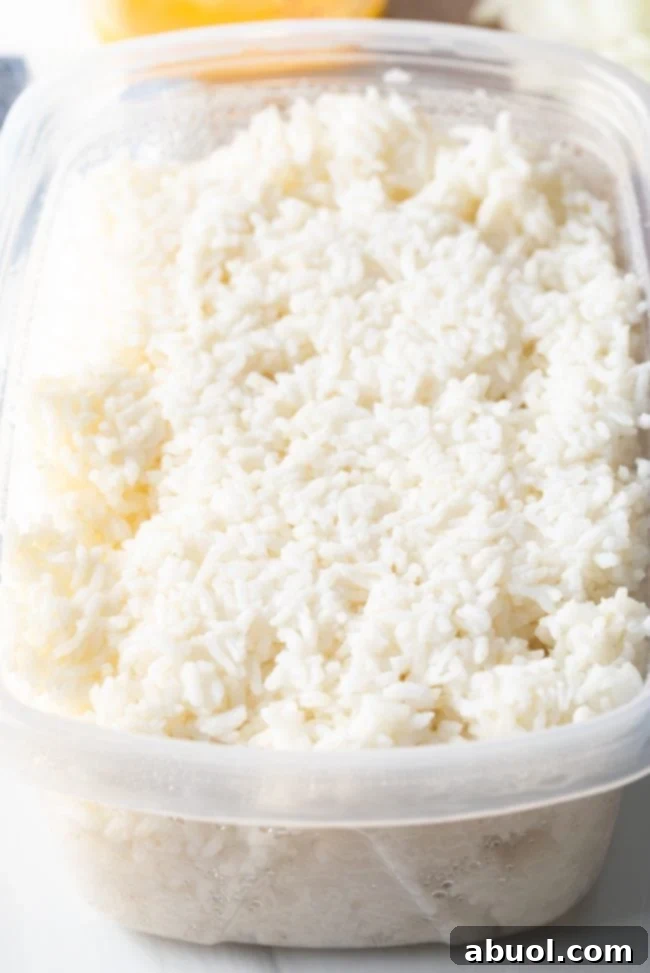
- The Golden Rule: Cold Cooked Rice is Non-Negotiable. This is perhaps the most crucial tip for any fried rice. Cold, day-old rice is firm and dry, which prevents it from clumping and turning mushy when stir-fried over high heat. Freshly cooked, warm rice has too much moisture and starch, leading to a sticky, unappetizing result. Plan ahead and cook your rice the night before!
- Shortcut Alert: Pre-Cooked Rice Packets. If you find yourself in a pinch and don’t have time to chill leftover rice, vacuum-sealed packets of pre-cooked white rice can be a surprisingly good substitute. Just ensure they are thoroughly broken apart before adding to the pan.
- Time-Saving Veggie Hack: Frozen Mixed Vegetables. Don’t have fresh veggies on hand or short on chopping time? A bag of frozen mixed vegetables (like peas and carrots, or a stir-fry mix) works wonderfully. Add them to the skillet when you would typically add the frozen peas, ensuring they heat through thoroughly.
- Handle with Care: The Rice Integrity. When stirring the rice, use a gentle folding motion rather than aggressive mixing. This helps to break up any clumps and distribute the sauce evenly without crushing the rice grains, which could lead to a mushy texture.
- High Heat is Your Friend: Hibachi cooking is all about intense heat. Make sure your skillet or wok is screaming hot before adding ingredients. This ensures a quick sear and prevents the ingredients from steaming instead of frying, crucial for that desirable slightly crispy texture.
- Don’t Overcrowd the Pan: Cooking in batches if necessary is better than overcrowding your pan. An overcrowded pan lowers the temperature and steams the ingredients, hindering the frying process.
- Taste and Adjust: Always taste your fried rice before serving and adjust seasonings as needed. You might want a little more soy sauce, a pinch of salt, or a dash of black pepper to perfect the flavor.
Storage and Reheating Notes
Proper storage ensures your delicious hibachi fried rice remains fresh and safe to enjoy for future meals:
- Storing Leftovers: Any leftover Japanese hibachi fried rice can be kept in an airtight container in the refrigerator for up to 4-5 days. Always allow the dish to cool completely to room temperature before transferring it to the container and placing it in the fridge.
- Freezing Leftovers: While possible, be aware that the texture of the rice may soften slightly upon freezing, thawing, and reheating. For best results, freeze in freezer-safe containers for up to 3 months. Thaw overnight in the refrigerator before gently reheating.
- Reheating Leftovers:
- Stovetop: The best method for reheating. Warm in a saucepan or skillet over medium-high heat, adding a splash of water or a tiny bit of oil if it seems dry, stirring occasionally until heated through.
- Microwave: Reheat in short bursts (30-60 seconds), stirring between each burst, until thoroughly warmed. This method might make the rice a bit softer.
Creative Serving Suggestions for Hibachi Fried Rice
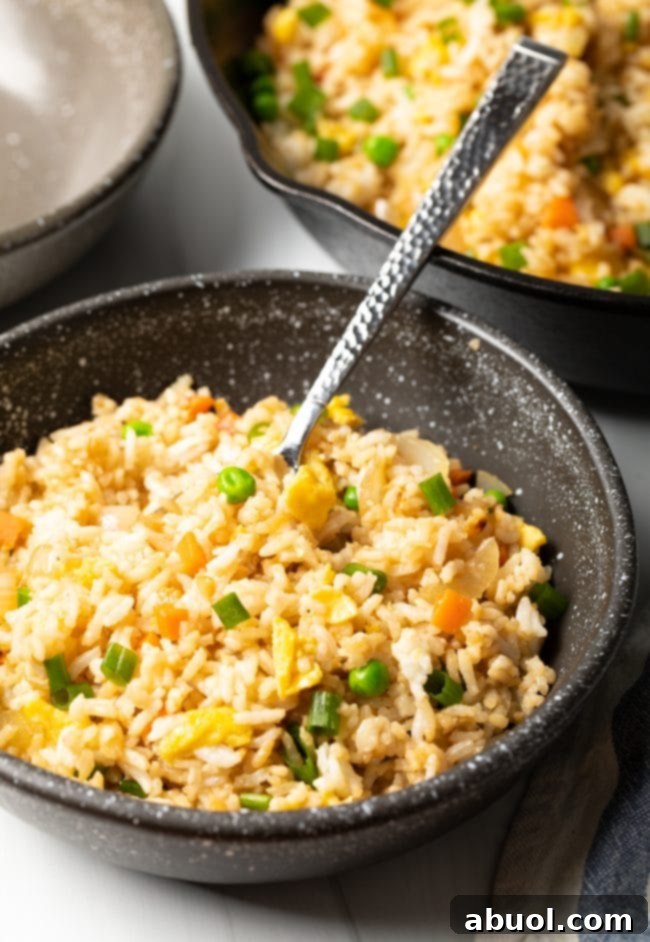
While delicious on its own, hibachi fried rice is also a fantastic component of a larger meal. Garnish the warm rice with fresh chopped scallions for a burst of color and a mild oniony crunch, if desired.
Serve this Japanese fried rice as a satisfying vegetarian main dish alongside classic accompaniments:
- A comforting bowl of Japanese clear soup or a savory miso soup.
- Fluffy Onigiri (Japanese rice balls).
- A crisp green salad dressed with homemade ginger salad dressing.
Alternatively, enjoy it as a hearty and flavorful side dish with a variety of proteins and other Japanese favorites:
- Savory Okonomiyaki (Japanese savory pancakes).
- Perfectly cooked shrimp drizzled with creamy homemade yum yum sauce.
- A steaming bowl of rich ramen soup.
- Grilled chicken, steak, or tofu for a complete hibachi-style meal.
Don’t overlook its versatility – cold leftover hibachi-style fried rice also makes an unexpectedly delicious midnight snack, or even a unique and flavorful breakfast!
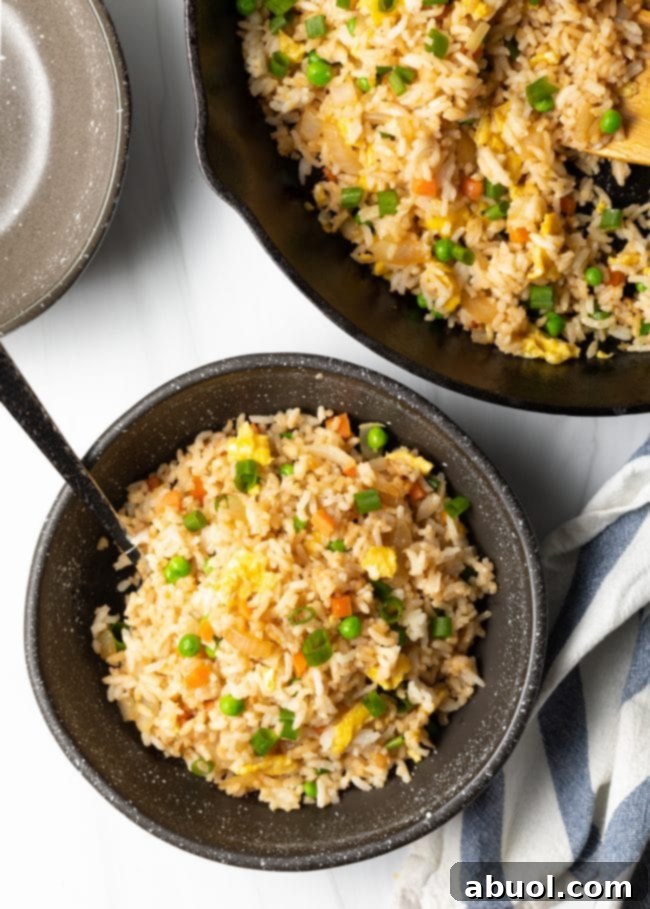
Japanese Hibachi Fried Rice Recipe
It’s easy to make everyone’s favorite restaurant-style Hibachi Fried Rice right at home! Use leftover rice to prepare this classic Asian-inspired fried rice dish in just 30 minutes.
Prep Time: 15 minutes |
Cook Time: 15 minutes |
Total Time: 30 minutes
Servings: 6 servings
Ingredients
- 4 cups cooked white rice, chilled (from 1 ½ cups dried rice)
- 4 tablespoons unsalted butter
- 2 large eggs, beaten
- ¾ cup chopped yellow onion
- ½ cup finely diced carrot
- 3-4 cloves garlic, minced
- 1 tablespoon fresh grated ginger
- 3 tablespoons low sodium soy sauce
- 2 tablespoons rice wine or cooking sherry
- 1 tablespoon sesame oil
- ½ cup frozen peas (or skip the fresh carrot above and add 1 cup frozen peas and carrots)
- ¼ cup chopped scallions (optional, for garnish)
Instructions
- Prepare All Ingredients (Mise en Place): Ahead of time, ensure all ingredients are prepped. Crack the eggs into a measuring cup and beat thoroughly until smooth. Chop and mince all fresh produce (onions, carrots, garlic, ginger). In a separate small bowl or measuring cup, combine the soy sauce, rice wine, and sesame oil; stir well to create your quick stir-fry sauce. This preparation ensures a smooth and rapid cooking process.
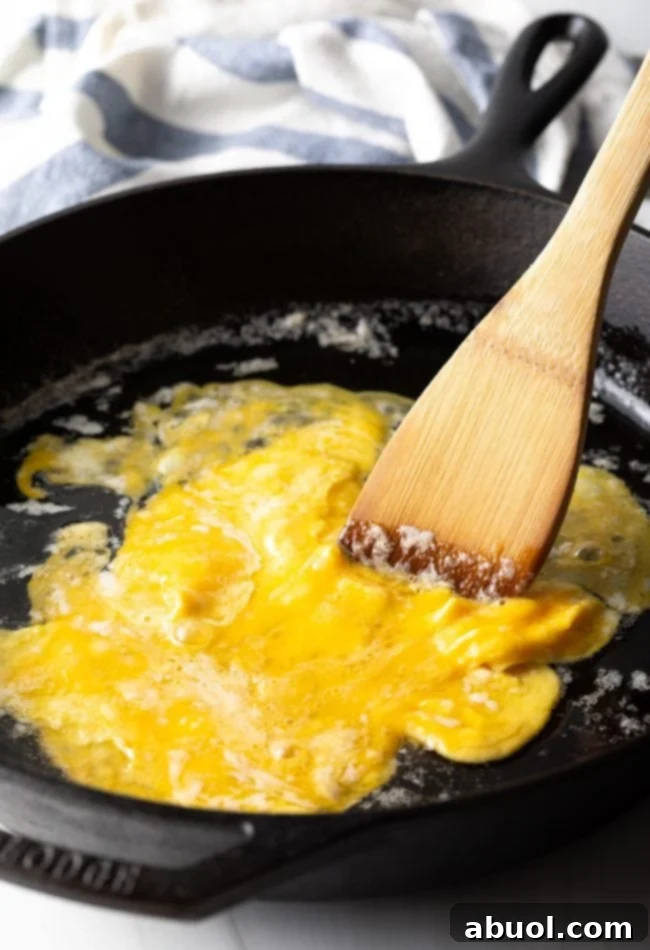
- Cook the Eggs: Place a large cast-iron skillet, wok, or flat-top griddle over medium-high heat. Add 2 tablespoons of the butter to the skillet. Once melted and shimmering, pour in the beaten eggs. Using a wooden spoon or spatula, quickly scramble the eggs until fully cooked through and slightly fluffy. Remove the cooked eggs from the pan and set them aside on a holding plate, using your spatula to chop them into small, bite-sized pieces.
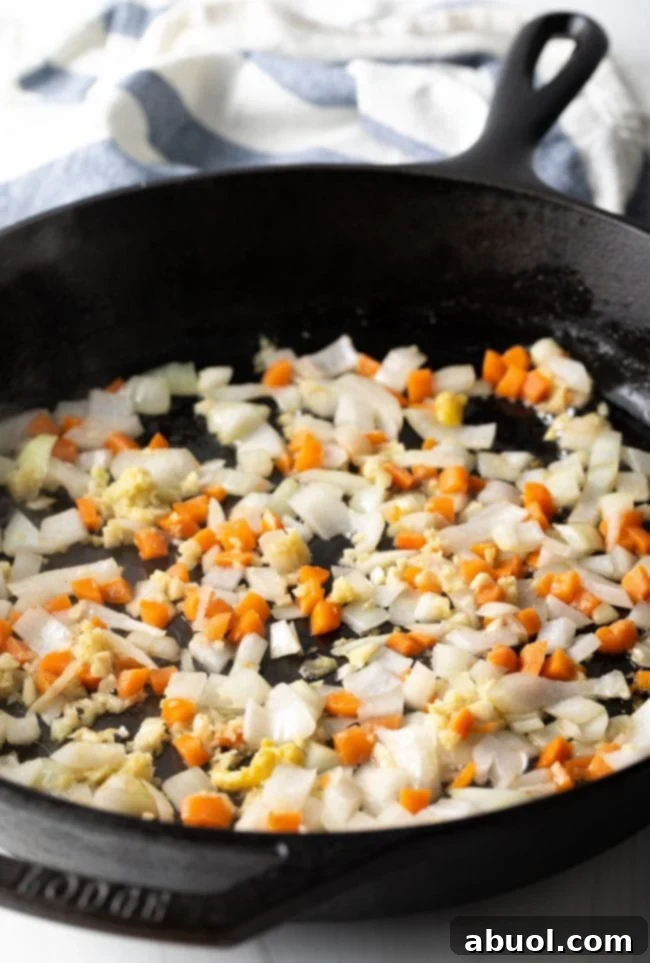
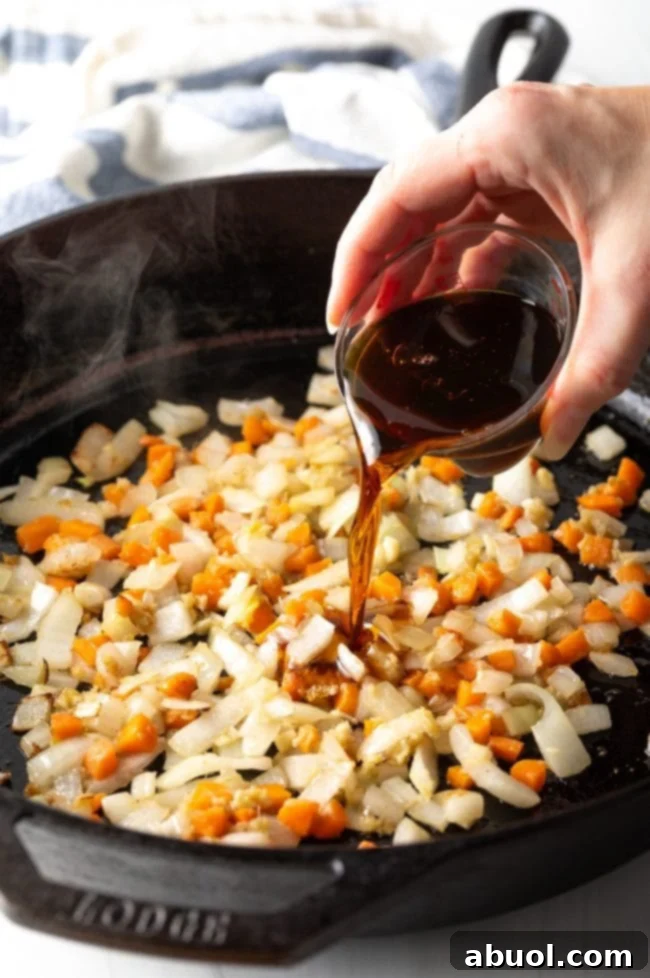
- Sauté the Aromatics and Vegetables: Add the remaining 2 tablespoons of butter to the hot skillet. Once melted, add the chopped onions, diced carrots, minced garlic, and grated fresh ginger. Stir-fry these vegetables for 3 to 5 minutes, or until the onions are translucent and the carrots are crisp-tender, releasing their fragrant aromas.
- Combine with Sauce and Rice: Pour the prepared stir-fry sauce directly into the skillet with the sautéed vegetables. Stir quickly to coat the vegetables evenly. Immediately add the cold cooked rice to the skillet. Using your spatula, gently toss and stir the rice, breaking apart any clumps, ensuring every grain is thoroughly coated in the savory sauce. Continue to stir and fry for several minutes, allowing the rice to get a slight “sizzle” and develop a delicate crispness at the bottom of the skillet.
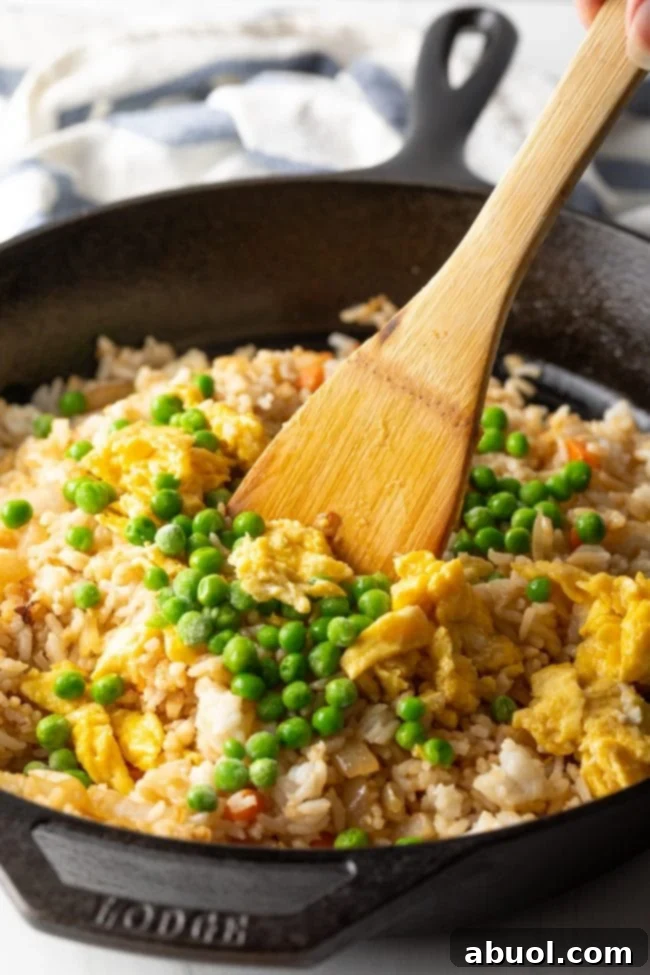
- Final Mix and Serve: Once the rice is well mixed and heated through completely, gently fold in the chopped scrambled egg and the frozen peas. Stir just until the peas are heated through. Turn off the heat. Serve the hibachi fried rice warm, garnished with fresh chopped scallions if desired, for an extra layer of flavor and color.
Notes
Cold cooked rice is essential for the best fried rice. If possible, prepare your rice the day before and chill it in the refrigerator overnight. This firmness helps prevent mushiness during stir-frying. As a convenient alternative, pre-cooked vacuum-sealed white rice packets can be used in a pinch.
Leftover Japanese hibachi fried rice stores beautifully in the refrigerator for up to 4-5 days. Always ensure the dish has cooled completely before transferring it to an airtight container and refrigerating.
Nutrition
Serving: 0.75c, Calories: 283kcal, Carbohydrates: 36g, Protein: 7g, Fat: 12g, Saturated Fat: 6g, Polyunsaturated Fat: 2g, Monounsaturated Fat: 4g, Trans Fat: 1g, Cholesterol: 75mg, Sodium: 380mg, Potassium: 204mg, Fiber: 2g, Sugar: 2g, Vitamin A: 2229IU, Vitamin C: 8mg, Calcium: 41mg, Iron: 1mg
Course: Main, Main Course |
Cuisine: Asian, Japanese
Author: Sommer Collier
Frequently Asked Questions About Hibachi Fried Rice
How do I cook hibachi rice on a Blackstone griddle or similar flat-top?
Cooking this recipe on a Blackstone or any large flat-top griddle is incredibly easy and highly recommended for achieving that authentic hibachi experience. Simply follow all the recipe steps as outlined above. Ensure your griddle is heated to a medium-high temperature, and use a sturdy wooden spatula or scraper to prevent any damage to the cooking surface while mimicking the chef’s motions.
Is this hibachi fried rice recipe spicy?
No, the base recipe is designed to be mild and universally appealing, focusing on savory and aromatic flavors. However, if you prefer a spicier kick, it’s very easy to customize. You can drizzle a bit of Sriracha sauce into the stir-fry sauce mixture, or sprinkle in some red pepper flakes during the vegetable sautéing step to add a pleasant heat.
What’s the main difference between regular fried rice and Hibachi fried rice?
The primary difference often lies in the cooking method and flavor profile. “Hibachi fried rice” typically refers to fried rice prepared on a large, flat-top griddle (like a hibachi or teppanyaki grill), often with liberal use of butter and soy sauce, giving it a rich, savory, and sometimes slightly smoky flavor. “Regular Chinese fried rice,” on the other hand, is usually cooked in a wok over intense heat, often incorporating a wider variety of sauces (like oyster sauce or dark soy sauce) and sometimes more subtle flavorings.
Can I make this recipe vegan?
Absolutely! To make this hibachi fried rice vegan, simply substitute the butter with a plant-based butter alternative or a neutral high-heat oil. Omit the eggs entirely, or replace them with scrambled firm tofu for a similar texture. Ensure your soy sauce is vegan (most are, but check labels for additives).