
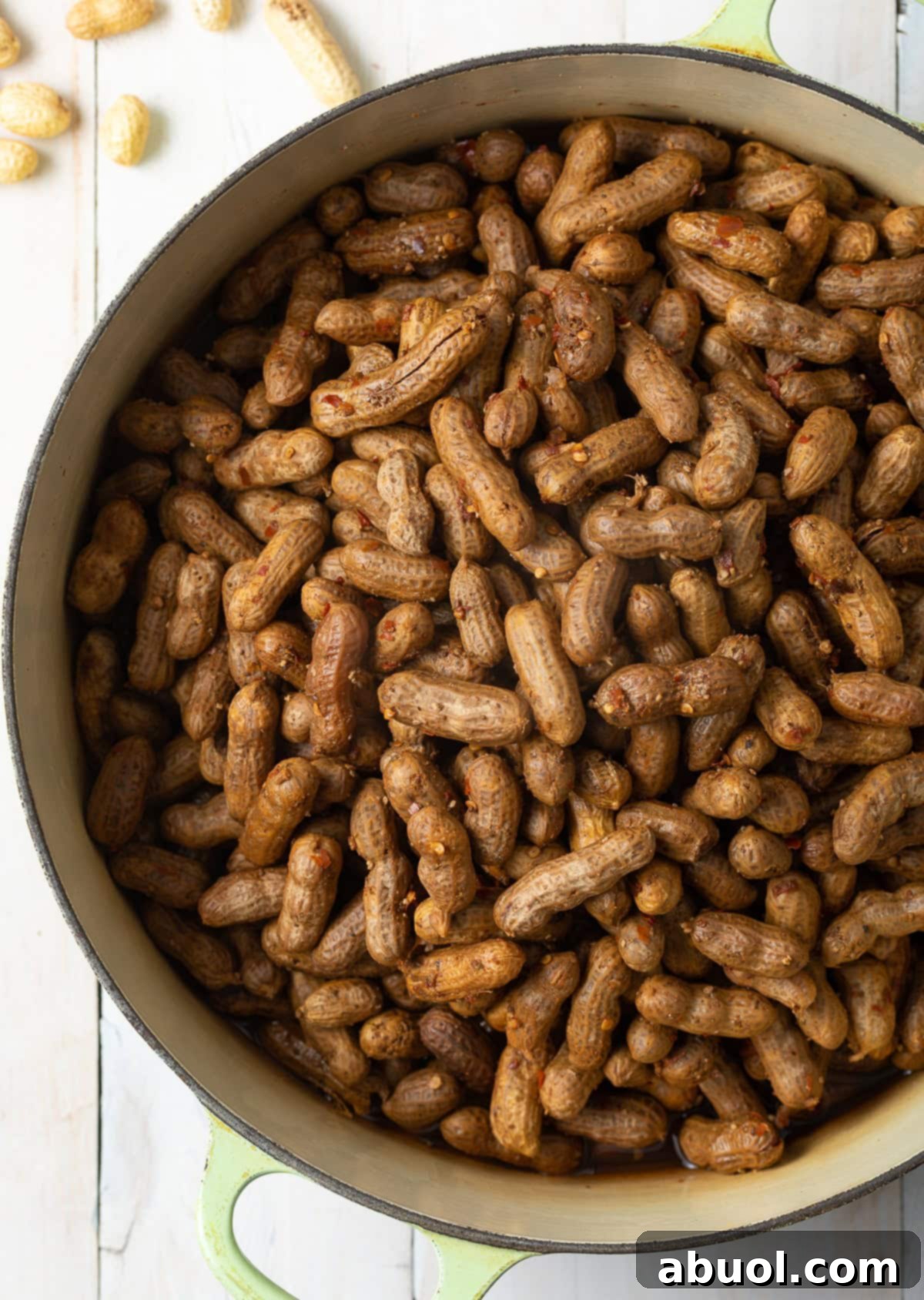
Discover the ultimate guide to making irresistible Boiled Peanuts! Whether you prefer the speed of an Instant Pot, the traditional charm of the Stovetop, or the convenience of a Slow Cooker, this comprehensive recipe unlocks the secret to perfectly seasoned, tender Southern Boiled Peanuts. Get ready to fall in love with this iconic regional snack all over again!
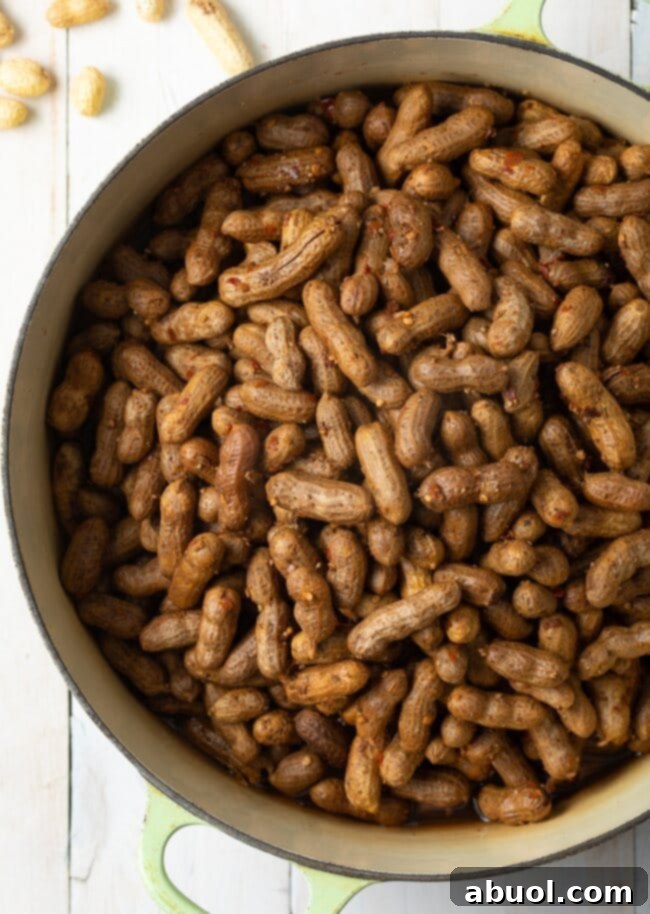
Cajun Boiled Peanuts: The Quintessential Southern Snack
If you’ve never ventured below the Mason-Dixon Line, the concept of “boiled peanuts” might sound peculiar. But for anyone from the Southern United States, boiled peanuts aren’t just a snack; they’re a cultural institution, a taste of home, and an undeniable craving. Far from their roasted counterparts, boiled peanuts offer a uniquely soft, succulent, and intensely flavorful experience. Imagine raw peanuts, still in their shells, simmered in a salty, spiced brine until they achieve a tender, almost bean-like texture that’s utterly addictive.
This humble legume transforms into a culinary delight through a simple boiling process, absorbing a rich infusion of seasonings that sets them apart. Unlike the crunchy, nutty taste of roasted peanuts, boiled peanuts are chewy, juicy, and burst with a briny, savory punch that perfectly complements their softened kernels. They are a staple at roadside stands, sporting events, backyard barbecues, and family gatherings across states like Alabama, Georgia, Florida, Mississippi, and North and South Carolina. In fact, their cultural significance is so profound that boiled peanuts hold the esteemed title of the official state snack of South Carolina, a testament to their deep-rooted popularity and deliciousness.
Making a batch of homemade boiled peanuts is a truly rewarding experience, allowing you to customize the flavor profile to your exact preferences. This recipe emphasizes a vibrant Cajun twist, bringing a zesty and spicy kick that elevates the classic Southern favorite to new heights. Whether you’re a long-time fan or a curious newcomer, preparing these savory gems at home ensures a fresh, flavorful batch that captures the true essence of Southern hospitality and taste.

Why This Boiled Peanut Recipe Stands Out
Throughout the South, you’ll hear them lovingly pronounced “bold” peanuts, and for good reason—they’re bold in flavor and a bold choice for a satisfying snack. Crafting a truly outstanding batch of boiled peanuts hinges on a well-balanced brine, infused with aromatic spices and herbs that penetrate the shells and tenderize the kernels within. Our recipe, a personal favorite, ensures every peanut is plump, zesty, and utterly delicious.
What makes this particular recipe exceptional is its versatility. We understand that cooking preferences and schedules vary, which is why we provide three distinct methods for preparation: the Instant Pot for those short on time, the Stovetop for a classic, hands-on approach, and the Slow Cooker for effortless, set-and-forget convenience. Each method yields equally fantastic results, allowing you to choose the one that best fits your day.
- Instant Pot Boiled Peanuts: Perfect when you’re craving this savory snack but don’t have all day to simmer. Achieve tender peanuts in a fraction of the traditional time.
- Stovetop Boiled Peanuts: Ideal for a lazy weekend when you enjoy the aroma filling your kitchen. This method allows for careful monitoring and adjustment of the cooking process.
- Slow Cooker Boiled Peanuts: The ultimate “set it and forget it” option. Start them overnight or in the morning, and come home to a warm, ready-to-enjoy batch.
No matter which method you choose, you’re guaranteed a batch of zesty, perfectly softened Cajun boiled peanuts that will transport your taste buds straight to the heart of the South.
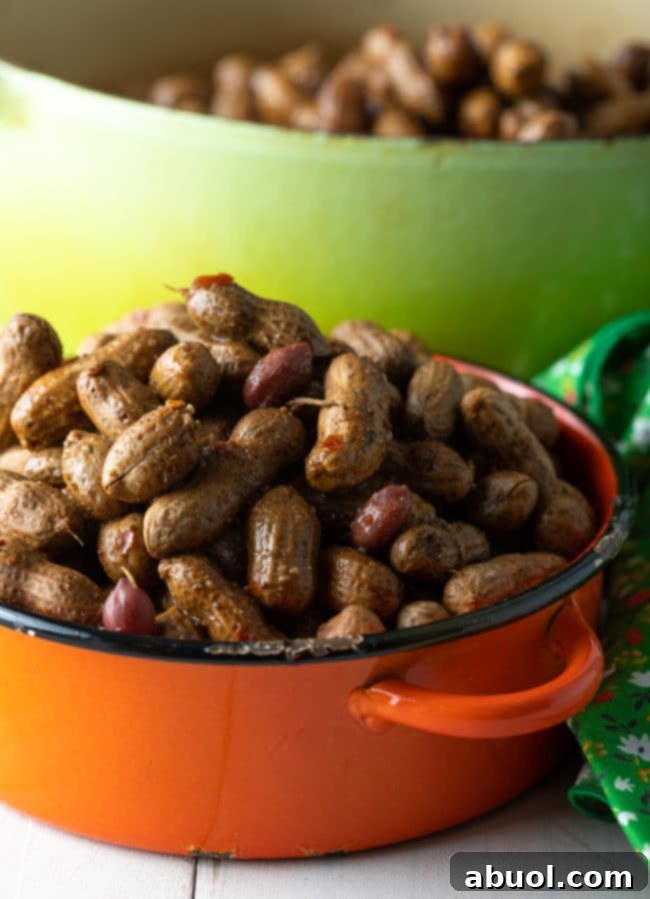
Essential Ingredients for Flavorful Boiled Peanuts
While some purists might opt for just peanuts and salt, our enhanced Cajun Boiled Peanuts recipe takes flavor to the next level with a carefully selected blend of spices. These ingredients infuse the peanuts with an incredible depth of taste, making every bite an unforgettable experience. Here’s a detailed look at what you’ll need to create this Southern delicacy:
- Raw or Green Peanuts: These are the foundation of your boiled peanuts. It’s crucial to use in-shell peanuts, as the shells help to absorb the brine and spices, tenderizing the kernels perfectly. We’ll delve deeper into the difference between raw and green peanuts shortly, but either type will work wonders with this recipe.
- Kosher Salt: This is non-negotiable. Kosher salt provides a clean, briny flavor without the harshness of table salt. It’s essential for both seasoning the peanuts and creating the perfect environment for tenderization. Don’t be shy with the salt; it’s what makes boiled peanuts so uniquely satisfying.
- Cajun Seasoning (or Creole Seasoning): This is where the magic happens for our Cajun-style peanuts! A good quality Cajun or Creole seasoning blend is a powerhouse of flavor, typically containing paprika, garlic powder, onion powder, cayenne pepper, oregano, and thyme. It adds a complex, aromatic, and slightly spicy dimension that’s the hallmark of this recipe. It’s an efficient way to incorporate a multitude of herbs and spices with just one ingredient.
- Crushed Red Pepper: For those who love a bit of heat, crushed red pepper flakes deliver a delightful warmth. You can adjust the quantity to suit your spice preference, from a subtle kick to a fiery explosion.
- Garlic Powder: A staple in Southern cooking, garlic powder provides a foundational savory note that enhances all the other flavors without overwhelming them. It adds a mild, aromatic sweetness that’s essential for depth.
- Liquid Smoke: This is our “secret ingredient” for replicating that authentic, old-school, open-flame flavor that many associate with roadside boiled peanuts. Just a small amount adds a wonderfully smoky depth that’s hard to achieve otherwise. While highly recommended for an unparalleled taste, it can be omitted if you don’t have it on hand, and your peanuts will still be delicious.
- Water: You’ll need a substantial amount of water—at least a gallon, and likely more—to ensure your peanuts are fully submerged and have ample liquid to absorb. This forms the brine that carries all the incredible flavors into the peanuts.
Gathering these simple yet powerful ingredients is the first step toward creating a batch of homemade boiled peanuts that will impress everyone who tries them. Each component plays a vital role in building the layered, zesty flavor that makes this snack so irresistible.
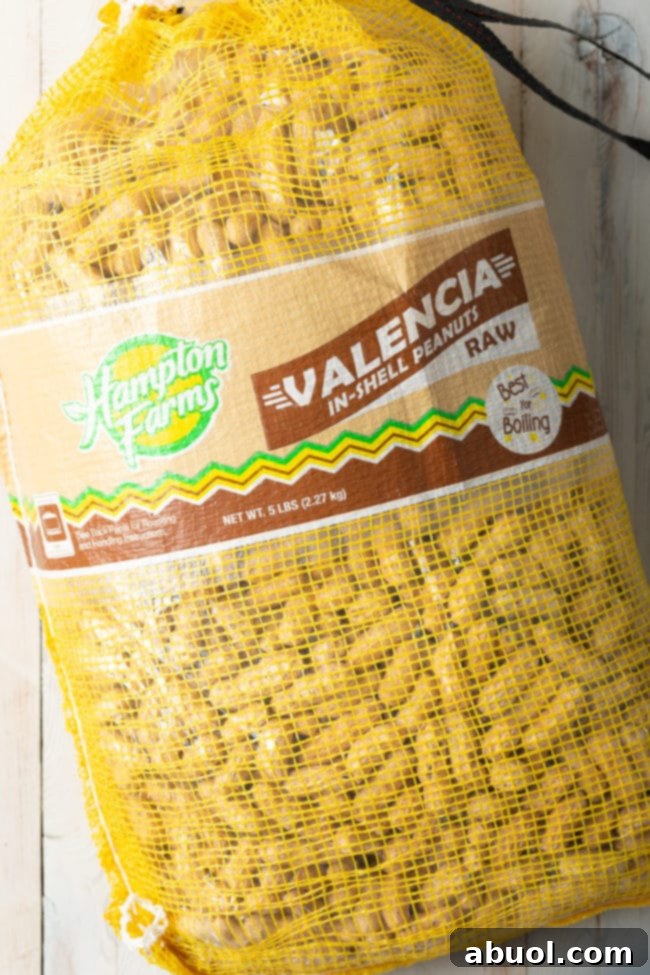
Understanding the Difference: Green Peanuts vs. Raw Peanuts
When preparing boiled peanuts, the type of peanut you choose—either “green” or “raw”—significantly impacts cooking time and storage. Both types will yield delicious, tender boiled peanuts, but understanding their characteristics will help you select the best option for your needs and ensure perfect results.
Green Peanuts: These are freshly harvested peanuts that have not been dried or cured. They are essentially “straight from the farm” and contain a higher moisture content than their raw counterparts.
- Characteristics: Moist, plump, and often still have some soil residue. Their freshness contributes to a slightly sweeter, earthier flavor.
- Cooking Time: Due to their high moisture content, green peanuts cook much faster. This makes them a popular choice for those who want to enjoy boiled peanuts relatively quickly.
- Storage: Green peanuts are highly perishable. They must be refrigerated and ideally cooked within a day or two of purchase to prevent spoilage. Think of them like fresh produce.
- Availability: Primarily available seasonally, usually during the late summer and early fall harvest months, often found at farmers’ markets or specialty Southern grocers.
Raw Peanuts: These are peanuts that have been air-dried and cured after harvest. While still “raw” in the sense that they haven’t been roasted, their moisture content is significantly lower than green peanuts.
- Characteristics: Drier, harder, and have a more concentrated peanut flavor. They are typically cleaner in appearance.
- Cooking Time: Because they are dried, raw peanuts require a longer cooking time—sometimes up to double the time of green peanuts—to rehydrate and become tender.
- Storage: Raw peanuts have a much longer shelf life. They can be stored at room temperature in a cool, dry place for several weeks without spoilage, making them more widely available year-round.
- Availability: Easily found in most grocery stores and online, often in burlap bags or bulk bins.
Is one better than the other? Not inherently. Both green and raw peanuts can be transformed into soft, plump, and incredibly flavorful boiled peanuts using the Instant Pot, Slow Cooker, or stovetop methods. Your choice depends mainly on availability, your desired cooking time, and how long you need to store them before cooking. If you find fresh green peanuts, seize the opportunity! Otherwise, readily available raw peanuts are an excellent choice, just be prepared for a longer cooking process.
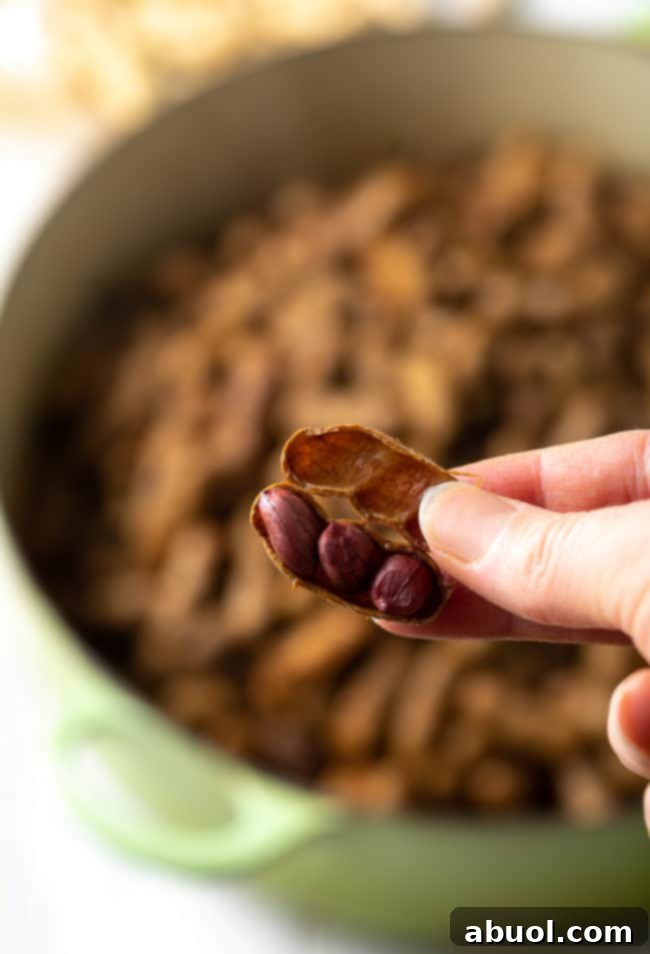
How To Make Cajun Boiled Peanuts – 3 Ways!
Mastering the art of making boiled peanuts is simpler than you might think, especially with these three versatile methods. Each approach offers distinct advantages, allowing you to choose based on your schedule and preferred level of involvement. Below, we’ll outline the general steps for each, but for precise ingredient proportions and a step-by-step video tutorial, be sure to refer to the full printable recipe card at the bottom of this post.
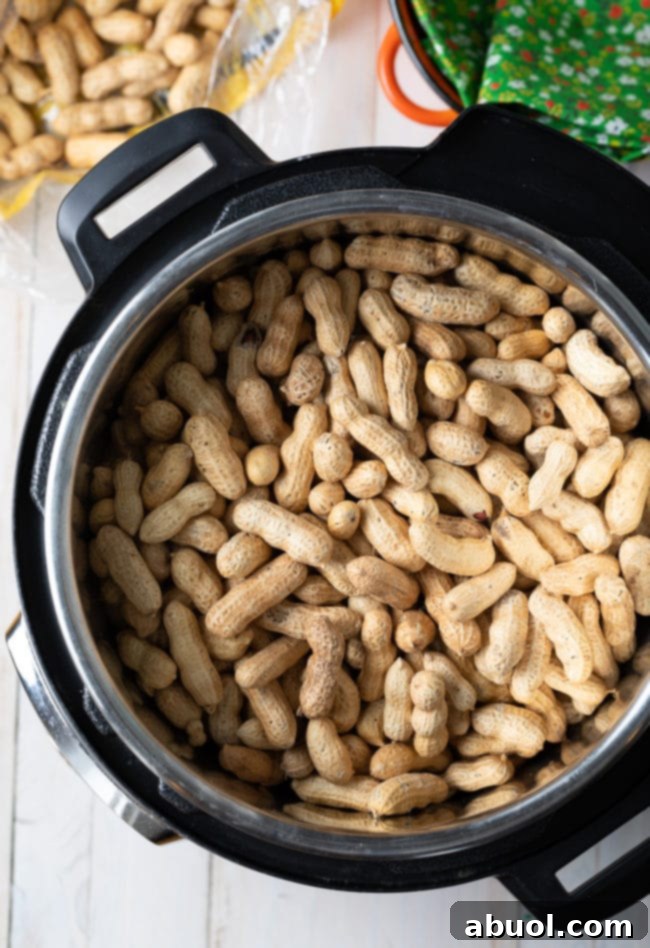
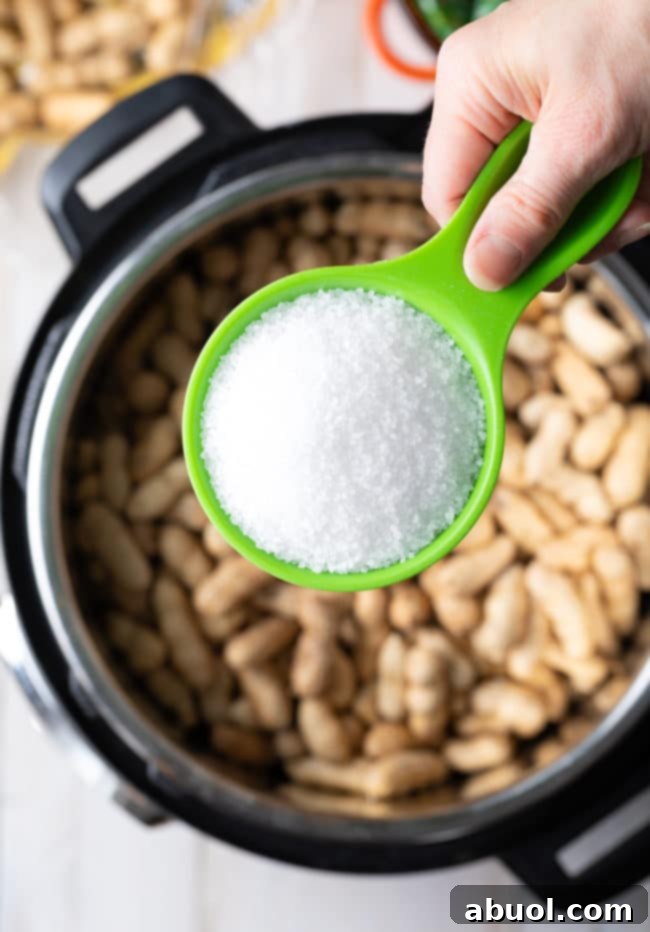
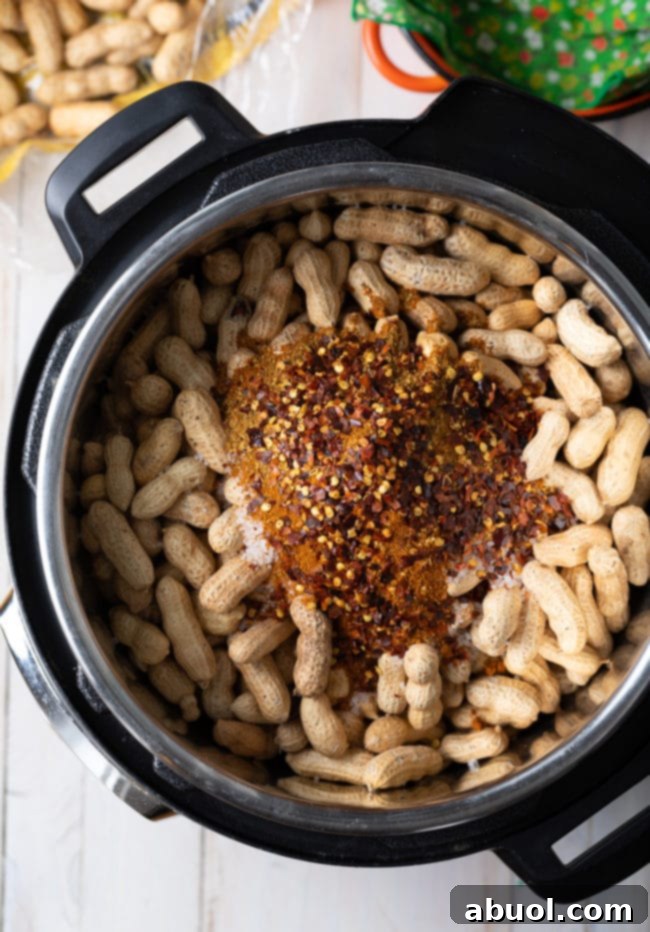
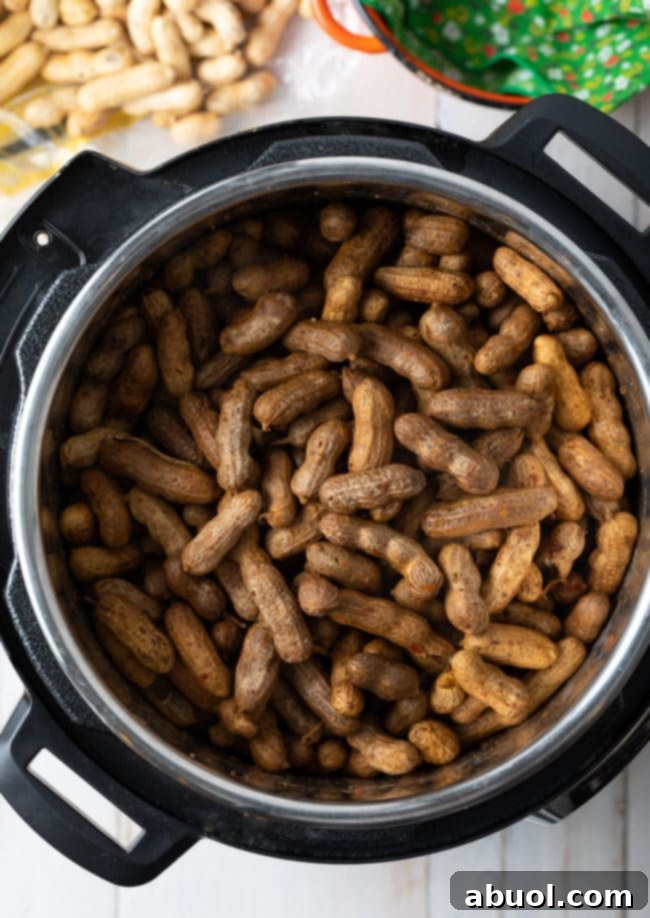
1. Instant Pot Boiled Peanuts (Fastest Method)
The Instant Pot is a game-changer for boiled peanuts, drastically reducing cooking time while still achieving that perfect tender texture. This method is ideal for spontaneous cravings or when you need a batch ready in just over an hour.
- Preparation: Thoroughly wash the peanuts to remove any dirt. Place them in your 6 or 8-quart Instant Pot.
- Seasoning: Add all your chosen spices—kosher salt, Cajun seasoning, crushed red pepper, liquid smoke, and garlic powder—directly over the peanuts.
- Liquid: Pour in enough water to fully submerge the peanuts when gently pressed down. Typically, 4 quarts (1 gallon) is sufficient for 2 pounds of peanuts.
- Cooking: Lock the lid and set the valve to the sealing position. Pressure cook on High for 77 minutes for green peanuts or 93 minutes for raw peanuts.
- Release: Once cooking is complete, allow for a natural pressure release. This is crucial for the peanuts to fully absorb the flavorful brine and achieve ultimate tenderness. Only open the pot once the steam button has fully dropped.
This method provides a tender, flavorful result with minimal active cooking time, making it a fantastic choice for a quick Southern snack.
2. Stovetop Boiled Peanuts (Traditional Method)
The stovetop method is the classic way to make boiled peanuts, offering a comforting aroma that fills your kitchen for hours. It requires more attention to water levels but allows for precise control over the texture.
- Preparation: Clean your peanuts well. Place them in a large 6-8 quart Dutch oven or heavy-bottomed pot.
- Seasoning & Liquid: Add all the spices as listed above, then pour in enough water (4+ quarts) to cover the peanuts completely.
- Boil & Simmer: Cover the pot and bring the mixture to a rolling boil over high heat. Once boiling, stir everything well, then reduce the heat to a gentle simmer. Maintain a steady, low boil.
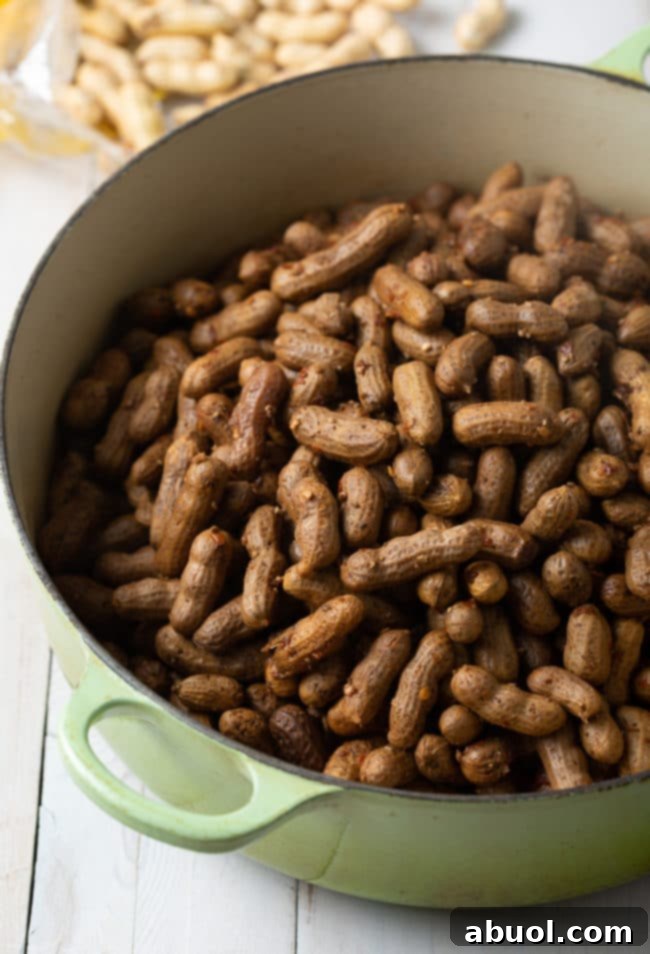
- Cooking: Cover the pot again and simmer for 2-3 hours for green peanuts or 6-8 hours for raw peanuts.
- Maintain Water Level: Crucially, check the water level every hour or so. The peanuts must remain submerged. Add warm tap water as needed to keep them covered, as evaporation will occur.
The stovetop method might be slower, but many believe it yields the most deeply infused and authentic flavor, perfect for a leisurely day at home.
3. Slow Cooker Boiled Peanuts (Effortless Method)
For unparalleled convenience, the slow cooker is your best friend. This method allows you to “set it and forget it,” ideal for overnight cooking or preparing a batch while you’re out and about.
- Preparation: Wash your peanuts thoroughly and transfer them to a large 6-quart or larger slow cooker.
- Seasoning & Liquid: Add all the spices: kosher salt, Cajun seasoning, crushed red pepper, liquid smoke, and garlic powder. Pour in 3-4 quarts of water, ensuring the peanuts are submerged.
- Cooking: Cover the slow cooker and set it to the LOW setting. Cook for an extended period: 22-24 hours for green peanuts or 36-38 hours for raw peanuts.
- Water Check: While less frequent than the stovetop, it’s still good practice to check the water level every 8 hours and add warm water if necessary to keep the peanuts covered.
The slow cooker method results in incredibly tender, deeply flavored peanuts with minimal effort, making it ideal for large batches or continuous snacking.
Expert Tips & Tricks for Perfect Boiled Peanuts
Achieving the perfect batch of boiled peanuts goes beyond just following the steps. Here are some expert tips and tricks to ensure your Cajun Boiled Peanuts are always a resounding success:
- Determining Doneness: The ideal boiled peanut has a soft, plump shell that is easy to crack open under gentle pressure. The kernels inside should be tender and moist, but not mushy. They should resemble the texture of a perfectly cooked chickpea or bean. Taste them periodically throughout the cooking process, especially towards the end of the recommended time, to achieve your preferred level of tenderness. Some prefer them very soft, almost bursting from their shells, while others like a slight chew.
- Embrace the Spice: If you’re a true heat-seeker, don’t hesitate to elevate the spice level. Beyond crushed red pepper, consider adding sliced jalapeños, serrano, or even habanero peppers directly to the cooking liquid. The longer they simmer, the more their heat will infuse the peanuts. Just be cautious and taste test as you go!
- Never Eat Raw Peanuts: This is a crucial safety tip. Raw peanuts must be cooked—either by boiling or roasting—before consumption. This process eliminates any potential bacteria or molds, such as Aspergillus flavus, which can produce harmful toxins. Always ensure your peanuts are thoroughly cooked to a safe, edible state.
- Washing Your Peanuts: Before cooking, give your peanuts a good rinse under cold running water. This helps remove any dirt or debris from the shells, ensuring a cleaner brine and a better tasting snack.
- Keeping Peanuts Submerged: Especially during stovetop or slow cooker methods, it’s vital that the peanuts remain fully submerged in the brining liquid. As they cook, peanuts tend to float. You might need to place a heat-safe plate or a smaller lid directly on top of the peanuts inside the pot to keep them underwater, especially during the initial hours of cooking.
- Flavor Variations: While this recipe focuses on Cajun seasoning, feel free to experiment. Other popular additions include bay leaves, whole peppercorns, smoked paprika, or even a splash of hot sauce for an extra kick. You can also make a simpler version with just salt for a purist’s approach.
- Refrigeration for Optimal Flavor: Boiled peanuts often taste even better the next day after they’ve had more time to soak in the brine. If you can resist, let them sit in their cooking liquid overnight in the refrigerator for an intensified flavor experience.
Serving Suggestions for Cajun Boiled Peanuts
This Cajun Boiled Peanuts recipe is an absolute crowd-pleaser, making it the perfect snack for any casual gathering. Whether it’s a spirited football game viewing party, a lively holiday barbecue, or just a relaxed afternoon with friends, these zesty peanuts will disappear fast! They are fantastic on their own, but pairing them with other Southern-inspired dishes and snacks creates a truly memorable spread. Here are some of our favorite complementary pairings:
- Southern Comeback Sauce and Cajun Fries: The rich, tangy, and slightly spicy comeback sauce is a superb dip for crispy Cajun fries, creating a symphony of flavors that perfectly complements the briny peanuts.
- Hot Shrimp Dip: A creamy, savory, and subtly spicy shrimp dip offers a luxurious contrast to the rustic peanuts, making for an indulgent appetizer duo.
- Fried Green Tomatoes: The crisp, tartness of fried green tomatoes provides a wonderful textural and flavor counterpoint to the soft, savory peanuts.
- Hushpuppies: Fluffy, savory, and often lightly sweetened, hushpuppies are a classic Southern side that pairs beautifully with the spiced peanuts, especially if the hushpuppies have a touch of jalapeño heat.
- Lemon Pepper Wings: The bright, zesty, and peppery flavor of lemon pepper wings offers a refreshing zing that balances the earthy richness of the boiled peanuts, creating a vibrant snack platter.
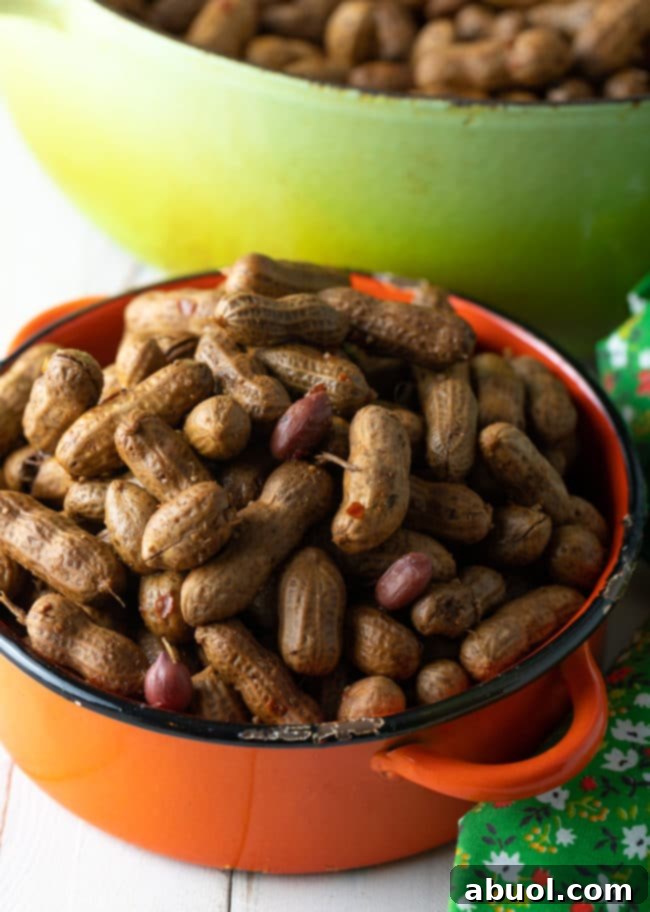
Serve your boiled peanuts warm or at room temperature in a large bowl, perhaps with a smaller bowl for discarded shells. Encourage guests to dig in and enjoy the unique, addictive flavor that has captivated generations across the South.
Frequently Asked Questions About Boiled Peanuts
Boiled peanuts are whole, in-shell raw peanuts that have been simmered in heavily salted water, often with various spices, for an extended period. This cooking method transforms them from a hard, dry legume into a soft, tender, and incredibly flavorful snack. They are a staple in the Southeastern United States, where they are enjoyed for their unique texture and briny taste, which differs significantly from roasted peanuts.
The taste of boiled peanuts is a delightful balance of savory and salty, deeply infused with the flavors of the brine and any added spices (like Cajun seasoning in this recipe). The texture is wonderfully soft and chewy, almost like a cooked bean or chickpea, rather than the firm crunch of roasted peanuts. The level of tenderness is a matter of personal preference; some old-timers prefer them incredibly soft and swollen, where the kernels almost burst from their skins, while others (like me!) enjoy them with a bit more firmness. Experiment with cooking times to find your ideal texture!
No, there’s no need to pre-soak peanuts before boiling them for this recipe. Because the cooking times for all three methods (Instant Pot, stovetop, slow cooker) are quite long, the peanuts will naturally rehydrate and tenderize sufficiently in the cooking liquid. Skipping the pre-soak simplifies the process without compromising the final texture.
While the shells of boiled peanuts are softened, they are generally not eaten. The best way to enjoy boiled peanuts is to gently crack open the softened shell with your fingers (or even your teeth, as many Southerners do!) and then extract and eat the tender kernels inside. The shells serve as a vessel for the brine and a fun part of the eating experience, but they are fibrous and not intended for consumption.
The beauty of homemade boiled peanuts is adjusting them to your perfect texture. If your Instant Pot boiled peanuts aren’t as soft as you’d like after the initial cook, simply add a little more water to ensure they are submerged. Then, cover the pot, lock the lid, and set it to Pressure Cook High for an additional 5-8 minutes. After this second round, perform a quick pressure release. This extra cooking time will help them reach your desired tenderness.
Boiled peanuts can be a relatively healthy snack when consumed in moderation. Peanuts themselves are legumes packed with protein, fiber, and healthy fats. A typical serving (e.g., 1 cup) contains approximately 333 calories, 15 grams of protein, and 11 grams of carbohydrates, along with essential vitamins and minerals. While our recipe includes a significant amount of salt for flavor, if you are concerned about sodium intake, you can adjust the salt level to your preference. Overall, they offer a satisfying and nutritious alternative to many processed snacks.
Yes, naturally, peanuts are gluten-free. This recipe remains gluten-free as long as the Cajun seasoning blend you choose does not contain any hidden gluten ingredients. Always check the label of your seasoning to be certain.
Boiled peanuts are delicious served either warm or at room temperature. Many people enjoy them straight out of the pot, while others prefer to let them cool slightly. They’re versatile enough to be enjoyed either way, making them a convenient snack for any occasion.
For optimal flavor and shelf life, it’s best to store boiled peanuts submerged in their briny cooking liquid. In a sealed container in the refrigerator, they can last for weeks, with their flavor often deepening over time. If you drain off the liquid, they can be refrigerated for up to 2 weeks. You can also freeze boiled peanuts (with or without their liquid) for several months; simply thaw and reheat gently when ready to enjoy.
More Southern Recipe Favorites
If you’ve enjoyed these delectable Cajun Boiled Peanuts, you’re sure to love these other beloved Southern recipes that capture the rich culinary traditions of the region. Explore more flavors that bring warmth and comfort to any table:
Print Recipe
Leave a Review »
Cajun Boiled Peanuts Recipe (3 Ways!)
5 minutes
1 hour 33 minutes
1 hour 38 minutes
Learn how to make zesty and tender Boiled Peanuts using your Crock Pot, Instant Pot, or on the Stovetop! This Cajun-inspired recipe is easy to follow and delivers classic Southern flavor.
8
Video
Click to Watch Recipe Video
Ingredients
- 2 pounds raw peanuts (in shells, or green peanuts)
- 1/3 cup kosher salt
- 3 tablespoons Cajun seasoning (or Creole seasoning)
- 1-3 teaspoons crushed red pepper
- 1 1/2 teaspoons liquid smoke
- 1 teaspoon garlic powder
- 4+ quarts water
Instructions
-
INSTANT POT BOILED PEANUTS: (77-93 Minutes) Place the thoroughly washed peanuts in a 6 or 8-quart Instant Pot. Add the kosher salt, Cajun seasoning, crushed red pepper, liquid smoke, and garlic powder. Pour in at least 4 quarts of water, or enough to completely cover the peanuts when gently pushed down.
-
Secure the lid and set the valve to the sealing position. Select the Pressure Cook High setting for 77 minutes if using green peanuts or 93 minutes if using raw peanuts. Once the cooking cycle is complete, allow for a natural pressure release. This means letting the pressure release on its own until the float valve drops, which is essential for the peanuts to fully absorb the brine. Once safe, open the Instant Pot.
-
STOVETOP BOILED PEANUTS: (2-8 Hours) Place a large 6-8 quart Dutch oven or heavy-bottomed pot over high heat. Add the washed peanuts, kosher salt, Cajun seasoning, crushed red pepper, liquid smoke, and garlic powder. Pour in 4 or more quarts of water, ensuring there’s enough to fully cover the peanuts when they are pushed down.
-
Cover the pot and bring the mixture to a rapid boil. Once boiling vigorously, stir everything well, then reduce the heat to maintain a mild, steady simmer. Re-cover the pot and cook for 2-3 hours for green peanuts or 6-8 hours for raw peanuts. It is important to check the water level every hour and add warm tap water as needed to ensure the peanuts remain submerged throughout the cooking process.
-
CROCK POT BOILED PEANUTS: (22-38 Hours) Set out a large 6-quart or larger slow cooker. Add the washed peanuts, kosher salt, Cajun seasoning, crushed red pepper, liquid smoke, and garlic powder. Pour in 3-4 quarts of water, or enough to completely cover the peanuts when gently pressed down.
-
Cover the crock pot and set it to the LOW setting. Cook for an extended period: 22-24 hours for green peanuts, and 36-38 hours for raw peanuts. While slow cookers lose less water to evaporation, it’s still wise to check the water level every 8 hours or so and add more warm water if necessary to keep the peanuts fully submerged.
Notes
Choosing Your Best Method: All three cooking methods—Instant Pot, stovetop, and slow cooker—yield deliciously zesty and plump boiled peanuts. There isn’t a single “best” method; it truly depends on your time constraints and preference. The Instant Pot is fastest for quick cravings, the stovetop offers a traditional, aromatic experience, and the slow cooker provides unparalleled hands-off convenience, perfect for overnight cooking.
Achieving the Perfect Texture: If you’re new to boiled peanuts, knowing when they’re “done” can be tricky. The ideal texture is soft, tender, and slightly chewy, similar to a perfectly cooked chickpea or black bean. Some connoisseurs prefer them extremely soft, almost mushy, where the kernels are swollen and easily pop from their skins. Others, including myself, enjoy a slightly firmer bite. Don’t be afraid to taste test as they cook past the minimum time to find your personal preference!
Raw vs. Green Peanuts Reminder: Remember that “Raw Peanuts” are dried and cured, requiring longer cooking times, but have a longer shelf life at room temperature. “Green Peanuts” are fresh from the field, are more perishable (requiring refrigeration), but cook much faster. Adjust cooking times according to the type of peanuts you are using, as outlined in the instructions above.
Nutrition
Serving: 1cup,
Calories: 333kcal,
Carbohydrates: 11g,
Protein: 15g,
Fat: 29g,
Saturated Fat: 4g,
Sodium: 4760mg,
Potassium: 491mg,
Fiber: 6g,
Sugar: 1g,
Vitamin A: 1367IU,
Calcium: 83mg,
Iron: 3mg