
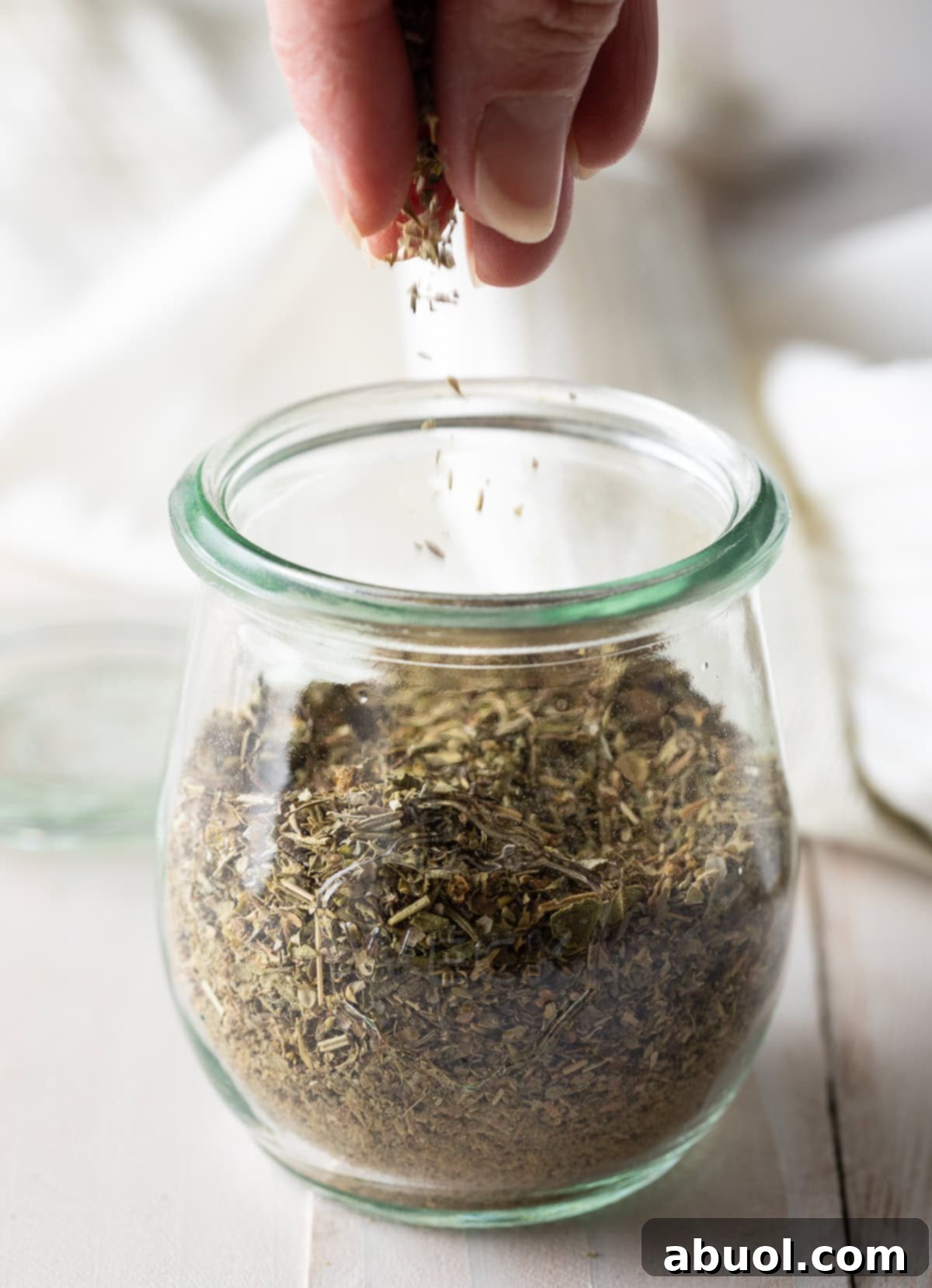
Mastering Homemade Italian Seasoning: Your Ultimate Guide to a Flavorful Kitchen Staple
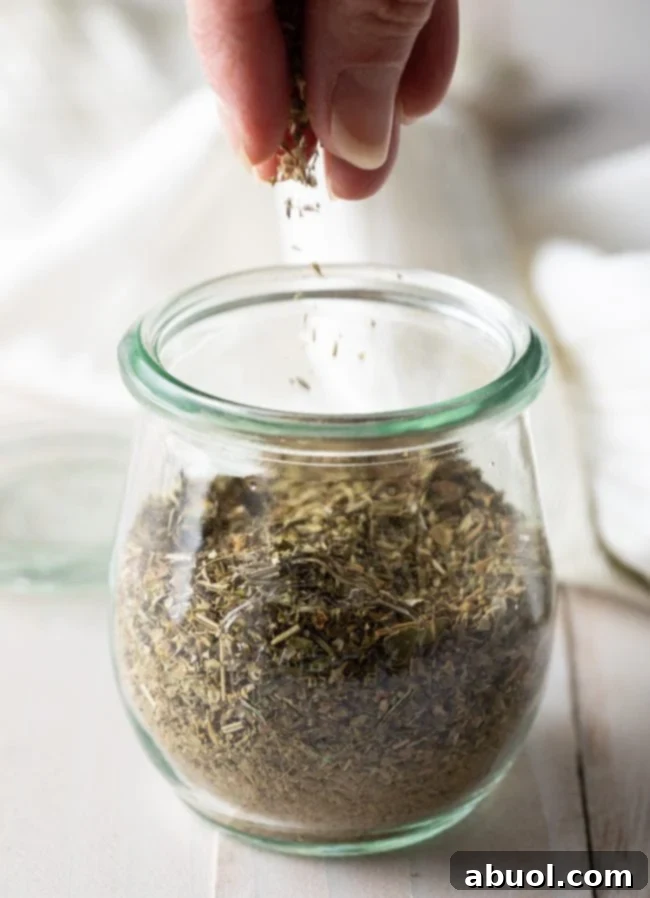

Why Every Kitchen Needs Homemade Italian Seasoning
Italian cuisine holds a special place in the hearts and kitchens of many, offering an irresistible array of dishes from comforting pasta to robust meat and vegetable preparations. The secret to the deep, nuanced flavors that define these beloved meals often lies in a powerful, aromatic blend of dried herbs known as Italian seasoning.
While store-bought Italian seasoning is readily available, crafting your own homemade Italian seasoning blend is a game-changer. Imagine enhancing your favorite Italian-inspired dishes – from rich lasagna and hearty marinara sauces to succulent chicken parmesan and flavorful stuffed shells – with a blend that boasts unparalleled freshness and customizable zest.
This comprehensive guide will show you just how effortlessly you can create your own vibrant Italian seasoning mix from scratch. Using only a handful of common dried herbs and a few minutes of your time, you’ll unlock a world of authentic flavors, allowing you to tailor your blend to perfection. No longer will you find yourself in the middle of preparing a magnificent meal, only to realize your pantry lacks that essential jar of Italian herbs. With this easy “recipe,” you’ll be able to whip up a fresh batch on demand, ensuring your dishes always sing with the taste of Italy.
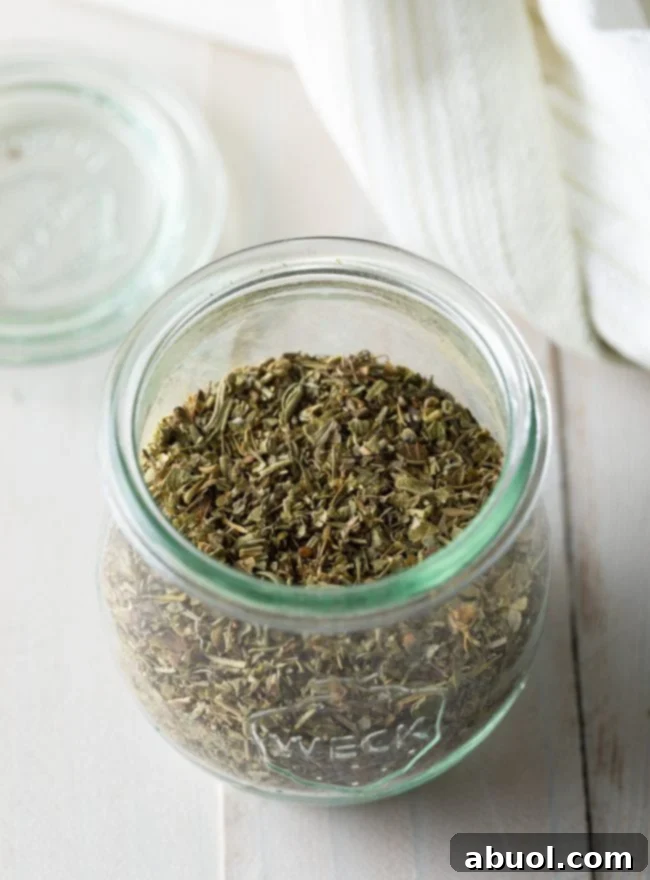
The Essential Herbs: What Goes Into Italian Seasoning?
The foundation of any exceptional Italian seasoning lies in a carefully selected combination of dried herbs, each contributing its unique character to the overall blend. These are the core ingredients you’ll need to create a truly authentic and versatile homemade Italian seasoning recipe:
- Dried Oregano: The quintessential Italian herb, oregano brings an earthy, slightly peppery, and robust flavor that is instantly recognizable. It forms the backbone of the blend, providing a warm and savory depth.
- Dried Marjoram: Often mistaken for oregano, marjoram offers a lighter, sweeter, and subtly floral note. It softens oregano’s intensity, adding a delicate aroma and enhancing the blend’s complexity without overpowering it.
- Dried Basil: Known for its sweet, slightly licorice-like aroma, basil infuses the blend with a delicate and herbaceous sweetness. It’s a fundamental flavor in countless Italian dishes, from pesto to pizza.
- Dried Thyme: With its robust minty, woody, and subtly lemony essence, thyme adds a layer of freshness and a touch of sophistication. Its flavor pairs wonderfully with tomatoes, meats, and vegetables.
- Dried Rosemary: Strong, piney, and slightly peppery, rosemary introduces an aromatic, resinous quality. A little goes a long way, as it provides a distinctive Mediterranean touch, particularly excellent with roasted dishes.
- Dried Sage: Offering vibrant pine and eucalyptus notes, sage adds a warm, savory, and slightly peppery depth. It complements meats, poultry, and root vegetables beautifully, rounding out the herbal profile.
The true beauty of making your own Italian seasoning from scratch lies in the power of customization. You are the chef, and this is your canvas! Feel free to adjust the quantities to create a blend that perfectly suits your taste preferences, emphasizing the herbs you adore and reducing or even omitting those you’re less fond of.
Beyond the core herbs, consider elevating your homemade Italian spice blend with these fantastic additions:
- Crushed Red Pepper: For those who appreciate a hint of heat, a dash of crushed red pepper flakes introduces a delightful warmth and gentle spiciness.
- Garlic Powder: A staple in Italian-inspired cooking, garlic powder provides an undeniable savory depth and aromatic kick, enhancing the overall “Italian” flavor profile.
- Onion Powder: Adding a wonderfully earthy and sharp undertone, onion powder complements the herbal notes and provides a broader savory base.
- Dried Lemon Zest: For bright, citrus-forward dishes, incorporating dried lemon zest can add a refreshing zing. It’s particularly fantastic in lighter pasta sauces, grilled chicken, or soups like Creamy Lemon Chicken Soup.
- Salt and Pepper: While often added separately to dishes, including fine sea salt and freshly ground black pepper in your blend creates a complete, ready-to-use seasoning that’s perfect for quick applications.
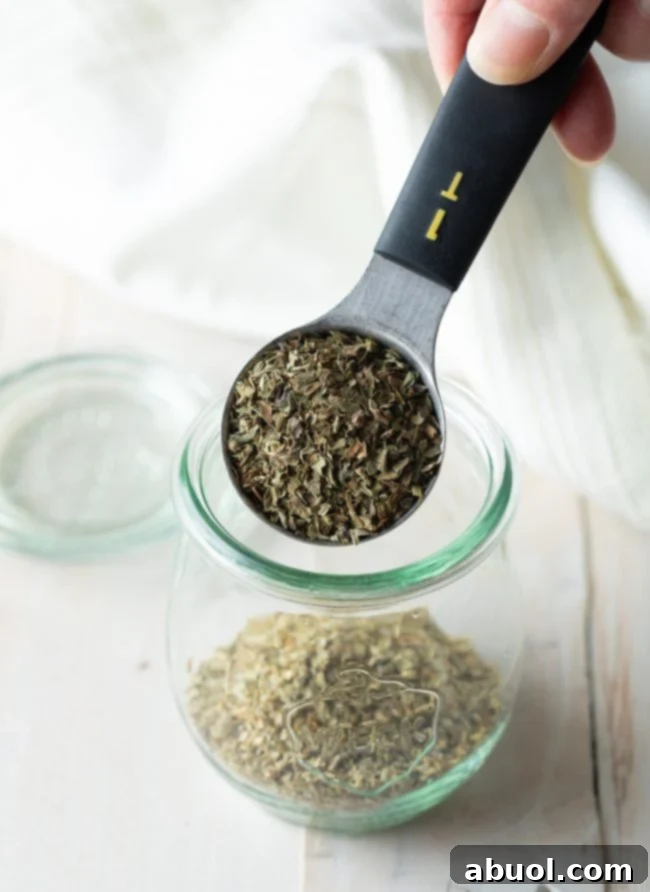
Crafting Your Own: How to Make Italian Seasoning from Scratch
Creating your own dried Italian seasoning blend is remarkably straightforward – truly as easy as 1-2-3! In less than five minutes, you can have a fresh, aromatic mix ready to elevate your culinary creations. Forget about complicated steps or specialized equipment; all you need are your chosen dried herbs and a container for storage.
Simple Steps for a Superb Spice Blend:
- Gather Your Tools: Start by setting out a small bowl, a spice jar, or any airtight container. This will be where you mix and store your fresh seasoning.
- Measure and Combine: Carefully measure all your desired dried herbs according to the recipe or your preferred ratios. Add them directly into your chosen container.
- Mix and Store: Stir the herbs thoroughly to ensure an even distribution of all the flavors. Once mixed, secure the lid on your container and store your homemade Italian spice blend at room temperature in a cool, dark pantry. That’s it – you’re done!
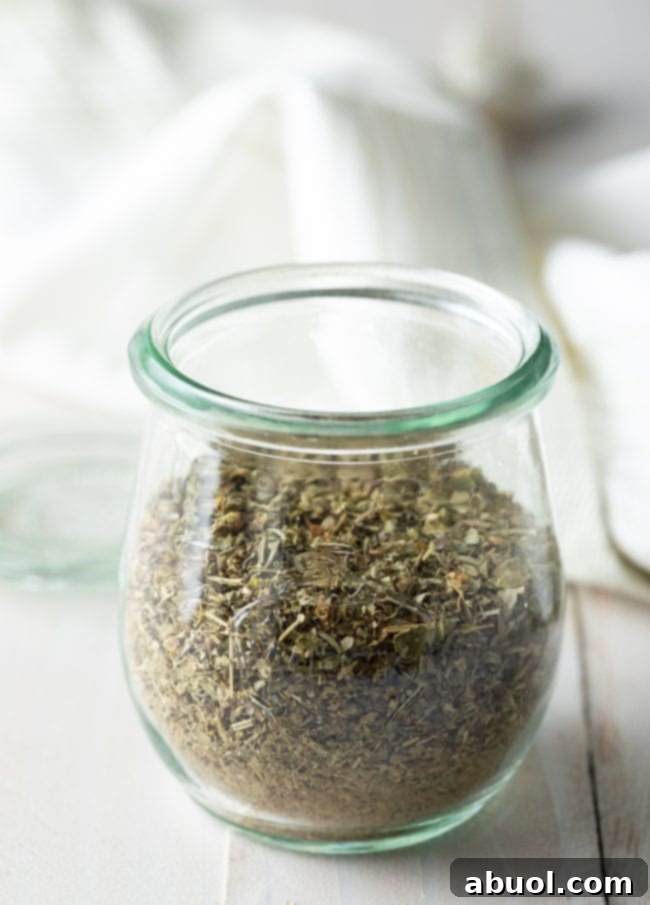
Homemade Italian Seasoning Recipe Card

Print Recipe
Leave a Review »
How to Make Italian Seasoning
Prep Time: 3 minutes
Total Time: 3 minutes
An incredibly easy homemade Italian Seasoning recipe that takes just minutes to prepare. Quickly whip up a batch from scratch and ensure your spice rack is always stocked with fresh, vibrant flavor!
Servings: 6 tablespoons
Video
For a visual guide, check out the recipe video on our website!
Ingredients
US Customary – Metric
- 2 tablespoons dried oregano
- 1 tablespoon dried marjoram
- 1 tablespoon dried basil
- 1 tablespoon dried thyme
- 2 teaspoon dried crushed rosemary
- 1 teaspoon dried sage
Instructions
- Set out a small bowl or jar. Measure and add all the dried herbs into the jar.
- Stir thoroughly to mix all the herbs evenly. Cover with an airtight lid and keep at room temperature.
Notes
For optimal freshness and potency, store your homemade Italian seasoning in an airtight container away from direct sunlight and heat. This herb blend will maintain its quality for as long as any dried herb, provided no moisture is introduced.
Possible Add-Ins for Customization:
- Crushed Red Pepper
- Garlic Powder
- Onion Powder
- Dried Lemon Zest
- Salt
- Pepper
Nutrition
Serving: 1 tablespoon, Calories: 53kcal, Carbohydrates: 13g, Protein: 2g, Fat: 1g, Saturated Fat: 1g, Sodium: 9mg, Potassium: 231mg, Fiber: 8g, Sugar: 1g, Vitamin A: 483IU, Vitamin C: 3mg, Calcium: 365mg, Iron: 14mg
Course: Condiment, Seasoning, Side Dish, Spice
Cuisine: Italian
Author: Sommer Collier
Cook It? Love It? Rate It!
YOU can help this recipe RANK on Google – TAP 5 STARS so other hungry people can find it. Thank you!
Frequently Asked Questions About Homemade Italian Seasoning
When stored properly, your homemade Italian herb blend will last as long as any high-quality dried herb – typically between 1 to 3 years. The key to preserving its potency and flavor is to prevent moisture exposure. Always store your seasonings and spices in an airtight container, ideally in a cool, dry, and dark place away from direct sunlight, heat, and humidity. While they won’t “spoil” in the same way fresh food does, dried herbs gradually lose their flavor and aroma over time, so using them within a year for optimal taste is recommended.
There are numerous compelling reasons to venture into making your own spice blends. Firstly, it offers unparalleled control over the ingredients, ensuring you know exactly what goes into your food, free from anti-caking agents, excessive salt, or other additives often found in commercial blends. Secondly, it guarantees ultimate freshness; dried herbs, when combined fresh, offer a more vibrant and potent flavor than blends that might have sat on a store shelf for an extended period. This freshness translates to richer, more aromatic dishes. Thirdly, it’s incredibly cost-effective. Buying individual dried herbs and blending them yourself is often cheaper in the long run than repeatedly purchasing pre-mixed jars. Finally, and perhaps most importantly, it allows for complete customization. You can adjust the ratios to suit your personal palate, whether you prefer more basil, less rosemary, or a touch of heat. It’s a fantastic way to add your personal signature to every meal.
The versatility of homemade Italian seasoning is truly astounding, making it a must-have in any kitchen. This aromatic blend can elevate a vast array of delicious dishes, extending far beyond traditional pasta sauces. Whenever a recipe calls for dried Italian herbs, this homemade mix is your go-to. Here are some of our absolute favorites, along with a broader range of applications:
- Cheesy Garlic Pull-Apart Bread: Sprinkle generously over buttered dough for an irresistible appetizer.
- Healthy Baked Zucchini Tots: A fantastic addition to vegetable-based sides.
- Magic Vegan Meatballs: Infuse plant-based or traditional meatballs with authentic Italian flavor.
Beyond these, it pairs perfectly with most Italian dishes such as:
- Pizza: Sprinkle on the sauce or crust for an extra layer of flavor.
- Pasta Sauces: A foundational ingredient for marinara, Bolognese, or simple tomato sauces.
- Roasted Vegetables: Toss with potatoes, zucchini, bell peppers, or broccoli before roasting for a savory side.
- Meats: Rub onto chicken, fish, or pork before grilling, baking, or pan-searing.
- Soups and Stews: Add depth to minestrone, vegetable soup, or hearty stews.
- Dressings and Vinaigrettes: Whisk into olive oil and vinegar for a quick, flavorful salad dressing.
- Bread Dipping Oil: Mix with olive oil for a simple yet elegant appetizer.
I genuinely hope you find immense pleasure and culinary success in making and using your very own Italian Seasoning blend from scratch!
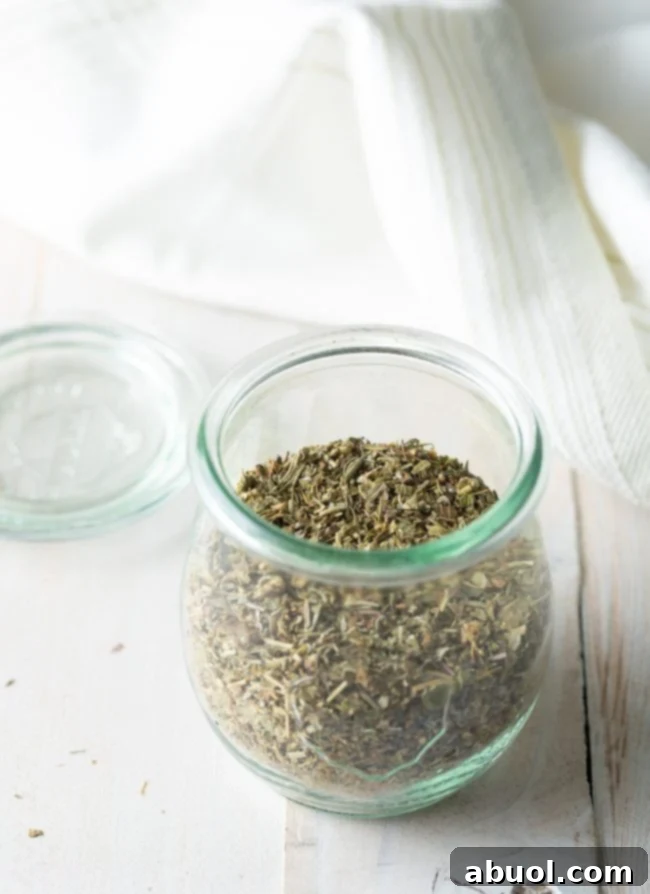
The History and Versatility of Italian Seasoning
While commonly used in American kitchens, it’s interesting to note that “Italian seasoning” as a pre-mixed blend isn’t a traditional staple in Italy itself. Italian cooking historically relies on using fresh herbs, or dried individual herbs, rather than a single all-purpose mix. This particular blend gained popularity in the United States, likely in the mid-20th century, as Italian-American cuisine evolved and home cooks sought convenience without sacrificing flavor. It quickly became a go-to for adding that distinctive Mediterranean taste to a wide variety of dishes, adapting to the pantry needs of American households.
This history highlights the blend’s incredible versatility. It’s not just for pasta! Think about how a sprinkle of this aromatic mix can transform a simple omelet, add depth to a homemade focaccia, or create a flavorful crust on roasted vegetables. Its balanced profile, drawing from the most beloved herbs of Italian culinary tradition, makes it suitable for almost any savory dish that could benefit from an herbal lift. It truly bridges the gap between traditional Italian flavors and modern, convenient home cooking.
Tips for Sourcing Quality Dried Herbs
The quality of your homemade Italian seasoning is directly dependent on the quality of the dried herbs you use. To ensure the most potent and aromatic blend, consider these tips when sourcing your ingredients:
- Buy from Reputable Sources: Purchase dried herbs from stores with high turnover, specialty spice shops, or online retailers known for quality. This increases the likelihood that the herbs are fresh and haven’t been sitting on shelves for too long.
- Check Expiry Dates: Always look for expiration or “best by” dates. While dried herbs don’t spoil, their flavor diminishes significantly over time.
- Aroma Test: If possible, open the container and smell the herbs. They should have a distinct, strong aroma. If an herb smells dusty or has very little scent, it’s likely past its prime.
- Whole vs. Ground: For maximum freshness, consider buying whole dried herbs (like whole oregano leaves or rosemary needles) and gently crushing or grinding them just before mixing. This releases more volatile oils, resulting in a more flavorful blend.
- Store Properly Before Mixing: Keep individual dried herbs in airtight containers, away from light and heat, until you’re ready to create your blend. This preserves their individual potency.
Common Mistakes to Avoid When Making and Using Italian Seasoning
Even with a simple recipe, a few common pitfalls can diminish the quality and effectiveness of your homemade Italian seasoning. Being aware of these can help you achieve the best results:
- Using Old, Stale Herbs: As mentioned, dried herbs lose potency over time. Using herbs that have been in your pantry for years will result in a bland seasoning. Regularly check your spice rack and replace old herbs.
- Improper Storage: Exposure to air, light, heat, and moisture are the enemies of dried herbs. Storing your blend in a non-airtight container, near the stove, or in direct sunlight will drastically shorten its lifespan and flavor.
- Over-Grinding: If you choose to grind your herbs, be careful not to over-process them into a fine powder unless specifically desired. A coarser blend can offer more texture and a slow release of flavor in cooking.
- Not Mixing Thoroughly: An uneven blend means you might get too much of one herb in one dish and not enough in another. Ensure a very thorough mix when first preparing the seasoning.
- Adding Salt/Pepper Too Early (if not desired): While adding salt and pepper to the blend can be convenient, remember that different recipes require different levels of seasoning. If your blend is pre-salted, you have less control over the final sodium content of your dish. Consider adding these separately unless you intend for a complete “ready-to-go” seasoning.
Looking for More Homemade Seasoning Blend & Condiment Recipes?
If you’ve enjoyed the ease and flavor of crafting your own Italian seasoning, you’ll love exploring other homemade blends and condiments! Elevate your cooking even further by taking control of these kitchen staples: