
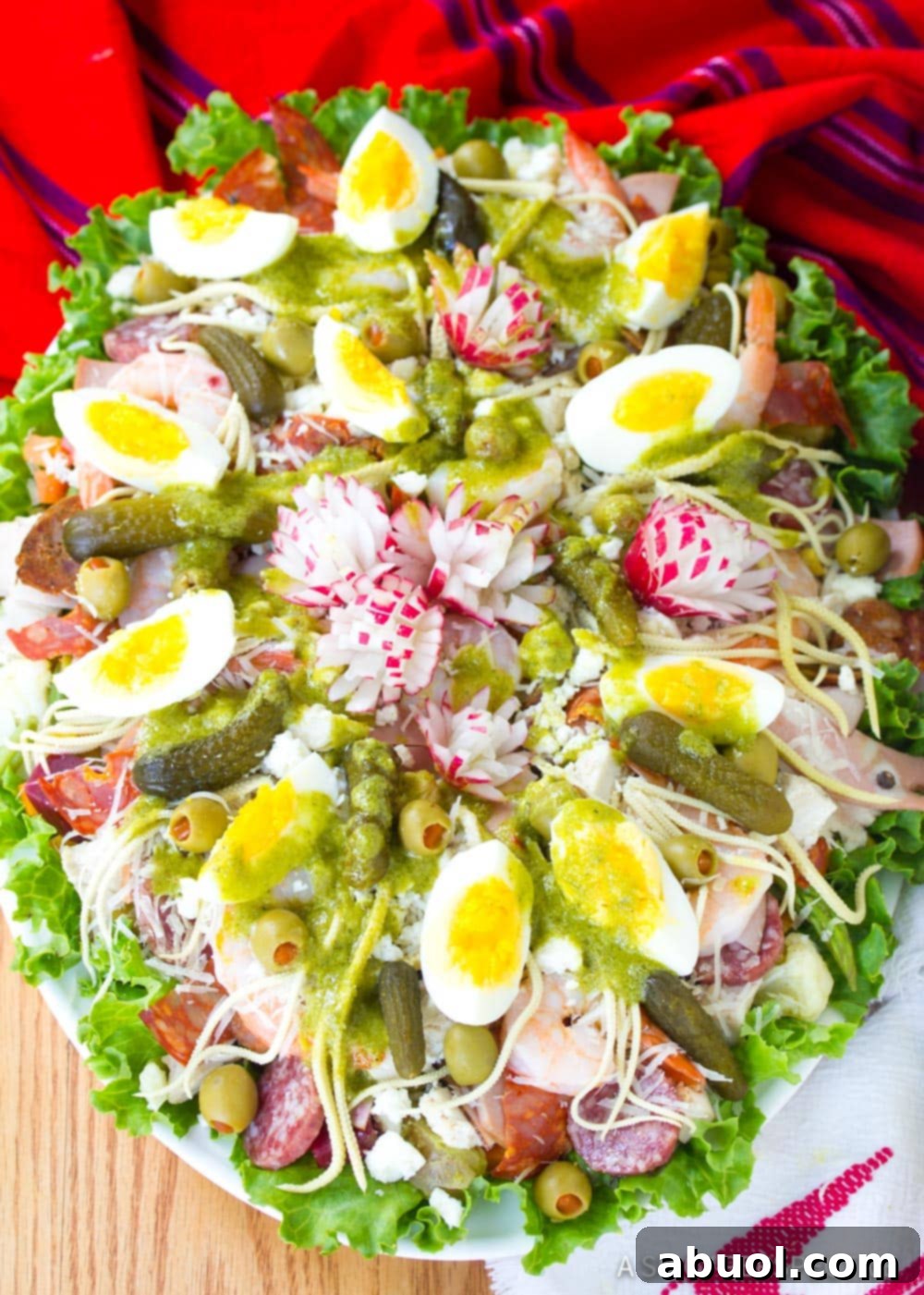
Prepare to embark on a culinary journey to the heart of Central America with the **Authentic Guatemalan Fiambre Salad Recipe**. More than just a meal, Fiambre is a vibrant celebration of culture, family, and remembrance, traditionally served on All Saints’ Day (Día de Todos los Santos). This extraordinary salad, brimming with an impressive array of ingredients, stands as a testament to Guatemala’s rich gastronomic heritage, bringing together loved ones to honor the past and savor the present.
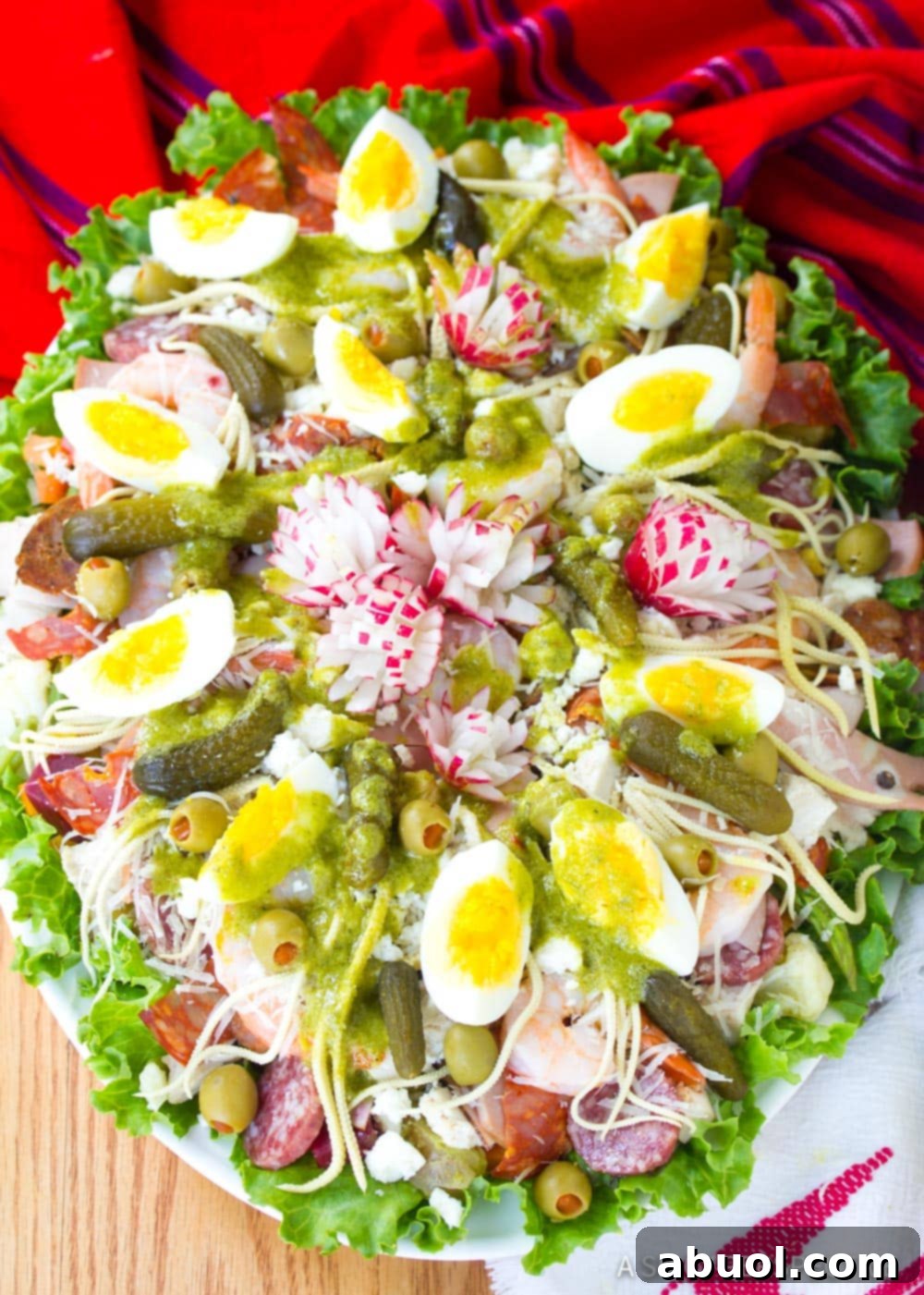
The Heart of Guatemalan Tradition: Why Fiambre is So Special
Fiambre is not merely a dish; it’s a profound cultural expression deeply ingrained in the Guatemalan identity. Enjoyed annually on November 1st, coinciding with All Saints’ Day, it embodies a unique blend of indigenous traditions and Spanish colonial influences. This “mother of all salads” offers an unparalleled smorgasbord of flavors and textures, meticulously composed of an extensive selection of vegetables, various meats, an assortment of cheeses, and an array of pickled relishes.
The name “Fiambre” itself derives from the Spanish word for “cold cuts,” aptly describing how this magnificent salad is served—chilled and ready to be enjoyed. Its preparation is a labor of love, a multi-generational family affair that often spans several days. Each family holds its cherished recipe, passed down through generations, evolving slightly over time while preserving the core essence of the tradition. This ensures that no two Fiambre recipes are exactly alike, making each rendition as varied and diverse as the beautiful Guatemalan people themselves.
Preparing Fiambre is a ritual that transcends simple cooking. It’s a heartfelt act of remembering loved ones who have passed, bringing together families to share stories, laughter, and the foods their ancestors once enjoyed. The communal effort involved in gathering ingredients, cooking, chopping, and assembling fosters a powerful sense of unity and connection, reinforcing familial bonds and keeping cultural heritage alive.
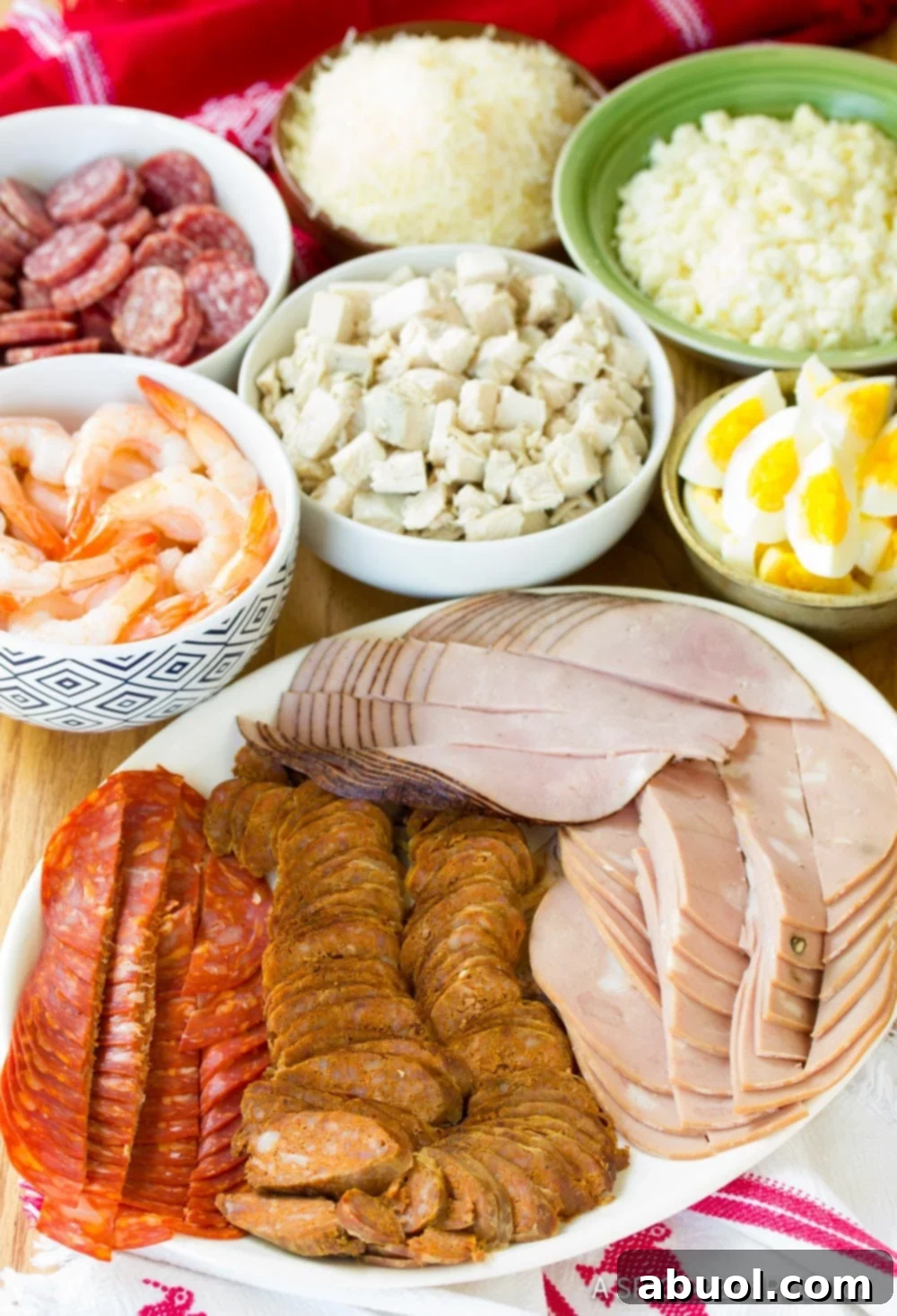
A truly traditional Guatemalan Fiambre can boast anywhere from fifty to over one hundred different ingredients, reflecting the country’s agricultural bounty and diverse culinary influences. The sheer scale of ingredients and the intricate preparation steps mean it can take days to achieve perfection. From sourcing exotic vegetables and premium meats to carefully grilling, boiling, pickling, and finely chopping each component, every step is executed with precision and care. This is a task not taken lightly, but undertaken with immense pride and devotion.
Exploring the Varieties of Guatemalan Fiambre
While the core concept remains the same, Fiambre manifests in several distinct styles, each offering a unique flavor profile and aesthetic. Understanding these variations adds another layer to appreciating this magnificent dish:
- **Fiambre Blanco (White Fiambre):** This version typically features a clear broth or a light, subtly acidic dressing, allowing the natural colors of the vegetables and meats to shine through. It often emphasizes milder flavors and a less vibrant visual presentation compared to its red counterpart.
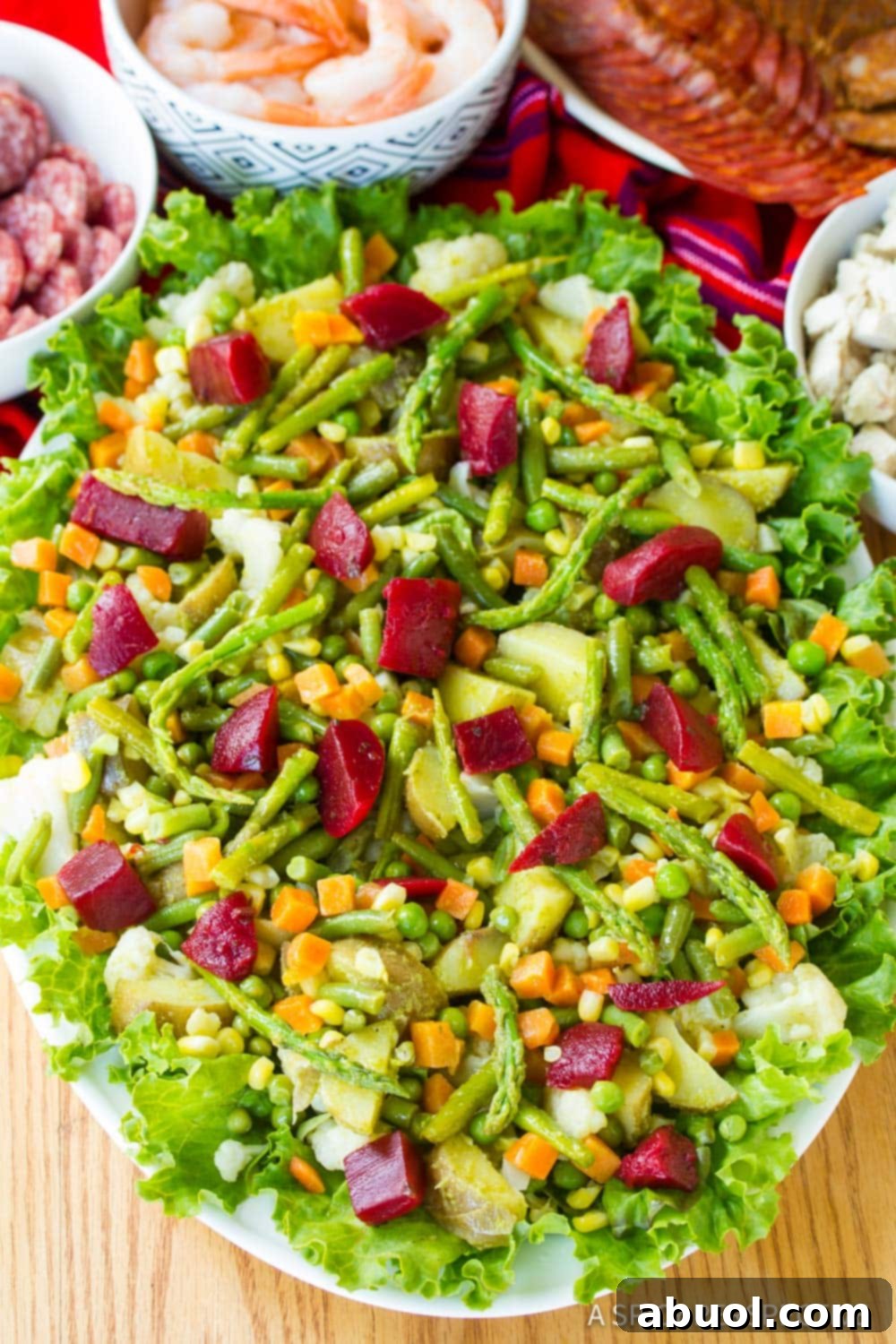
- **Fiambre Rojo (Red Fiambre):** Perhaps the most iconic and visually striking variant, Fiambre Rojo gets its distinctive reddish hue from roasted beets, which are finely diced and incorporated into the dressing or directly into the salad. The beets impart a slightly sweet and earthy flavor, adding depth to the overall profile.
- **Fiambre Descompuesto (Deconstructed Fiambre):** This style presents all the individual ingredients separately on a platter, allowing each diner to assemble their own personalized salad. It offers a more interactive and customizable experience, perfect for those who enjoy curating their perfect bite.
The recipe provided here is a **simplified version** designed for home cooks. While it still encompasses a generous selection of ingredients, it is intentionally less daunting than the most elaborate traditional renditions. The beauty of Fiambre lies in its adaptability; feel free to add, omit, or substitute ingredients to truly make it your own. It’s an invitation to customize and innovate while honoring the spirit of this cherished Guatemalan tradition.
Unveiling the Rich Tapestry of Fiambre Ingredients
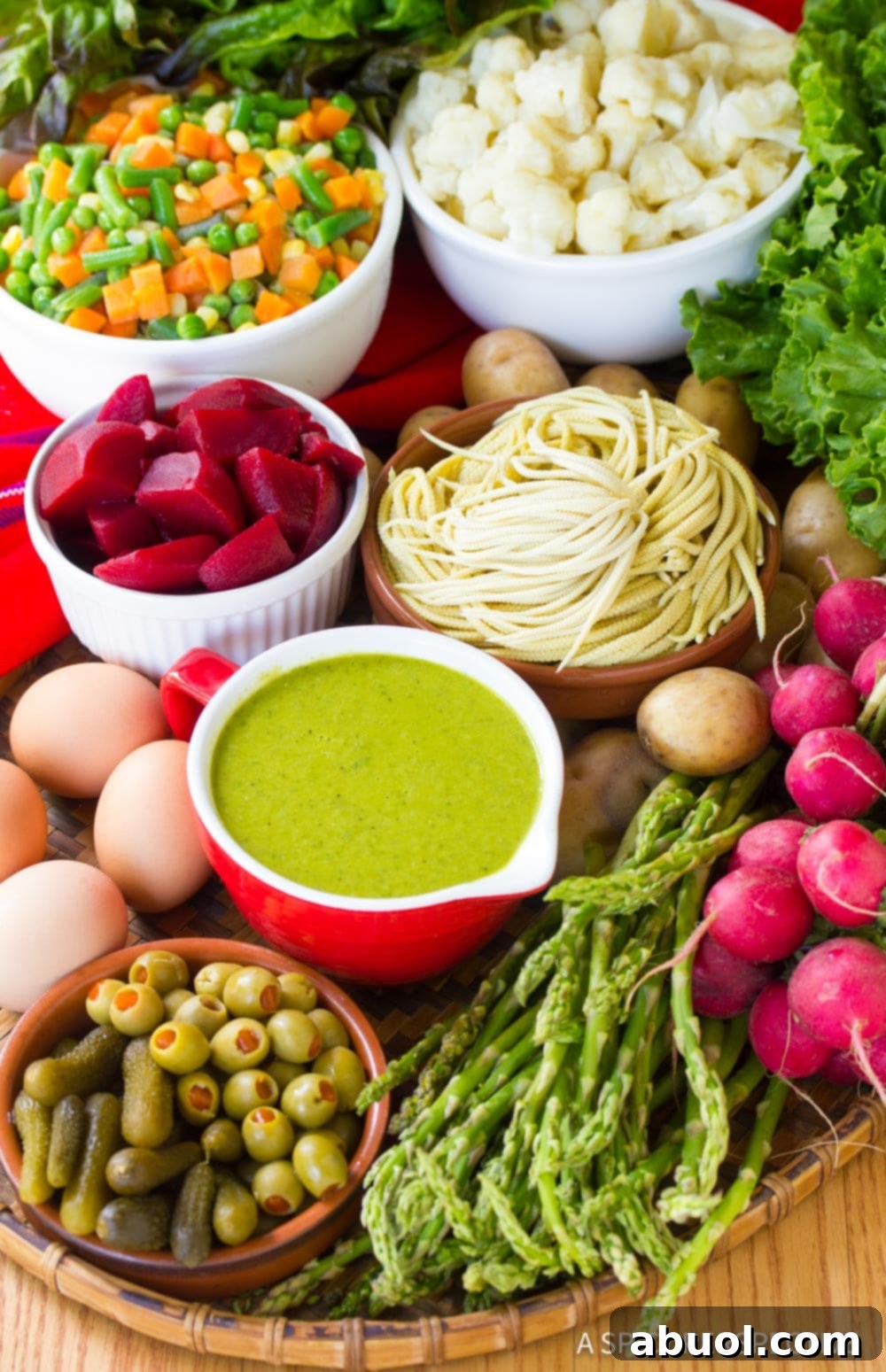
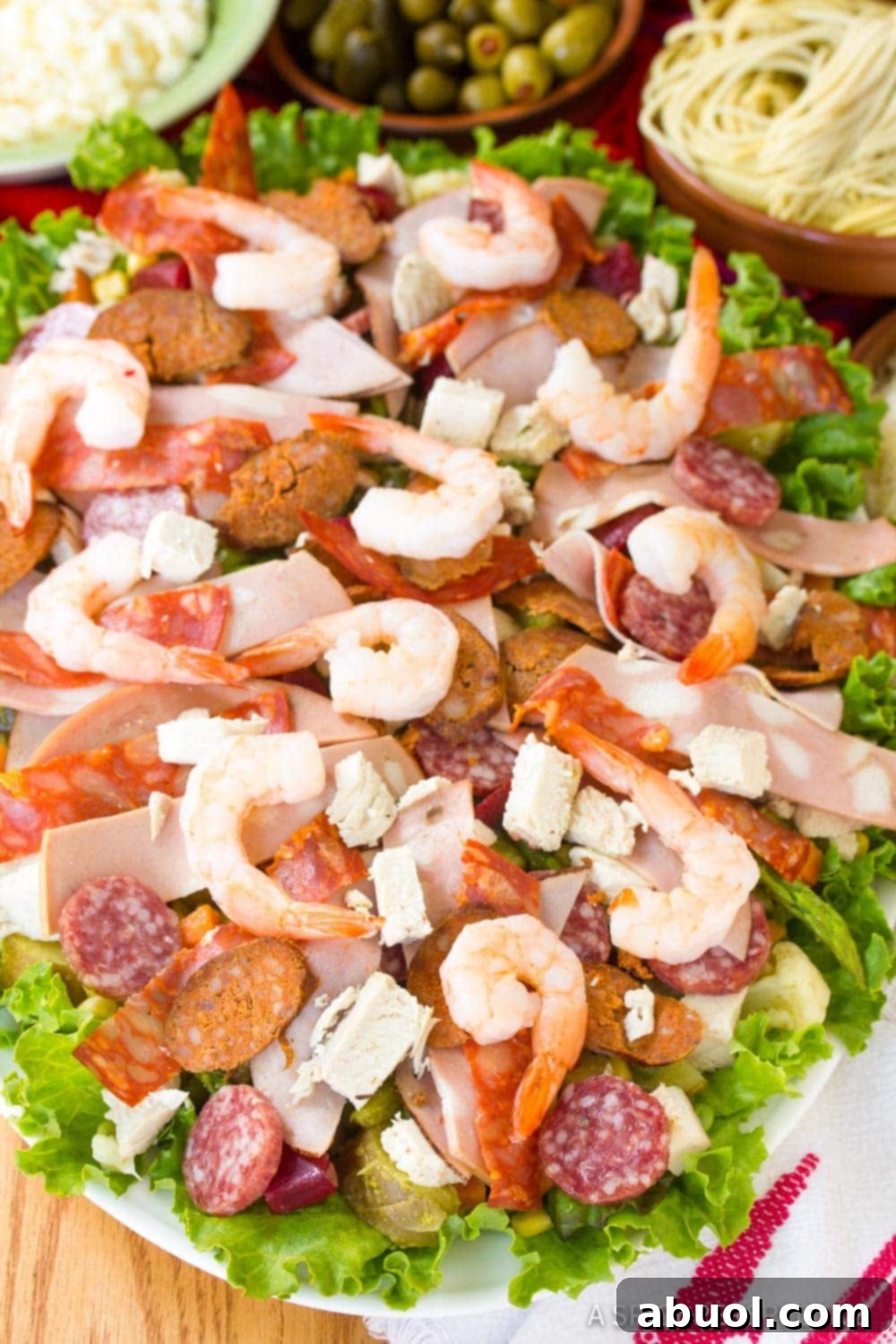
The vast array of ingredients in Fiambre reflects Guatemala’s diverse culinary landscape, showcasing influences from indigenous cooking, Spanish traditions, and even broader European flavors. While some highly traditional ingredients, such as specific local herbs or certain types of artisanal sausages, might be a delightful challenge to find outside of Guatemala, this recipe focuses on components that are generally accessible while still capturing the authentic essence of the dish.
The preparation of the ingredients is as important as their selection. Meats are typically cooked, meticulously sliced, and then chilled to be served cold-cut style. Vegetables are traditionally cooked separately to preserve their individual textures and flavors, then chilled and often marinated ahead of time in the dressing. To streamline your cooking process, many vegetables can be blanched in a single pot of boiling water, respecting their individual cooking times to ensure perfect al dente tenderness.
You’ll discover a fascinating interplay of cultures within the ingredient list – from the rich, spicy notes of longaniza sausage and Spanish olives, echoing colonial influences, to the delicate pacaya palm flowers, a unique indigenous Guatemalan delicacy. This blend of ingredients tells a story of history and fusion on a single platter.
A vibrant, fresh chimichurri-style dressing/marinade is key to bringing all these disparate elements together. Its tangy, herbaceous notes beautifully complement every ingredient, enhancing their individual flavors and unifying them into a harmonious whole. Even with this simplified version, expect to dedicate a good amount of time to the boiling, chopping, and prepping of all the various accouterments. But once this meticulous preparation is complete, the true fun begins: assembling your magnificent culinary masterpiece!
Ingredients for the Dressing and Marinade:
- Parsley
- White vinegar or champagne vinegar
- Capers
- Dijon mustard
- Green onions
- Garlic
- Fresh ginger
- Honey (optional, to balance flavors if needed)
- Salt and ground black pepper
- Olive oil
Ingredients for the Salad:
- Chicken breast
- Shrimp
- Spanish chorizo (cooked and uncured)
- Longaniza sausage or linguica sausage
- Salami
- Ham
- Mortadella
- Queso fresco
- Parmesan cheese (or traditional Zacapa cheese, if available)
- Red leaf lettuce
- Green leaf lettuce
- Small golden potatoes
- Cauliflower
- Asparagus (or Brussels sprouts for a heartier alternative)
- Frozen mixed vegetables (carrots, corn, peas, and green beans)
- Pickled beets
- Hard-boiled eggs
- Radishes
- Spanish olives (green olives)
- Mini gherkins
- Pacayas (palm flowers, a distinctive Guatemalan ingredient)
- Bay leaf
- Dried thyme
Pro Tip: Don’t be discouraged if some ingredients are hard to find. The essence of Fiambre is its bounty and flexibility. Excellent substitutions can include shredded cabbage, chickpeas, various beans (red, white, fava, black), black olives, sardines, baby corn, or even diced hot dogs for a truly rustic approach. The spirit of the dish allows for creative adaptation!
Tips & Tricks for Perfecting Your Fiambre
Crafting Fiambre is an art form, but also an exercise in personal preference. Here are some pointers to ensure your salad is a resounding success:
- **Customize to Your Heart’s Content:** The beauty of Fiambre truly lies in its incredible flexibility. Don’t feel constrained by the ingredient list. If you’re not a fan of shrimp, simply omit it. Conversely, if you adore a particular ingredient, feel free to add more. This is your canvas to create a salad that delights your palate and reflects your family’s tastes.
- **Embrace the Tradition, Any Time of Year:** While traditionally served on Día de Todos los Santos (November 1) and Día de los Muertos (November 2), this magnificent, flavor-packed salad is versatile enough to be a show-stopping centerpiece for any gathering throughout the year. Its hearty nature and array of flavors make it ideal for picnics, potlucks, or any occasion where you want to impress with a truly unique dish.
- **Preparation is Key:** Given the number of components, planning is essential. Prepare components like cooked meats, boiled vegetables, and the dressing a day in advance. This allows flavors to meld beautifully and significantly reduces stress on serving day. Fiambre actually tastes even better after a day or two in the refrigerator, as the dressing has more time to infuse all the ingredients.
- **Presentation Matters:** The visual appeal of Fiambre is almost as important as its taste. Arrange your ingredients meticulously on a large platter, creating layers of contrasting colors and textures. This grand presentation is part of the tradition and truly showcases the effort and love put into the dish.
- **The Dressing is Crucial:** The chimichurri-style dressing acts as the soul of the Fiambre, binding all the diverse ingredients. Don’t skimp on quality ingredients for your dressing, as it will elevate the entire salad. Taste and adjust seasonings – especially salt, pepper, and honey – to achieve a perfect balance of acidity, sweetness, and savoriness.
- **Source Locally When Possible:** While some ingredients are exotic, try to source fresh, high-quality local produce for your vegetables. This will ensure the best possible flavor and texture for your salad.
With these tips, you’re well on your way to creating a Fiambre that is both authentic in spirit and perfectly tailored to your preferences, bringing a taste of Guatemalan tradition to your table.
Guatemalan Fiambre Salad
Authentic Guatemalan Fiambre Salad Recipe – A traditional dish served on All Saint’s Day (Día de Todos los Santos) piled high with family favorite ingredients!
Prep Time: 1 hour
Cook Time: 35 minutes
Total Time: 1 hour 35 minutes
Servings: 12
Cuisine: Guatemalan
Course: Main Course, Salad
Author: Sommer Collier
Ingredients
For the Dressing/Marinade:
- ¾ cup chopped parsley
- ½ cup white vinegar or champagne vinegar
- 2 tablespoons capers
- 1 tablespoon Dijon mustard
- 6 green onions, chopped
- 1 clove garlic
- 1 piece fresh ginger (1 inch) peeled and chopped
- 1 tablespoon honey, if needed
- ½ teaspoon salt
- ¼ teaspoon ground black pepper
- 1 cup olive oil
For the Salad:
- 1 pound chicken breast, poached and cut into bite-sized pieces
- 1 pound medium shrimp, cooked
- 3 ounces Spanish chorizo (cooked and uncured) sliced into strips
- 8 ounces longaniza sausage or linguica sausage, cooked and sliced
- 3 ounces salami, sliced
- 4 ounces ham, sliced into strips
- 4 ounces mortadella, cut into strips
- 1 small round of queso fresco, crumbled
- ½ pound Parmesan cheese or zacapa, shredded
- 1 head red leaf lettuce
- 1 head green leaf lettuce
- 1 pound small golden potatoes, cut into bite-sized pieces
- 1 head cauliflower, cut into florets
- ½ pound asparagus, cut into 1- to 2-inch pieces
- 1 pound frozen mixed vegetables (carrots, corn, peas, and green beans)
- 12 ounces pickled beets, drained
- 4 hard-boiled eggs, sliced or wedged
- 5 radishes, cut decoratively for garnish
- 3 ounces Spanish olives
- 3 ounces mini gherkins
- 2-3 pacayas, cut into pieces
- 1 bay leaf
- 1 teaspoon dried thyme
Instructions
- Set a large pot of water over high heat and add 2 teaspoons of salt. Once boiling, poach the chicken with a bay leaf and thyme until cooked through, about 15 minutes. Meanwhile, prepare any other meats that need cooking or slicing (e.g., chorizo, longaniza). Chill all meats thoroughly.
- Refill the pot of water and add more salt. Bring it to a boil. Cut the potatoes into bite-sized pieces and boil for 10-12 minutes. Then add in the cauliflower florets and boil for another 3 minutes. Finally, toss in the asparagus and frozen vegetables. Simmer for an additional 1-2 minutes. Drain all vegetables immediately and chill them. Prepare all remaining raw vegetables (e.g., radishes, lettuce).
- In a blender, puree all dressing ingredients except the olive oil until smooth. With the blender still running, slowly drizzle in the olive oil until the mixture is fully emulsified and creamy.
- (Optional) For deeper flavor, marinate any cooked meats or vegetables in about 1 cup of the prepared dressing for a minimum of 30 minutes in the refrigerator. After marinating, remove the ingredients and retain the dressing for the final salad assembly.
- On a large serving platter, arrange the lettuce leaves as a base. Begin building the salad by placing half of the prepared meats, cheeses, and vegetables over the lettuce. Repeat with a second layer, ensuring a beautiful distribution of ingredients.
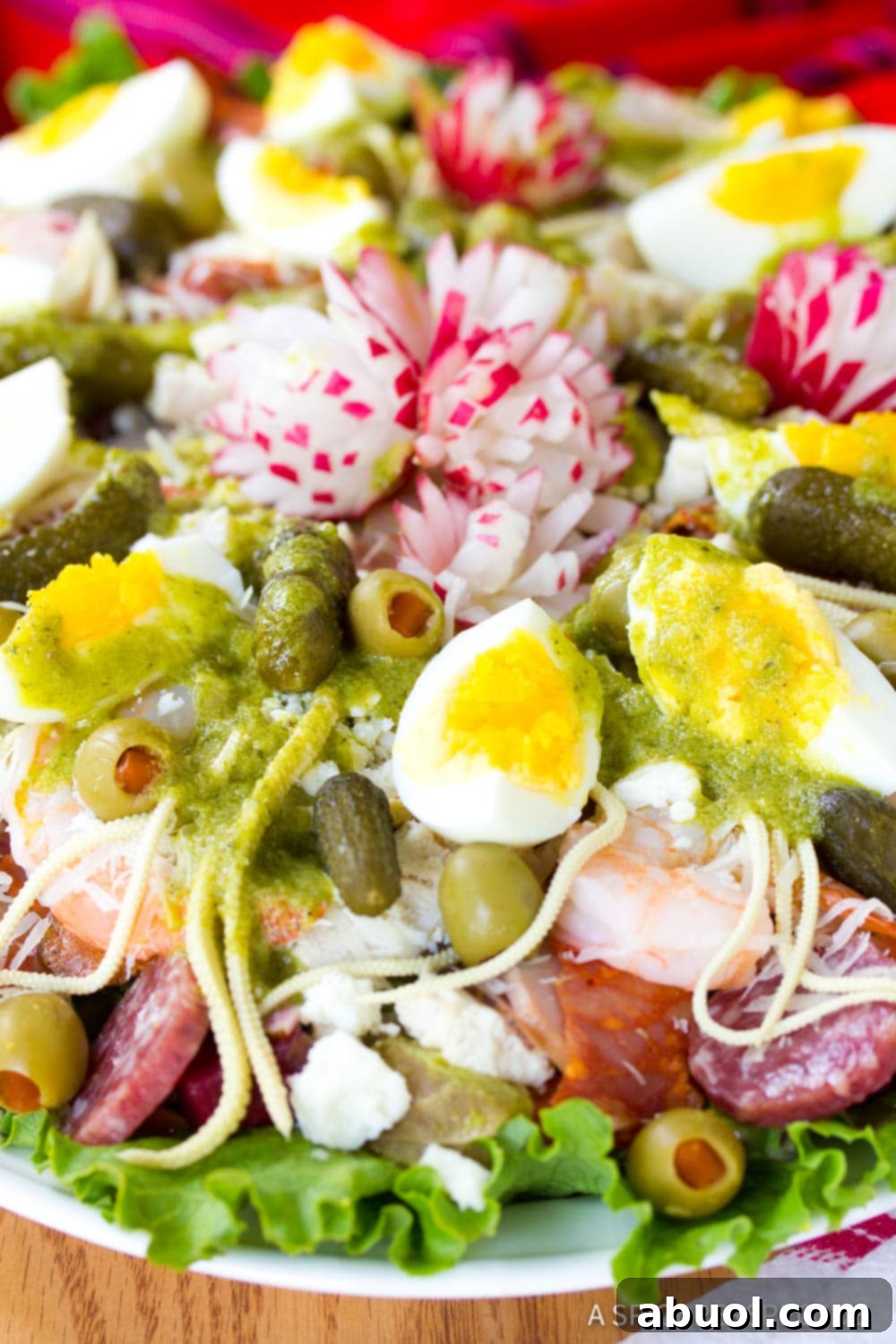
- Garnish the top layer elaborately with mini gherkins, Spanish olives, decoratively cut radishes, sliced hard-boiled eggs, and the unique pacaya pieces. Drizzle generously with the remaining dressing just before serving.
Notes
This traditional salad blend is designed to be elaborate for celebrations. However, you have complete freedom to omit any ingredient you prefer or simplify it further to suit your taste and availability of items. The key is to enjoy the process and the delicious outcome!
Nutrition
Serving: 2 cups
- Calories: 475kcal
- Carbohydrates: 20g
- Protein: 40g
- Fat: 25g
- Saturated Fat: 9g
- Cholesterol: 233mg
- Sodium: 1805mg
- Potassium: 925mg
- Fiber: 5g
- Sugar: 5g
- Vitamin A: 6965IU
- Vitamin C: 45.8mg
- Calcium: 351mg
- Iron: 5.9mg
Looking for More Salad Recipes? Be Sure to Also Try:
- Israeli Salad
- Brazilian Chopped Salad
- 15 Bean Salad
- Spicy Kani Salad
- Dorito Taco Salad
- Zesty Chimichurri Tomato Salad