
Irresistibly Moist Lemon Buttermilk Cake: A Southern Classic

Sommer’s Recipe Insights: The Allure of Southern Baking
Before moving to the South, I genuinely didn’t grasp the distinct magic of a truly Southern cake. It wasn’t until I experienced North Carolina’s baking traditions that I tasted what I now consider a truly mind-blowing cake. This isn’t just about flavor; it’s an entire experience defined by texture, profound moistness, and a perfectly balanced sweetness that sets it apart from all other cakes.
For those unfamiliar with the regional nuances, a “Southern cake” isn’t tied to a specific ingredient or a singular flavor profile. Instead, its identity lies in an unparalleled tenderness, an incredible moistness that lingers with every bite, and a level of sweetness that feels indulgent without being cloying. It’s a sensory journey that transforms a simple dessert into a memorable occasion.
Why This Lemon Buttermilk Cake Will Be Your New Favorite
Having enjoyed countless cakes throughout my life, this Lemon Buttermilk Cake undeniably checks every box for perfection, and then some. It embodies all the revered qualities of a classic Southern dessert:
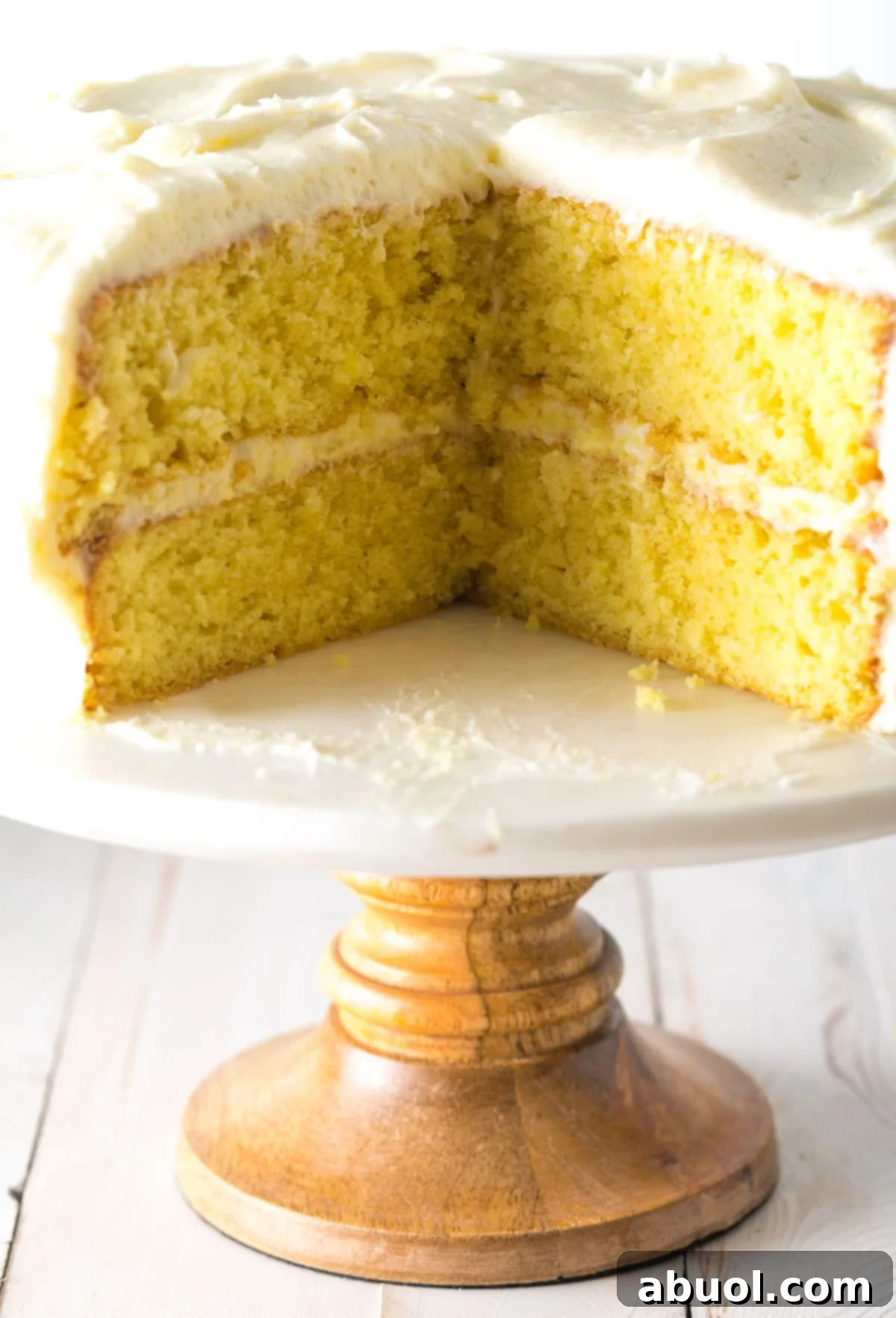
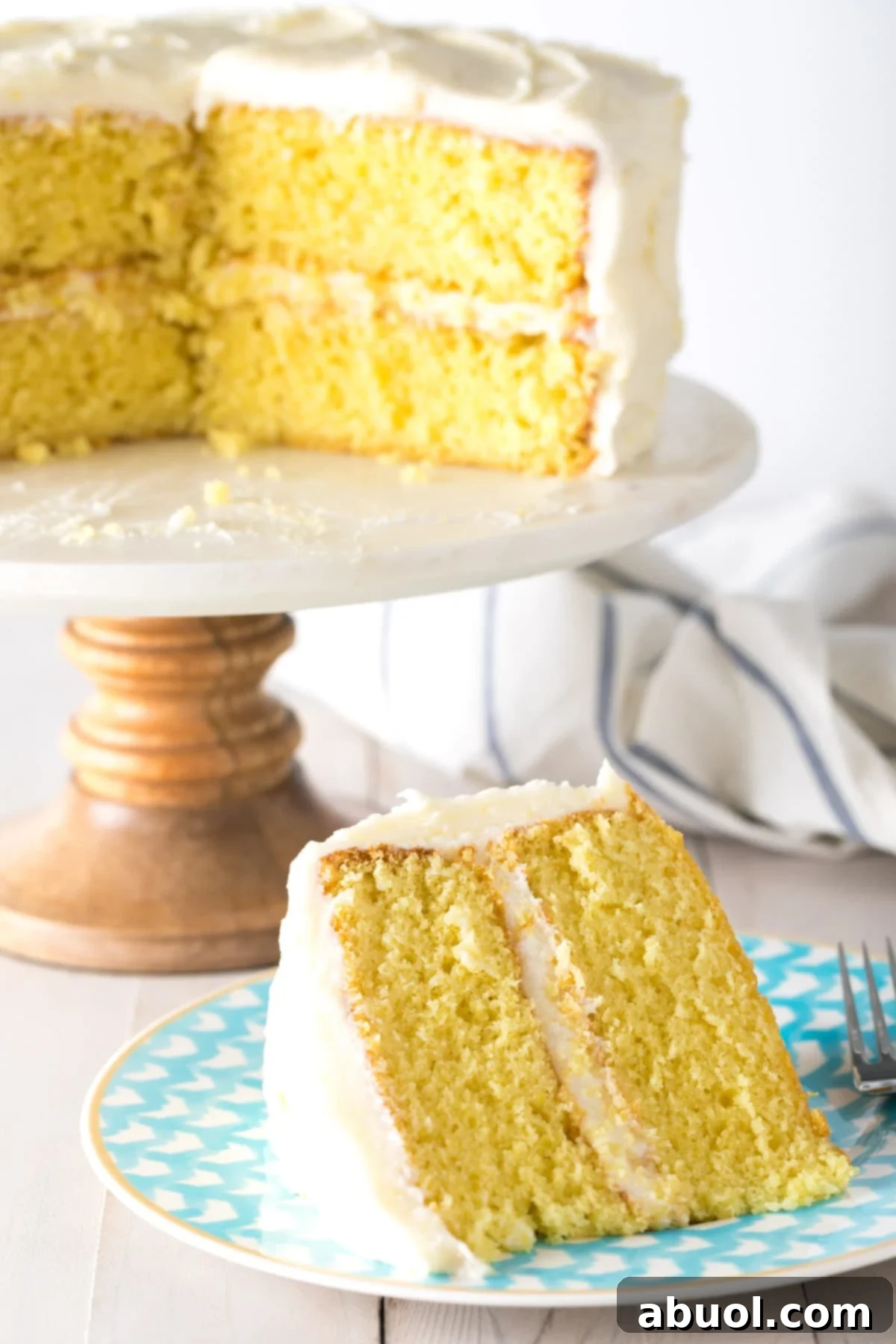
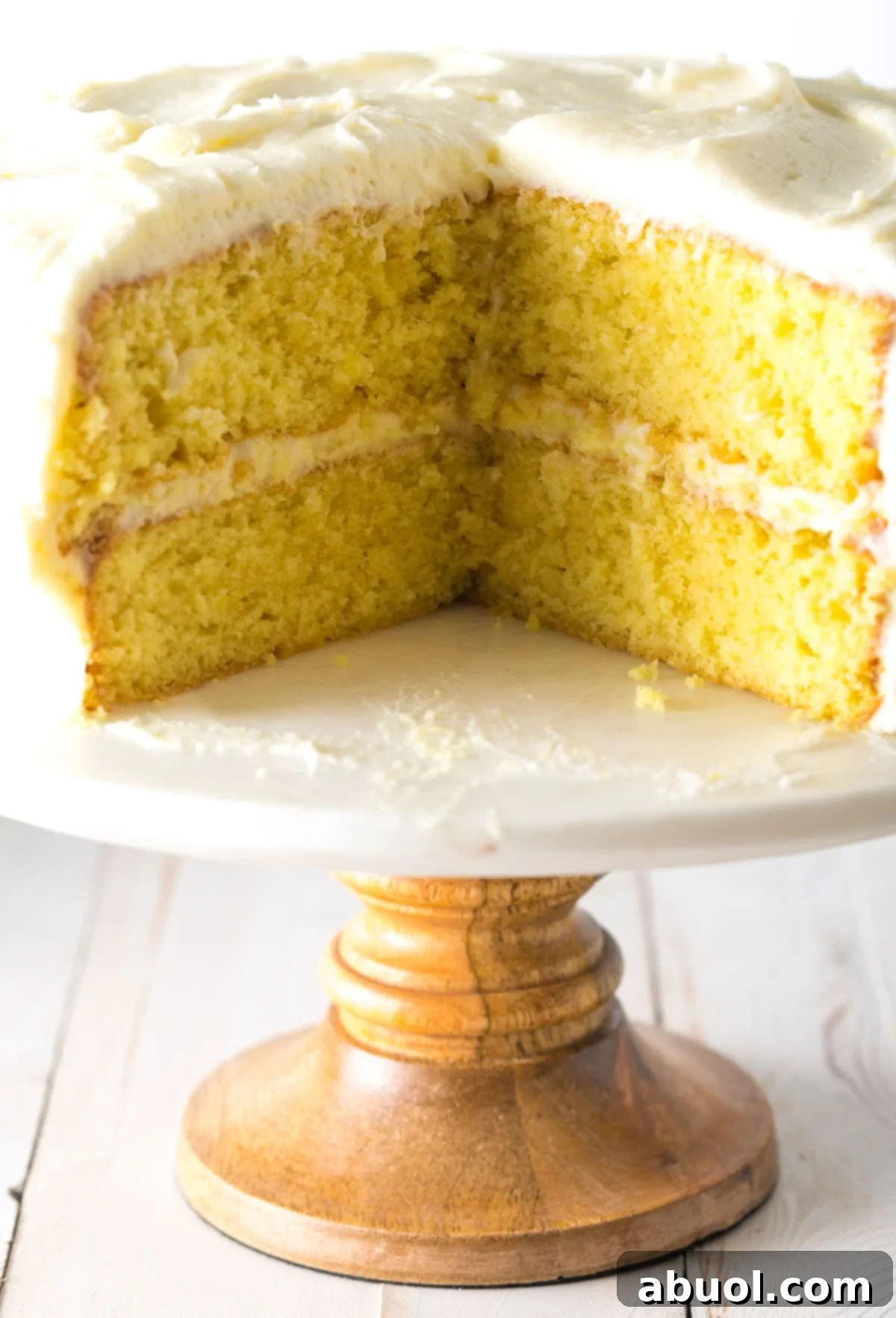
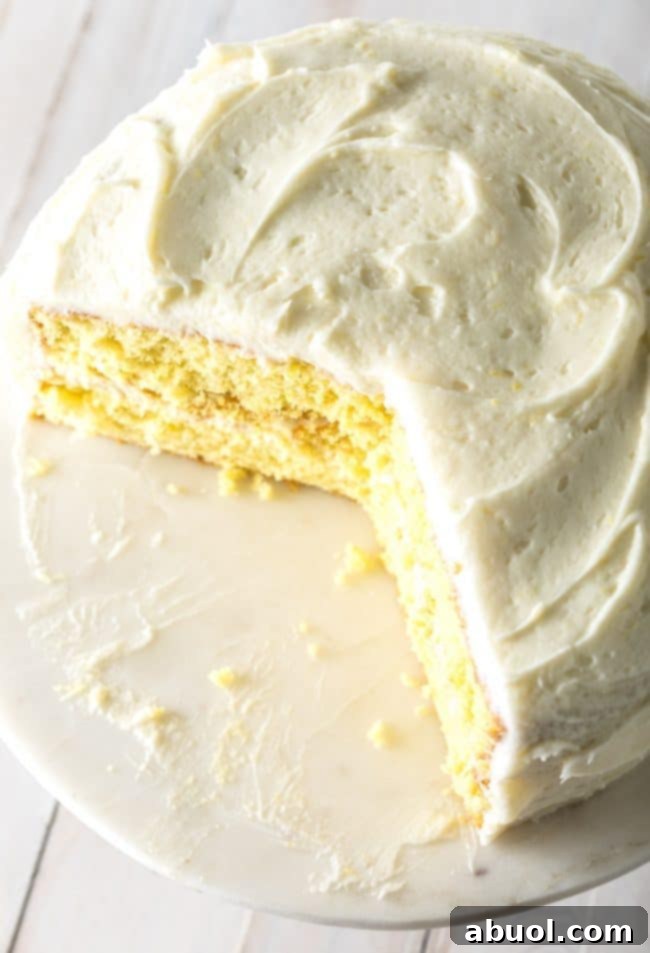
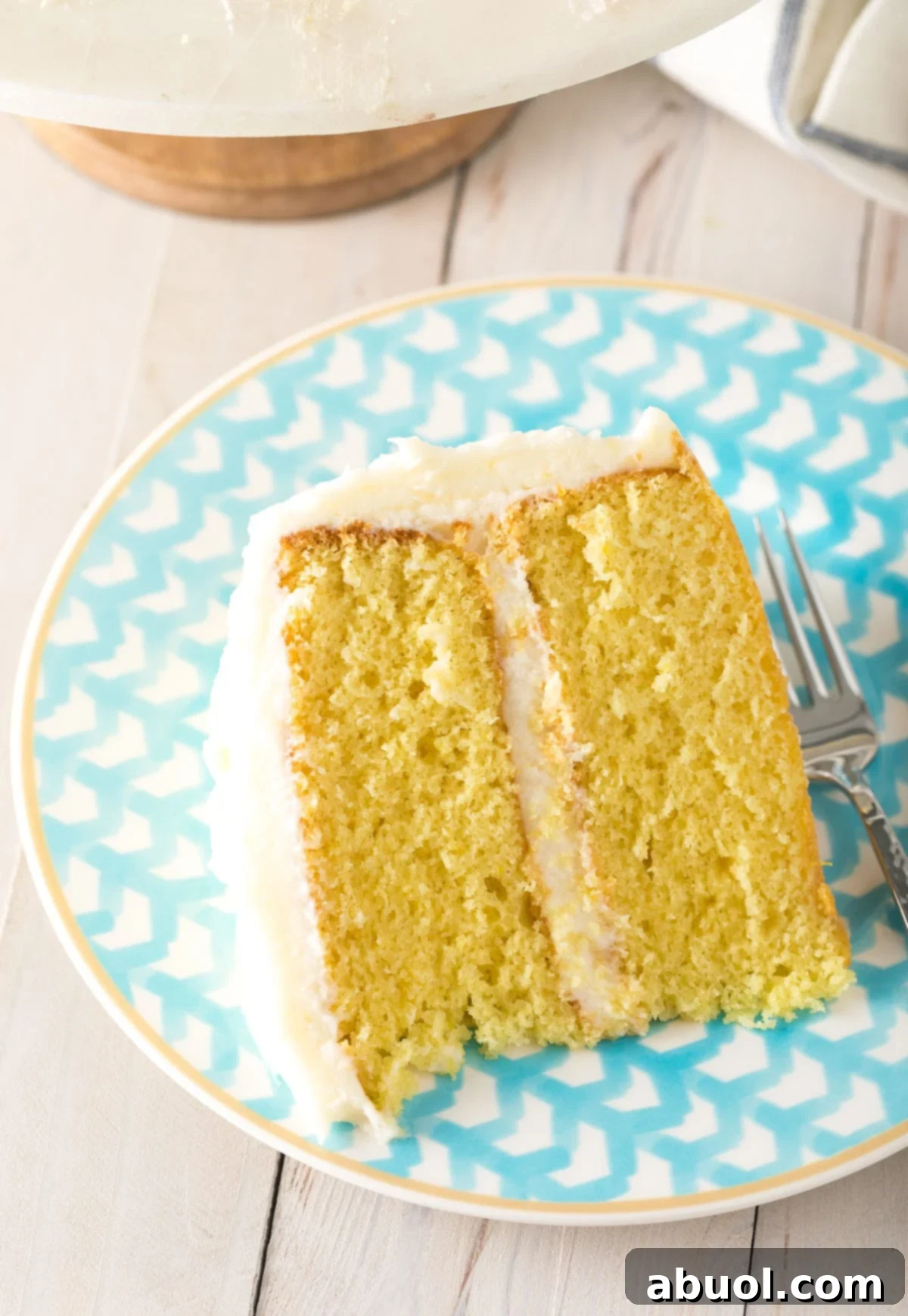
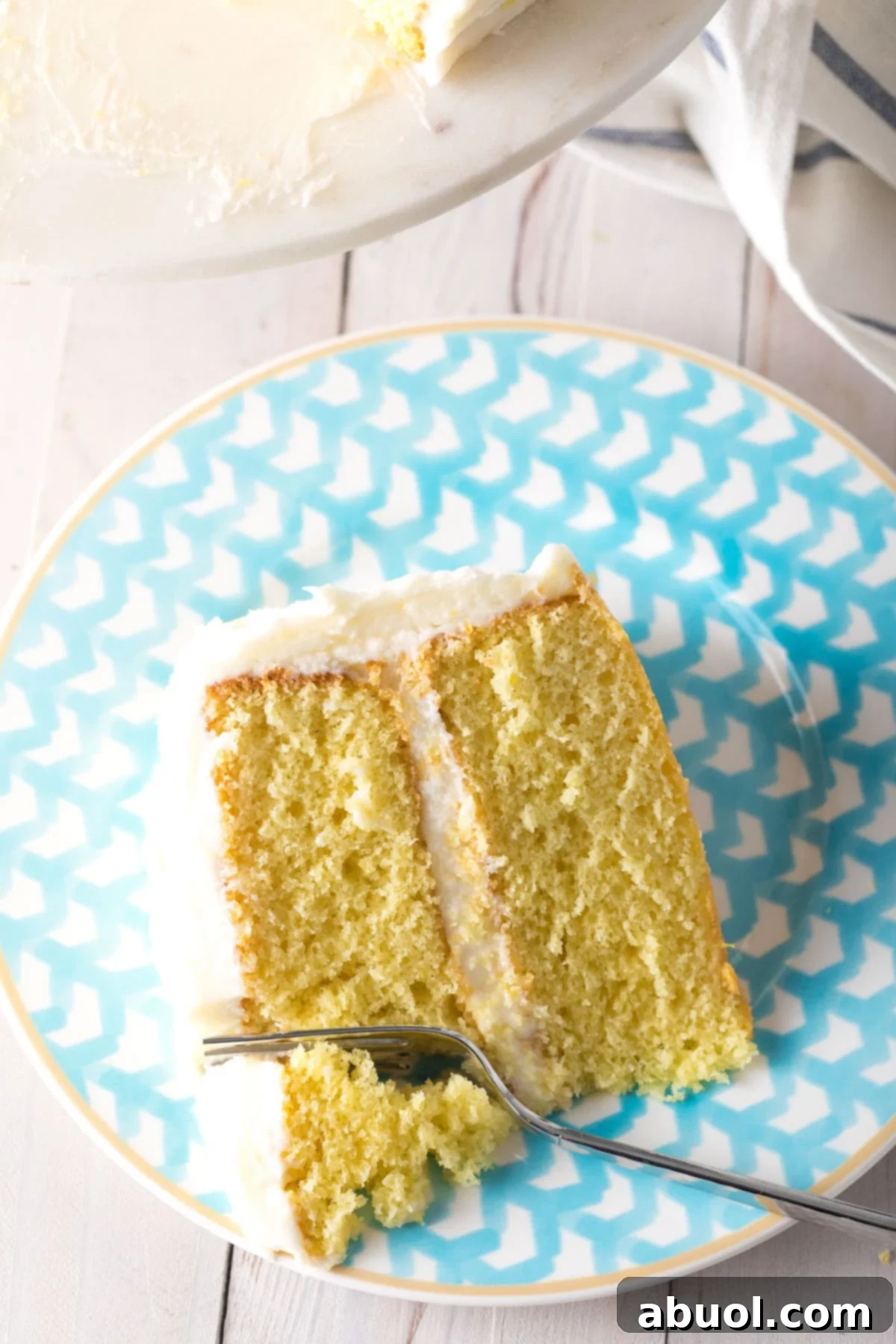
- Exceptional Softness and Delicate Crumb: This cake boasts an incredibly fine, delicate crumb that is wonderfully soft and light. It’s so tender, you’ll handle it with care when removing it from the pan, ensuring its structural integrity.
- Unrivaled Moistness and Tenderness: The secret to its remarkable moisture and tender texture lies in the generous addition of buttermilk. Unlike many “bready” cakes, a slice of this Southern delight is so saturated with goodness that you could almost express butter or oil from it if pressed. Furthermore, the rich, creamy buttermilk frosting acts as an additional moisture barrier, preventing the cake layers from drying out over time.
- Perfectly Sweet and Tangy Harmony: While I often lean towards less sweet desserts, cake is my glorious exception. The finest cakes I’ve ever tasted have always been powerfully sweet. Yet, in this recipe, the vibrant lemon flavor masterfully balances this sweetness, ensuring it’s never overwhelming. Instead, it creates a harmonious symphony on the palate.
Speaking of the exquisite lemon flavor, it’s a sophisticated blend derived from three distinct sources: fresh lemon zest for bright, aromatic notes, concentrated lemon juice for a tangy punch, and a touch of lemon extract to deepen and enhance the overall citrus essence. This trifecta creates a truly multidimensional lemon experience that is both fresh and profound.
The Magic of Buttermilk in Baking
Buttermilk is a cornerstone of Southern baking for a reason, and its inclusion in this lemon cake recipe is paramount to its success. Traditionally, buttermilk was the liquid left behind after churning butter. Today, most commercially available buttermilk is cultured, meaning beneficial bacteria are added to regular milk to ferment it. This fermentation process gives buttermilk its characteristic tangy flavor and thick consistency, both of which are crucial for achieving the perfect cake.
Scientifically, buttermilk’s acidity plays a vital role in cake batter. When combined with baking soda (a common leavening agent), it creates a chemical reaction that produces carbon dioxide gas. These gas bubbles get trapped within the batter, expanding as the cake bakes, resulting in a lighter, fluffier texture and a tender crumb. The acidity also helps to break down gluten strands in the flour, preventing the cake from becoming tough or chewy. Beyond its leavening power, buttermilk imparts a subtle tang that beautifully complements the sweet and bright lemon flavors, adding depth and complexity to every bite.
Essential Ingredients for Your Lemon Buttermilk Cake
Crafting this incredible lemon buttermilk cake requires a careful selection of ingredients, each playing a crucial role in achieving its signature Southern charm. Always aim for fresh, high-quality components for the best results.
For the Lemon Buttermilk Cake Layers:
- Cake flour: The secret to a super-fine, delicate crumb. If you don’t have it, a simple homemade substitute of 2 ½ cups all-purpose flour plus ¼ cup cornstarch works wonders.
- Baking powder: Provides lift, ensuring a soft and fluffy cake.
- Baking soda: Reacts with the buttermilk’s acidity for optimal leavening and tenderness.
- Salt: Essential for balancing the sweetness and enhancing all the other flavors.
- Granulated sugar: Provides sweetness and contributes to the cake’s moist texture.
- Unsalted butter: Softened to room temperature, it creates a rich base and contributes to the cake’s tender structure when creamed with sugar.
- Large eggs: At room temperature, they emulsify better with the batter, adding moisture and structure.
- Vegetable oil: Adds extra moisture and keeps the cake tender for longer.
- Fresh lemon zest and juice: Crucial for that bright, natural lemon flavor. Always use fresh for the best aroma and taste.
- Vanilla extract: Use high-quality pure vanilla extract to complement and enhance the citrus notes.
- Lemon extract: Amplifies the lemon flavor, adding a deeper, more profound citrus essence.
- Yellow food coloring (optional): Just a few drops can enhance the natural yellow hue of the lemon, making it visually more appealing.
- Whole-fat buttermilk: The star ingredient for moisture and tang. If you can’t find it, easily make your own by adding 1 tablespoon of vinegar (or lemon juice) to a measuring cup and filling the rest with milk to equal 1 ¼ cups. Let it sit for 5-10 minutes until slightly curdled.
For the Velvety Buttermilk Frosting:
- Unsalted butter: Softened to room temperature (about 3 sticks), it forms the creamy base of your luscious frosting.
- Buttermilk: Adds a delightful tang and helps achieve the perfect frosting consistency.
- Fresh lemon juice: Provides a bright, zesty counterpoint to the sweetness of the powdered sugar.
- Powdered sugar: The primary sweetener and thickener, ensuring a smooth, silken frosting. You’ll need 5-7 cups, adjusted to your desired consistency.
How to Bake the Best Lemon Buttermilk Cake
Creating this exquisite lemon buttermilk cake is a rewarding experience, yielding a dessert that will impress and delight. Follow these detailed steps for a perfect bake every time.
Step-by-Step Instructions for the Cake Layers:
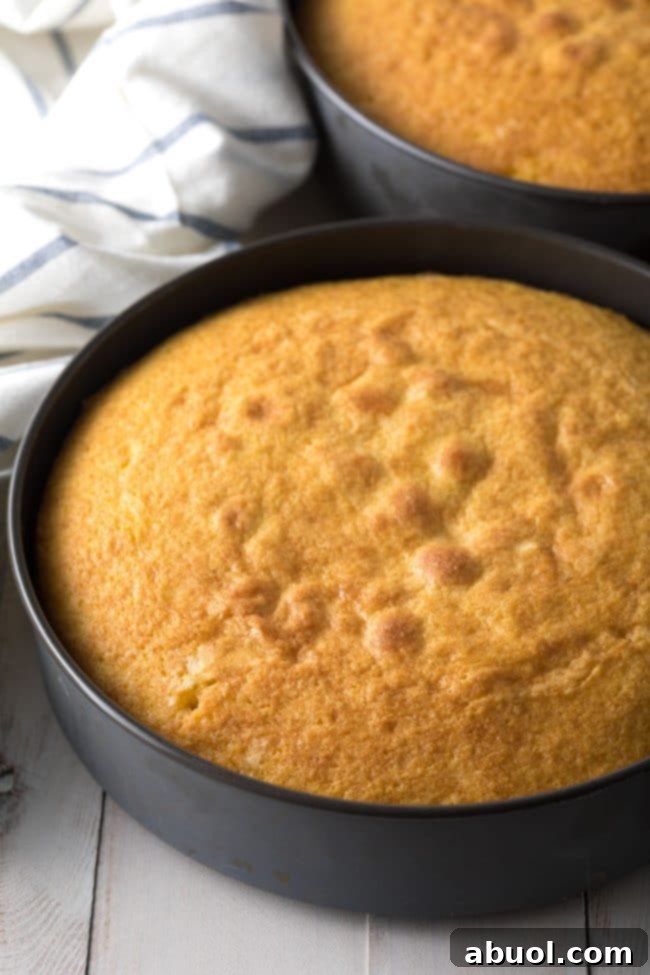
- Prepare Your Baking Pans: Begin by preheating your oven to 350°F (175°C). Lightly grease and flour two 9-inch round cake pans. For extra assurance that your cakes won’t stick, cut out 9-inch circles of parchment paper (tracing the bottom of the pan is a great way to get perfect circles) and press them into the bottom of each prepared pan.
- Cream Butter and Sugar: In the bowl of an electric stand mixer fitted with the paddle attachment, combine the softened unsalted butter and granulated sugar. Beat on high speed for approximately 3-5 minutes until the mixture is light, fluffy, and noticeably pale. This crucial “creaming” step incorporates air into the butter and sugar, breaking down sugar crystals and resulting in a lighter, airy cake texture. Don’t rush this!
- Combine Dry Ingredients: In a separate medium bowl, whisk together the cake flour, baking powder, baking soda, and salt until thoroughly combined. This ensures even distribution of the leavening agents and salt.
- Add Wet Ingredients: Once the butter and sugar are perfectly creamed, scrape down the sides of the mixing bowl with a rubber spatula. With the mixer on low speed, gradually beat in the large eggs one at a time, followed by the vegetable oil, lemon zest, vanilla extract, lemon extract, and (if using) 3-5 drops of yellow food coloring. Mix until just combined.
- Incorporate Dry and Wet Mixtures: Scrape the bowl once more. With the mixer still on low speed, alternate adding the flour mixture and the whole-fat buttermilk, beginning and ending with the flour. Mix until the batter is just smooth and all ingredients are incorporated. Crucially, stop mixing immediately once combined. Overmixing can lead to a tough, dense cake.
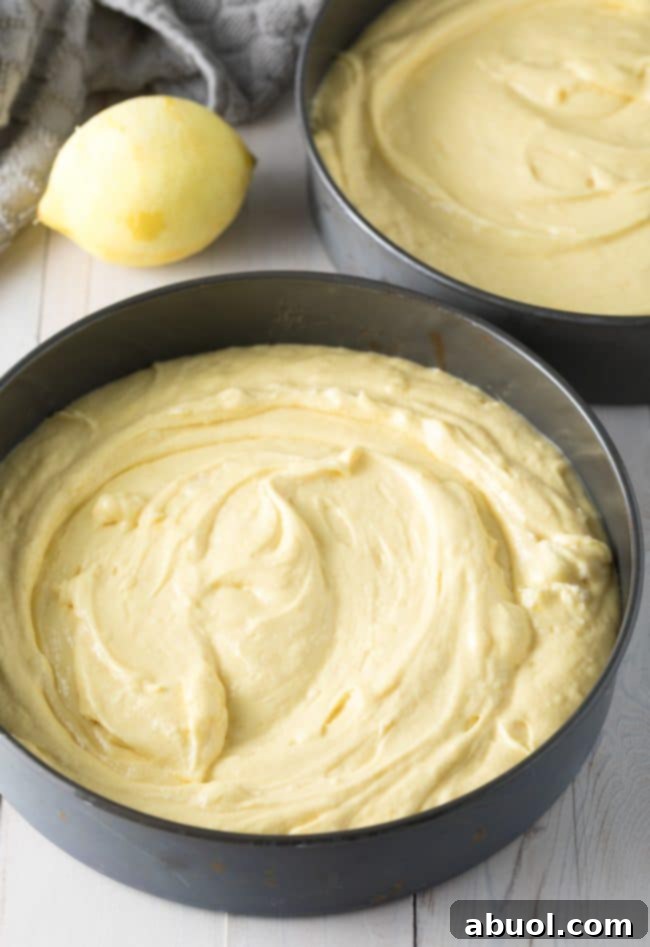
- Bake the Cake Layers: Divide the batter evenly between the two prepared cake pans. Place them on the middle rack of your preheated oven and bake, undisturbed, for 30 minutes. Resist the urge to open the oven door during this time, as consistent heat is vital for proper rising.
- Check for Doneness: After 30 minutes, insert a toothpick into the center of each cake. If it comes out clean, the cakes are ready. If there’s wet batter, bake for another 5-10 minutes, checking again with a toothpick.
- Cool the Cakes: Allow the cakes to cool in their pans for 10 minutes. Then, carefully invert them onto a wire cooling rack. Gently peel off the parchment paper circles. Let the cake layers cool completely to room temperature before frosting. Attempting to frost a warm cake will result in melted, sliding frosting.
Crafting the Velvety Buttermilk Frosting:
- Beat the Butter: Once your cake layers are fully cooled, place the softened unsalted butter in a clean stand mixer bowl fitted with the paddle attachment. Beat on medium-high speed until light and fluffy.
- Add Liquids and Sugar: Scrape down the bowl. With the mixer on low, slowly incorporate the buttermilk and fresh lemon juice. Then, gradually add the powdered sugar, one cup at a time, beating after each addition until incorporated.
- Achieve Desired Consistency: After adding about 5 cups of powdered sugar, increase the mixer speed to beat out any clumps and achieve a smooth consistency. Check the frosting’s texture. If it’s too thin or loose, add the remaining 1-2 cups of powdered sugar gradually, beating until it reaches your desired thick, spreadable consistency.
Assembling Your Masterpiece:
- First Layer of Frosting: Place one cooled cake layer onto a cake stand or serving platter. Scoop about 2 cups of the buttermilk frosting onto the center of this layer. Use a large, flat spatula to spread the frosting evenly across the top, reaching the edges.
- Stack and Level: Carefully place the second cooled cake layer directly on top of the frosted first layer, ensuring it is centered. Gently press down on the top cake layer to help level it and secure it to the frosting below.
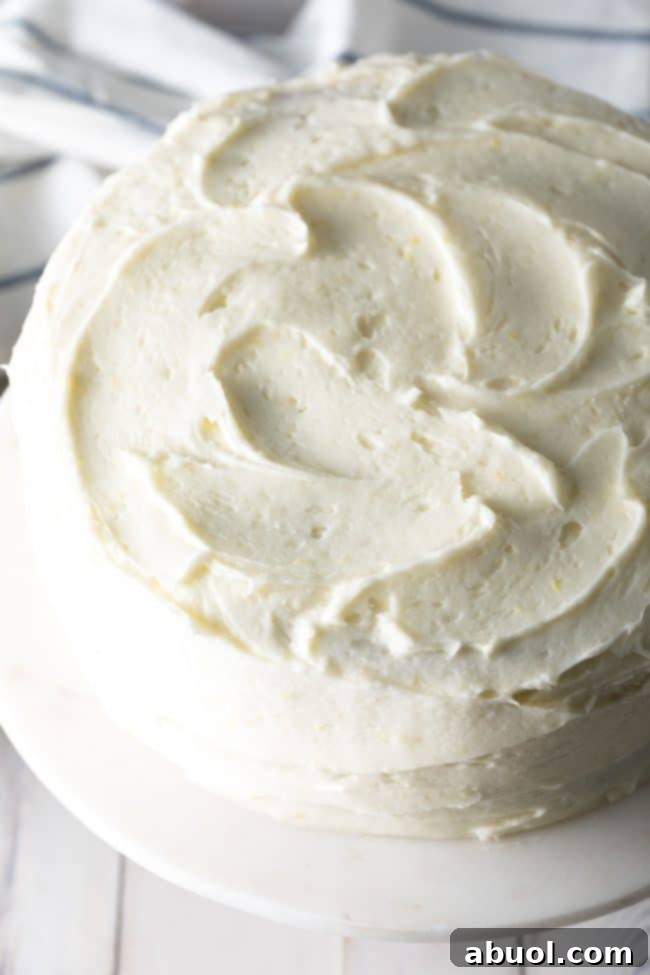
- Final Frosting Application: Scoop all remaining frosting onto the top of the cake. Using your spatula, work the frosting over the top and down the sides of the cake, creating an even coat.
- Smooth and Decorate: Slowly rotate the cake stand while using the flat edge of your spatula to smooth out the sides of the cake. Once satisfied with the smooth finish, you can use the spatula to create decorative swooping marks on the top surface. Use a damp paper towel to wipe away any frosting from the cake stand for a clean presentation.
- Storage and Serving: Cover the cake loosely and store it at room temperature for up to 4 days, or refrigerate for up to a week. For the absolute best flavor and texture, allow the cake to come to room temperature for at least an hour before serving. Classic layer cakes truly shine when enjoyed at room temperature!
Expert Baking Tips for a Flawless Cake
Achieving a perfectly moist and tender lemon buttermilk cake is easily within reach with these essential baking tips and tricks. Even experienced bakers can benefit from these reminders:
- Meticulous Pan Preparation: Never skip this step! Properly greasing and flouring your cake pans, then adding a circle of parchment paper to the bottom of each, is your absolute guarantee that your beautiful cake layers will release cleanly and intact.
- Thorough Creaming of Butter and Sugar: This is a fundamental step that rookie bakers often underestimate. Beating softened butter and sugar together at high speed for 3-5 minutes is not just about mixing; it’s about aerating the butter, creating tiny air pockets, and dissolving the sugar crystals. This process yields a light, airy cake texture. Skipping or rushing this step will result in a denser, heavier cake.
- Precise Ingredient Measurement: Think of cooking as an art, but baking as a science. The chemical reactions that occur in your oven are precise. Being heavy-handed or skimpy with any ingredient can significantly alter the outcome. Always measure accurately, using proper measuring cups and spoons. For flour, gently spoon it into your measuring cup and level it off with a straight edge; avoid scooping directly from the bag, as this compacts the flour and leads to over-measurement.
- Scrape the Bowl Frequently: Use a rubber spatula to scrape down the sides and bottom of your mixing bowl between each step. This ensures all ingredients are thoroughly and evenly incorporated into the batter, preventing pockets of unmixed flour or butter.
- Avoid Overmixing the Batter: It’s tempting to let the mixer run while you attend to other tasks, but cake batter can be easily overmixed! Overworking the batter develops the gluten in the flour too much, leading to a tough, rubbery texture, or even a cake that sinks in the middle. Mix only until the ingredients are just combined and the batter is smooth, then immediately turn off the mixer.
- Do Not Disturb the Baking Cake: Patience is key in baking. Once your cake is in the oven, resist the urge to open the oven door, even to peek. Fluctuations in temperature and even vibrations from heavy footsteps can cause the cake to collapse before it’s fully set, especially during the crucial rising phase. Trust your oven and let it do its work in a consistent, undisturbed environment.
- Cool Completely Before Frosting: This cannot be stressed enough. Attempting to frost a cake that is even slightly warm will lead to a messy, sliding frosting situation. Give your lemon buttermilk cake ample time to cool completely on a wire rack—several hours if necessary—before you even think about applying that delicious frosting.
For more foundational baking knowledge, be sure to explore tutorials on How to Make Buttermilk Here and our comprehensive guide, “100 Best Baking Tips Tutorial.”
Exciting Recipe Variations to Explore
While this classic lemon buttermilk cake is perfect on its own, it also serves as an excellent canvas for creative variations. Here are some ideas to customize your cake and delight your taste buds:
- Raspberry Swirl Lemon Cake: For a delightful burst of fruity flavor and a beautiful visual effect, fold in a cup of fresh or gently thawed frozen raspberries into half of your prepared cake batter. Alternate layers of the plain lemon batter and raspberry swirl batter in your cake pans before baking.
- Lavender Lemon Elegance: Introduce a sophisticated floral note by gently incorporating a teaspoon of food-grade dried lavender into your cake batter. The subtle aroma and flavor of lavender beautifully complement the bright lemon.
- Tropical Coconut Infusion: Add a touch of tropical paradise by folding in a cup of finely shredded coconut into the cake batter. This pairs wonderfully with the lemon and buttermilk.
- Lemon Curd Filled Layers: For an extra layer of intense tartness and a luxurious texture, spread a thin layer of homemade or store-bought lemon curd between your cake layers before applying the buttermilk frosting.
- Blueberry Lemon Zest: Integrate fresh blueberries into the batter for a classic fruit and lemon pairing. Their sweetness and burst of juice will add another dimension to the cake.
- Ginger Lemon Spice: For a warming twist, add half a teaspoon of ground ginger to your dry ingredients. The subtle spice will complement the lemon beautifully, especially during colder months.
Best Lemon Buttermilk Cake Recipe
This simple Southern lemon layer cake is renowned for its soft, moist texture, perfectly complemented by a tangy buttermilk frosting. It’s a tender, sweet cake that promises to become a cherished family favorite!
Prep Time: 30 minutes
Cook Time: 30 minutes
Rest Time: 45 minutes (for cooling)
Total Time: Approximately 1 hour 45 minutes
Servings: 20 slices
Ingredients
For the Cake Layers:
- 2 ¾ cups cake flour, sifted (or 2 ½ cups all-purpose flour + ¼ cup cornstarch)
- 2 teaspoons baking powder
- ¼ teaspoon baking soda
- 1 teaspoon salt
- 2 cups granulated sugar
- 10 tablespoons unsalted butter, softened to room temperature
- 4 large eggs, at room temperature
- ¼ cup vegetable oil
- Zest of 1 fresh lemon (save juice for frosting)
- 1 tablespoon pure vanilla extract
- 1 teaspoon lemon extract
- 3-5 drops yellow food coloring (optional)
- 1 ¼ cup whole-fat buttermilk (or homemade: 1 tbsp vinegar + milk to 1 ¼ cup)
For the Buttermilk Frosting:
- 1 ½ cups unsalted butter, softened (3 sticks)
- 3 tablespoons buttermilk
- 1 ½ tablespoons fresh lemon juice
- 5-7 cups powdered sugar, sifted
Instructions
- Preheat oven to 350°F (175°C). Grease and flour two 9-inch round cake pans. Line the bottoms with parchment paper circles.
- For the Cake: In a stand mixer, cream softened butter and granulated sugar on high for 3-5 minutes until light and fluffy.
- In a separate bowl, whisk together cake flour, baking powder, baking soda, and salt.
- Scrape down the butter mixture. On low speed, beat in eggs one at a time, then oil, lemon zest, vanilla extract, lemon extract, and food coloring (if using).
- Scrape the bowl again. On low speed, alternate adding the dry flour mixture and buttermilk to the wet ingredients until just combined and smooth. Do not overmix.
- Pour batter evenly into prepared pans. Bake on the middle rack for 30 minutes, undisturbed.
- Check doneness by inserting a toothpick into the center; it should come out clean. Bake an additional 5-10 minutes if needed.
- Cool cakes in pans for 10 minutes, then invert onto a wire rack to cool completely. Remove parchment paper.
- For the Frosting: Once cakes are at room temperature, beat softened butter in a clean stand mixer until fluffy.
- Scrape the bowl, then on low speed, mix in buttermilk and lemon juice. Gradually add powdered sugar, one cup at a time, beating until smooth.
- After 5 cups, increase speed to beat out clumps. Add more powdered sugar (1-2 cups) if a thicker consistency is desired.
- To Assemble: Place one cake layer on a stand. Spread about 2 cups of frosting evenly over it.
- Place the second cake layer on top, centering it. Gently press to level.
- Scoop remaining frosting on top and spread over the top and down the sides of the cake.
- Use a spatula to smooth the sides and create decorative swoops on top. Clean the cake stand.
- Cover and store at room temperature for up to 4 days, or refrigerate for up to a week. Serve at room temperature for best flavor.
Recipe Notes
Pro Frosting Tips for Crumb-Free Perfection: If you find crumbs getting into your frosting, try these techniques:
- The Crumb Coat: Apply a very thin layer of frosting over the entire cake. This “crumb coat” traps and seals in any loose crumbs. Refrigerate for 15-20 minutes to set, then apply your final, thicker, “pretty” layer of frosting.
- Freezing for Stability: For even greater stability, especially if you’re new to frosting, wrap your cooled cake layers individually in plastic wrap and freeze them for a few hours. Once firm, you can unwrap, level (if necessary), and frost the cake with much greater ease. Just ensure you do this at least 6 hours before serving, allowing ample time for the cake layers to thaw completely at room temperature.
Nutrition Information
Serving: 1 slice, Calories: 477kcal, Carbohydrates: 63g, Protein: 3g, Fat: 23g, Saturated Fat: 15g, Cholesterol: 86mg, Sodium: 178mg, Potassium: 97mg, Fiber: 0g, Sugar: 50g, Vitamin A: 675IU, Vitamin C: 0.4mg, Calcium: 50mg, Iron: 0.4mg
Course: Dessert
Cuisine: American
Author: Sommer Collier
Frequently Asked Questions About Lemon Buttermilk Cake
This cake holds up beautifully! You can store it covered at room temperature for up to 3 days, or refrigerate it for 7-10 days. Always ensure it’s well-wrapped to maintain its moisture and freshness.
Absolutely! To freeze, wrap the entire cake (or individual slices) tightly with a layer of plastic wrap, then cover it again with aluminum foil. It will keep well in the freezer for up to 6 months. Thaw at room temperature before serving. For best appearance, you can “flash freeze” the frosted cake, unwrapped, for about an hour until the frosting hardens, then wrap well and freeze.
Converting this recipe to cupcakes is simple! Increase your oven temperature slightly to 375°F (190°C) for a higher dome, and bake for approximately 15-18 minutes. This recipe typically yields about 18-24 delicious lemon buttermilk cupcakes.
Yes, you certainly can! If using a 9×13 inch baking pan, bake it at 350°F (175°C) for a slightly longer duration, typically 30-35 minutes. Keep an eye on it and test for doneness with a toothpick.
For a lovely lemon-poppy seed variation, definitely! Start by mixing 1 tablespoon of poppy seeds into your dry ingredients, and then add more if you desire a stronger poppy seed presence.
A spongy or rubbery texture is a common sign of overmixed cake batter. When you overmix, you develop the gluten in the flour too much, leading to a tough result. It’s crucial to mix the batter only until the ingredients are just combined and smooth, then stop immediately.
Discover More Classic Southern Desserts
If you’ve fallen in love with the charm of Southern baking, you’ll adore these other beloved dessert recipes. Each one offers a taste of tradition and comforting flavors:
- Strawberry Yogurt Bundt Cake: A light, fruity bundt cake perfect for any season.
- Easy Apple Crisp Recipe: A comforting classic with warm apples and a buttery crumb topping.
- Perfect Carrot Cake: Rich, moist, and spiced to perfection, often crowned with cream cheese frosting.
- No Bake Pumpkin Cheesecake (Bars): A delightful, easy-to-make dessert showcasing fall flavors.
- Hummingbird Cupcakes: A Southern favorite featuring pineapple, banana, and pecans.
- Chocolate Texas Sheet Cake: A large, fudgy, and incredibly moist chocolate cake, often served warm.
- Blueberry Crisp Recipe (Blueberry Crumble): Bursting with juicy blueberries and a delightful crunchy topping.
- Vegan Chocolate Chia Seed Pudding Recipe: A healthy, plant-based dessert option.
- Fluffy Divinity Candy Recipe: A classic Southern confection, light and airy.
- Old Fashioned Blueberry Pudding with Rosewater Sauce: A nostalgic dessert with unique floral notes.
- Scottish Shortbread (Easy Shortbread Cookie Recipe): Simple, buttery, and melt-in-your-mouth delicious cookies.
- The Easiest Candied Orange Peel Recipe: A sweet and zesty treat perfect for garnishes or snacking.
- Linzer Cookies (Cut Out Cookies Recipe): Elegant sandwich cookies filled with jam.