
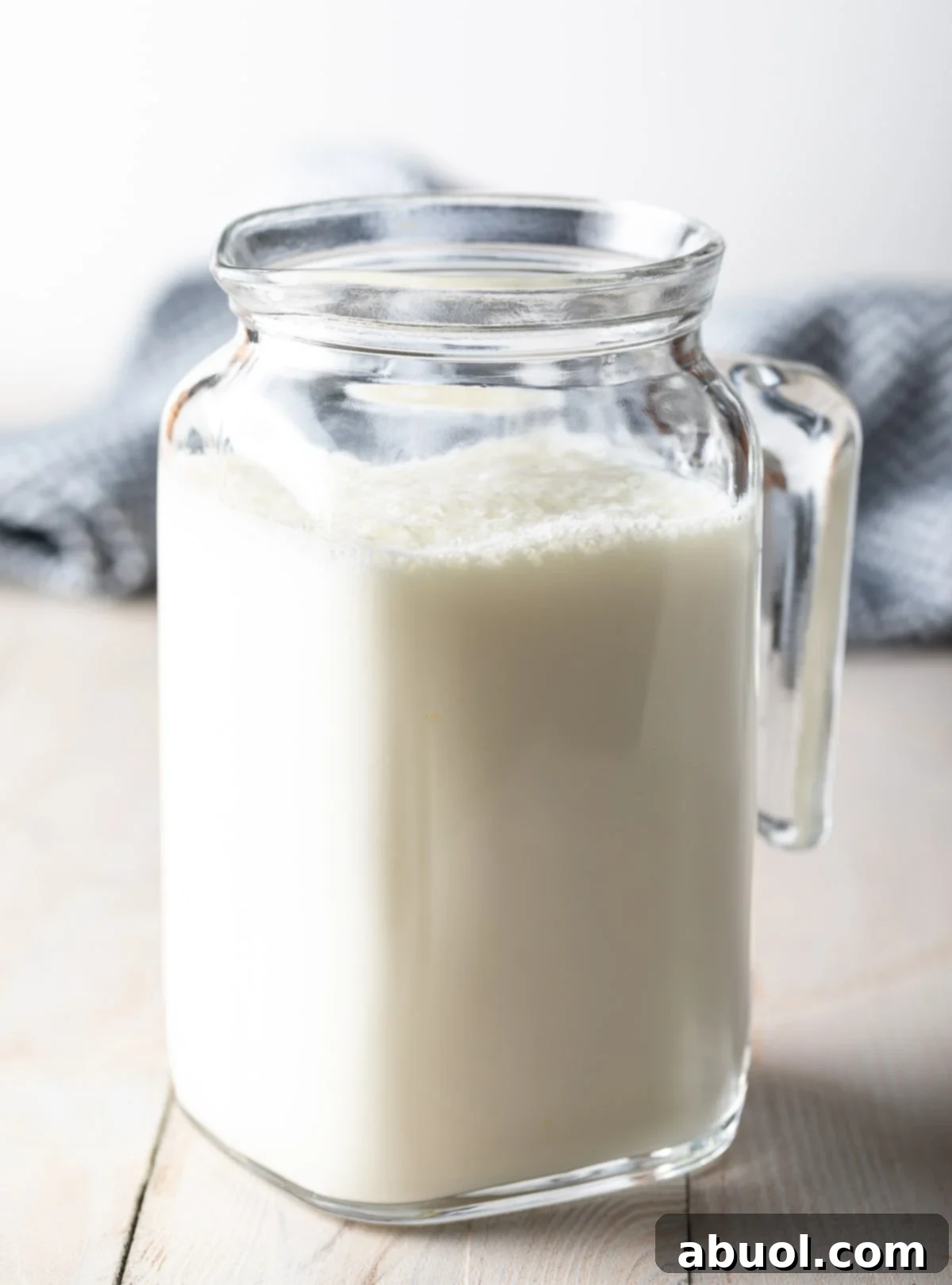
Unlock a fundamental culinary secret with this incredibly simple and quick homemade buttermilk recipe! In just minutes, transform two basic ingredients – milk and lemon juice – into a vibrant, tangy, and creamy buttermilk that will elevate your baking and cooking. Say goodbye to store-bought cartons and hello to fresh, perfect buttermilk every time.
Why Homemade Buttermilk Is a Kitchen Game-Changer
Ever found yourself halfway through a recipe, only to discover you’re out of buttermilk? Or perhaps you only need a small amount, leaving you with a nearly full carton that inevitably expires before you can use it all, leading to frustrating waste? This common kitchen dilemma is precisely why learning how to make your own buttermilk substitute at home is an absolute must. Our easy, two-ingredient method guarantees you’ll never face this problem again, ensuring you always have fresh, tangy buttermilk on hand exactly when you need it.
Beyond convenience, crafting your own buttermilk offers several compelling advantages. It’s incredibly cost-effective, saving you money on specialty grocery purchases. It puts you in control of the ingredients, allowing you to choose your preferred type of milk, from whole to skim, or even non-dairy options. This simple hack liberates you from last-minute grocery runs and lets you bake and cook with confidence. Whether you’re whipping up a batch of fluffy almond flour pancakes, light waffles, tender strawberry rhubarb muffins, or any other recipe requiring that signature buttermilk tang, this DIY substitute is your dependable ally. Embrace the simplicity and efficiency of homemade buttermilk and transform your culinary routine!
Essential Ingredients for Your DIY Buttermilk
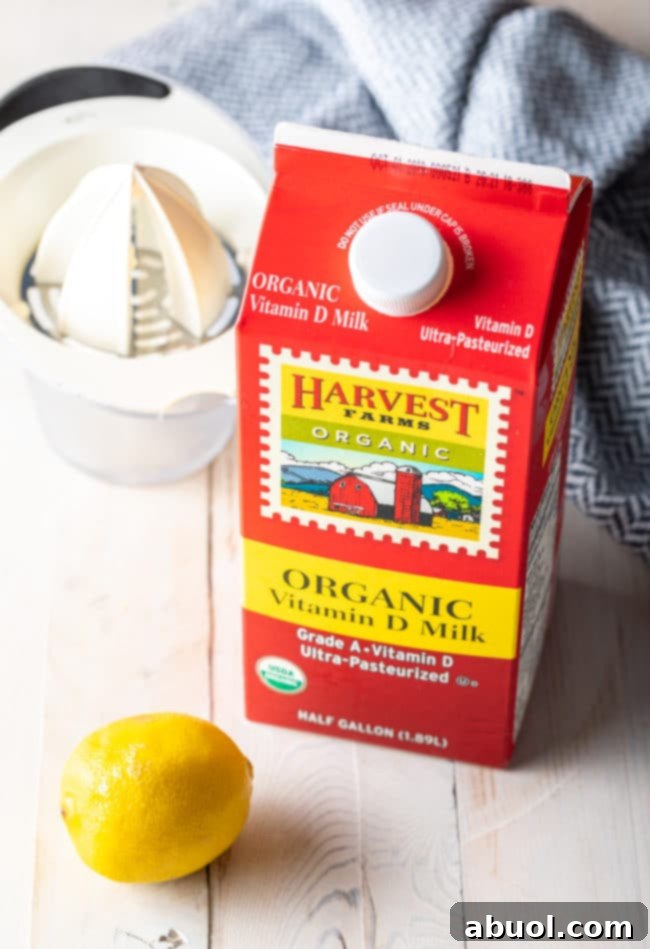
You might be surprised at how few ingredients are required to create this pantry staple. The beauty of this homemade buttermilk recipe lies in its absolute simplicity. You only need two items, which you likely already have in your kitchen:
- Milk: This forms the creamy base of your buttermilk. While whole milk will yield the richest, creamiest result, you can successfully use any type of dairy milk you have on hand, including 2%, 1%, or even skim milk. Each will produce a slightly different texture, with lower-fat milks resulting in a thinner buttermilk. For those avoiding dairy, many non-dairy alternatives also work wonderfully (more on this in the FAQ section!).
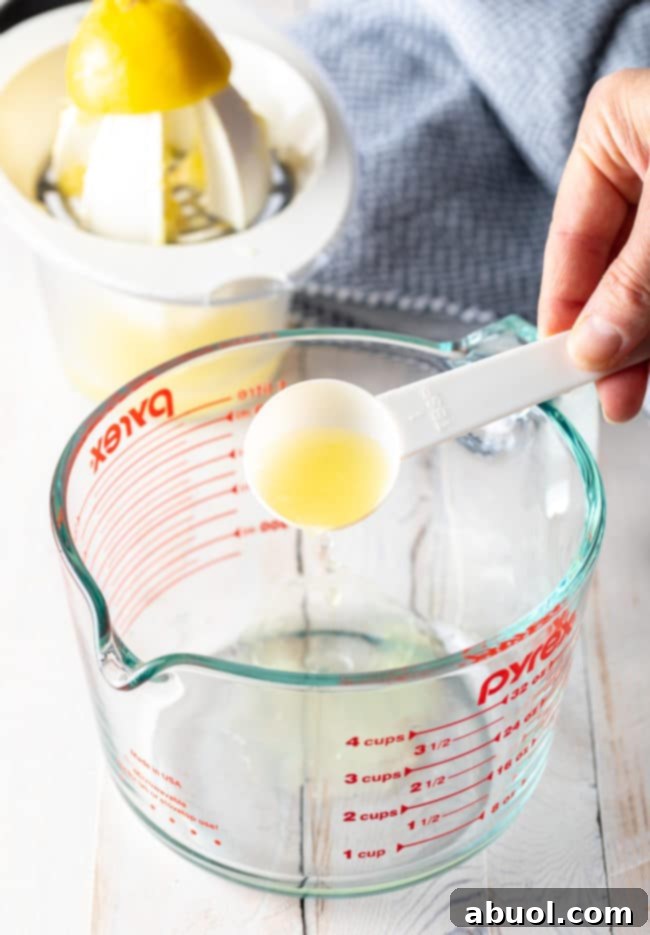
- Acidic Agent (Lemon Juice or White Vinegar): This is the magical ingredient that will curdle your milk, creating the characteristic tang and texture of buttermilk. Freshly squeezed lemon juice is preferred for its bright flavor, but white vinegar works just as effectively and is often more readily available. Apple cider vinegar can also be used, though it may impart a subtle apple flavor.
The standard ratio for homemade buttermilk is 1 cup of milk to 1 tablespoon of an acidic agent. This balanced proportion ensures optimal curdling and flavor development. With these two humble ingredients, you’re just minutes away from perfectly tangy buttermilk.
Step-by-Step Guide: How to Make Buttermilk at Home
Once you discover how incredibly easy it is to make your own buttermilk, you’ll wonder why you ever bothered buying it! This foolproof method takes less than 10 minutes of active time, followed by a brief resting period to allow the magic to happen. Here’s how to do it:
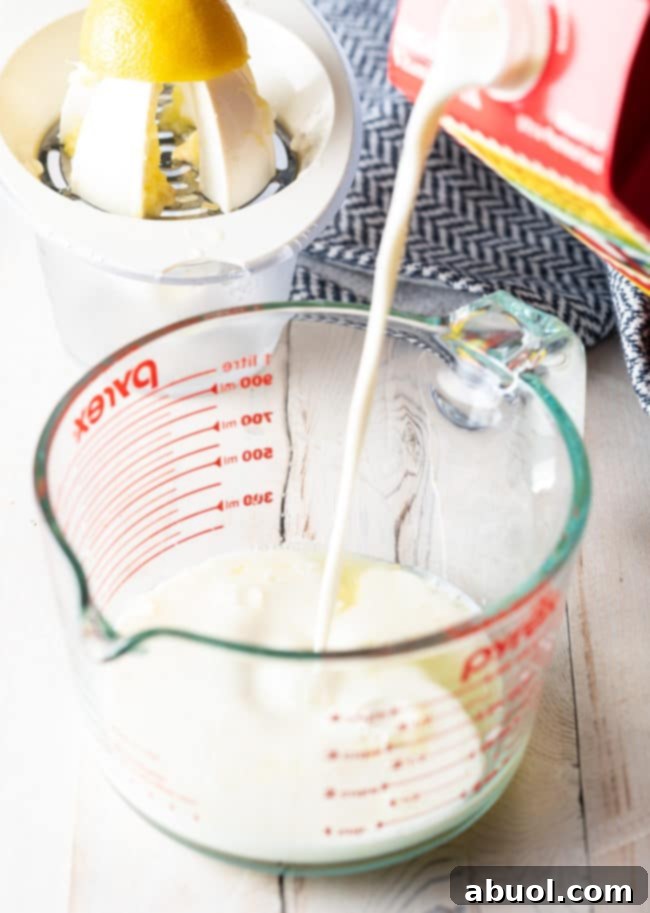
- Measure Your Milk: Start by pouring your chosen milk into a one-cup measuring pitcher or a glass. It’s best to fill it just shy of the one-cup mark to leave room for the acid. The amount of buttermilk you need dictates the quantity of milk; for example, if a recipe calls for 2 cups of buttermilk, you’ll start with 2 cups of milk.
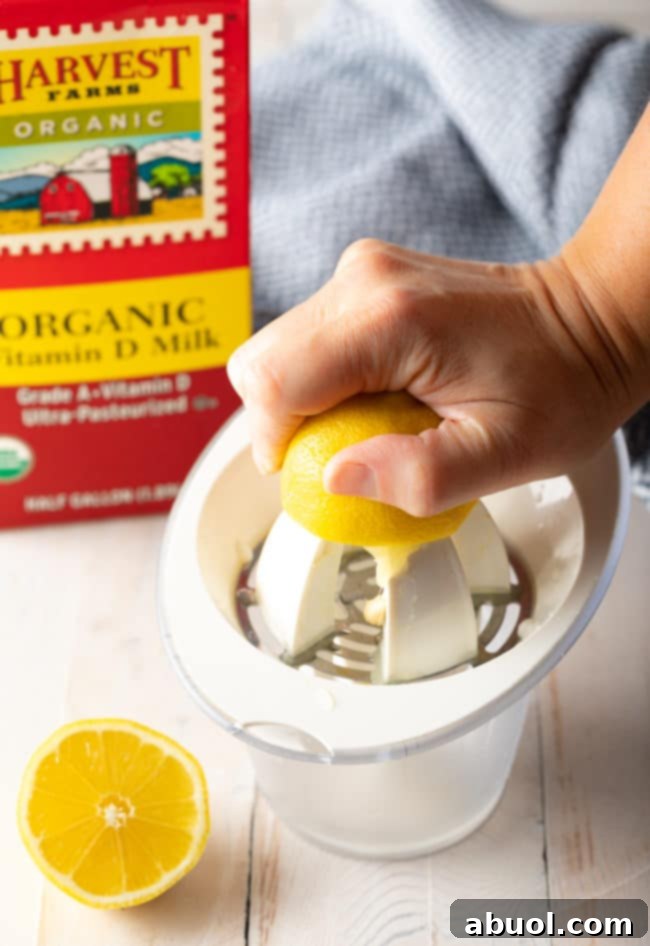
- Add the Acid: For every cup of milk, add one tablespoon of fresh lemon juice or white vinegar. If you initially underfilled the milk slightly, you can now top it up to the full one-cup mark after adding the acid. This ensures you have the correct total volume for your recipe.
- Gentle Stir: Give the milk and acidic agent a quick, gentle stir to combine them thoroughly. You don’t need to whisk vigorously; just ensure the acid is evenly distributed throughout the milk.
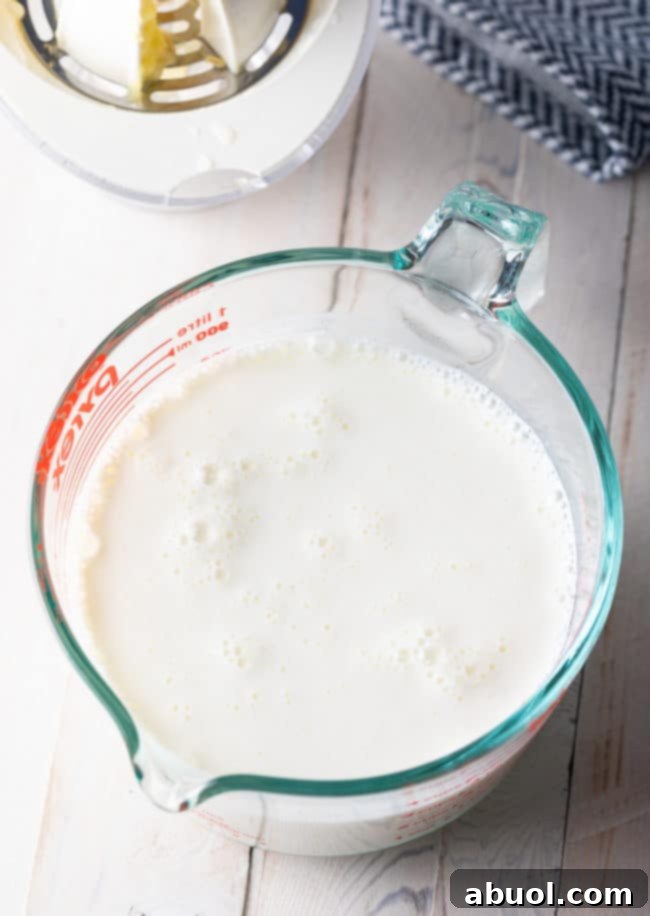
- Rest and Curdle: Now, the most important step: simply let the mixture sit undisturbed at room temperature for 5 to 10 minutes. During this time, the acid will react with the proteins in the milk, causing it to curdle and thicken. You’ll notice small clumps forming and the liquid becoming slightly thicker and more opaque. The longer it sits, the more pronounced the curdling will be, though 10 minutes is typically sufficient for most uses.
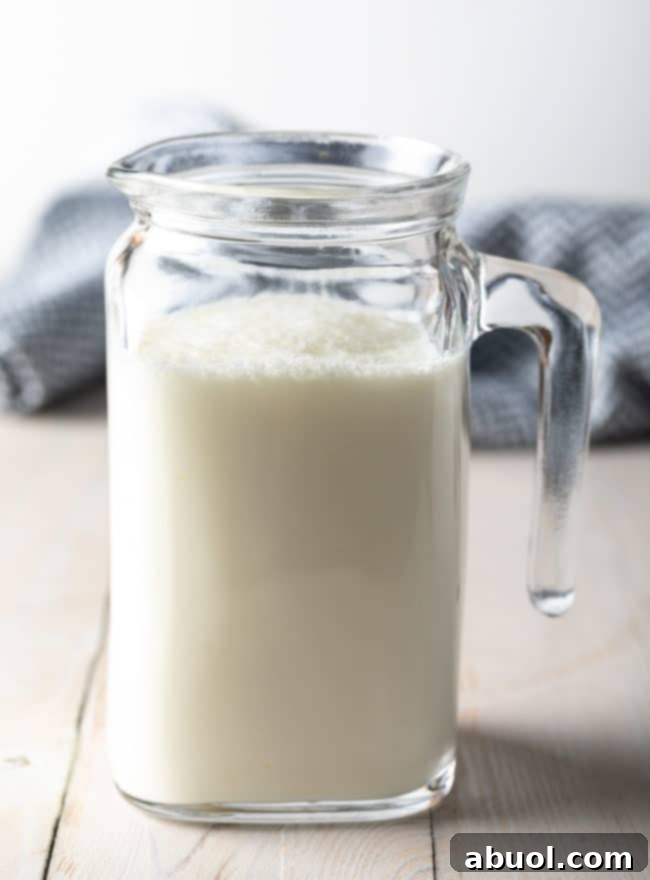
- Final Stir and Use: After the resting period, give the homemade buttermilk a final stir to reincorporate any settled curds. It should now have a slightly thickened consistency and a distinctly tangy aroma, characteristic of traditional buttermilk. Your fresh, homemade buttermilk is now ready to use in any recipe that calls for it!
For a comprehensive, printable version of this easy buttermilk recipe, including a video tutorial, scroll down!
Incredible Ways to Use Your Homemade Buttermilk
Now that you’ve mastered the art of making your own buttermilk, a world of culinary possibilities opens up! Buttermilk is a secret weapon in many recipes, lending a tender crumb to baked goods, a tangy depth to dressings, and a perfectly crisp coating to fried foods. Its acidity reacts with leavening agents like baking soda, creating light and airy textures that plain milk simply can’t achieve. Don’t limit yourself to just pancakes; explore these amazing recipes that truly shine with homemade buttermilk:
- Roasted Shrimp Salad with Creamy Buttermilk Dressing: The tang of buttermilk dressing perfectly complements the savory shrimp and fresh greens.
- Best Lemon Buttermilk Cake: Experience an incredibly moist and flavorful cake with a delicate crumb, thanks to buttermilk’s tenderizing properties.
- Pumpkin Sheet Cake with Buttermilk Frosting: Buttermilk adds a subtle tang and creaminess to frostings, balancing the sweetness and enhancing richness.
- Cherry Buttermilk Cupcakes: These cupcakes will be exceptionally soft and tender, with buttermilk contributing to their delightful texture.
- Homemade Chicken and Buttermilk Dumplings: Buttermilk ensures your dumplings are light, fluffy, and melt-in-your-mouth tender, rather than dense.
- Crispy Homemade Air Fryer Buttermilk Onion Rings: Soaking onion rings in buttermilk before breading helps tenderize them and creates a coating that adheres beautifully and crisps up perfectly.
- Moist Blueberry Bundt Cake: Buttermilk keeps this cake moist and flavorful, letting the blueberries truly shine.
- Fluffy Southern Cathead Buttermilk Biscuits: The quintessential buttermilk recipe! Essential for creating those towering, flaky, and tender biscuits.
- Grilled Romaine Salad with Tangy Buttermilk Dressing: A zesty buttermilk dressing adds a refreshing kick to this unique grilled salad.
Frequently Asked Questions (Buttermilk FAQ)
Can You Make This Buttermilk Substitute With Skim Milk?
Absolutely! While full-fat “whole milk” is often recommended for its creamier texture and richer taste in baking, you can successfully make this homemade buttermilk substitute with any kind of dairy milk. This includes skim milk, 1%, and 2% milk. The process remains the same; simply follow the instructions. Just keep in mind that thinner milks will produce a thinner liquid, which may slightly alter the final texture of some extremely delicate baked goods. However, for most applications, it works perfectly well.
Can You Make a Dairy-Free Buttermilk Substitute?
Yes, absolutely! Making a dairy-free or vegan buttermilk substitute is just as easy. Most non-dairy milks, such as almond milk, soy milk, oat milk, or coconut milk, will curdle when combined with an acidic agent like lemon juice or white vinegar. Simply follow the exact same instructions as you would for dairy milk: combine 1 cup of your preferred non-dairy milk with 1 tablespoon of lemon juice or vinegar, stir, and let it sit for 5-10 minutes until it visibly curdles. This is an excellent option for those with lactose intolerance, dairy allergies, or following a vegan diet, ensuring everyone can enjoy recipes calling for buttermilk.
Can Buttermilk and Regular Milk Be Used Interchangeably?
In most recipes, you can use buttermilk in place of standard milk, and vice-versa, with a few considerations. However, it’s not a direct 1:1 substitution. Buttermilk is thicker and typically contains less moisture than plain milk due to the curdling process. Therefore, if a recipe calls for 1 cup of plain milk and you’re using buttermilk, you might need to add an extra 1-2 tablespoons of buttermilk to ensure adequate moisture. Conversely, if a recipe specifically calls for 1 cup of buttermilk and you’re using regular milk, you should reduce the amount of plain milk by 1-2 tablespoons to account for the difference in consistency and moisture. Also, remember that buttermilk’s acidity is often integral to the leavening in baked goods, so swapping it for plain milk might require an adjustment to baking soda or powder.
How Long Does This Homemade Buttermilk Last?
Your homemade buttermilk substitute will generally last as long as the original milk you used, up to its expiration date. Typically, this means it can be stored in an airtight container in the refrigerator for about 2-4 weeks. Always check the expiration date on your milk carton for the most accurate guideline. Before each use, especially if it has been sitting for a while, give the container a good shake to remix the liquid and any settled curds. This ensures a consistent texture and flavor. If you notice any off smells, discoloration, or excessive mold, it’s always best to discard it.
What If My Buttermilk Doesn’t Curdle?
If your milk doesn’t appear to curdle sufficiently after 5-10 minutes, there are a few common reasons. Firstly, ensure your acidic agent (lemon juice or vinegar) is fresh and potent. Old or weakened acid may not have enough strength to curdle the milk effectively. Secondly, verify the ratio: did you use a full tablespoon of acid per cup of milk? Sometimes adding another half-teaspoon of acid can kickstart the process. Lastly, the temperature of the milk can play a role; slightly warmer milk (room temperature, not hot) tends to curdle more readily than very cold milk straight from the fridge. Give it a gentle stir and a few more minutes, or add a tiny bit more acid. Even if the curds aren’t extremely visible, the acid will have altered the milk’s pH, still providing that essential tangy flavor and tenderizing effect for your recipes.
Looking for More Clever Kitchen Hacks and Essential Recipes?
Mastering basic kitchen hacks like homemade buttermilk can truly transform your cooking and baking experience. If you love discovering simple ways to elevate your culinary skills and make the most of your pantry, then you’ll appreciate these other fantastic recipes and tips. Expand your kitchen repertoire with these resourceful guides:
- Craft Your Own Homemade Vanilla Extract: A thoughtful gift and a superior ingredient for all your baking.
- How to Make Peanut Butter with Just 1 Ingredient: Fresh, healthy, and customizable peanut butter in minutes.
- The Perfect Way to Cook Quinoa: Achieve fluffy, perfectly cooked quinoa every time.
- Unlock Flavor with How to Reverse Sear Steak: Master the technique for restaurant-quality steak at home.
- Simple Brown Sugar Syrup Recipe and Its Many Uses: A versatile syrup for drinks, desserts, and more.
- Clever Tricks: How to Ripen Bananas Fast: Essential for when you need ripe bananas for baking, fast!
- Create Your Own Aromatic Herb-Infused Honey: A delightful addition to teas, toasts, and savory dishes.
- Easy Homemade Orange Curd: A vibrant, tangy spread for desserts and breakfasts.
- Fragrant Lavender Simple Syrup: Elevate cocktails, lemonade, and desserts with a floral note.
- The Best Way to Cook Chickpeas from Scratch: Achieve tender, flavorful chickpeas for hummus, salads, and more.
- Velvety Fluffy Cashew Cream: A versatile dairy-free cream for both sweet and savory applications.
- Authentic Homemade Flour Tortillas: Fresher and more delicious than store-bought.
- Simple Fresh Ricotta Cheese Recipe: Experience the delicate flavor of homemade ricotta.
Ready to make it? Get the Full Printable How to Make Buttermilk (Easy Recipe + VIDEO) below. Enjoy!
How To Make Buttermilk
This tangy, creamy homemade buttermilk is quick and easy to make with just two ingredients: milk and lemon juice. In just 10 minutes, you’ll have fresh buttermilk ready to use in pancakes, cakes, or any recipe that calls for it!
Video Tutorial
Watch the full video on how to make buttermilk for a visual guide!
Ingredients
- 1 cup whole milk (or any milk of your choice)
- 1 tablespoon lemon juice (or white vinegar)
Instructions
- Pour milk into a one-cup measuring pitcher, stopping just shy of one full cup.
- Add one tablespoon of fresh lemon juice or white vinegar to the milk. If needed, add another splash of milk to the pitcher to ensure you have one full cup of liquid.
- Stir the milk and lemon juice gently to mix well.
- Allow the mixture to sit undisturbed and curdle for 5 to 10 minutes at room temperature.
- Then stir again to reincorporate any curds and use as needed in your recipes.
Notes
This Homemade Buttermilk Substitute will last as long as the regular milk you used (usually 2-4 weeks) when stored in an airtight container in the refrigerator. Shake well before each use.
Nutrition Information (Approximate per 1 cup serving)
- Serving: 1 cup
- Calories: 150 kcal
- Carbohydrates: 12g
- Protein: 8g
- Fat: 8g
- Saturated Fat: 5g
- Polyunsaturated Fat: 0.3g
- Monounsaturated Fat: 2g
- Cholesterol: 29mg
- Sodium: 93mg
- Potassium: 381mg
- Fiber: 0.1g
- Sugar: 12g
- Vitamin A: 396 IU
- Vitamin C: 6mg
- Calcium: 301mg
- Iron: 0.01mg
Nutrition values are estimates and may vary based on ingredients used.