
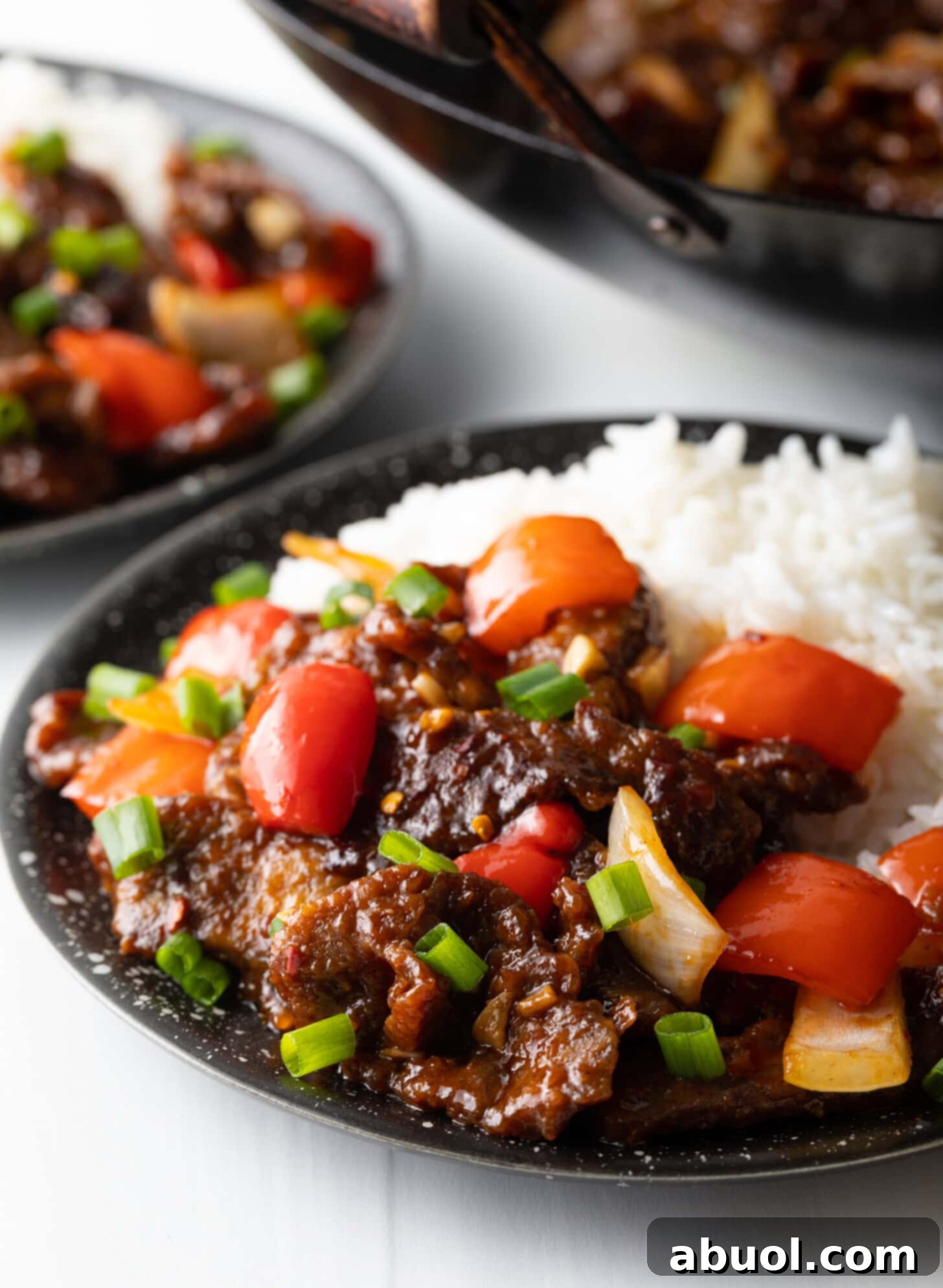
Unlock the secret to your favorite takeout with this incredible Beijing Beef Panda Express copycat recipe. Featuring succulent beef, vibrant vegetables, and a signature sweet and tangy glaze, this stir-fry is simple to prepare at home using wholesome ingredients, promising a delightful family meal that rivals the restaurant original.

From My Kitchen to Yours: Mastering Beijing Beef
There’s something uniquely satisfying about Chinese takeout. While some find solace in a juicy burger, for me, it’s the irresistible flavors of fast-food Asian cuisine. And I know I’m not alone in this culinary passion! Our community consistently shows immense love for our Panda Express copycat recipes, from the fiery Kung Pao Chicken to the beloved Orange Chicken and the savory Black Pepper Chicken Stir Fry. These dishes consistently rank among our most popular, proving that the desire to recreate restaurant favorites at home is a shared joy.
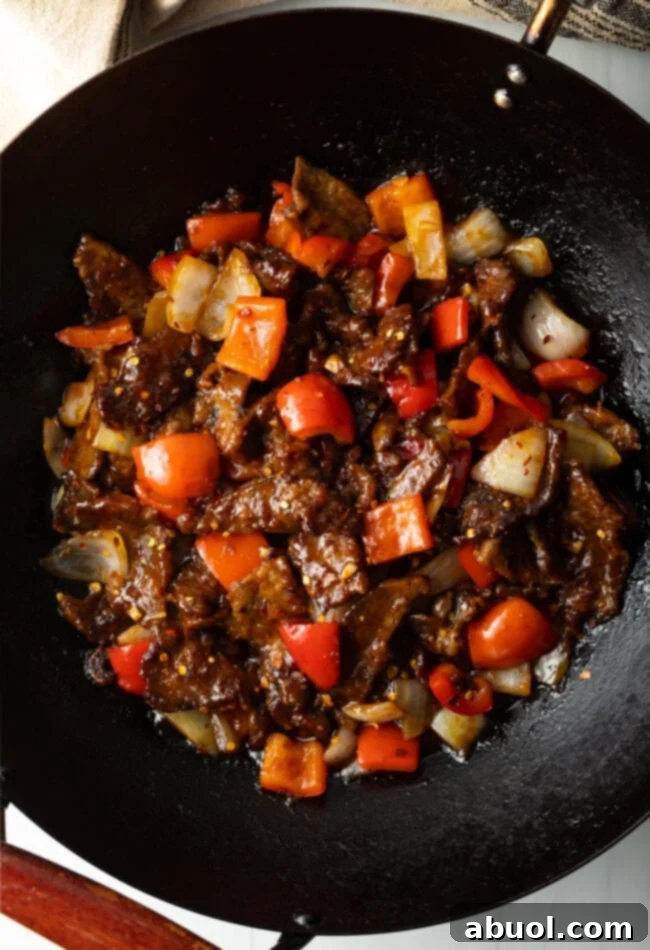
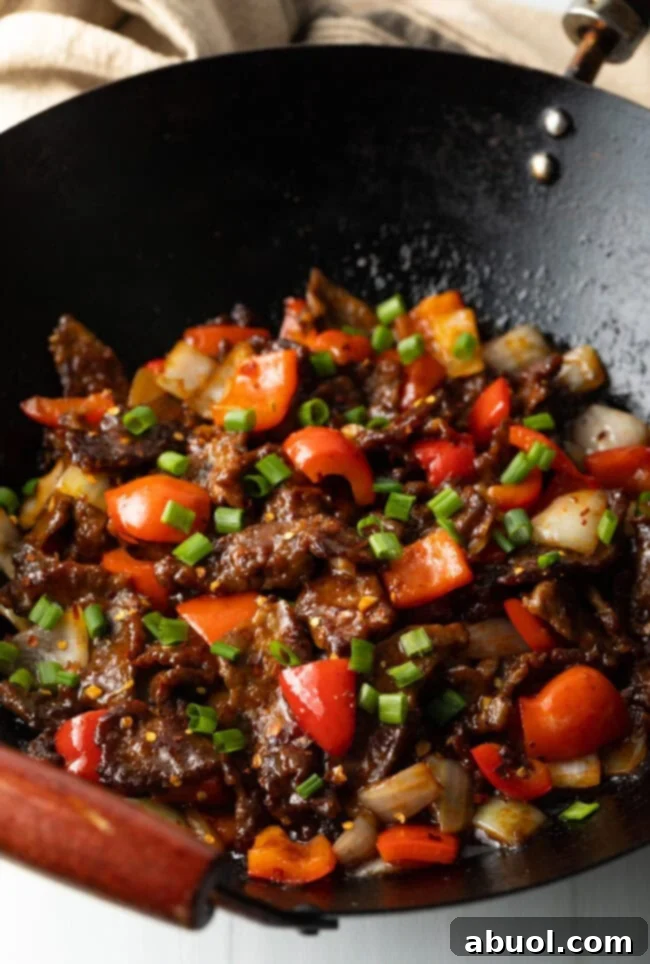
Today, I’m thrilled to introduce another recipe that I’m confident will become an instant reader favorite: our perfected rendition of Beijing Beef, inspired by the iconic Panda Express dish. This simple yet sophisticated stir-fry features tender strips of beef, expertly fried to a delightful crisp, then coated in a rich, sticky sweet glaze. Paired with crisp-tender onions and bell peppers, it delivers that signature sweet, tangy, and slightly spicy flavor profile you crave. The secret lies in a meticulous cooking process, where the beef is first fried to achieve its distinct texture before being stir-fried with the aromatic vegetables and the luscious sauce, ensuring every bite is a harmonious blend of crunch and flavor.
Why You’ll Fall in Love with This Homemade Beijing Beef
- Lightning-Fast Meal – Ditch the long waits and drive-thru lines! This incredibly flavorful beef and vegetable stir-fry comes together in approximately 30 minutes from start to finish. It’s perfect for those busy weeknights when you crave a delicious, homemade meal without spending hours in the kitchen.
- Your New Meal-Prep Champion – Prepare a larger batch of this Beijing Beef, and thank yourself later! The leftovers are not just good; they’re fantastic, often tasting even better the next day as the flavors meld and deepen. Incorporate this dish into your weekly meal-prep routine for convenient and delicious lunches or effortless dinners throughout the week.
- Superior to Takeout – While we all love the convenience of takeout, this homemade version of Panda Express’s classic Beijing Beef offers a distinct advantage. You have complete control over the ingredients, allowing you to choose fresh, high-quality components and adjust oil and sodium levels to your preference. Enjoy a healthier, fresher, and arguably more delicious version of your favorite, right from your own kitchen.
This sweet and tangy Beijing Beef Panda Express copycat recipe is the ideal choice for a casual, family-friendly weeknight dinner. It’s bursting with vibrant flavors that will please everyone at the table, making it a go-to recipe for satisfying your cravings for Asian-inspired cuisine at home.
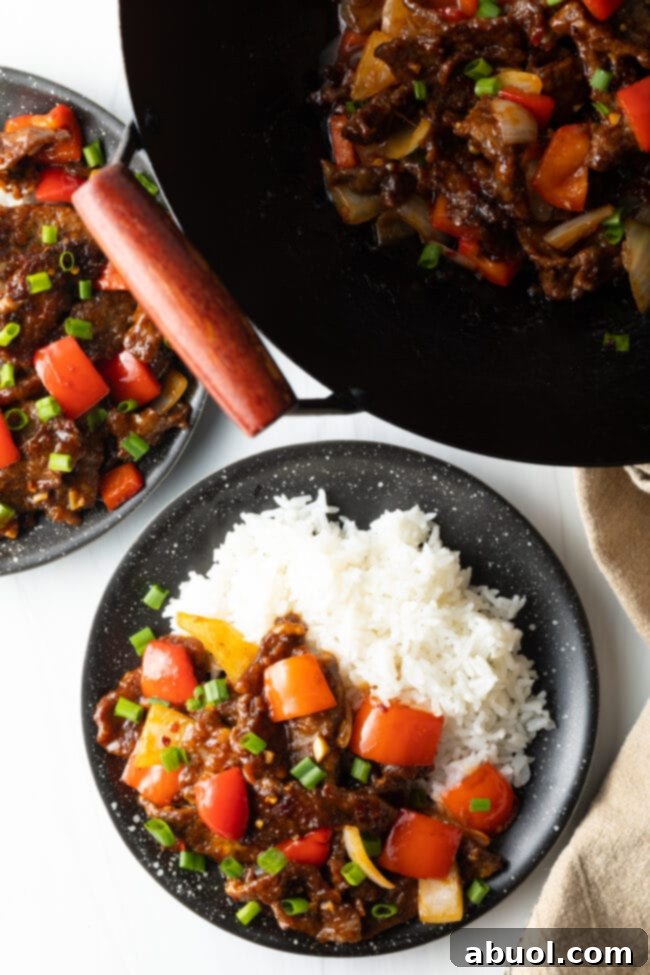
Essential Ingredients for Perfect Beijing Beef
Crafting this iconic dish requires a thoughtful selection of ingredients. Each component plays a crucial role in replicating the distinctive sweet, tangy, and crispy experience of Panda Express Beijing Beef. Here’s a breakdown of what you’ll need and some tips for choosing the best quality:
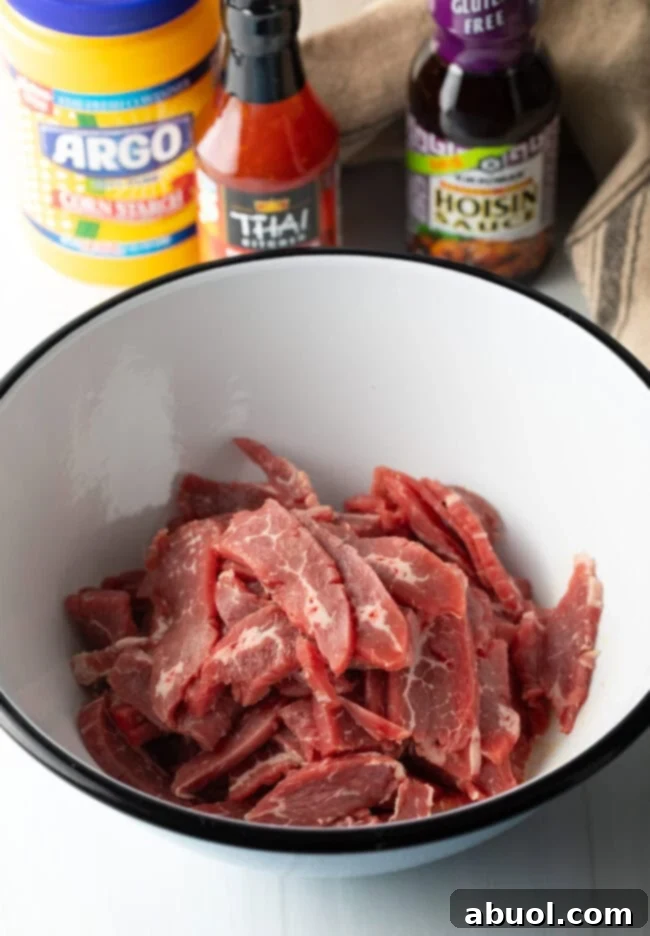
- Flank Steak – This cut of beef is a stir-fry superstar! Flank steak is prized for its lean texture and rich flavor. When sliced thinly against the grain, it becomes wonderfully tender, absorbing the marinade and sauce beautifully. Opt for a piece that is firm and reddish-pink.
- Cornstarch – The secret to that irresistible crispy coating! Cornstarch creates a light, golden-brown crust on the beef strips when fried, giving them the perfect crunch that defines Beijing Beef. It also helps to thicken the sauce, creating that desirable sticky glaze.
- Bell Pepper – Adding color, sweetness, and a fresh crunch. While the original often uses red bell peppers, feel free to use your preferred choice of red, yellow, orange, or even green peppers. Red and orange bell peppers tend to be sweeter and add a beautiful visual contrast.
- Onion – A foundational aromatic that provides a sharp, savory bite. I particularly favor white onion for its robust flavor and ability to hold its texture in a stir-fry, complementing the sweetness of the sauce.
- Oil – Crucial for achieving that restaurant-quality fry. Use a high-heat, neutral-flavored oil such as vegetable, canola, or avocado oil. These oils have a high smoke point, which is essential for frying the beef to a perfect crisp without burning.
- Scallions – More than just a garnish, freshly sliced scallions add a touch of vibrant green, a mild oniony freshness, and a delicate finish that brightens the entire dish. Don’t skip this final flourish!
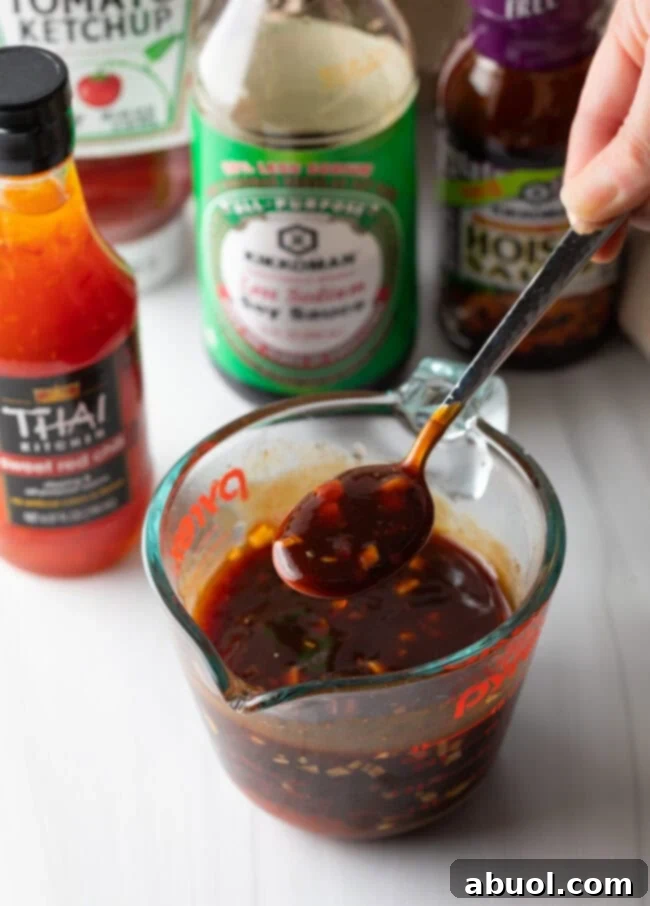
- Signature Sauces – The heart of Beijing Beef lies in its perfectly balanced sauce. To create that unmistakable sweet and sour blend, you’ll need a quartet of Asian pantry staples:
- Ketchup: Provides a classic sweet and tangy tomato base.
- Hoisin Sauce: A thick, fragrant, and sweet-savory sauce that adds depth and umami.
- Sweet Chili Sauce: Delivers a delightful blend of sweetness with a gentle kick of heat.
- Soy Sauce: Offers essential saltiness and a rich umami foundation.
Recipe Variations and Dietary Swaps for Every Taste
One of the beauties of stir-fries is their versatility. This Beijing Beef recipe can easily be adapted to suit various dietary needs or simply to experiment with different flavors and textures. Don’t hesitate to make it your own!
- Alternate Proteins – While beef is traditional, this recipe is incredibly adaptable. Swap the flank steak with thinly sliced chicken breast or thighs for a “Beijing Chicken.” For a vegetarian option, firm or extra-firm tofu, pressed and cubed, works wonderfully, absorbing the flavors of the sauce. You could even try chunks of salmon for a unique seafood twist, keeping in mind that cooking times will vary for different proteins.
- Gluten-Free Adaptation – Enjoy this flavorful dish even if you’re avoiding gluten. Simply ensure you use certified gluten-free alternatives for both soy sauce (such as tamari or coconut aminos) and hoisin sauce. Many brands now offer gluten-free versions of these sauces, making it easy to enjoy this recipe safely.
- Crank Up the Heat – If you’re a fan of spicy food, this dish is your canvas! Amp up the heat by adding extra crushed red pepper flakes to the sauce. You can also incorporate a pinch of cayenne pepper or a dash of your favorite chili oil for an even bolder flavor.
- Enhance the Tang – For those who prefer a more pronounced sour note in their sweet and sour, a splash of rice vinegar or apple cider vinegar added to the sauce will do the trick. Start with a teaspoon and add more to taste until you achieve your desired tanginess.
- Boost Your Veggies: Stir-fries are perfect for incorporating more vegetables. Beyond the classic bell peppers and onions, consider adding broccoli florets, chopped bok choy, sliced carrots, snap peas, or even mushrooms. Add harder vegetables like broccoli or carrots early in the stir-frying process to ensure they cook through, while softer ones like bok choy or snap peas can be added towards the end.
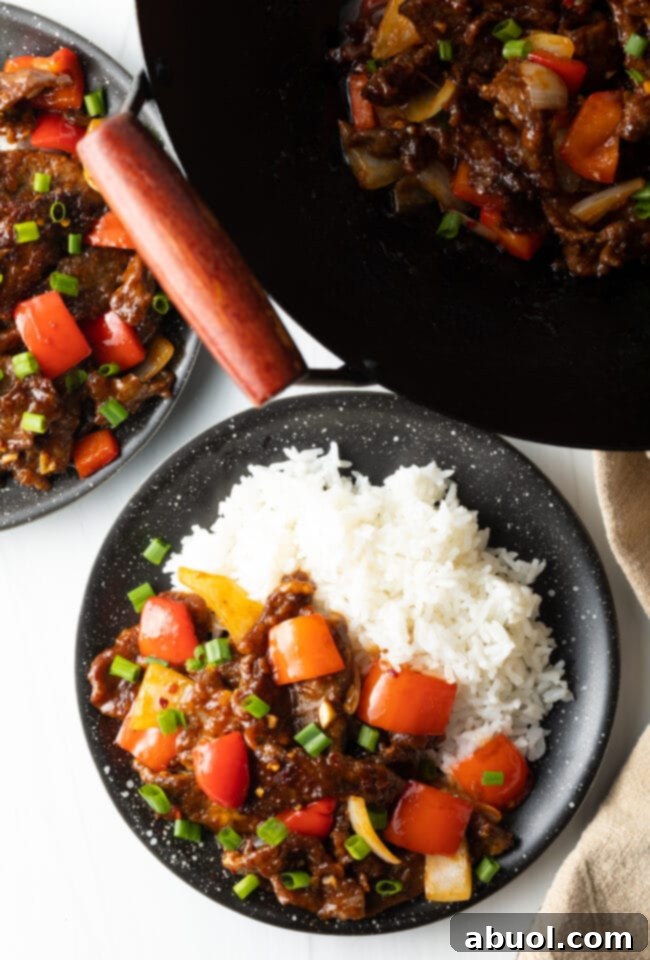
Crafting Your Beijing Beef: A Step-by-Step Guide
Making this sweet and tangy Beijing Beef Panda Express copycat recipe is a rewarding process that comes together quicker than you might think. The core steps involve preparing your beef for optimal crispiness, whisking together the flavorful sauce, and then bringing it all together in a hot wok or sauté pan. With a little prep, you’ll be enjoying a restaurant-quality meal at home in no time.
For the complete Beijing Beef Panda Express recipe, including detailed ingredient quantities, step-by-step instructions, and comprehensive storage tips, please refer to the printable recipe card located at the bottom of this post.
Chef’s Secrets: Achieving Perfect Beijing Beef Every Time
To ensure your homemade Beijing Beef is just as good, if not better, than the takeout version, pay attention to these key tips. These insights will help you master the technique and achieve the perfect balance of crispy beef and flavorful sauce:
- Master Your Mise En Place. “Mise en place” is a French culinary term meaning “everything in its place,” and it’s absolutely critical for stir-fries. Beijing Beef cooks incredibly fast, so there’s no time to chop or measure once you start. Have all your ingredients – the thinly sliced beef, diced vegetables, and pre-mixed sauce – chopped, measured, and laid out within arm’s reach before you even turn on the stove. This streamlines the cooking process and prevents anything from burning.
- Select and Prepare the Right Cut of Beef. For truly tender Beijing Beef, the cut and preparation of your beef are paramount. Flank steak, sirloin, or even ribeye are excellent choices. The most important step is to slice the beef very thinly, always cutting against the grain. This breaks down the muscle fibers, ensuring each strip is melt-in-your-mouth tender. Partially freezing the beef for about 20-30 minutes before slicing can make this task significantly easier and more precise.
- Double-Coat for Unbeatable Crispy Beef. That signature crispiness is achieved by a clever coating method. After marinating, toss the beef strips generously in cornstarch. For an even crispier texture, you can use a mixture of cornstarch and a small amount of flour. Fry the beef in small batches to avoid overcrowding the pan, which lowers the oil temperature and can lead to soggy beef. Fry until each piece is beautifully golden brown and crunchy, then set aside.
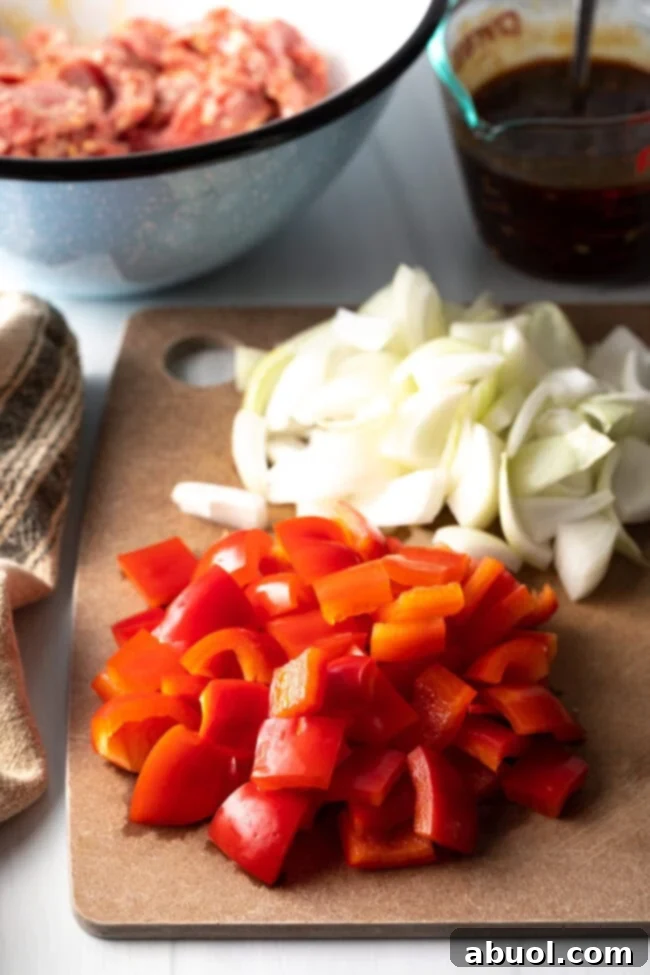
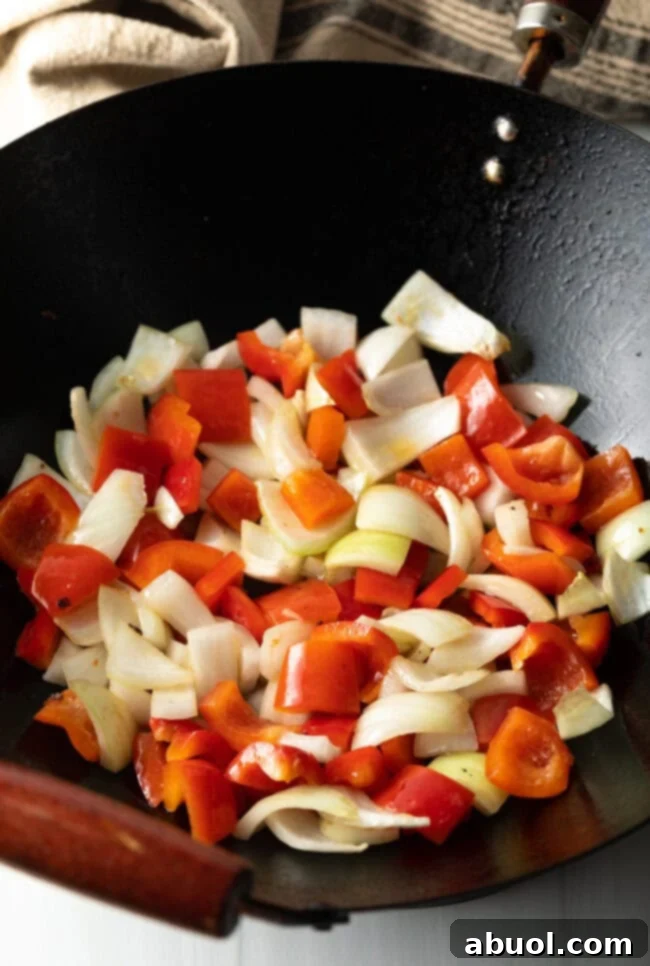
- Embrace Fresh, Vibrant Vegetables. Freshness matters! Red bell peppers and onions are key to the authentic Panda Express Beijing Beef flavor and visual appeal. Cut your vegetables into uniform, similar-sized pieces (about 1-inch cubes) to ensure they cook evenly and retain a pleasant, crisp-tender texture, providing a delightful contrast to the crispy beef.
- Achieve Optimal Frying Temperature. The oil temperature is crucial for crispy beef. Aim for a temperature between 350–375°F (175–190°C). If your oil isn’t hot enough, the cornstarch coating will absorb too much oil and become greasy and soggy instead of crispy. If it’s too hot, the coating will burn before the beef cooks through. Use a thermometer or test with a single piece of beef.
- Combine Ingredients Swiftly. Stir-fries are all about speed and high heat. Once your beef is crispy and your vegetables are crisp-tender, quickly toss them together in the pan with the prepared sauce. Work efficiently to ensure everything is coated evenly in the sticky glaze without overcooking the beef, which could cause it to lose its cherished crispiness.
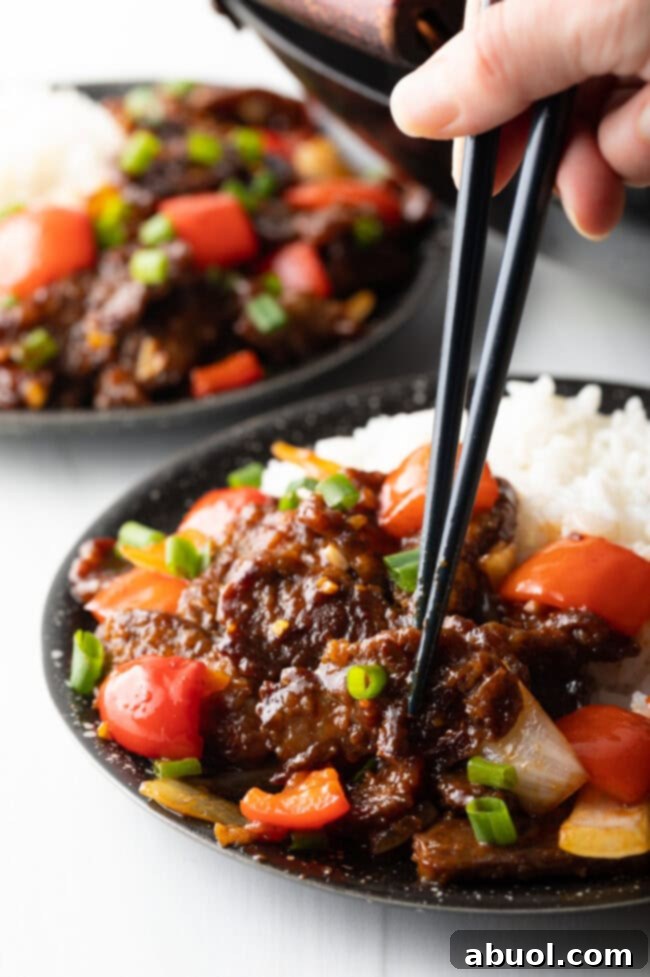
- Serve Immediately for Best Results. Beijing Beef is truly at its peak when served fresh and hot. The crispy texture of the beef and the vibrant flavors of the sauce are best enjoyed right after cooking. Pair it with fluffy steamed rice or flavorful fried rice for the ultimate authentic Panda Express experience.
Storing and Reheating Your Beijing Beef
This Beijing Beef recipe is not only delicious freshly made but also performs wonderfully as leftovers, making it a fantastic candidate for meal prepping. Here’s how to properly store and reheat your dish:
- Storing Leftovers – Once your Beijing Beef has cooled to room temperature, transfer it to an airtight container. This is crucial for maintaining freshness and preventing spoilage. Store the container in the refrigerator, where it will remain delicious for up to 3 to 4 days. I often find the flavors deepen overnight, making it even more enjoyable the next day.
- Reheating Leftovers – To best preserve the texture and flavor, reheat your Beijing Beef in a skillet over medium or medium-low heat. Add a tiny splash of water or broth to help rehydrate the sauce and prevent sticking. Stir gently until heated through. Alternatively, you can reheat in the microwave in short bursts, stirring in between, but be mindful that the beef might lose some of its crispiness.
- Freezing is Not Recommended – While many dishes freeze well, I do not recommend freezing Beijing Beef. Bell peppers, in particular, tend to become quite mushy and lose their desirable texture once frozen and then reheated. For the best culinary experience, enjoy this dish fresh or within a few days from the refrigerator.
Perfect Pairings: What to Serve with Beijing Beef
To complete your homemade Panda Express experience, consider these delightful serving suggestions that complement the rich flavors of Beijing Beef:
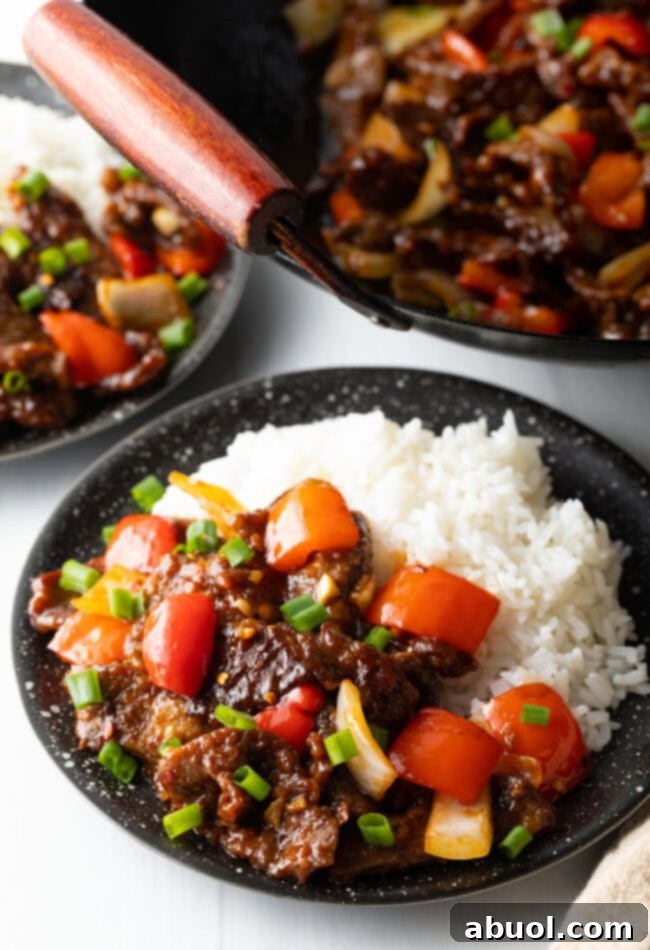
The most classic accompaniment is, of course, fluffy white rice or brown rice. Its neutral flavor and comforting texture perfectly balance the bold, sweet, and tangy beef. For those who crave more substantial carb-y goodness, you can easily swap out the rice or add a generous serving of noodles. Try this Lo Mein with Vegetables or a savory Chow Mein on the side for an even heartier, more satisfying meal.
If you’re looking to keep things low-carb, you don’t have to miss out on the goodness. Opt for light and fluffy Roasted Cauliflower Rice or a flavor-packed Loaded Cauliflower Fried Rice. These alternatives absorb the sauce beautifully and add a healthy vegetable boost.
Either way, you absolutely must pair your Beijing Beef with homemade Panda Express Super Greens. This vibrant, nutritious side dish brings that complete “better-than-the-restaurant” vibe to your table. The fresh, crisp greens provide a wonderful contrast to the rich beef. I also highly recommend serving this dish alongside a batch of homemade Potstickers (Chinese Dumplings) for an even more elaborate and delightful Asian-inspired feast!
Beijing Beef From Panda Express
Ingredients
For the Stir Fry –
- 1 – 1 ¼ pounds flank steak
- 1 large egg
- ¼ cup cornstarch
- ½ teaspoon salt
- 1 large red bell pepper seeded and chopped into 1-inch pieces
- 1 cup onion 1-inch pieces
- ½ cup vegetable oil for frying
- ¼ cup chopped scallions for garnish
For the Stir Fry Sauce –
- ¼ cup ketchup
- ¼ cup hoisin sauce
- ¼ cup sweet chili sauce
- 2 tablespoon soy sauce
- 3-4 cloves minced garlic
- ½ – 1 teaspoon crushed red pepper
Instructions
-
Begin by preparing your beef. Slice the flank steak into thin strips, cutting against the grain, about 2 to 3 inches long. This step is much easier if the beef is partially frozen, as it helps maintain its shape for clean cuts. Place the beef strips into a large mixing bowl. Add one large egg, ¼ cup of cornstarch, and ½ teaspoon of salt. Gently toss all ingredients together until the beef strips are evenly coated on all sides.
-
Next, prepare your vegetables. Chop the bell pepper and onion into roughly 1-inch cubes and set them aside. Also, finely chop the scallions for use as a fresh garnish later.
-
In a medium bowl or measuring pitcher, combine the ingredients for your stir-fry sauce: ketchup, hoisin sauce, sweet chili sauce, soy sauce, minced garlic, and crushed red pepper. Whisk or stir well until all ingredients are thoroughly mixed and smooth.
-
Place a wok or a large sauté pan over medium-high heat. Add the vegetable oil to the wok and allow it to heat up sufficiently. Prepare a holding plate lined with paper towels next to your cooking station; this will be for the fried beef.
-
Once the oil is hot and shimmering, carefully add about ¼ of the coated beef strips into the fry oil. Use tongs to gently move the strips around the wok to ensure even cooking. Stir-fry for 1 to 3 minutes, or until the beef is beautifully browned and crispy. Using tongs, transfer the cooked beef to the prepared holding plate. Repeat this process with three more small batches of beef strips until all the beef is cooked.
-
Carefully pour out most of the remaining oil from the skillet, leaving approximately 1 tablespoon behind. Increase the heat slightly if needed, then add the chopped onions and bell peppers to the hot wok. Stir-fry for 1 to 2 minutes until they are crisp-tender. Now, return all the crispy beef strips to the wok, immediately followed by the prepared stir-fry sauce. Toss everything well to ensure the beef and vegetables are thoroughly coated in the sticky glaze. Continue to stir-fry for another 2 to 3 minutes, allowing the sauce to thicken and cling to the ingredients.
-
Remove the wok from the heat. Sprinkle generously with the chopped scallions for a fresh finish. Serve your homemade Beijing Beef warm, ideally over fluffy fried rice or classic white rice. Enjoy!
Notes
This recipe is naturally Gluten-Free if you choose certified GF hoisin and soy sauce brands! Always check labels for hidden gluten.
For a healthier take, you can significantly reduce the amount of oil used and skip the deep frying. While this will alter the signature crispy texture found at Panda Express, the dish will still be delicious. To do this, add just 1-2 tablespoons of oil to the wok and stir-fry the beef for 1-3 minutes until browned, before stir-frying the vegetables and adding the sauce.
Beijing Beef often tastes even more delicious the next day as the flavors have more time to meld. Once leftovers are completely cool, transfer them to an airtight container and store in the fridge for up to 3 or 4 days. This makes it an excellent option for meal prepping healthy and satisfying lunches.
I do not recommend freezing this dish. Bell peppers, in particular, tend to become mushy and lose their vibrant texture when frozen and then reheated. For optimal quality, it’s best enjoyed fresh or from the refrigerator.
Nutrition
Frequently Asked Questions About Beijing Beef
Beijing Beef offers a delightful symphony of flavors and textures. It features strips of tender beef, fried to a perfect crisp, and then coated in a rich, sticky glaze. This glaze is predominantly sweet and tangy, with a savory umami depth, often complemented by a subtle hint of spicy flavor from crushed red pepper. The beef is tossed with sautéed bell peppers and onions, adding a fresh, crisp-tender element that balances the richness of the meat and sauce.
Absolutely! This homemade Beijing Beef recipe can be made entirely gluten-free with a simple adjustment. The key is to ensure that you use certified gluten-free versions of hoisin sauce and soy sauce. Many brands offer excellent gluten-free alternatives, such as tamari for soy sauce. Always check the ingredient labels to confirm there are no hidden gluten-containing ingredients.
For health-conscious cooks, it is possible to prepare this stir-fry with significantly less oil, or even without the deep-frying step. However, it’s important to note that omitting the majority of the oil will result in a different texture, as the beef will not have the signature crispy coating that is characteristic of the Panda Express version. To reduce oil, add just 1-2 tablespoons of oil to your wok or pan and stir-fry the beef for 1-3 minutes until browned, then proceed with stir-frying the vegetables and adding the sauce as directed.
Flank steak is widely considered the best cut for Beijing Beef due to its robust flavor and fibrous texture, which becomes incredibly tender when sliced thinly against the grain. Other suitable options include sirloin steak or even skirt steak. The most crucial aspect is how you slice it: thin cuts against the grain will ensure a tender result.
Explore More Asian-Inspired Recipes
If you loved this Beijing Beef copycat, you’re in for a treat! Discover more of our popular Asian-inspired recipes that bring the vibrant flavors of your favorite restaurants right into your home kitchen. From spicy to savory, there’s something for everyone to enjoy.
We hope you enjoy bringing the flavors of Panda Express to your table with this fantastic Beijing Beef recipe. It’s truly a dish that combines the comfort of homemade cooking with the excitement of restaurant-style flavors. Happy cooking!