
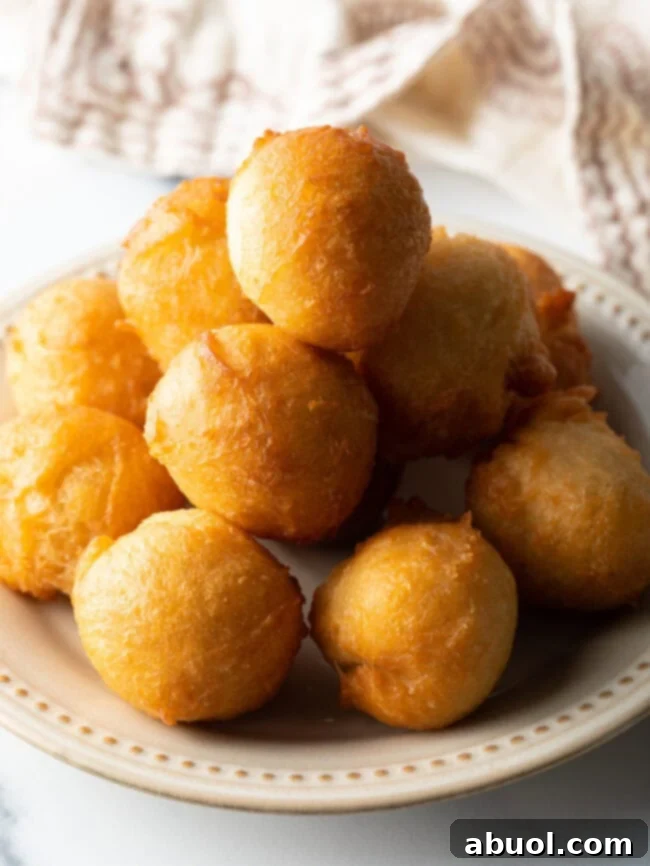
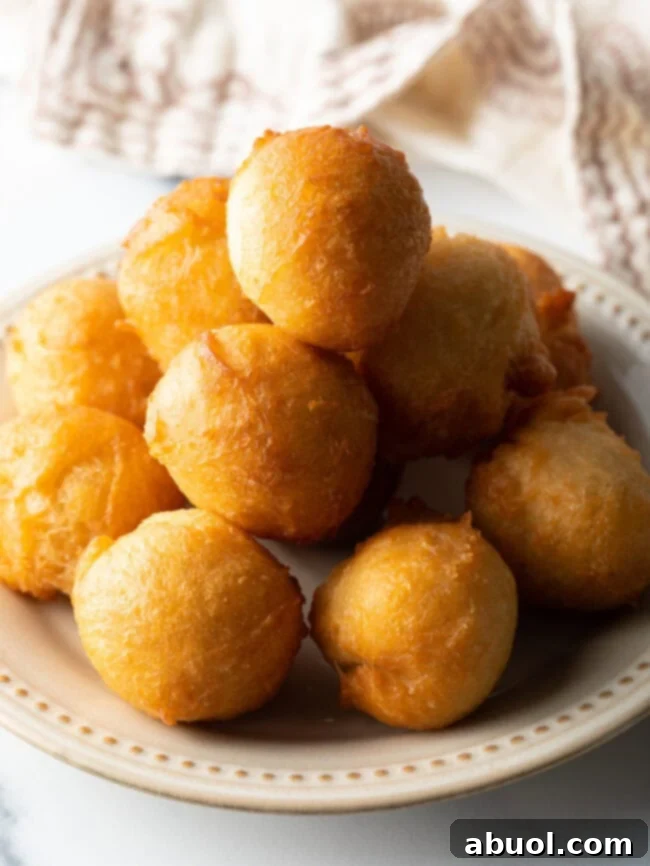
This South African Fat Cake Recipe makes delicious bites of crisp, fluffy, and tender fried dough perfect for stuffing with sweet or savory goodies!

Discover the Authentic South African Fat Cake (Vetkoek) Recipe
Embark on a culinary journey to South Africa with this incredible Fat Cake Recipe, also famously known as Vetkoek. These golden, deep-fried dough balls are a beloved staple in South African cuisine, offering a delightful combination of crispy exterior and a wonderfully soft, airy interior. Perfect for any meal or snack, Vetkoek can be enjoyed plain, drizzled with honey, or stuffed with an array of sweet or savory fillings, making them incredibly versatile and utterly irresistible.
A Taste of South Africa: Our Family’s Favorite Vetkoek Story
A few years ago, my daughter, Ava, had the incredible opportunity to travel to South Africa. Among the many vibrant experiences she shared upon her return, one culinary delight stood out: the humble yet profoundly satisfying South African Fat Cake. Her stories of these warm, comforting fried doughs, often enjoyed as a quick snack or a hearty meal, inspired us to recreate them in our own kitchen. The moment we tasted our homemade Vetkoek, the entire family was smitten!
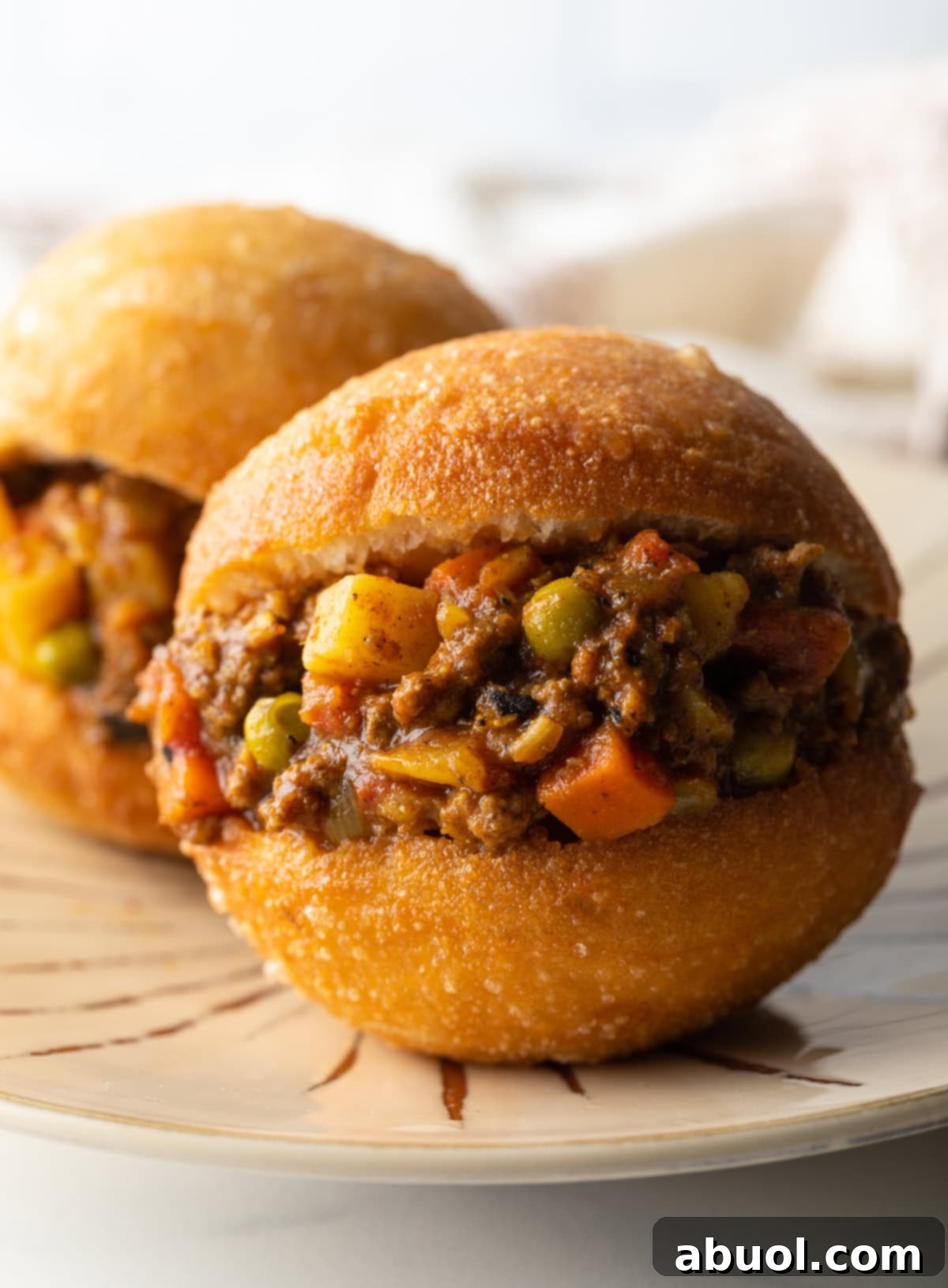
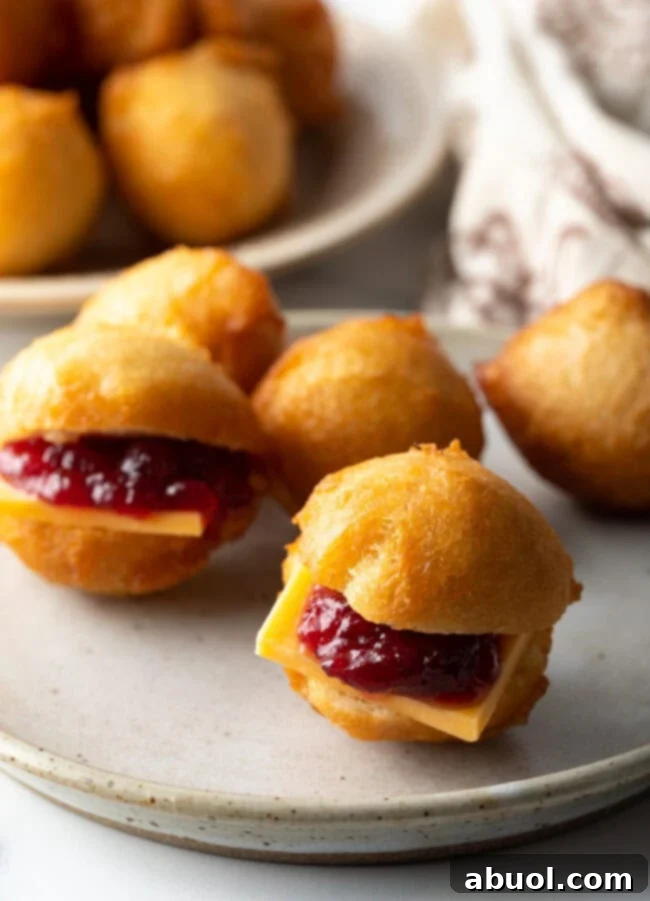
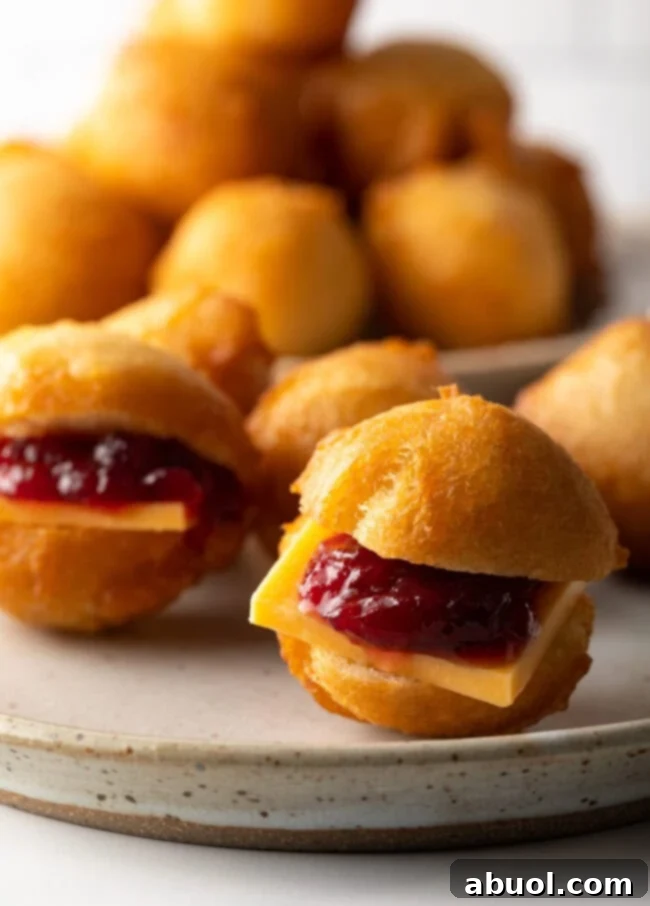
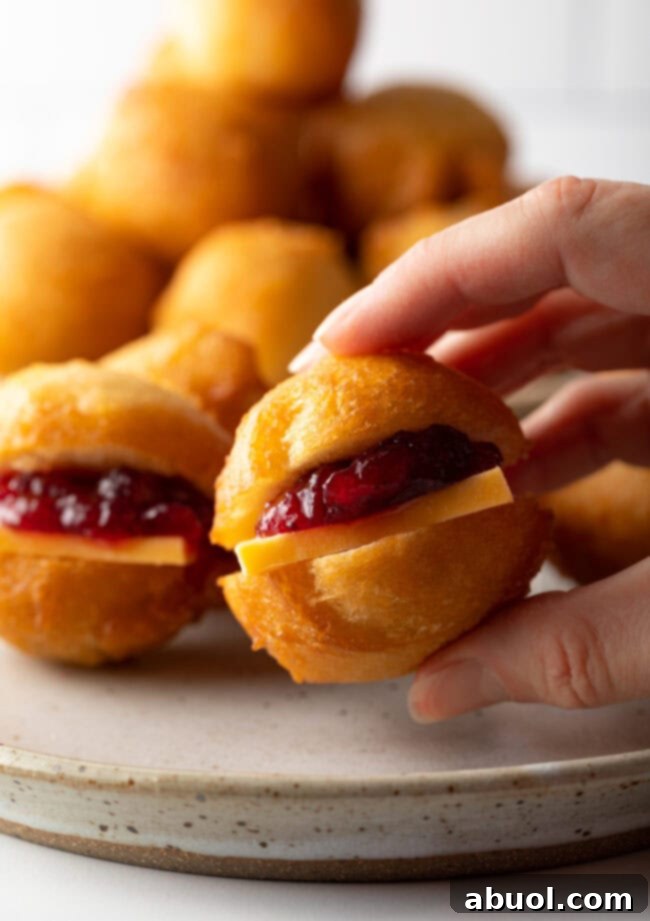
Fat cakes are a quintessential part of South African, Botswana, and other Southern African countries’ food culture. They are a type of fried dough, similar in concept to doughnuts but typically unsweetened or lightly sweetened, allowing them to perfectly complement a wide range of fillings. While traditionally made with yeast, there are also quicker versions using baking powder. These delightful pockets of goodness resemble soft hamburger buns, just waiting to be filled. Ava fondly recalled her favorite way to eat them: generously stuffed with a combination of sharp cheddar cheese and sweet jam – a surprising yet utterly delicious pairing that perfectly balances sweet and savory notes.
In this comprehensive guide, we’ll primarily focus on the classic yeast-risen fat cake, which offers that distinct fluffy texture and rich flavor. However, we haven’t forgotten about those who prefer a quicker route! We’ve also included a simple recipe for a larger, flatter baking powder version, alongside our mouth-watering curried minced meat filling recipe, guaranteed to elevate your Vetkoek experience.
Why This Vetkoek Recipe Will Become Your New Favorite
- Unforgettable Texture Symphony – Prepare for a truly sensational culinary experience! These fat cakes are engineered for textural perfection. Each bite delivers a satisfying crunch from their golden, crispy exterior, giving way to an incredibly soft, fluffy, and tender crumb on the inside. It’s a contrast that will leave you craving more.
- Unleash Your Creativity: Sweet or Savory Versatility – One of the greatest joys of Vetkoek is its incredible adaptability. Whether your palate craves something sweet or savory, these fried doughs are the perfect canvas. Fill them with anything from decadent chocolate spreads and fresh fruit to spicy curried mince or tangy cheeses. The possibilities are truly endless, making them ideal for any time of day.
- Effortless Home Cooking with Simple Pantry Staples – Don’t let the idea of making fried dough intimidate you. This recipe relies on a handful of basic, readily available ingredients that you likely already have in your pantry. No exotic items or complex techniques required! You’ll be amazed at how easily you can create these delicious South African treats right in your own kitchen.
- A Warm Embrace of Comfort Food – More than just a snack, Vetkoek embodies comfort. This nostalgic Fat Cake Recipe brings a taste of tradition and warmth, making it one of the most heartwarming and satisfying comfort food recipes you’ll ever try. It’s perfect for sharing with family and friends, creating new cherished memories around delicious food.
Essential Ingredients for Fluffy Fat Cakes and Expert Tips
Crafting the perfect Vetkoek begins with understanding the role of each ingredient. Here’s what you’ll need, along with some invaluable tips to ensure your fat cakes are a resounding success:
- Bread Flour: For the authentic fluffy and slightly chewy texture of traditional Vetkoek, bread flour is your best friend. Its higher protein content develops more gluten, which gives the dough its signature elasticity and structure. While you can use all-purpose flour in a pinch, be aware that the final texture will be slightly less chewy and airy.
- Active Dry Yeast: This is the leavening agent responsible for those beautiful air pockets and the impressive rise of your dough. Active dry yeast needs to be “activated” in warm water with a touch of sugar before being combined with other ingredients. Do not try to substitute with instant yeast in this specific recipe, as the method is tailored for active dry yeast to achieve just the right fluffy texture.
- Granulated Sugar: Sugar plays a dual role here. Firstly, it feeds the yeast, helping it to activate and multiply, which contributes to the dough’s rise. Secondly, a moderate amount of sugar helps keep the dough moist and adds a subtle sweetness that balances the savory potential of the fat cakes, enhancing their overall flavor.
- Water: The foundational liquid for your dough. The temperature of the water is crucial when working with active dry yeast. It needs to be lukewarm – just slightly warmer than your skin’s temperature (around 105-115°F or 40-46°C). Water that is too hot will kill the yeast, preventing your dough from rising, while water that is too cold won’t activate it effectively.
- Salt: A small amount of salt is essential for flavor and also helps to control yeast activity, preventing the dough from rising too quickly.
- Fry Oil: Choosing the right oil for frying is key to achieving a crispy, golden exterior without a greasy taste. Opt for a high-heat oil with a neutral flavor profile. Excellent choices include sunflower oil, peanut oil, safflower oil, or canola oil. Ensure you have enough oil to submerge the fat cakes for even cooking.
Endless Possibilities: Vetkoek Variations and Filling Ideas
The beauty of Vetkoek lies in its adaptability. Once you master the basic dough, you can experiment with countless variations and fillings to suit any taste or dietary preference. Here are some inspiring ideas:
- Whole Wheat Wonders – For a slightly healthier and heartier version, swap out half or all of the bread flour with whole wheat flour. This will introduce a nuttier flavor and increase the fiber content, offering a more rustic take on the classic. Adjust water quantity slightly as whole wheat flour can absorb more liquid.
- Stuffing Sensations – The interior of a Vetkoek is a blank canvas for your culinary imagination. The options are truly endless!
- Sweet Indulgences: Stuff them with vanilla ice cream, chocolate ganache, fresh berries and cream, or a dollop of your favorite fruit jam. A sprinkle of cinnamon sugar or a drizzle of syrup can turn them into a delightful dessert.
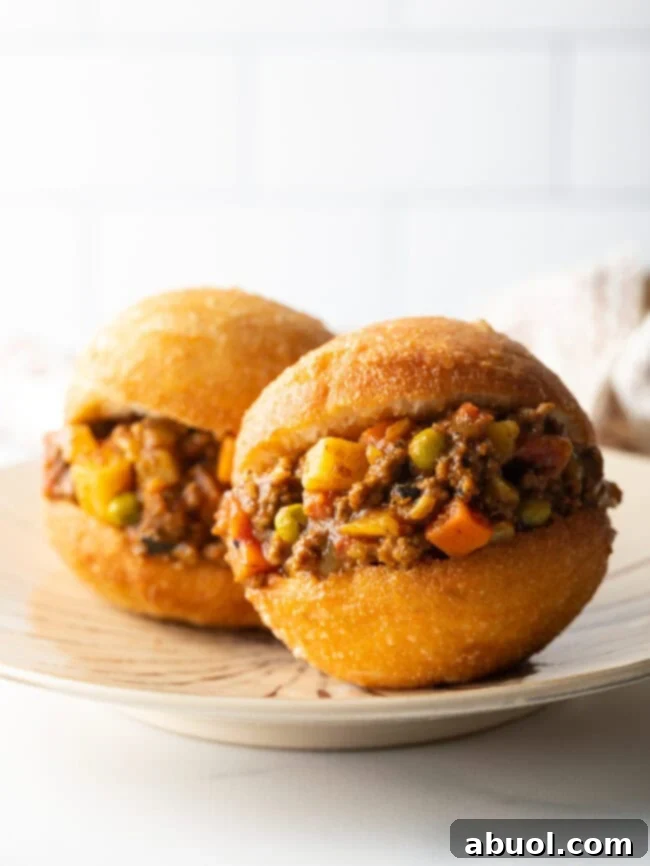
- Savory Delights: Beyond the classic curried minced meat (recipe below!), consider shredded chicken tossed in a creamy sauce, a blend of melted cheeses (cheddar, mozzarella, feta), creamed spinach, or even a flavorful bean chili.
- Breakfast Bliss: Transform them into breakfast sandwiches by filling them with scrambled eggs, crispy bacon, sausage patties, and cheese.
- Mini Versions for Appetizers or Parties – Hosting a gathering? Make adorable, bite-sized versions of these fat cakes. Use a really small ice cream scooper or simply pinch off smaller portions of dough. These mini Vetkoek are perfect for appetizers, finger foods, or a playful snack, and they fry up even faster!
Mastering the Art of Making Delicious Fat Cakes
Find the full Fat Cake recipe with detailed instructions and storage tips in the printable form at the bottom of the post!
Making Vetkoek is a rewarding process that combines the simple joy of baking with the satisfying crispness of frying. Follow these detailed steps to achieve perfect South African Fat Cakes every time:
Essential Tips for Perfect Fat Cake Frying
Frying can seem daunting, but with these expert tips, you’ll achieve perfectly golden and fluffy fat cakes every time:
- The Golden Rule of Yeast Activation: Water Temperature is Key – When activating your active dry yeast, the water temperature is paramount. If the water is too hot, it will kill the delicate yeast organisms, preventing your dough from rising altogether. Conversely, water that’s too cold won’t effectively wake up the yeast. Aim for water that is just barely warmer than the temperature of your skin, ideally between 105-115°F (40-46°C). This gentle warmth provides the ideal environment for the yeast to thrive and foam beautifully.
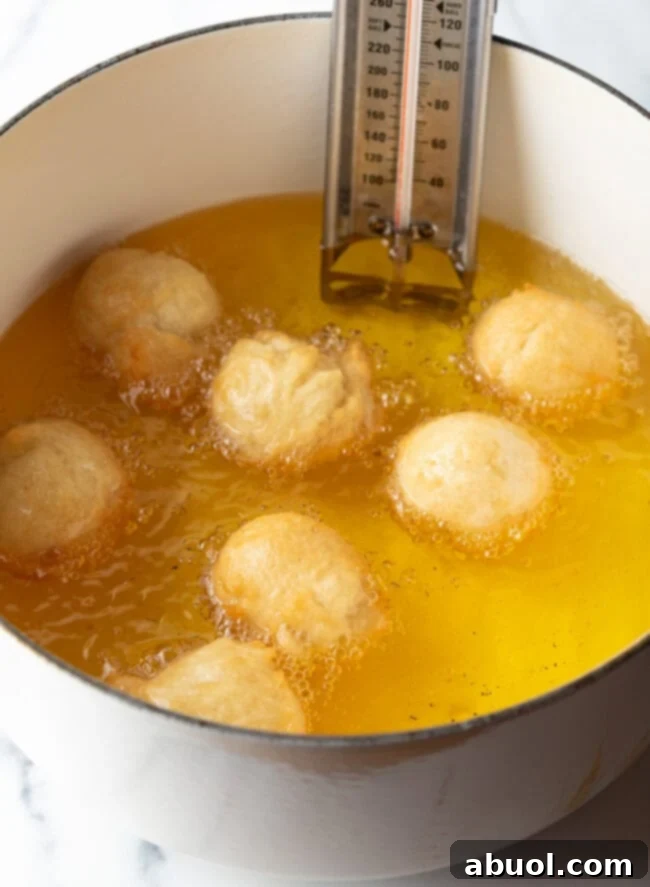
- Mastering Oil Temperature for Even Frying – Maintaining the correct oil temperature throughout the frying process is crucial for beautifully cooked Vetkoek. Start with the oil at 350°F (175°C). Once you introduce the dough balls, the temperature will naturally drop. This is actually a good thing, as it allows the fat cakes to cook through without burning the outside. Your goal is to adjust the heat to keep the oil consistently around 320°F (160°C) as you continue frying. Use a reliable cooking thermometer to monitor the temperature constantly. If the oil gets too hot, the outside will burn before the inside cooks; if too cool, the fat cakes will absorb too much oil and become greasy.
- Don’t Crowd the Pot – Fry your fat cakes in batches. Overcrowding the pot will drastically lower the oil temperature, leading to greasy, soggy Vetkoek. Give each dough ball enough space to float and cook evenly.
- Even Browning is Key – Use a skimmer or tongs to gently rotate the fat cakes periodically as they fry. This ensures they achieve an even, beautiful golden-brown color on all sides, indicating thorough cooking and a crispy crust.
- The Toothpick Test – To confirm your fat cakes are cooked through, insert a toothpick into the center of one. If it comes out clean, they are ready. If there’s wet dough clinging to it, continue frying for another minute or two, checking again.
Storing and Reheating Your Delicious Fat Cakes
While Vetkoek are best enjoyed fresh and warm, you can certainly prepare them ahead of time or save leftovers for later. Here’s how to properly store and reheat them:
Storing Leftovers – Once cooled to room temperature, place any leftover fat cakes in an airtight container. They will keep well on the counter for one to two days. For slightly longer freshness, you can store them in the refrigerator for up to 3-4 days, though they may become a bit denser.
Freezing Leftovers – For longer storage, fat cakes freeze exceptionally well. Allow them to cool completely. Then, wrap each individual fat cake tightly in a layer of plastic wrap to prevent freezer burn. Once wrapped, place them all together in a heavy-duty airtight freezer bag or container. They can be stored in the freezer for up to 3 months. Thaw them at room temperature before reheating.
Reheating Fat Cakes – To bring leftover fat cakes back to their golden glory, you have a few options:
- Oven/Toaster Oven: For the crispiest results, preheat your oven to 350°F (175°C). Place the fat cakes directly on a baking sheet and heat for 5-10 minutes, or until warmed through and the exterior is crispy again.
- Air Fryer: A fantastic option for quick reheating! Place cold fat cakes in a single layer in your air fryer basket. Air fry at 350°F (175°C) for 3-5 minutes, shaking the basket halfway, until hot and crispy.
- Microwave: While the quickest method, it will result in a softer texture rather than crispy. Heat individual fat cakes for 20-40 seconds, or until warm.
Serving Suggestions: Sweet or Savory Delights for Any Occasion
The versatility of Vetkoek makes them suitable for almost any meal or snack. Here are some fantastic ways to serve these tasty fried doughs:
- Quick Snacks & Appetizers: These delightful fried breads are perfect for a quick snack or a crowd-pleasing appetizer. Serve them simply with your favorite dips and spreads – think creamy hummus, tangy tzatziki, a vibrant salsa, or even a classic cream cheese spread. Their neutral flavor makes them an excellent vehicle for a variety of flavors.
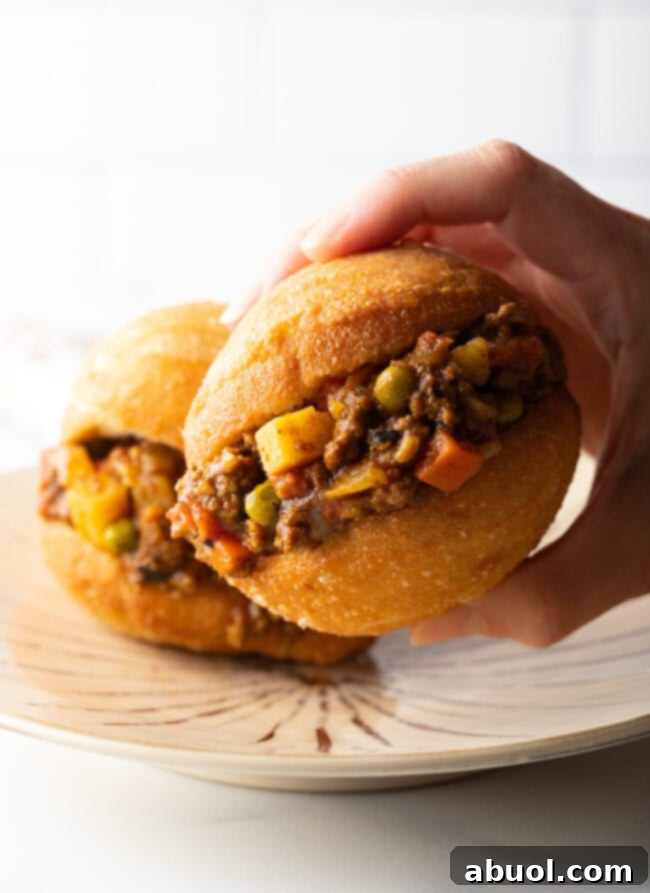
- Hearty Breakfast or Lunch: Transform Vetkoek into a substantial meal by stuffing them with your preferred meats, cheeses, and other savory goodies. For breakfast, consider fluffy scrambled eggs, crispy bacon, sausage, and a slice of cheese. For lunch, our (fantastic!) curried minced meat recipe is a traditional and incredibly satisfying choice. Other ideas include a scoop of flavorful chicken salad, tuna salad, or even leftover roasted vegetables. The possibilities are truly limitless!
- Creative Sandwich Alternatives: Don’t limit these fried doughs to just simple fillings. Use them as a unique and delicious bread substitute to create exciting sandwiches. Imagine a succulent beef brisket sandwich tucked into a warm Vetkoek, or even a spicy taco filling with ground turkey or chicken. The soft interior and slightly crisp exterior provide an amazing texture contrast that elevates any sandwich creation.
- Dessert Indulgence: For a sweet treat, serve warm Vetkoek with a dusting of cinnamon sugar, a drizzle of golden syrup or honey, or a scoop of vanilla ice cream and fresh fruit.
Fat Cakes Recipe (Vetkoek)
This South African Fat Cake Recipe makes delicious bites of crisp, fluffy, and tender fried dough perfect for stuffing with sweet or savory goodies!
Ingredients
- 4 cups bread flour
- 4 teaspoons dry active yeast
- 7 tablespoons granulated sugar
- 1 ½ teaspoons salt
- 1 ½ cups lukewarm water
- 2 quarts fry oil (canola, sunflower, peanut, or safflower)
Instructions
- Place 2 tablespoons of sugar and the dry active yeast in the bowl of a large stand mixer. Add the lukewarm water to the bowl, and gently stir to combine. Allow the mixture to sit undisturbed for 10 minutes until it becomes foamy, indicating the yeast is active. Remember: water that is too warm will kill the yeast, causing it to not rise. Ensure the water is just barely warmer than the temperature of your skin (approx. 105-115°F).
- Add the remaining sugar and salt to the activated yeast mixture. Attach a dough hook to your stand mixer and turn it on low speed. Gradually add the 4 cups of bread flour into the mix. Once the dough starts to come together, increase the speed slightly and allow it to knead for 5 minutes. The dough will be wet and somewhat tacky, which is normal. If it appears excessively dry or stiff, add a very small amount of additional water (1 tablespoon at a time) until it reaches the desired consistency.
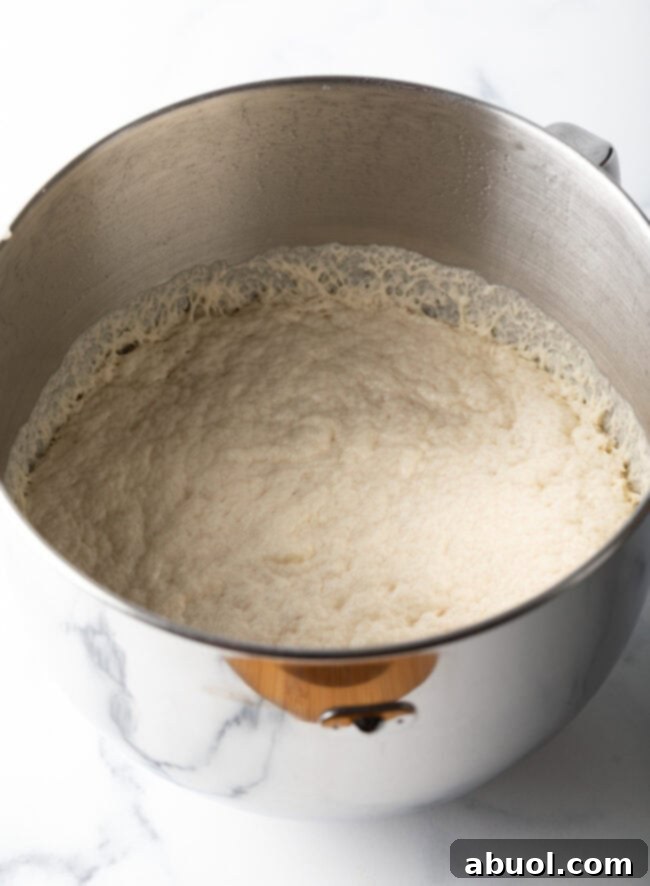
- Remove the dough hook from the mixer. Cover the bowl tightly with plastic wrap or a clean kitchen towel. Allow the dough to rise in a warm, draft-free place for 1 to 2 hours, or until it has visibly doubled in size. This step is crucial for developing the light and airy texture of the fat cakes.
- While the dough is rising or once it has risen, prepare your frying setup. Set a large, heavy-bottomed pot or Dutch oven over medium to medium-low heat on your stove. Secure a cooking thermometer to the side of the pot and pour in the 2 quarts of fry oil. Allow the oil to gradually heat up to 350°F (175°C). Prepare a large plate or baking sheet lined with several layers of paper towels, placed next to the stove, to drain the fried fat cakes.
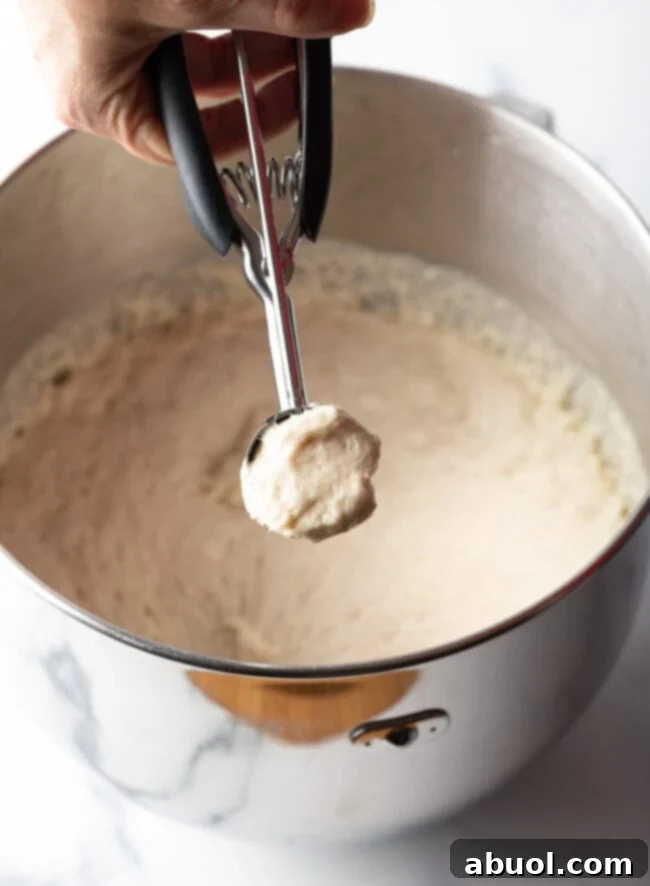
- Once the oil reaches the correct temperature and the dough has risen, you are ready to fry. Use a 1 ½ to 2 tablespoon scoop to portion out pieces of the wet dough. If the dough is sticking, dip the scoop into the hot fryer oil beforehand to create a non-stick coating. Gently place the scooped dough balls into the hot fry oil. As soon as they are in the oil, use a skimmer or tongs to immediately rotate them so they don’t stick to the bottom of the pot. Continue to portion out and gently place more dough balls into the fryer, being careful not to overcrowd the pot. Use the skimmer to rotate the balls throughout the cooking process, ensuring they brown evenly on all sides. Cook for approximately 4-5 minutes per batch, or until they are golden brown and a fork inserted into the center of one ball comes out clean. Important: The oil temperature will drop once the dough balls are added. This is desirable! Aim to maintain the oil temperature around 320°F (160°C) by adjusting the heat as needed. Once cooked, use the skimmer to carefully remove the fried fat cakes from the oil and transfer them to the paper towel-lined plate to drain excess oil. Repeat with the remaining dough, remembering to dip the scooper into the fry oil as needed.
Notes
For the Larger Baking Powder Style Fat Cakes:
If you prefer a quicker fat cake that’s a bit larger and flatter, reminiscent of a dense donut, try this baking powder version:
- 4 cups bread flour (or all-purpose)
- 7 tablespoons granulated sugar
- 6 teaspoons baking powder
- 1 1/2 teaspoons of salt
- 1 cup water
In a large bowl, or a stand mixer fitted with a dough hook, combine the bread flour, sugar, baking powder, and salt. Mix thoroughly until all dry ingredients are well distributed.
Pour in ¾ cup of water. Mix until the dough forms a cohesive ball (this can be done by hand or with the dough hook). Continue to knead the dough for about 5 minutes until it is firm and smooth, yet still soft and pliable. If the dough feels too dry or crumbly, gradually add the remaining ¼ cup of water, a tablespoon at a time, until the desired consistency is achieved. The dough should resemble a good bread or pizza dough – slightly tacky but not wet and sticky.
Divide the dough into 12 equal pieces. Use your hands to form each piece into a neat ball, then gently press each ball flat to shape it into a disk.
Follow the instructions above (Step 4) to prepare the fry oil, heating it to 350°F (175°C). Place 3-4 dough disks into the fry oil at a time, ensuring you don’t overcrowd the pot. The temperature will drop; aim to keep it around 320°F (160°C). Fry for 3 to 5 minutes per side, or until they are beautifully golden brown and puffed. To check for doneness, insert a fork into the center of a fat cake; it should come out clean. Remove, drain, and serve. Cut them open and fill with curried minced meat, cheese and jam, or your favorite fillings.
Easy South African Minced Meat Recipe:
This savory, spiced minced meat filling is a traditional and incredibly delicious accompaniment to Vetkoek. It’s hearty, flavorful, and incredibly satisfying.
- 2 tablespoons oil
- 1 pound ground beef
- 1 sweet onion, peeled and diced
- 2 cups diced potato
- 3-4 cloves garlic, minced
- 1 tablespoon fresh grated ginger
- 1 tablespoon curry powder
- 1 tablespoon garam masala
- 1 teaspoon chili powder
- 1 teaspoon ground cumin
- 1 teaspoon salt
- 15 ounce can diced tomatoes (or crushed tomatoes)
- 1 ½ cups frozen peas
Set a large sauté pan or Dutch oven over medium heat. Add the oil to the pan. Once the oil is hot, stir in the diced onions, minced garlic, and grated ginger. Sauté for 2 to 3 minutes, or until the onions begin to soften and become fragrant.
Once the aromatics have softened, stir in all the spices: curry powder, garam masala, chili powder, ground cumin, and salt. Sauté for another minute, allowing the spices to toast and release their flavors. This step is crucial for building depth in your curry.
Add the ground beef and diced potatoes to the pan. Stir well to combine, breaking apart the ground meat with a wooden spoon as it cooks. Continue to brown the meat for 5 to 8 minutes, ensuring it’s evenly cooked and crumbled.
Stir in the canned diced tomatoes (or crushed tomatoes) and the frozen peas. Fill the empty tomato can with 15 ounces of water and add it to the pan. Bring the mixture to a gentle simmer, then reduce the heat to low, cover, and let it cook. Simmer the minced meat mixture until the sauce has thickened and reduced, and the potatoes are cooked through and tender. The consistency should be similar to a Sloppy Joe filling – thick enough to hold its shape but still saucy. Then, remove from heat and serve warm inside your freshly made Vetkoek.
Nutrition Information
Serving: 1 pc
Calories: 140 kcal
Carbohydrates: 16 g
Protein: 3 g
Fat: 8 g
Saturated Fat: 1 g
Polyunsaturated Fat: 4 g
Monounsaturated Fat: 2 g
Trans Fat: 0.05 g
Sodium: 118 mg
Potassium: 32 mg
Fiber: 1 g
Sugar: 3 g
Vitamin A: 0.3 IU
Vitamin C: 0.005 mg
Calcium: 3 mg
Iron: 0.2 mg
Frequently Asked Questions About Vetkoek
It’s perfectly normal for yeast dough, especially this fat cake dough, to be wet and tacky. This contributes to the final fluffy texture. However, it should not be excessively soupy or impossible to handle. If your dough feels too sticky to work with (e.g., sticking excessively to your hands or the bowl during kneading), you can add a tiny bit more flour, a tablespoon at a time, until it’s more manageable. Alternatively, lightly oil your hands or the dough scoop before handling. Avoid adding too much flour, as this can result in dense, dry fat cakes.
Determining when your fat cakes are perfectly cooked involves a few key indicators. Firstly, they should develop a beautiful, deep golden-brown and crispy exterior. This visual cue is important. Secondly, and most reliably, perform the toothpick test: carefully insert a wooden skewer or toothpick into the center of one of the larger fat cakes. If it comes out clean, without any wet dough clinging to it, then your fat cakes are ready. If there’s still wet dough, continue frying for another minute or two, ensuring the oil temperature remains consistent, and then retest.
For the best results and an optimal eating experience, you should always stuff your fat cakes after you fry them. Once they’ve come out of the hot oil and drained slightly on paper towels, they will still be warm and pliable. This is the perfect moment to gently cut them open (like a pita pocket or hamburger bun) and load them with your chosen sweet or savory fillings. Stuffing them beforehand would lead to a messy frying process and uneven cooking.
Yes, you can prepare the dough a day in advance. After the first rise, gently punch down the dough, cover it tightly with plastic wrap, and refrigerate it overnight. The cold temperature will slow down the yeast activity. When you’re ready to fry, take the dough out of the fridge and let it come to room temperature for about 30-60 minutes before proceeding with scooping and frying.
While both are fried dough, fat cakes (Vetkoek) are typically less sweet than traditional doughnuts. They have a more savory-leaning flavor profile, making them ideal for a wider range of fillings, including savory ones like curried mince. Doughnuts are almost exclusively sweet, often glazed or sugared, and typically have a denser, cake-like or yeasted texture designed for sweet toppings.