
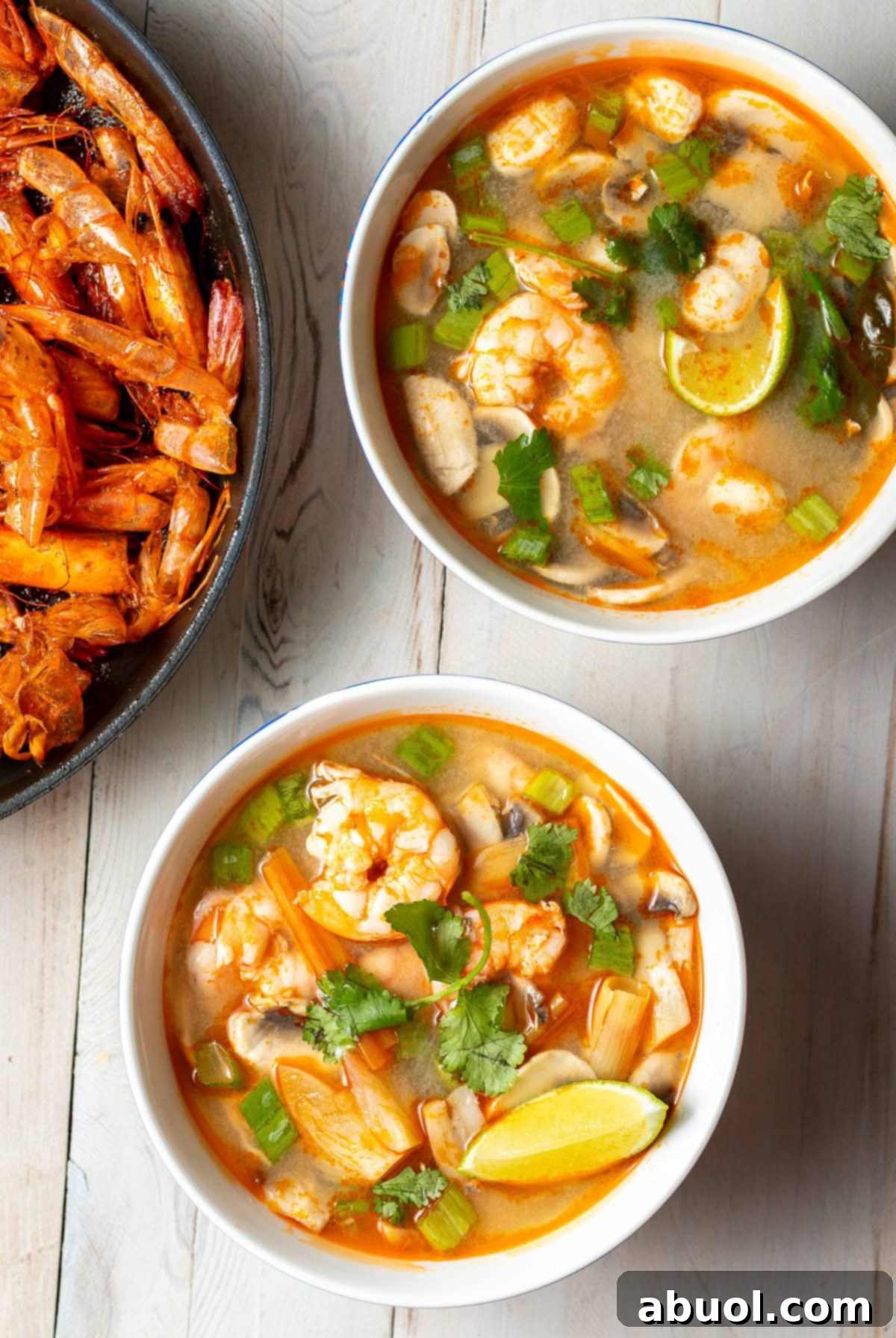
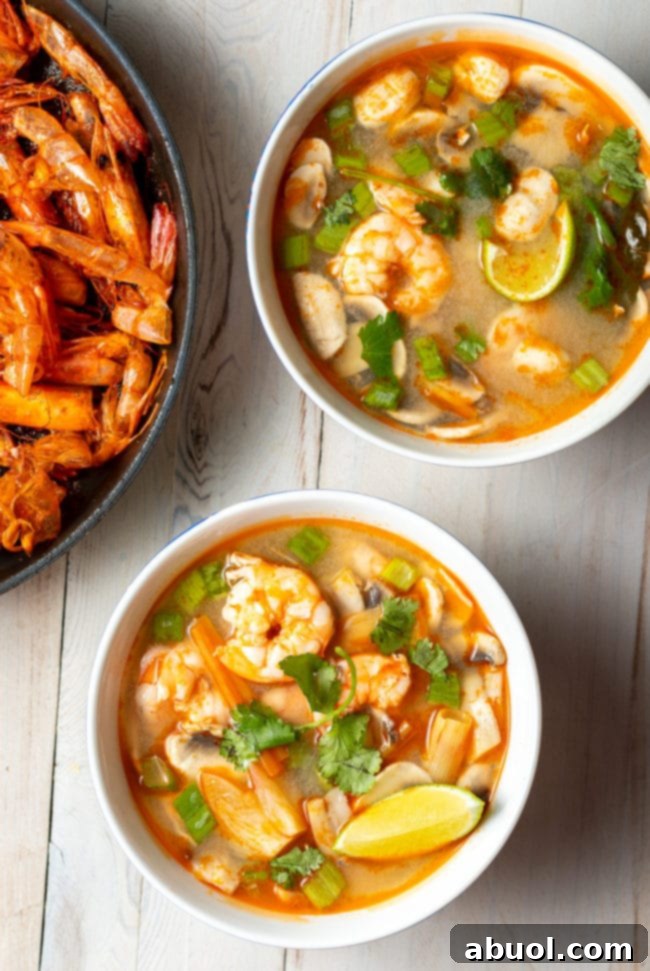
Embark on a culinary journey to Southeast Asia with this truly authentic Tom Yum Soup Recipe, often hailed as the quintessential Thai Hot and Sour Soup. This vibrant, bold, and invigorating dish offers a delightful pop of spicy heat, perfectly balanced with tangy notes. Best of all, it’s naturally gluten-free and paleo-friendly, making it a healthy and satisfying meal for everyone.
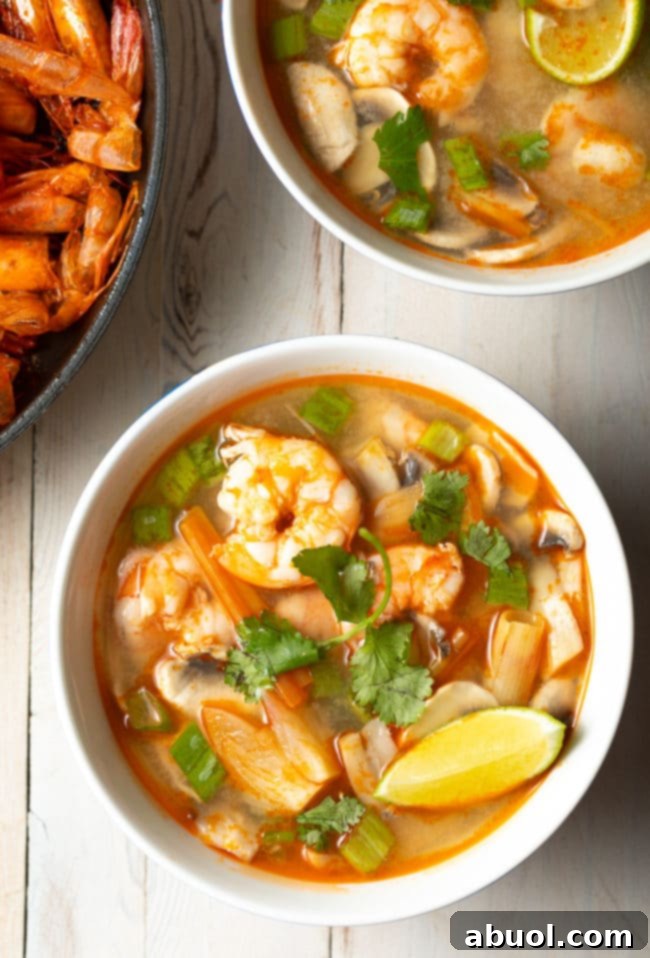

Discover the Authentic Flavor of Tom Yum Goong
During my travels through Thailand, few dishes captivated my palate quite like Tom Yum. This light and lean soup, known globally as Thai Hot and Sour Soup, or more specifically Tom Yum Goong when prepared with shrimp, is an absolute marvel of flavor and aroma. It’s a staple in Thai cuisine, found in every bustling market and quiet eatery, and for good reason.
At its heart, Tom Yum is a symphony of fresh, aromatic ingredients: vibrant lemongrass, fragrant kaffir lime leaves, savory fish sauce, fiery chiles, and tender protein, most commonly succulent shrimp. The balance of spicy, sour, salty, and umami flavors creates an unparalleled culinary experience that is both invigorating and deeply satisfying.
While an authentic Thai Tom Yum might seem like a dish reserved for exotic travel, I’m thrilled to share that recreating the magic of Tom Yum with shrimp in your own kitchen is surprisingly straightforward. This recipe brings the true taste of Thailand directly to your table, allowing you to enjoy one of the world’s most beloved soups without a passport.
Why You’ll Fall in Love with Thai Tom Yum Goong Soup
- Unforgettable Flavor Profile: The harmonious blend of spicy Thai chiles and a generous squeeze of fresh lime juice at the end creates the signature hot and sour taste that defines authentic Thai Tom Yum. Every spoonful is an explosion of bright, complex flavors.
- Effortlessly Customizable: Whether you prefer your soup extra spicy, crave a different protein, or desire a rich, creamy texture, this recipe offers endless possibilities. Adjust the heat, swap the shrimp for chicken or tofu, or add coconut milk for a luxurious twist.
- Wholesome and Nourishing: Beyond its incredible taste, this soup is a beacon of healthy eating. It’s lean, low in fat, gluten-free, dairy-free, and paleo-friendly, making it a guilt-free indulgence that nourishes your body while delighting your senses.
Don’t let the seemingly exotic ingredient list deter you! Once you explore your local Asian market, you’ll find these key components are easy to source and simple to incorporate. The resulting depth of flavor is truly worth the adventure!
Essential Ingredients & Expert Tips for a Perfect Tom Yum
Crafting a truly authentic Tom Yum soup hinges on selecting the right ingredients and understanding how each contributes to the overall flavor symphony. Here’s a detailed look at what you’ll need and some tips for success:
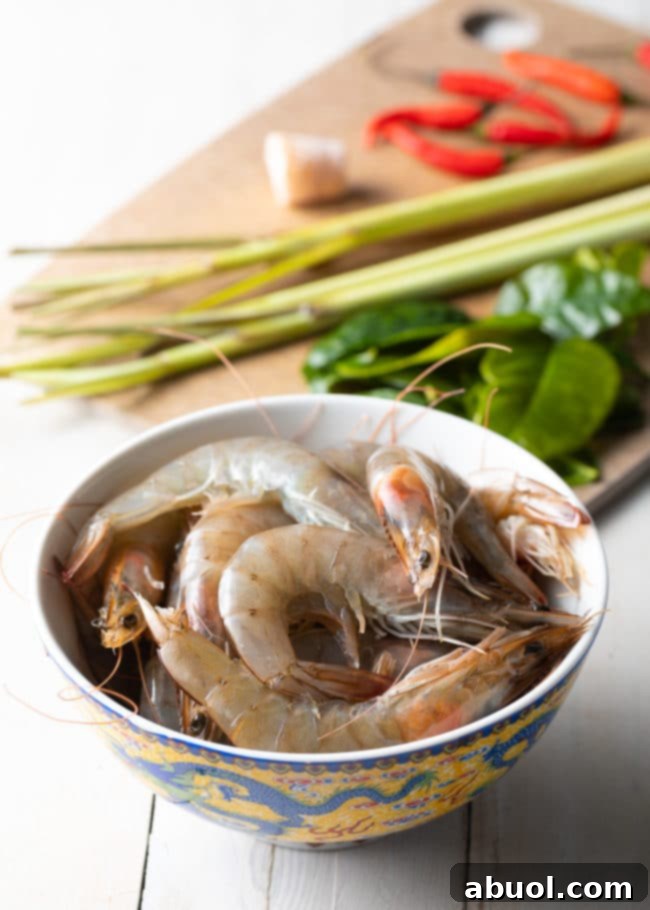
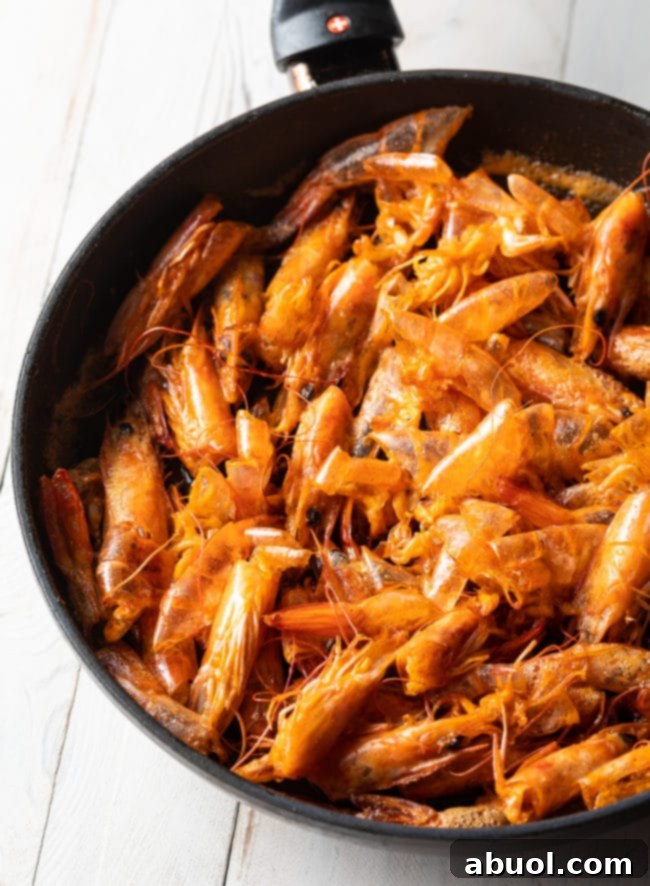
- Whole Shrimp (Heads On): This is arguably the most critical ingredient for achieving a deep, authentic seafood flavor. The heads contain essential fats and umami compounds that, when sautéed, create an incredibly rich “shrimp oil.” This oil is then drizzled into the finished soup, infusing it with an intense, oceanic essence that elevates the dish beyond measure. While you can use headless shrimp, the soup won’t have the same depth without this crucial step.
- Flavorless Oil: Used to extract the rich flavors from the shrimp heads. Any neutral oil like vegetable, canola, or grapeseed oil will work perfectly.
- Water: You’ll be building your own intensely flavorful broth from scratch using the fresh herbs and shrimp essence, so there’s no need for pre-made store-bought broths.
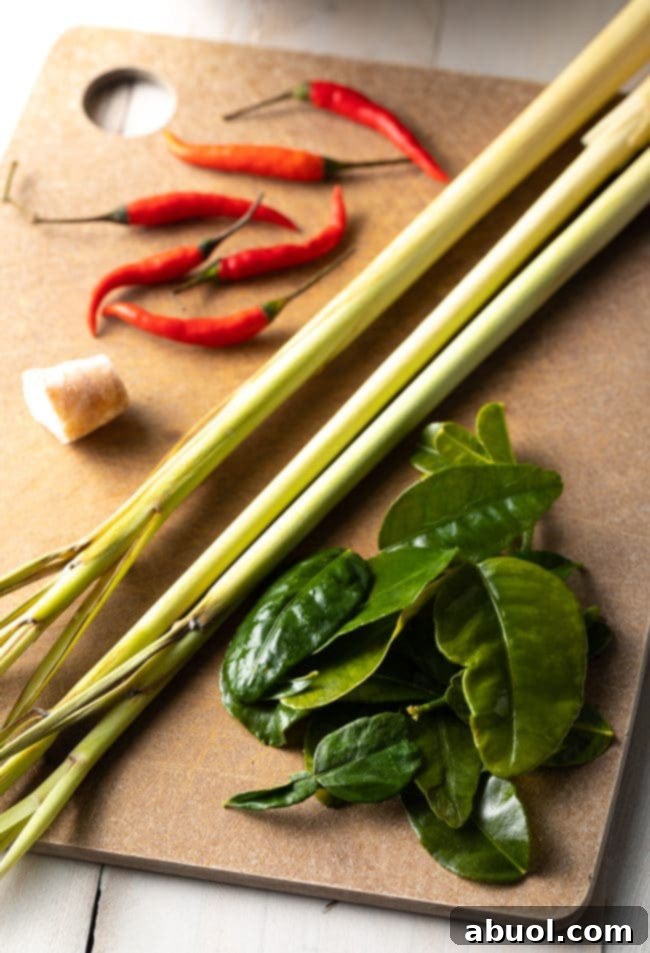
- Fresh Lemongrass: This aromatic stalk provides a distinct citrusy and subtly floral note that is foundational to Tom Yum. When preparing, aim to use the softer interior stalks, which can be eaten once cooked. If your lemongrass stalks are particularly tough, remove them before serving to ensure a pleasant texture.
- Kaffir Lime Leaves (Makrut Lime Leaves): Instantly recognizable by their unique double-leaf shape, these leaves are indispensable for their bright, aromatic citrus scent. They contribute a fresh, zesty dimension to the soup that simply cannot be replicated. You can find them fresh or frozen in most Asian markets.
- Onion: Traditionally, shallots or sweet onions are used. They provide a mild sweetness and aromatic base that complements the other bold flavors. Cut them into wedges for easy infusion and removal if desired.
- Thai Chiles (“Bird’s Eye Chiles”): These small, potent red chiles are the source of Tom Yum’s characteristic heat. Adjust the quantity to your preferred spice level. If fresh Thai bird chiles are unavailable, a good quality Thai chile paste can be used as a substitute, added to taste.
- Galangal: A relative of ginger, galangal has a sharper, more citrusy, and slightly piney flavor profile that is distinct from ginger’s sweetness. While not strictly mandatory for a tasty Tom Yum, it’s a traditional ingredient in Thailand, especially in seafood dishes, where it’s valued for its ability to neutralize strong fishy aromas and add a unique peppery warmth. You can often find it fresh or frozen in Asian markets.
- Fish Sauce: The cornerstone of Thai cuisine, fish sauce adds a profound depth of savory, umami flavor that is essential for balancing the hot and sour elements. Choose a high-quality brand for the best results.
- Mushrooms: Straw mushrooms and enoki mushrooms are classic choices for Tom Yum, offering a delicate texture. However, button mushrooms or cremini mushrooms are readily available and make excellent substitutes without compromising the soup’s integrity.
- Fresh Lime Juice: This is a non-negotiable ingredient! The vibrant acidity from freshly squeezed lime juice is what truly makes the soup “sour” and brightens all the other flavors. Bottled lime juice simply doesn’t compare in terms of freshness and complexity.
Delicious Recipe Variations to Explore
One of the beauties of Tom Yum soup is its adaptability. Feel free to customize this recipe to suit your taste and dietary preferences:
- Creamy Tom Yum Soup (Tom Yum Nam Khon): For a richer, more indulgent version, incorporate some full-fat canned coconut milk. Add it after the aromatic broth has simmered, just before you introduce the mushrooms. This creates a wonderfully smooth and creamy Thai hot and sour soup that is incredibly satisfying.
- Boost the Heat: If you’re a fan of fiery flavors, add an extra dash of Thai chili paste alongside the coconut milk (if making the creamy version). The creaminess of the coconut milk will beautifully balance the bold spiciness, creating a delightful interplay of sensations.
- Alternate Protein Options: Not a fan of shrimp or looking for something different? Tom Yum is equally delicious with other proteins. Simply omit the shrimp and, instead, add a handful of cooked, chopped chicken, tender slices of cooked beef, or even firm tofu for a vegetarian option. Add these at the very end, just before the lime juice, to ensure they don’t overcook.
Crafting Your Own Authentic Tom Yum Soup: A Step-by-Step Guide
Making a truly authentic Tom Yum soup at home is a rewarding experience. Follow these steps for a perfectly balanced and flavorful bowl.
Pro Tip: Don’t skip sautéing the shrimp heads! This crucial step extracts their rich umami flavor, which is key to an exceptional Tom Yum soup. The resulting shrimp oil adds an unparalleled depth that distinguishes authentic Tom Yum.
Find the complete Thai Hot and Sour Soup recipe with detailed instructions, storage tips, and a video tutorial in the printable recipe card below.
Storage and Reheating Notes
To ensure your delicious Tom Yum soup remains fresh and flavorful, keep these tips in mind:
- Storing Leftovers: Any leftover hot and sour soup can be stored in an airtight container in the refrigerator for up to 2 days. For best quality, consume within this timeframe.
- Reheating: When reheating, you can use a microwave or gently simmer the soup in a saucepan over low heat. The key is to avoid overcooking the shrimp, which can become tough. A smart strategy is to remove the shrimp pieces from the soup before reheating the broth, then add them back in only for the last few seconds of warming, just until they are heated through. This preserves their tender texture.
Perfect Serving Suggestions
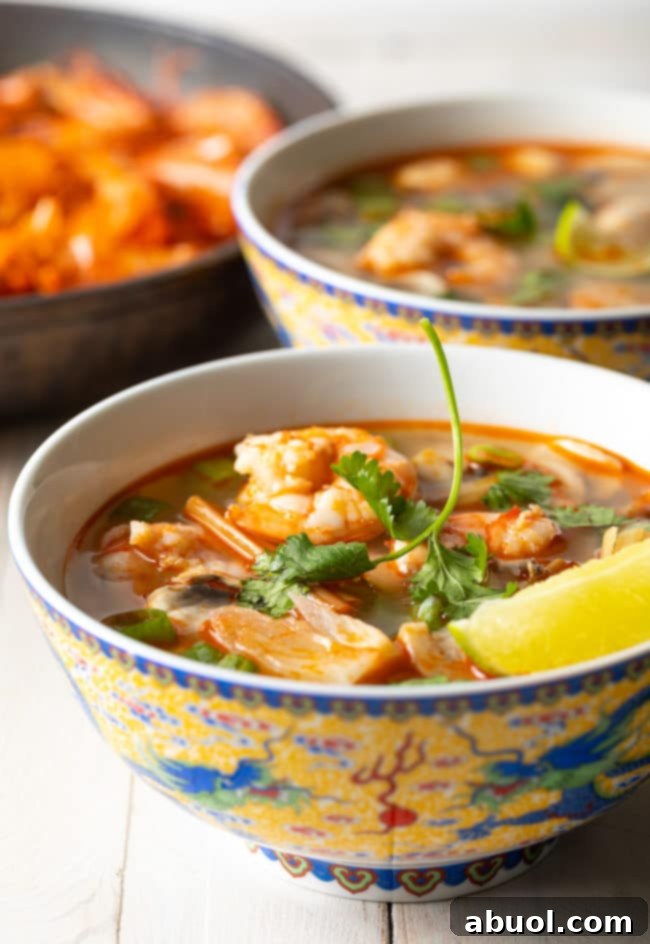
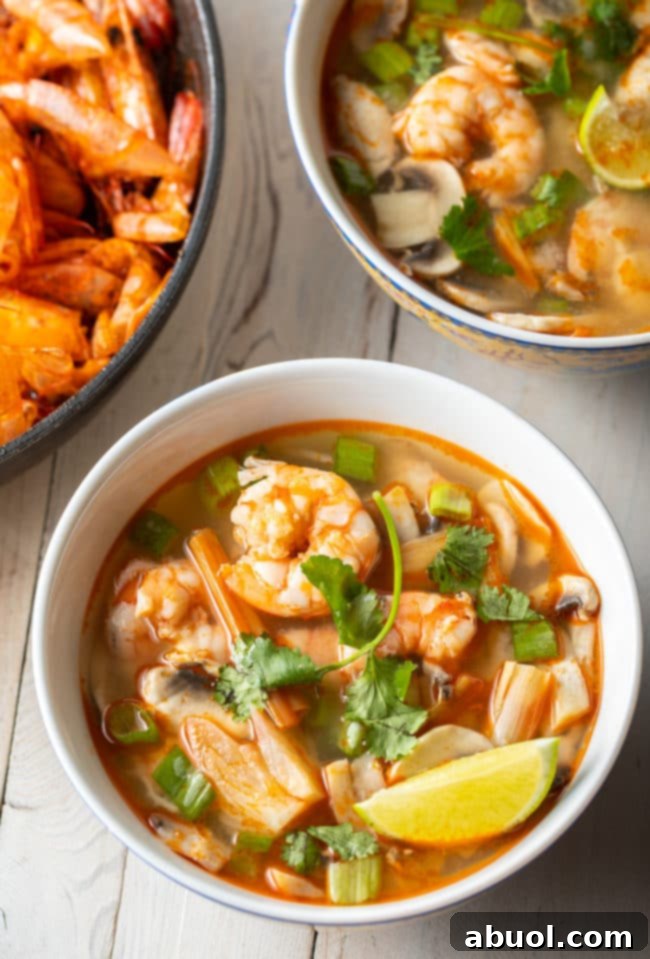
Serve your steaming bowls of Tom Yum soup immediately, garnished generously with fresh lime wedges and vibrant cilantro leaves. While often enjoyed on its own as a light yet satisfying meal, Tom Yum is also frequently served over steamed jasmine rice in Thailand, which helps soak up the flavorful broth. For those following a low-carb diet, it’s perfectly delicious and nutritious served as-is!

Print Recipe
Leave a Review »
Tom Yum Soup (Thai Hot and Sour Soup Recipe)
Video
Watch the video for a visual guide on how to make this delicious Tom Yum Soup!
Ingredients (US Customary)
- 1 ½ pounds medium-sized whole raw shrimp (with heads intact)
- 1/3 cup flavorless oil
- 6 cups water
- 5 stalks fresh lemongrass
- 15 Kaffir lime leaves, fresh or frozen
- ½ onion, peeled and cut into wedges (shallots are also traditional)
- 4-6 Thai chiles (or Thai chile paste to taste)
- 1 inch piece galangal root, optional but recommended
- 2 tablespoons fish sauce
- 1 cup straw or button mushrooms, sliced
- 1 lime, freshly juiced
- Possible Garnishes: fresh cilantro leaves and lime wedges
Instructions
-
Carefully pull the heads off the shrimp and place them into a wok or large skillet. Peel and clean the shrimp bodies, then set them aside. While the shrimp heads are the most crucial part for flavor, you may also add the peeled shrimp shells to the skillet if desired for extra depth.
-
Add the flavorless oil to the skillet with the shrimp heads. Place the skillet over medium heat and add a generous pinch of salt. Sauté the shrimp heads, pressing them gently, to effectively release their rich umami flavor and color into the oil. Continue cooking until they turn a vibrant red and become slightly crispy. Once done, turn off the heat and set aside.
-
Meanwhile, prepare your aromatics. Trim the very tips and root ends of the lemongrass stalks, then remove any tough, dry outer layers. Cut the prepared lemongrass into 1 ½-inch segments. If using, cut the galangal root into 3 or 4 manageable pieces.
-
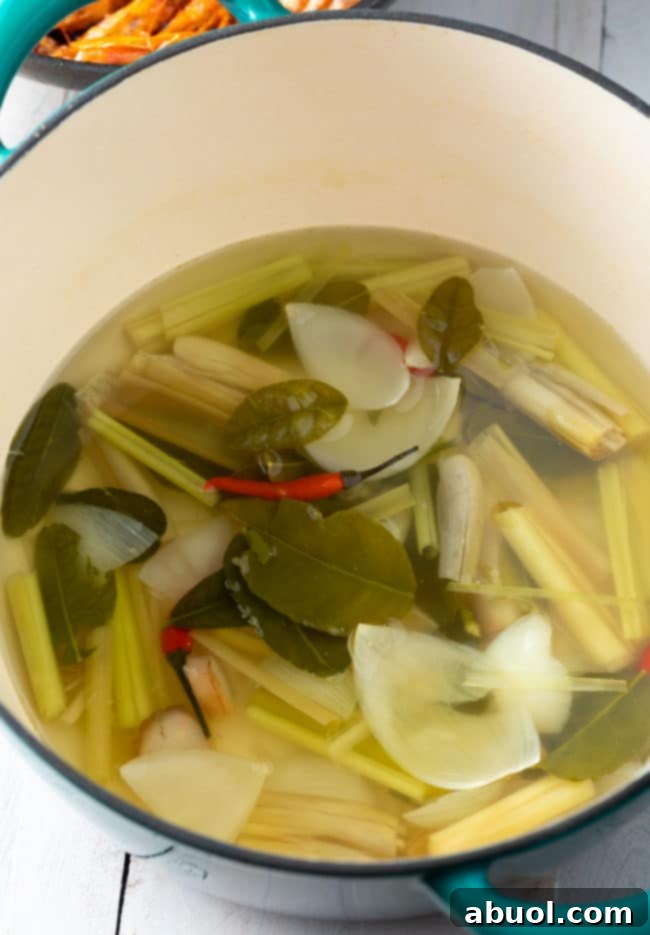
Using a meat mallet or the flat side of a sturdy knife, firmly smash the lemongrass, kaffir lime leaves, onion wedges, Thai chiles, and galangal (if using). This crushing action helps to release their potent essential oils and aromas. Transfer these smashed aromatics to a medium soup pot. Pour the measured water into the pot and bring it to a rolling boil. Reduce the heat to a gentle simmer and let it cook for 5-10 minutes, allowing the broth to become intensely fragrant and bright.
-
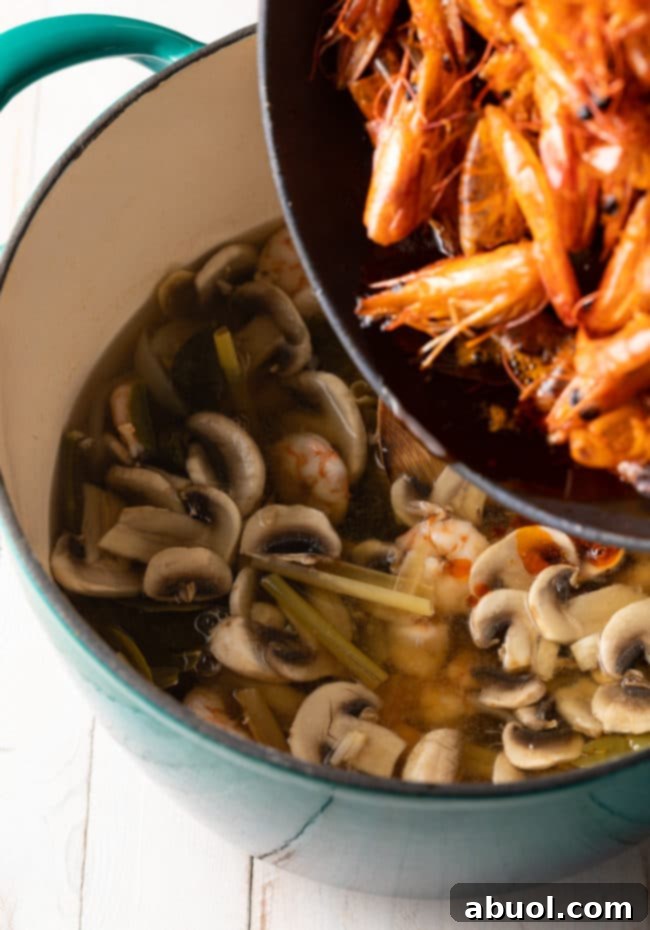
Carefully remove and discard any tough sections of lemongrass, kaffir lime leaves, or galangal pieces from the broth. If your lemongrass stalks were particularly soft, you may leave them in. Increase the heat to high. Stir in the sliced mushrooms and boil for 1 minute to cook them through. Next, add the reserved cleaned shrimp and the fish sauce, cooking just until the shrimp are opaque and perfectly cooked through, which usually takes about 45 seconds to 1 minute to avoid overcooking.
-
Turn off the heat immediately. Stir in the freshly squeezed lime juice. Then, carefully spoon in 3-4 tablespoons of the prepared shrimp oil from the skillet. Discard the cooked shrimp heads; they are not intended for consumption within the soup itself.
-
Serve your authentic Tom Yum soup in large bowls. Garnish generously with fresh lime wedges and vibrant cilantro. While delicious on its own as a low-carb option, Tom Yum is traditionally served over steamed rice. Enjoy!
Notes
- Storing Leftovers: You can store leftover hot and sour soup in an airtight container in the refrigerator for up to 2 days.
- Reheating: To reheat, use the microwave or gently simmer in a saucepan. Be careful not to overcook the shrimp; for best results, remove the shrimp before reheating the broth, then add them back in only for the last few seconds.
Nutrition
Frequently Asked Questions About Tom Yum Soup
The name “Tom Yum” is derived from two Thai words that perfectly encapsulate its essence. “Tom” refers to the boiling process, highlighting that it is a hot, cooked soup. “Yum” describes the distinctive spicy and sour flavor combination, which is the hallmark of this beloved dish.
While there are many regional variations of Tom Yum Soup throughout Thailand, this classic and most popular version is often specifically called Tom Yum Goong or Tom Yum Kung. Both “Goong” and “Kung” are Thai words for shrimp or prawns. Thus, in essence, the full name translates to “Boiling Hot and Sour Shrimp” soup, a precise description of this exquisite culinary creation.
Tom Yum and Tom Kha are both iconic Thai soups, sharing a similar aromatic base of lemongrass, galangal, and kaffir lime leaves. However, their primary difference lies in their creaminess. Tom Yum is typically a clear broth, bright and invigorating. Tom Kha soup, on the other hand, is the creamy counterpart to Tom Yum. It achieves its rich, velvety texture through the addition of full-fat coconut milk to the broth, often accompanied by a subtle hint of chili paste for a milder heat profile than its clear cousin.
No, not all the ingredients in Tom Yum soup are meant to be eaten. Certain aromatics, such as the tough pieces of lemongrass, whole kaffir lime leaves, and large chunks of galangal, are added primarily for their flavor and fragrance. They are like bay leaves in Western cuisine – meant to infuse the liquid but not consumed. They are typically added in larger pieces precisely so you can easily identify and set them aside as you enjoy your bowl.
Technically, if you don’t have shrimp heads to create the foundational shrimp oil, you won’t be making a true, authentically deep-flavored Tom Yum Goong. The shrimp heads are crucial for extracting that signature umami and oceanic depth that defines this particular version of the soup. However, you can certainly still create a wonderfully delicious and flavorful hot and sour soup using just the shrimp bodies and a good quality fish sauce, though the flavor profile will be slightly different. It will still be a fantastic meal, just not the exact traditional “Tom Yum Goong” experience.