
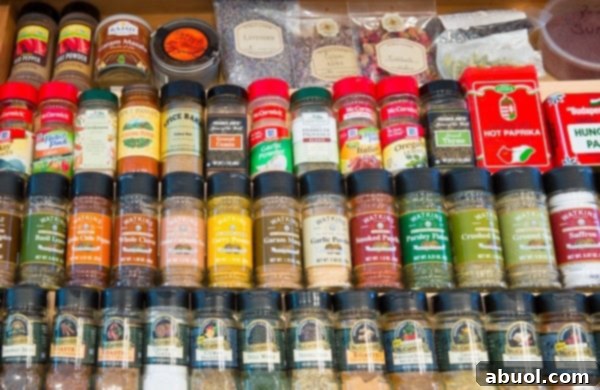
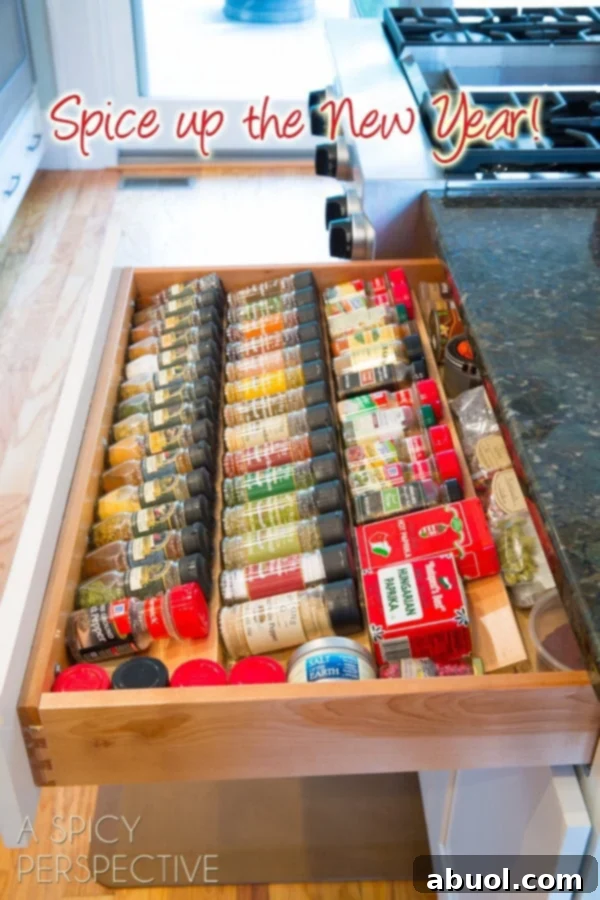
Happy New Year! As we step into a fresh year, often marked by renewed resolutions and an invigorated mindset, there’s no better time to talk about something truly foundational to any great kitchen: your spice collection. Imagine starting the year with a pantry stocked not just with ingredients, but with a vibrant spectrum of flavors poised to transform everyday meals into extraordinary culinary experiences. This article aims to guide you through building and maintaining a stellar spice drawer (or rack), ensuring your kitchen is always ready for a burst of inspiration.
The Culinary Muse: Where Flavor Inspiration Begins
A question I frequently encounter is how I consistently conjure up fresh, inventive recipes week after week. My answer is often rooted in a natural curiosity and a constant quest for edible inspiration. The world around me, from the plates in a bustling restaurant to the humble contents of my own refrigerator, serves as a boundless source of ideas.
Whether I’m savoring a dish at a new eatery, prompting me to deconstruct its complex flavors and experiment with similar combinations at home, or I’m simply rummaging through my fridge, determined to craft one more delicious meal before my next grocery run – my mind is perpetually engaged in seeking innovative ways to create intriguing, inviting dishes. It’s this ongoing exploration that keeps my culinary journey exciting and vibrant.
However, amidst all these sources of inspiration, one stands out as a constant, reliable wellspring of creativity: my spice drawer. It’s more than just a storage space; it’s a treasure chest of global flavors, a palette for my culinary artistry.
The Humble Spice Drawer: A Chef’s Secret Weapon
Consider this scenario: you have a couple of chicken breasts awaiting their destiny, or a beautiful butternut squash that needs to be transformed. Instead of feeling daunted by the blank canvas, I simply open my spice drawer and let my eyes scan the array of colors and textures. It’s remarkable how often two or three specific spices will ‘jump out’ at me, presenting themselves as precisely the right flavors to breathe new life and character into the dish at hand. This intuitive process is what makes a well-curated spice collection invaluable.
Today, I want to share with you a comprehensive list of my absolute favorite, go-to herbs and spices – the workhorses and the occasional stars that I always keep on hand. Alongside this, I’ll impart some essential spice tips and tricks I’ve gathered over the years. Having a diverse assortment of high-quality herbs and spices readily available is not merely a convenience; it’s an essential element for any home cook who wishes to embrace culinary spontaneity without the constant need for a last-minute trip to the store. When inspiration strikes, your kitchen should be ready to answer the call.
Building Your Flavor Foundation: Essential Herbs and Spices
A truly versatile kitchen is equipped with a broad spectrum of spices, allowing for an effortless transition between different cuisines and flavor profiles. Here’s a detailed look at my indispensable collection, each chosen for its unique contribution to culinary excellence.
- Ground Cumin: An earthy, warm spice fundamental to Mexican, Indian, Middle Eastern, and North African cuisines. It adds a distinctive, smoky depth to stews, curries, chili, and roasted vegetables.
- Ancho Chile Powder: Made from dried poblano peppers, this offers a mild heat with a rich, smoky, and slightly fruity flavor. It’s perfect for moles, rubs for meats, and adding a deep red color to dishes without overpowering heat.
- Cayenne Pepper: A vibrant, hot chili powder that provides a fiery kick. Excellent for adding heat to almost any savory dish, from eggs to curries, and essential in Cajun and Creole cooking.
- Ground Mustard: Derived from mustard seeds, this spice offers a sharp, pungent, and slightly bitter flavor that mellows beautifully with cooking. It’s a key ingredient in sauces, dressings, marinades, and meat rubs.
- Dried Tarragon: With its distinct anise-like flavor, tarragon is a cornerstone of French cuisine. It pairs wonderfully with chicken, fish, eggs, and contributes beautifully to béarnaise sauce.
- Dried Thyme: An aromatic herb with an earthy, minty, and slightly lemony flavor. Thyme is incredibly versatile, enhancing soups, stews, roasted meats, vegetables, and Mediterranean dishes.
- Dried Dill: Known for its fresh, grassy, and slightly tangy flavor, dill is often associated with Scandinavian, Eastern European, and Greek cuisines. It’s fantastic with fish, potatoes, cucumbers, and yogurt-based sauces.
- Dried Oregano: A pungent, robust herb central to Mediterranean and Mexican cooking. Oregano adds a warm, aromatic note to tomato sauces, pizzas, grilled meats, and salads.
- Nutmeg, Whole or Ground: A warm, sweet, and slightly peppery spice. Whole nutmeg, freshly grated, offers a more intense aroma and flavor, ideal for custards, béchamel sauce, spinach, and sweet dishes.
- Ground Cinnamon: A beloved sweet and warm spice, essential in both sweet and savory applications across global cuisines. From baking apple pies to seasoning Moroccan tagines or Indian curries, its versatility is unmatched.
- Whole Cardamom: Highly aromatic with a complex, citrusy, floral, and slightly spicy flavor. Whole pods are often used in Indian and Middle Eastern cooking, brewed in coffee, or infused in desserts.
- Fenugreek: A powerful, aromatic spice with a slightly bitter, maple-like flavor. Commonly used in Indian curries, lentil dishes, and Middle Eastern breads.
- Curry Leaves (I keep in the freezer): Fresh curry leaves offer a unique, pungent, and slightly citrusy aroma that is irreplaceable in South Indian and Sri Lankan dishes. Freezing them preserves their freshness beautifully.
- Ground Coriander: The dried seeds of the cilantro plant, offering a mild, earthy, citrusy flavor, distinct from the fresh herb. It’s a staple in curries, rubs, and baked goods.
- Garlic Powder: A convenient way to add garlic flavor without the moisture or texture of fresh garlic. It’s excellent in rubs, marinades, dressings, and when a smooth consistency is desired.
- Curry Powder: A blend of various spices, typically including turmeric, coriander, cumin, and fenugreek. Its flavor profile varies widely depending on the blend, offering a quick way to impart “curry” flavor to dishes.
- Saffron: The world’s most expensive spice, known for its vibrant golden color, delicate floral aroma, and subtly sweet, hay-like flavor. Essential for paella, risotto Milanese, and exquisite desserts.
- Bay Leaves: Aromatic leaves that impart a subtle, woody, herbal note to slow-cooked dishes, soups, stews, and sauces. They are typically removed before serving.
- Culinary Lavender: Offering a unique floral and slightly minty flavor, culinary lavender can be used sparingly in both sweet and savory dishes, from shortbread cookies to herbed chicken.
- Herbes de Provence: A classic French blend typically including savory, marjoram, rosemary, thyme, and oregano, often with lavender. Ideal for roasted meats, vegetables, and stews.
- Moroccan Ras El Hanout: A complex North African spice blend, often containing dozens of spices, reflecting the “best of the shop.” It’s wonderfully aromatic and perfect for tagines, couscous, and rubs.
- Garam Masala: A fragrant Indian spice blend, usually added at the end of cooking to preserve its intense aroma. It varies regionally but typically includes cinnamon, cardamom, cloves, cumin, and black pepper.
- Pumpkin Pie Spice (for when I’m in a hurry): A convenient pre-blended mix of cinnamon, nutmeg, ginger, and cloves. While perfect for its namesake, it can also elevate other autumnal desserts or warm drinks.
- Crystallized Ginger: Candied ginger pieces, offering a sweet and spicy kick. Great for snacking, baking, or adding a zing to fruit salads.
- Various high-quality peppercorns and natural sea salts: These foundational elements are crucial. Investing in different types of peppercorns (black, white, green, pink) and a selection of natural salts can profoundly elevate your cooking.
These are the culinary companions I always endeavor to have within arm’s reach. I’ve found that having such a broad and varied spectrum of options liberates my creative spirit, allowing my culinary ideas to flow freely, uninhibited by a lack of ingredients. It transforms cooking from a task into an art form.
The Unsung Hero: The Importance of Quality Salt
On the topic of foundational elements, I must interject with a strong recommendation: I don’t buy common table salt. Ever. My kitchen relies exclusively on high-quality, unprocessed natural sea salts. The distinction is not merely an aesthetic one; it’s profoundly impactful on the final flavor of your dishes.
Natural sea salts offer a richer, more nuanced flavor profile compared to highly refined table salt. They contain a broader spectrum of trace minerals, which not only contribute to their superior taste but also mean you often need less salt to achieve the desired seasoning. This translates to lower sodium intake without sacrificing flavor. Furthermore, natural salts are free from the anti-caking agents and other additives commonly found in conventional table salt.
If you possess a sensitive palate, you will unequivocally taste the difference a good quality salt makes. From the subtle mineral notes of a delicate Fleur de Sel to the robust brininess of a coarse Himalayan pink salt, each type offers unique characteristics that can elevate a dish from good to exceptional. While they might carry a slightly higher price tag, I firmly believe the unparalleled flavor and absence of added chemicals make them absolutely worth the investment.
Mastering Your Spice Collection: Tips for Longevity and Potency
Even the finest spices can lose their magic if not properly cared for. Understanding how to store, refresh, and utilize your spice collection effectively is paramount to unlocking their full flavor potential.
Keeping Your Spices Fresh: Potency and Storage
One of the most crucial things to remember about herbs and spices is that they are not immortal; they lose their potency over time. The vibrant aromas and flavors derived from their volatile oils will gradually diminish. As a general rule, it’s best to use ground spices within a year of purchase, and whole spices can last a bit longer, typically two to three years. If you uncover spices in the dusty recesses of your pantry that have been there for five, ten, or even fifteen years, it’s highly probable they’ve lost their “zip” and are contributing little more than color to your dishes. In such cases, it’s usually best to cut your losses and discard them, making way for fresh, aromatic replacements.
Proper storage is key to extending the life of your spices. Keep them in airtight containers, away from direct sunlight, heat, and moisture. A cool, dark pantry or a dedicated spice drawer is ideal. Avoid storing spices directly above your stove, as the fluctuating heat and humidity can significantly accelerate their degradation.
Revitalizing Old Spices and Maximizing Flavor
However, if you have spices that are a little past their prime but haven’t completely lost their essence, there’s a simple, effective trick to refresh them: roasting. This process works particularly well with whole spices, but can also be applied to ground spices. Simply pour the spices into a dry skillet (no oil needed) and place it over medium heat. Toss them gently and watch them closely. The moment their aroma intensifies – becoming wonderfully fragrant and noticeably more vibrant – it’s time to remove them immediately from the heat. Spices can burn rather easily, and burnt spices will impart a bitter, unpleasant taste to your food. This technique works especially well with spices that begin with C: cumin, cayenne pepper, chile powder, coriander, cardamom, and so on, bringing their deep, earthy notes to the forefront.
For dried herbs that seem a little stale and lack their characteristic fragrance, a mortar and pestle can work wonders. Pour the dried herbs into the mortar and gently crush them with the pestle. This action breaks down the cell walls of the dried leaves, releasing the last of their remaining essential oils to the surface for one final, glorious burst of aroma and flavor. This simple act can rescue a tired herb and allow it to contribute meaningfully to your dish.
Organizing Your Spice Sanctuary
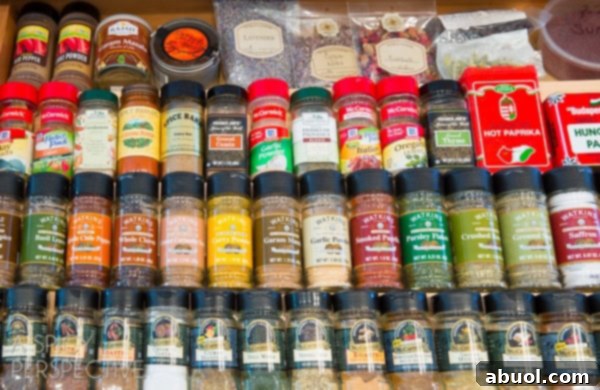
Beyond freshness and potency, an organized spice collection enhances efficiency and inspires creativity. Consider organizing your spices in a way that makes sense to you: perhaps alphabetically, by cuisine type (e.g., Indian, Mexican, Mediterranean), or by frequency of use. Labeling your spice containers with the purchase date can also be incredibly helpful for tracking their freshness. Whether you use a dedicated drawer insert, a tiered rack, or magnetic jars on your fridge, a system that allows you to quickly locate and access what you need will make your cooking experience more enjoyable and less cluttered.
Conclusion: Your Kitchen, Your Culinary Canvas
A well-stocked, thoughtfully organized, and properly maintained spice collection is truly the heart of an inspiring kitchen. It’s an investment in flavor, a testament to culinary readiness, and an open invitation to global gastronomic adventures right from your home. By embracing quality ingredients, understanding the nuances of each spice, and applying these simple tips, you’re not just cooking; you’re crafting, exploring, and bringing vibrant life to every meal.
So, as you embark on this new year, I encourage you to refresh your spice drawer, explore new flavors, and let your culinary imagination soar. Your kitchen truly is your canvas; go forth and paint it with the most exquisite flavors the world has to offer!