
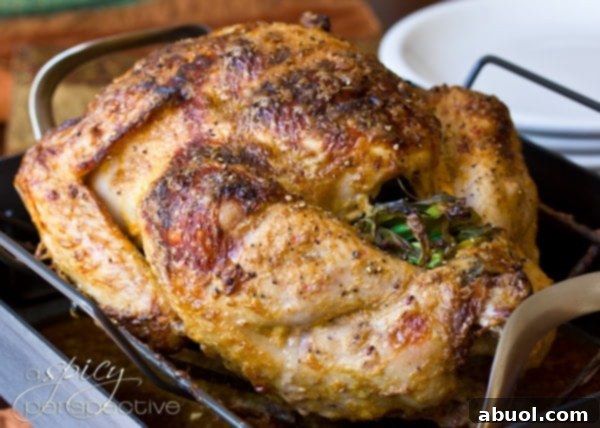
Thanksgiving is a cherished holiday, a time when families gather to celebrate gratitude, share stories, and, most importantly, indulge in a magnificent feast. While tradition holds a special place, every now and then, it’s exciting to introduce a fresh, captivating twist to the classic menu. This year, we’re inviting you to embark on a culinary adventure with an **Asian Turkey Recipe** – a bold and aromatic reimagining of your Thanksgiving centerpiece. Alongside this innovative recipe, we’ll provide comprehensive tips on **How to Cook a Turkey in the Oven** to ensure your bird is always succulent, flavorful, and boasts that irresistible crispy skin.
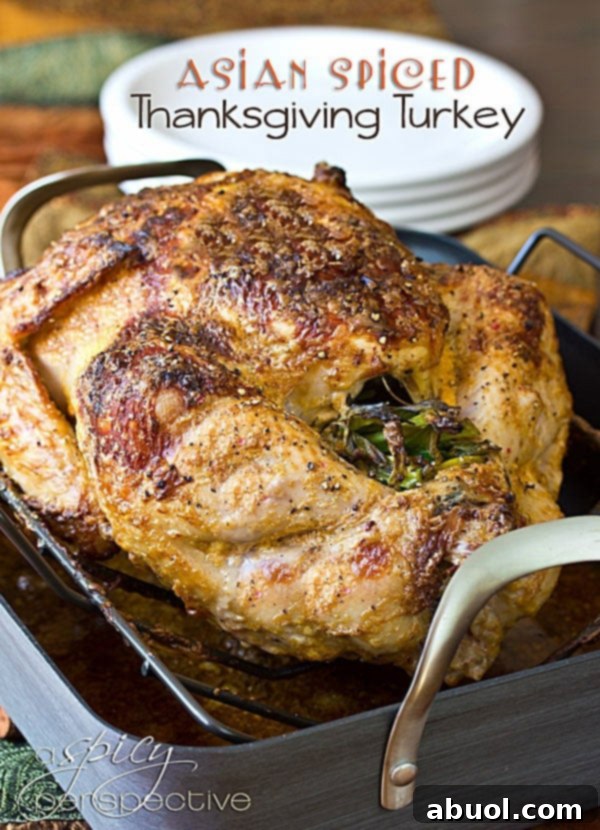
As the holiday season draws near, many of us find our thoughts drifting to the heart of the Thanksgiving table: the turkey. The questions begin to pile up: How will you infuse your **oven-roasted turkey** with unparalleled flavor this year? What delightful Thanksgiving sides will complement it best? And perhaps the most pressing question for the adventurous home chef: Does Thanksgiving dinner truly have to adhere to the exact same routine year after year?
We believe not, at least not entirely. While the idea of completely overhauling your Thanksgiving meal might seem daunting – no one is suggesting serving lasagna in place of turkey! – there’s immense joy in taking beloved, standard Thanksgiving dishes and giving them an exciting, saucy makeover. It’s about respecting tradition while embracing innovation, creating a meal that feels both familiar and wonderfully new.
An Exquisite Asian Turkey Recipe: A Fusion Feast for Thanksgiving
Imagine a Thanksgiving spread where culinary purists find comfort in the presence of all their traditional dishes, perfectly represented, yet the more adventuresome eaters are thrilled to experience those very dishes in an entirely new, vibrant way. This delicate balance is precisely what our **Asian Turkey Recipe** aims to achieve. This year, transcend the ordinary and prepare to serve a centerpiece that is not only visually stunning but also exquisitely fragrant with a symphony of exotic herbs and spices.
The beauty of this approach lies in its simplicity and impact. We start with the fundamental steps of turkey preparation, much like any traditional recipe. However, the magic truly unfolds with our unique rub and the carefully selected aromatics placed within the bird’s cavity. These elements work in harmony to infuse a spectacular soiree of vibrant Asian flavors directly into both the skin and the succulent meat.
The secret to this incredibly flavorful and crispy Asian turkey lies in our special rub. This concoction is made with a surprising yet highly effective base of mayonnaise, combined with the spicy kick of sriracha, and the aromatic depth of fresh ginger and garlic. Believe it or not, the mayonnaise is a game-changer; it contributes an astonishing amount of flavor to the skin while simultaneously ensuring it roasts to an unparalleled level of crispiness. The sriracha adds a pleasant heat, while ginger and garlic provide that quintessential Asian aromatic foundation.
To further enhance the internal flavor profile, we meticulously place an assortment of fresh Thai basil, fragrant lemongrass, additional slices of ginger, and crisp scallions directly into the turkey’s cavity. As the turkey roasts, these aromatics gently perfume the bird from the inside out, creating layers of complex, enticing flavors that permeate every fiber of the meat. This method for **oven-roasted turkey** brings an additional flair and sophistication to your Thanksgiving table, elevating the meal without overshadowing the cherished traditional dishes that your family loves, whether they have an Asian twist or not.
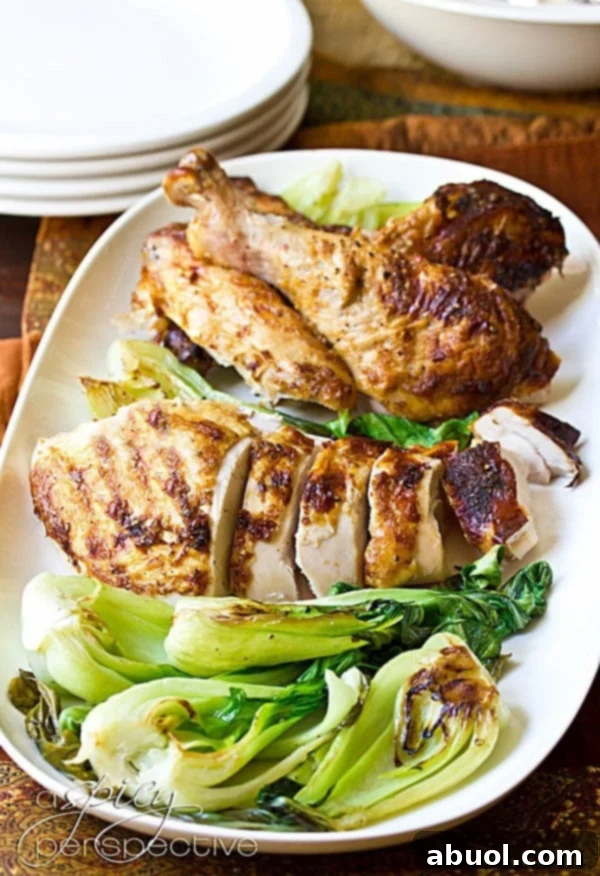
When it comes to serving, you have the flexibility to pair your Asian-inspired **oven-roasted turkey** with classic Thanksgiving sides for a delightful contrast, or you can extend the Asian theme to your accompaniments for a truly immersive culinary experience. Consider offerings like tender bok choy braised in delicate white wine and butter, sweet potatoes candied with crystallized ginger, creamy mashed potatoes infused with lemongrass and garlic, or a savory soy-infused stuffing. Each choice promises to harmonize beautifully with the main event, creating a memorable holiday feast.
Before we dive into the detailed **Asian Turkey Recipe**, it’s crucial to lay a solid foundation. I want to share a few essential pointers for achieving the perfect **oven-roasted turkey**. Adhering to these fundamental steps can make a monumental difference in the overall quality of your bird, ensuring it’s not just cooked, but cooked to absolute perfection.
Mastering the Art of How to Cook a Turkey in the Oven: Essential Tips for Perfection
Cooking a turkey to perfection can seem like a daunting task, but with these proven techniques, you’ll achieve a golden-brown, juicy, and incredibly flavorful bird every time. These steps are universal and will significantly enhance your Asian-inspired turkey, or any turkey you prepare.
Thaw Early and Safely.
Planning ahead is key to a stress-free Thanksgiving. Purchase your frozen turkey at least a week, and preferably even longer, before Thanksgiving Day. The safest and most effective way to thaw a turkey is slowly in the refrigerator. Place the wrapped turkey in a large roasting pan or on a baking sheet to catch any drips and prevent cross-contamination. Allow approximately 24 hours of thawing time for every 4-5 pounds of turkey. For example, a 12-14 pound turkey will need 3-4 days to fully thaw in the refrigerator. This deliberate approach ensures even thawing and prevents the dreaded last-minute scramble of a partially frozen bird on Thanksgiving morning, which can lead to uneven cooking and potential food safety issues.
Brine for Unbeatable Moisture and Flavor.
Brining is an incredibly effective technique for infusing deep flavor and retaining moisture within the turkey meat. This process involves submerging the turkey in a salt-water solution, which helps the meat absorb liquid and seasonings, resulting in a significantly juicier and more tender final product. A basic brine recipe consists of 1 gallon of water per 1 cup of salt, but feel free to elevate this with your choice of herbs and spices. For a classic brine, consider adding bay leaves, peppercorns, orange slices, and fresh rosemary. For our Asian-inspired turkey, you could incorporate soy sauce, star anise, ginger slices, and a touch of brown sugar into your brine solution. After preparing your brine, place the turkey in a clean, food-safe bucket or a large brining bag and pour the brine water over it, ensuring the turkey is fully submerged. Refrigerate for 12 to 24 hours. Once brined, remove the turkey, discard the brine, and pat it thoroughly dry.
If time is a luxury you don’t have, don’t fret! A flavorful dry rub can still make a substantial difference. Carefully loosen the skin of the turkey, creating pockets over the breast and thighs, and generously rub salt, pepper, and your chosen herbs (or our Asian rub mix) directly onto the meat underneath the skin. Distribute this seasoning over the entire bird. While not quite the same as a full brine, this method will infuse much more flavor into your turkey than simply salting the skin alone, which primarily seasons the surface.
Dry Well for the Crispiest Skin.
This step is often overlooked but is absolutely critical for achieving that coveted crispy skin. Whether you choose to brine your turkey or not, its skin must be bone dry before you apply any seasoning or oil. Any residual moisture on the surface will create steam in the hot oven, resulting in rubbery rather than crisp skin. Use clean paper towels to meticulously pat down every inch of your bird, both inside and out. Don’t rush this process; a thoroughly dry surface ensures optimal browning and an incredibly satisfying crunch.
Stuffing Not for the Bird (Cavity, That Is).
While the image of a turkey bursting with stuffing is iconic, stuffing the bird’s cavity is generally not recommended for optimal turkey cooking. Baking stuffing inside the turkey significantly prolongs cooking time because the stuffing itself needs to reach a safe internal temperature of 165°F (74°C). This often means the turkey meat, particularly the delicate breast, becomes overcooked and dry while you wait for the stuffing to heat through. Instead, prepare your stuffing in a separate baking dish. This allows your turkey to come out of the oven when the meat is perfectly moist and just cooked through, preserving its tenderness and juiciness. Cooked separately, your stuffing will still absorb delicious turkey drippings if placed in the roasting pan during the last hour of cooking, or simply basted with pan juices, without compromising the turkey’s perfection.
The Birdy Massage: Oil, Butter, or Our Special Mayo Concoction.
Once your turkey is perfectly thawed, brined (if you chose to), and thoroughly dried, it’s time for the “birdy massage.” This step is where flavor meets crispiness. Rubbing the turkey down with a generous layer of oil, softened butter, or, in the case of our Asian turkey, the special mayonnaise concoction, serves several vital purposes. The fat helps to conduct heat, promoting even browning and a beautiful golden crust. More importantly, it helps render the skin crispy and locks in moisture. Our mayonnaise-based rub for the Asian turkey goes a step further, infusing a rich blend of sriracha, ginger, and garlic directly onto the skin, ensuring every bite is bursting with flavor.
Start Upside Down for Juicier Breast Meat.
This technique might seem unconventional, but it’s a game-changer for achieving incredibly tender and juicy breast meat. Cooking your turkey breast-down for the initial stage of roasting allows the natural fats and savory juices from the dark meat and the back to run down and baste the breast meat. This gravity-fed basting protects the lean breast from drying out during the intense heat of the oven, resulting in unparalleled tenderness. I typically cook my turkey breast-down for the first hour at a high temperature. Then, using sturdy turkey lifting forks or oven mitts, carefully flip the bird over, breast-side up. Re-apply a bit more of your chosen fat or the remaining mayo mixture to the top, and continue roasting. The top will naturally brown and crisp up during the remaining cooking time, giving you a picture-perfect, evenly cooked Thanksgiving bird.
Utilize High Heat for Efficiency and Crispy Skin.
Through years of experimentation with various temperatures and cooking times, I’ve consistently found that roasting a turkey at a higher temperature for a shorter duration yields a significantly juicier bird with wonderfully crispy skin. A consistent temperature of 400°F (200°C) typically achieves this balance, often requiring only about 2 to 2.5 hours for a medium-sized turkey. This method creates a flavorful crust quickly, sealing in the juices. It also has the added benefit of freeing up your oven sooner for other Thanksgiving dishes, allowing for better meal timing and less stress on the big day. Always use a reliable meat thermometer to ensure the thickest part of the thigh (without touching bone) reaches 165°F (74°C) for food safety.
Rest: The Final, Crucial Step.
After all the effort you’ve put into preparing and roasting your magnificent turkey, the final, yet arguably most critical, step is to let it rest. Once the turkey is removed from the oven, loosely tent it with foil and allow it to sit undisturbed for at least 20-30 minutes, or even up to an hour for larger birds. This resting period is vital because it allows the muscle fibers, which have contracted during cooking, to relax. As they relax, the juices, which have been driven to the center of the bird by the heat, redistribute evenly throughout the meat. This results in slices that are not only much juicier and more tender but also easier to carve neatly, ensuring a beautiful presentation for your guests. Patience during this final stage will be amply rewarded with an incomparably delicious turkey.
Print Recipe
Leave a Review »
Asian Thanksgiving Turkey Recipe
Ingredients
- 12-14 pound whole turkey thawed and brined (if desired)
- 2 cups mayonnaise
- 1/3 cup Sriracha
- 2 tablespoons ground ginger
- 2 tablespoons garlic powder
- Salt and pepper, to taste
- 1 bunch Thai basil
- 3-4 stalks lemongrass, smashed lightly
- 1 bunch scallions, halved
- 2 inch fresh ginger piece, thinly sliced
Instructions
-
Begin by preheating your oven to a robust 400 degrees F (200°C). Position the oven rack on the lowest setting to ensure even heat distribution and ample space for the turkey.
-
Thoroughly dry the turkey, inside and out, using clean paper towels. This crucial step promotes crispy skin. Gently stuff the Thai basil, lightly smashed lemongrass stalks, halved scallions, and thin ginger slices into both the main cavity and the smaller neck cavity. If your turkey doesn’t have its drumsticks already tucked, secure them together with kitchen twine to help the bird cook evenly.
-
In a medium bowl, combine the mayonnaise, sriracha, ground ginger, and garlic powder. Mix until well blended. Generously massage this flavorful Asian rub over the entire surface of the turkey, ensuring an even coating. Reserve approximately 2 tablespoons of this mayo mixture for later. After applying the rub, season the bird liberally with salt and freshly ground black pepper to taste.
-
Place the prepared turkey, breast side down, onto a sturdy roasting pan equipped with a rack. Pour two cups of water into the bottom of the pan; this helps to create a moist environment and prevents drippings from burning. Carefully transfer the roasting pan to the preheated oven.
-
Roast the turkey for 1 hour with the breast side down. After 1 hour, carefully remove the pan from the oven. Using heavy-duty paper towels or specialized turkey lifting forks, gently but firmly flip the bird so it is breast side up. Evenly rub the reserved 2 tablespoons of mayo mixture over the now-exposed breast and top surfaces. Check the roasting pan; if the water has evaporated, add additional water as needed to maintain some moisture at the bottom. Return the turkey to the oven and continue roasting for another 45-60 minutes, or until a meat thermometer inserted into the thickest part of the thigh (avoiding the bone) registers 165°F (74°C). If the turkey’s skin begins to brown too quickly or gets too dark on top before it’s fully cooked, loosely tent it with aluminum foil to prevent further browning. Once the turkey reaches the target internal temperature, remove it from the oven and allow it to rest, loosely tented with foil, for at least 20-30 minutes before carving. This resting period is crucial for the juices to redistribute, ensuring a tender and moist turkey.