
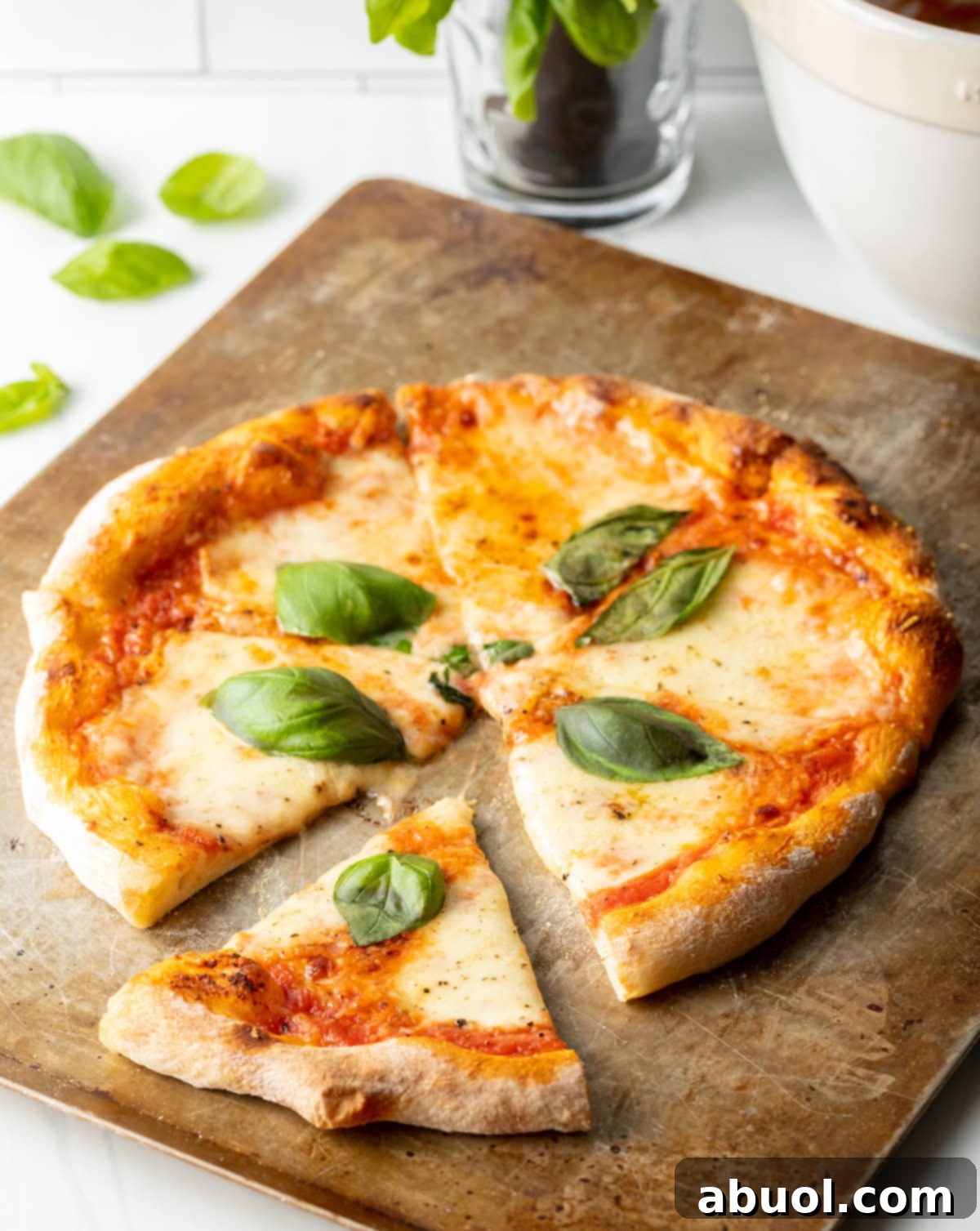
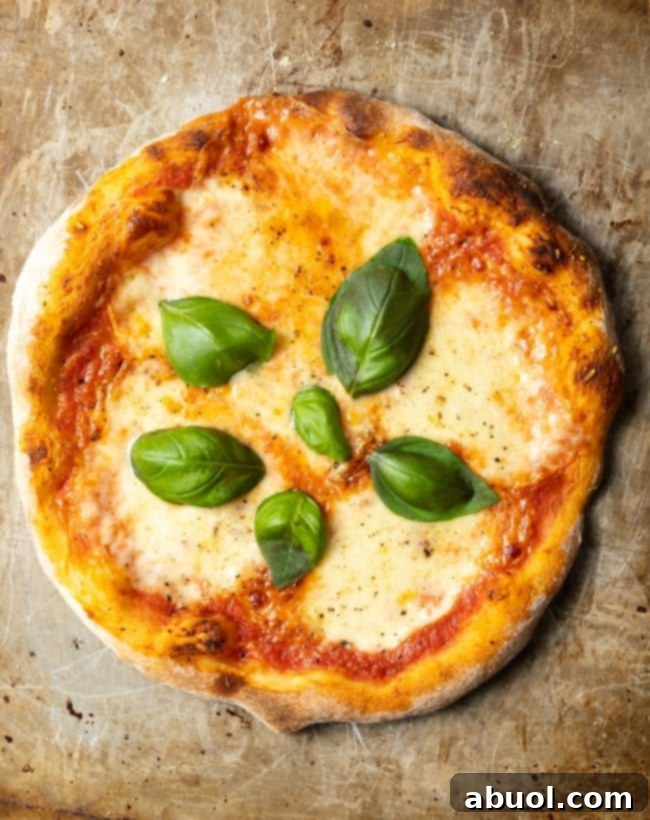
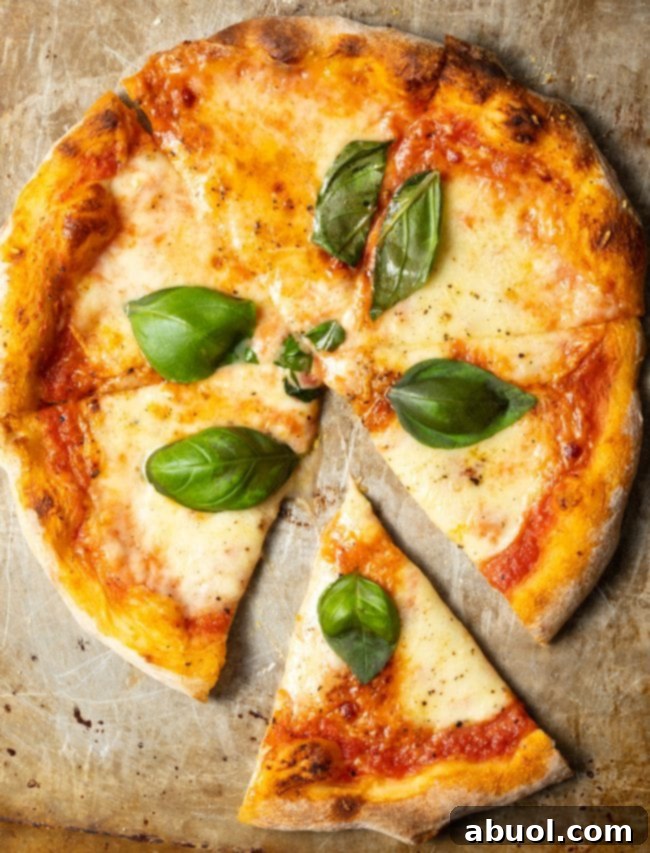
This classic Neapolitan-style pizza dough recipe is your gateway to crafting the most authentic pizza crust. Imagine a crust that’s perfectly crisp around the edges, wonderfully chewy in the center, and boasts that signature airy texture. It’s the ideal foundation for traditional Margherita pizza toppings, like rich homemade tomato sauce, creamy fresh mozzarella cheese, and fragrant basil.
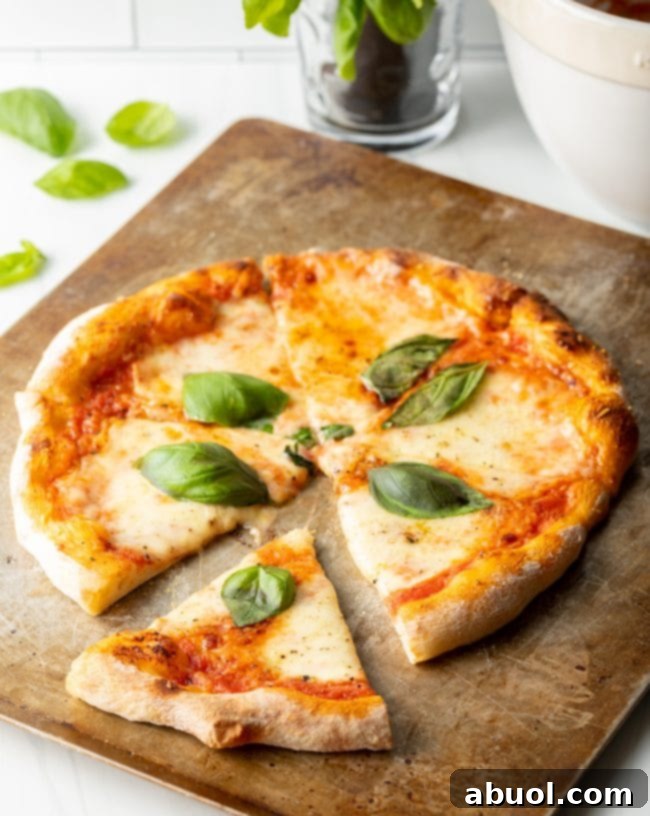

Crafting the Perfect Neapolitan Pizza at Home: A Culinary Journey
There’s pizza, and then there’s pizza – specifically, the legendary Neapolitan pizza. We all know the quick, convenient option for busy weeknights, but true Neapolitan pizza is an experience, a long-beloved culinary art form that is simultaneously casual and profoundly complex, rustic yet undeniably impressive. This iconic dish, originating in Naples, Italy, in the late 1800s, is often regarded as the very first pizza recipe, a testament to its timeless appeal.
Authentic Pizza Napoletana is celebrated for its simplicity, which paradoxically makes it perfect in every sense. Today, we invite you to master the cornerstone of this authentic Italian masterpiece: the genuine Neapolitan pizza dough. This recipe, similar to the one used in our White Pizza Recipe (Pizza Bianca), consistently bakes into a crust that is unbelievably crisp, tender, and delightfully chewy – a truly unforgettable foundation for any pizza.
Why This Homemade Neapolitan-Style Pizza Dough Recipe Will Transform Your Pizza Nights
Creating authentic Neapolitan pizza at home might seem daunting, but with this recipe, it becomes a rewarding and achievable culinary adventure. Here’s why you’ll absolutely fall in love with making your own Neapolitan pizza dough:
- Effortless Planning with Make-Ahead Convenience: The key to exceptional flavor and texture in Neapolitan dough is a slow, cold fermentation. This dough requires proofing in the refrigerator for at least 12 hours, making it an ideal make-ahead component. You can even prepare it weeks in advance and freeze it, offering ultimate flexibility. Starting the day before your planned pizza night, or even earlier, means less stress and more enjoyment when it’s time to bake.
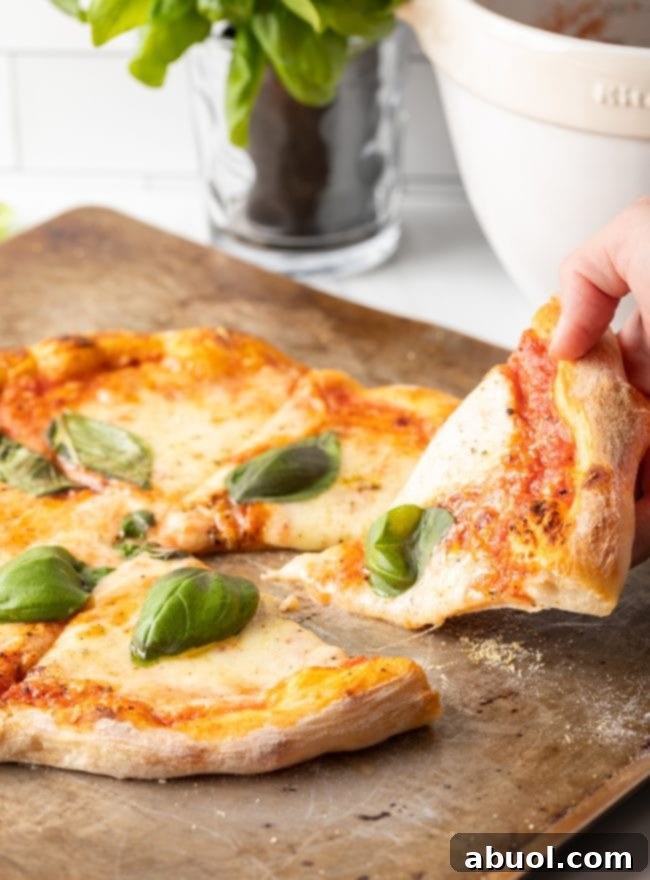
- The Quintessential Crust: Neapolitan pizza is characterized by a crust that strikes a delicate balance – thinner than most American-style pizzas but with a distinct, puffy, airy edge known as the cornicione. This recipe produces a high-hydration dough that stretches beautifully, baking into a crust that is both crispy on the exterior and wonderfully chewy within. It’s pure amore in every bite!
- A Complete Pizza Napoletana Experience: Beyond just the dough, this guide provides a comprehensive approach to creating a traditional Margherita pizza. We’ll walk you through the art of stretching the dough, layering it with traditional toppings: a vibrant homemade tomato sauce made from the freshest plum tomatoes, thick slices of buffalo mozzarella, a drizzle of premium olive oil, and a scattering of fragrant fresh basil. It’s an entire culinary journey from scratch to plate.
- Elevate Your Weekend Gatherings: Impress your family and friends with a pizza that rivals your favorite pizzeria. The simplicity and authentic taste of this recipe, approved by even the most discerning pizza aficionados (like those from the Neapolitan Pizza Association, A.K.A AVPN – and yes, it’s a real and very big deal!), are sure to elevate any weekend pizza night into a gourmet event.
Embrace the tradition, savor the flavors, and discover the joy of making authentic Neapolitan pizza in your own kitchen!
Essential Ingredients for Authentic Neapolitan Pizza & Expert Tips
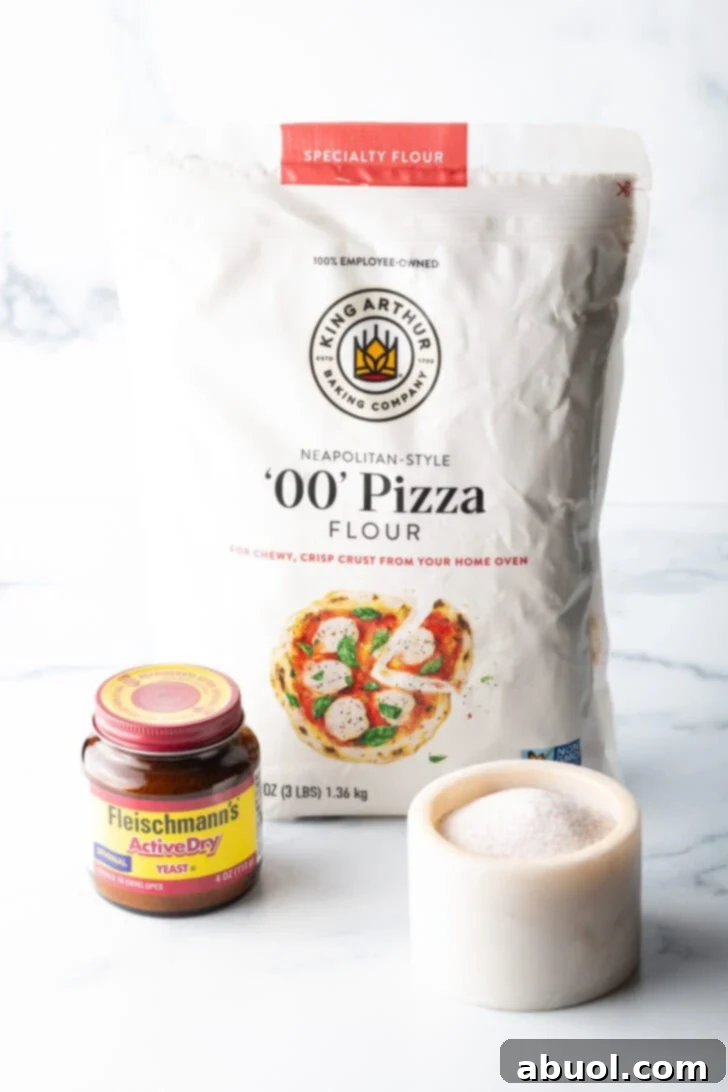
Creating a truly authentic Neapolitan pizza begins with selecting the right ingredients. Each component plays a vital role in achieving that distinctive flavor and texture. Here’s a detailed look at what you’ll need and some tips for optimal results:
- Neapolitan Pizza Dough: The soul of any Neapolitan pizza. Authenticity demands just four fundamental ingredients:
- “00” Bread Flour: While not explicitly stated as “00” in the original, authentic Neapolitan pizza traditionally uses fine-ground Italian “00” flour, which has a specific protein content and milling process ideal for thin, airy crusts. If unavailable, high-quality bread flour is a good substitute, providing enough gluten for elasticity.
- Warm Water: Crucial for activating the yeast. Ensure it’s warm to the touch, not hot, to avoid killing the yeast.
- Dry Active Yeast: The leavening agent that gives the dough its rise and characteristic chewy texture.
- Salt: Essential for flavor, structure, and regulating yeast activity.
- Homemade Pizza Sauce: Simplicity is key for Neapolitan sauce. You only need:
- Canned Plum Tomatoes: Specifically, high-quality San Marzano plum tomatoes from Italy are preferred for their balanced sweetness and low acidity. Crushing them by hand or gently pureeing creates a rustic, fresh-tasting sauce.
- Salt and Pepper: To season the tomatoes and bring out their natural flavors.
- Cheese: The traditional choice for Margherita pizza.
- Fresh Buffalo Mozzarella Cheese: Thick slices of fresh, high-quality buffalo mozzarella (or fresh cow’s milk mozzarella, fior di latte) are paramount. Its moisture content and milky flavor melt beautifully without over-browning. Avoid pre-shredded mozzarella, which often contains anti-caking agents that hinder melting.
- Fresh Grated Parmesan Cheese (optional but recommended): A sprinkle of aged Parmesan adds a salty, umami depth that complements the mozzarella perfectly.
- Extra Virgin Olive Oil (EVOO): A finishing touch that adds richness and flavor. Use a high-quality, cold-pressed EVOO for the best taste and a smooth, aromatic finish. It’s often drizzled before and sometimes after baking.
- Fresh Basil: The vibrant green counterpoint to the red sauce and white cheese. Baby basil leaves are light and fragrant, perfect for adorning the baked pizza, adding a fresh, aromatic lift. Always add fresh basil after baking to preserve its delicate flavor and color.
- Cornmeal: A small amount of coarse cornmeal sprinkled on your pizza peel or baking sheet is your secret weapon. It acts as tiny ball bearings, ensuring the raw pizza slides effortlessly off the surface and onto the hot pizza stone or grill, preventing sticking.
Creative Recipe Variations to Customize Your Neapolitan Pizza
While the classic Neapolitan Margherita is a masterpiece, there are many ways to adapt this recipe to your preferences or what you have on hand. Here are some popular variations:
- Flour Alternatives:
- All-Purpose Flour: If authentic “00” bread flour isn’t available, standard all-purpose (AP) flour can be used. Be aware that AP flour typically has a lower protein content, which might result in a slightly thinner crust that is not as puffy and airy around the edges as traditional Neapolitan pizza. You may need minor adjustments to water content.
- Tomato Sauce Shortcuts:
- Canned or Jarred Pizza Sauce: In a pinch, a good quality canned or jarred pizza sauce can be a time-saver. Look for sauces with minimal added sugar and natural ingredients to maintain a flavor profile close to homemade.
- Dietary Adaptations:
- Dairy-Free/Vegan: For those avoiding dairy, you can experiment with plant-based alternatives for mozzarella and parmesan cheeses. While the texture and melt might differ from traditional dairy, many excellent vegan cheese options are now available to create a delicious nondairy and vegan pizza. (Note: This recipe hasn’t been personally tested with dairy-free alternatives, so results may vary.)
- Topping Creativity:
- Your Favorite Toppings: Neapolitan pizza can be a canvas for endless creativity. Feel free to add any of your preferred pizza toppings. Classic options include thinly sliced pepperoni, pre-cooked Italian sausage, sautéed mushrooms, thinly sliced bell peppers, olives, or even a sprinkle of red pepper flakes for a kick. Remember, true Neapolitan style often favors fewer, high-quality toppings to let the crust shine.
How to Make Homemade Neapolitan Pizza: A Step-by-Step Guide
Embark on the journey of crafting your own authentic Neapolitan pizza. This detailed guide will walk you through each crucial step, from preparing the perfect dough to baking a masterpiece.
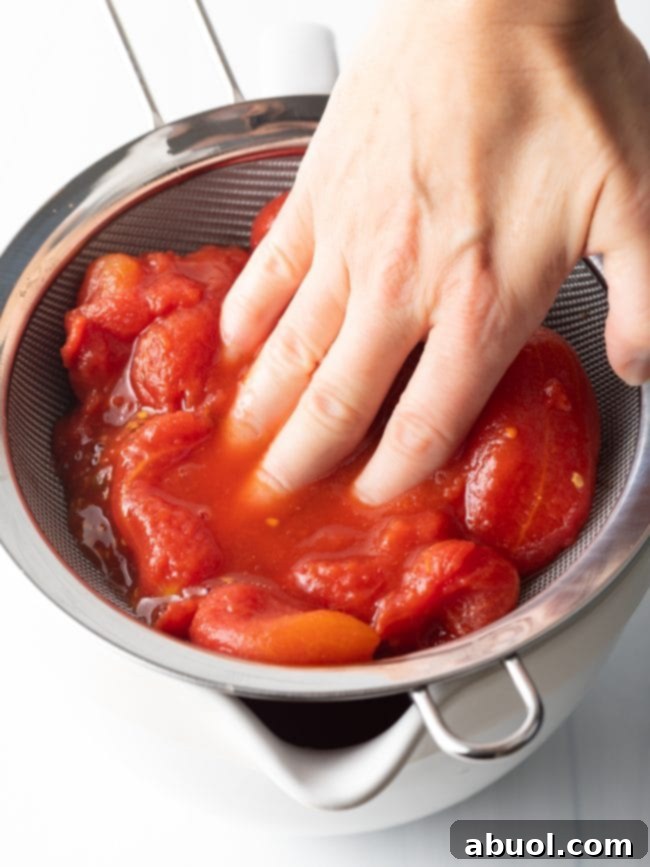
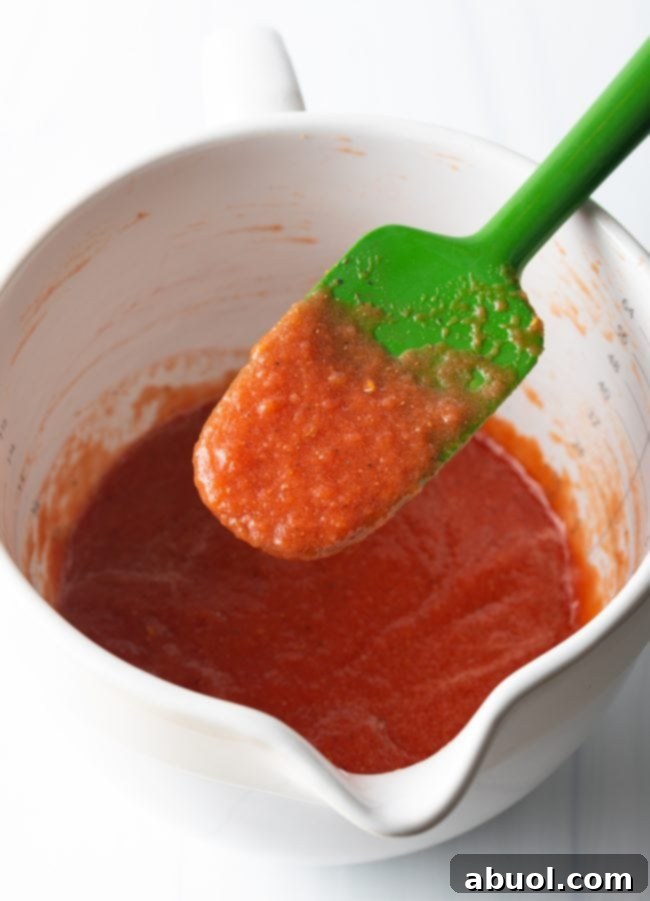
Expert Tip for Success: For the most authentic rustic sauce, we prefer to smoosh our plum tomatoes by hand over a sieve. This method breaks down the tomatoes while retaining some texture. However, for a smoother consistency or if you’re short on time, you can easily puree them in a food processor or blender.
Find the complete Neapolitan Pizza Dough recipe with detailed instructions, storage tips, and a helpful video tutorial in the printable recipe card located at the bottom of this post.
Storage & Reheating Tips for Your Neapolitan Pizza
Ensuring your delicious Neapolitan pizza stays fresh and enjoyable for as long as possible requires proper storage. Here are some guidelines for handling leftovers, freezing dough, and reheating:
- Storing Leftovers: Any leftover baked pizza can be kept in an airtight container or wrapped tightly in plastic wrap and stored in the refrigerator for up to 3 days. For best quality, consume within 1-2 days.
- Freezing Dough (Unbaked): If you’re preparing the Neapolitan dough in advance and don’t plan to bake it immediately, freezing is an excellent option.
- Roll out the dough into your desired circular shape on a lightly floured or cornmeal-dusted baking sheet.
- Flash freeze it for about an hour, or until it is solid. This prevents it from sticking to itself when wrapped.
- Once frozen solid, carefully remove it from the baking sheet. Wrap it tightly in several layers of plastic wrap, ensuring no air can get in.
- Follow this with one or two layers of heavy-duty aluminum foil for extra protection against freezer burn.
- Freeze for up to 2 months.
- To use, thaw the frozen dough in the refrigerator overnight or for several hours until pliable. Then, proceed with adding toppings and baking as instructed.
Note: Freezing the dough after it’s fully baked with toppings can alter the texture of the crust and cheese when reheated. It’s generally best to freeze the unbaked dough.
- Reheating Pizza: Our absolute favorite method for reheating Neapolitan pizza is in the air fryer. The air fryer crisps up the crust beautifully and melts the cheese perfectly without drying out the toppings, giving you a near-fresh experience.
- Air Fryer Method: Place slices in a single layer in the air fryer basket. Cook at 350°F (175°C) for 3-5 minutes, or until cheese is bubbly and crust is crisp.
- Oven Method: Alternatively, you can reheat the pizza in a preheated oven at 400°F (200°C) for 5-10 minutes, or until thoroughly heated and the crust is revitalized.
Perfect Pairings: Serving Suggestions for Your Neapolitan Pizza
Authentic Neapolitan pizza, particularly a classic Margherita, is often enjoyed simply on its own, allowing the quality of its ingredients to shine. However, pairing it with complementary dishes can elevate your meal. Here are some serving suggestions:
- Fresh Green Salad: For a refreshing contrast and a touch of balance, serve slices of warm pizza alongside a crisp, vibrant green salad. A simple mixed green salad with a light vinaigrette perfectly cuts through the richness of the cheese and complements the tangy tomato sauce.
- Italian Antipasto Salad: If you’re keeping your pizza classic Margherita-style and crave something more substantial on the side, a hearty and generously loaded Italian antipasto salad is an excellent choice. Featuring cured meats, cheeses, olives, and marinated vegetables, it offers a diverse array of flavors and textures.
- Garlic Bread or Breadsticks: Can’t get enough delicious carbs? We certainly don’t blame you! While perhaps not a traditional Italian pairing, in many parts of the world, especially the US, it’s quite common and enjoyable to have pizza and breadsticks at the same meal. Homemade garlic bread or soft, buttery breadsticks can be a comforting addition.
- Wine Pairings: For an adult beverage, a light-bodied Italian red wine like a Chianti, Barbera, or even a dry Rosé complements the flavors of Margherita pizza beautifully. The acidity of these wines helps to cleanse the palate and enhance the tomato and cheese notes.
Frequently Asked Questions About Neapolitan Pizza
Yes, you technically can, although for the most authentic flavor and texture, homemade dough is always recommended. If using store-bought dough, the key is to roll or stretch it out as thin as possible, as described in our recipe, to achieve that characteristic thin, chewy crust of a true Pizza Napoletana. Then, proceed with our recommended Margherita toppings for a delicious result!
This recipe yields two small-to-medium sized pizzas. Each pizza is typically cut into 6 slices, giving you a total of 12 slices. This amount is generally perfect for serving 4-6 people, depending on appetites and whether other side dishes are served.
Neapolitan pizza is distinguished by strict traditional guidelines (set by the Associazione Verace Pizza Napoletana, AVPN). Key differences include its simple, high-hydration dough made only with “00” flour, water, salt, and yeast; its hand-stretched thin center and puffy, airy crust (cornicione); and minimal toppings of San Marzano tomatoes, fresh mozzarella (buffalo or fior di latte), fresh basil, and olive oil. It’s traditionally baked very quickly (60-90 seconds) in extremely hot wood-fired ovens, resulting in a slightly charred, tender, and chewy crust.
While a traditional Neapolitan pizza is baked in a wood-fired oven reaching 800-1000°F (425-540°C), you can achieve excellent results at home with a conventional oven. The trick is to get your oven as hot as possible (500-550°F or 260-290°C) and use a preheated pizza stone or steel. This setup mimics the intense heat needed to quickly cook the crust and create that signature char.

Print Recipe
Leave a Review »
Neapolitan Pizza Dough Recipe
30 minutes
5 minutes
35 minutes
This classic Neapolitan-style pizza dough recipe makes the best crust that’s lightly crisp, chewy, and perfect to top with authentic Margherita pizza toppings like homemade tomato sauce, mozzarella cheese and fresh basil.
12 slices (2 pizzas)
Video
Ingredients
Metric
For the Neapolitan Pizza Dough –
- 2+ cups bread flour
- ¾ cup warm water
- 2 teaspoons dry active yeast
- 1 ½ teaspoons salt
For the Neapolitan Pizza Sauce –
- 28 ounce can plum tomatoes
- Salt and pepper
For the Neapolitan Pizza Toppings –
- 2 balls buffalo mozzarella cheese about 1 lb
- 6 tablespoons fresh grated parmesan cheese
- 2 tablespoons extra virgin olive oil
- 12-18 basil leaves
- Cornmeal for the pans
Instructions
For the pizza dough:
- Start your dough preparation a day in advance, if possible. The longer the pizza dough rests and cold proofs, the better it stretches, develops flavor, and achieves that perfect rise. Begin by placing the dry active yeast in an electric mixing bowl fitted with a bread hook attachment. Pour ¼ cup of warm water over the yeast and gently swirl. Allow the mixture to foam and bloom for about 10 minutes. Ensure the water is comfortably warm, not hot, as excessive heat can kill the yeast.
- Next, add the remaining ½ cup of warm water and the salt to the yeast mixture. Turn the mixer on low speed and gradually add 2 cups of bread flour. Continue mixing until the flour is thoroughly combined and the dough hook begins to knead the dough. The dough should be noticeably sticky but firm enough to handle and pick up. If it’s too wet, add a little more flour, one tablespoon at a time, until the desired consistency is reached. Allow the mixer to knead the dough for an additional 5-10 minutes to develop the gluten.
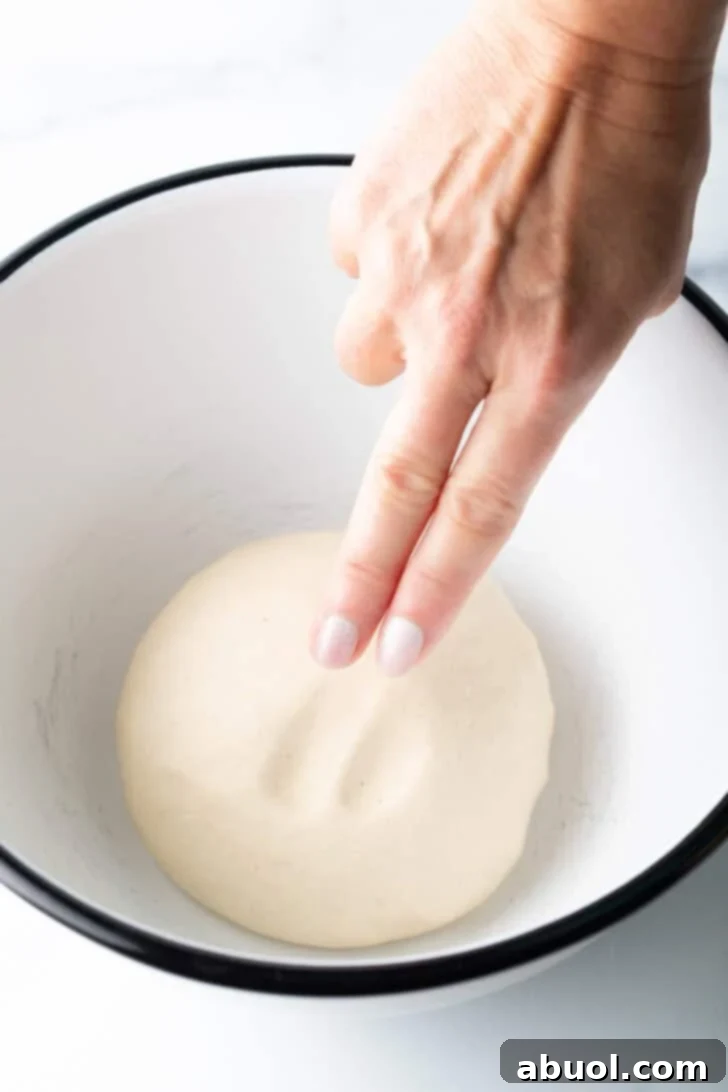
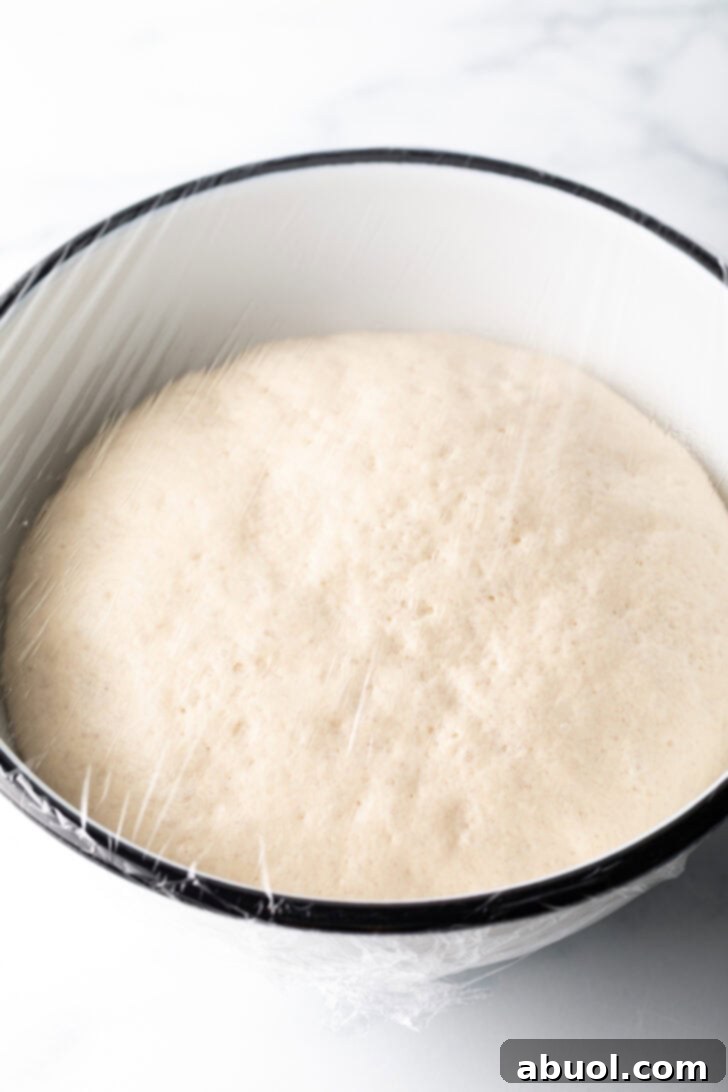
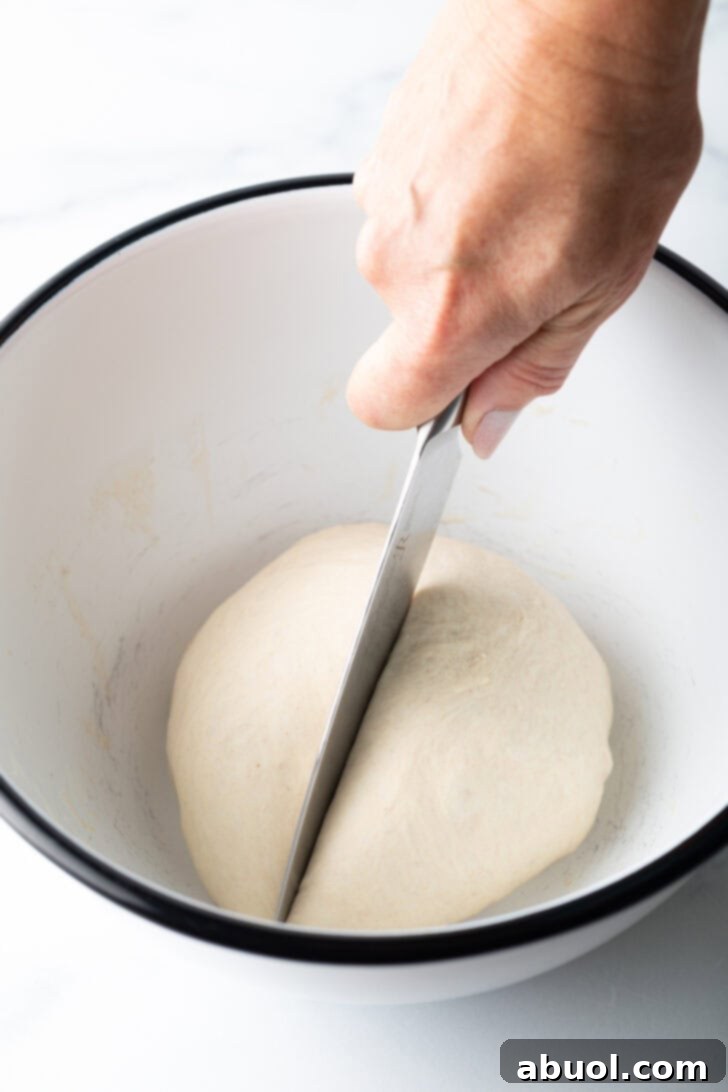
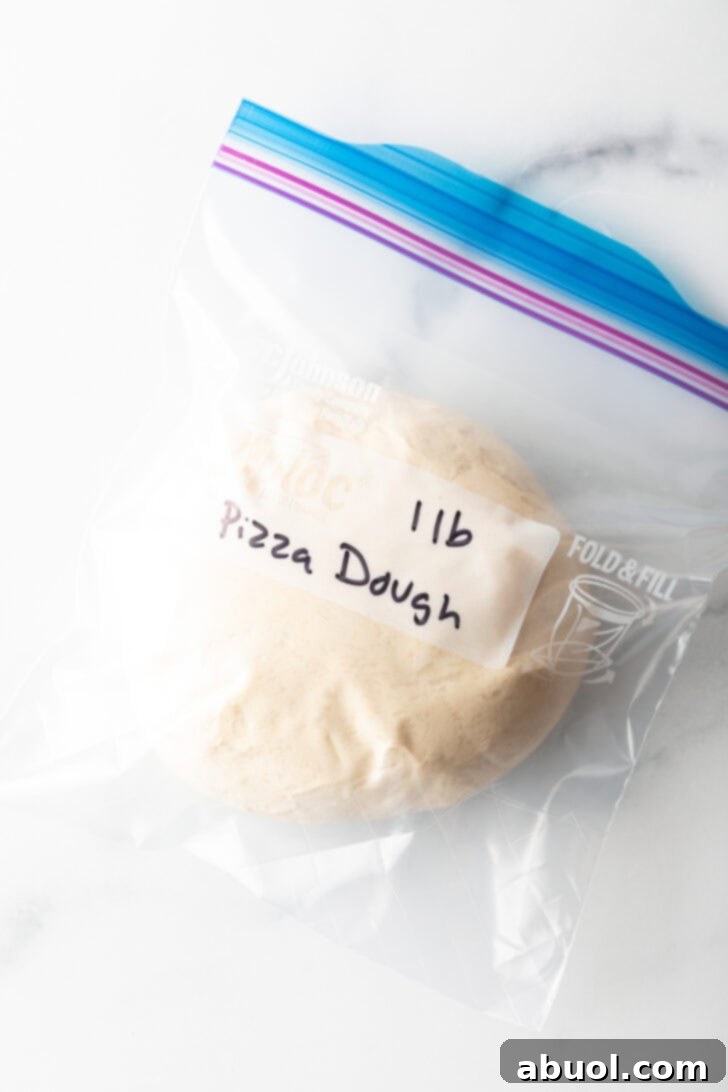
- Once kneaded, cover the mixing bowl with plastic wrap or a damp cloth and let the dough rise in a warm place for 2 hours, or until it has doubled in size. After the initial rise, gently turn the dough out onto a lightly floured work surface. Divide the dough into two approximately 8-ounce pieces. Carefully roll the ends under each piece to form smooth, round balls. Place these dough balls into individual airtight containers or sealable bags, then refrigerate for at least 12 hours. This cold fermentation is crucial for flavor development and texture.
For the tomato sauce:
- Set a fine-mesh sieve over a mixing bowl. Open the can of plum tomatoes and drain off the excess tomato juices (these can be discarded or saved for another recipe). Press the whole tomatoes through the mesh strainer, working them with your hands or a spatula, to create a thin, rustic sauce. Season the sauce generously with salt and pepper, then stir well. Taste and adjust seasoning as needed. For a quicker or smoother sauce, simply place the drained tomatoes in a blender and puree until smooth.
- Prepare your oven for baking. Preheat your oven to its highest setting, ideally 550°F (290°C). If using a grill, preheat it to 650-800°F (340-425°C). Place a pizza stone or steel in the oven (or on the grill) during preheating to ensure it gets intensely hot. This extreme heat is essential for creating a crispy, bubbly crust in a short amount of time.
Prep the crusts:
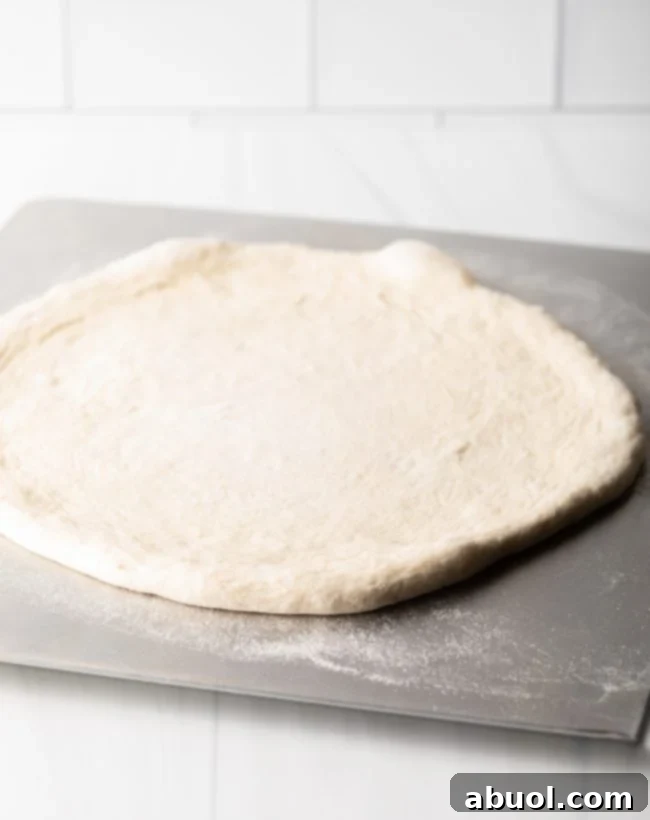
- Lightly flour your work surface and a rolling pin. Take one ball of cold-proofed dough and gently roll it out into a 12 to 13-inch circle. You can also use your hands, stretching from the center outwards, to gently expand the dough while preserving the airy edge. Sprinkle a generous amount of coarse cornmeal onto two flat baking sheets or pizza peels (if using a pizza stone/steel). Carefully transfer the stretched dough circles onto the prepared pans.
Top the pizzas:
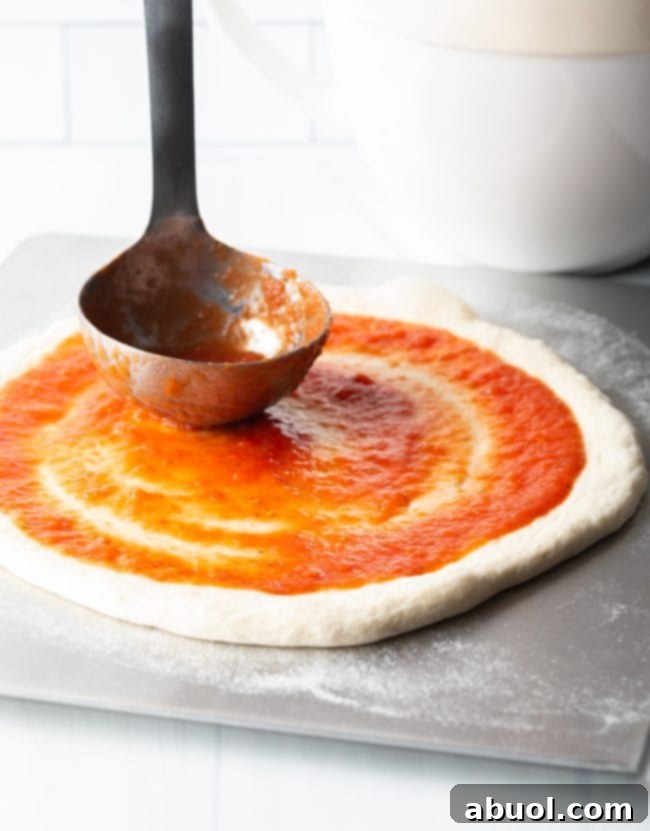
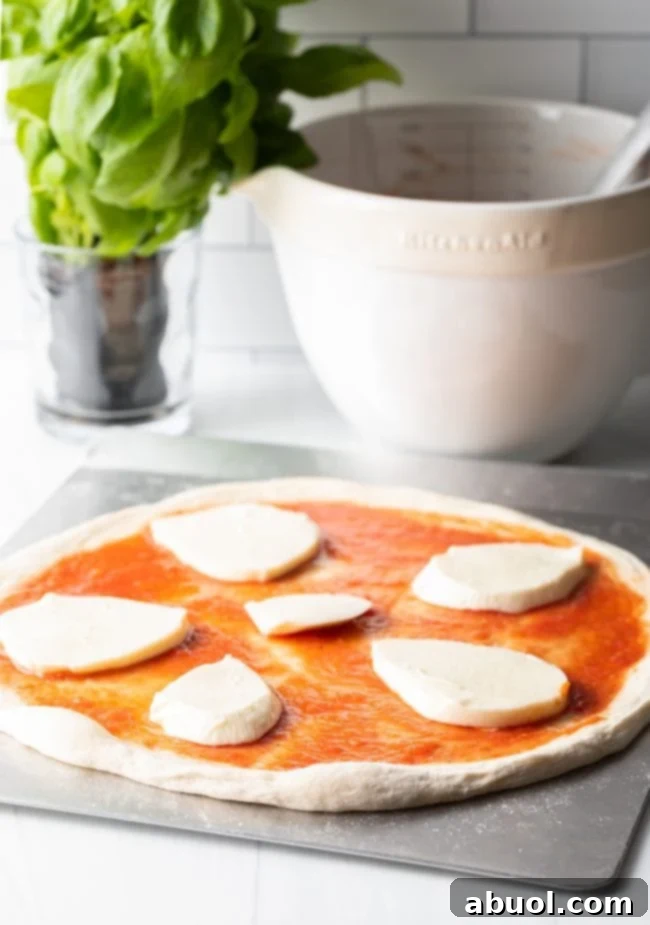
- Using a ladle or spoon, apply your homemade tomato sauce onto the pizza dough. Spread the sauce in a thin, even layer, making sure to leave a 1-inch rim around the edges of the dough; this will form your puffy cornicione.
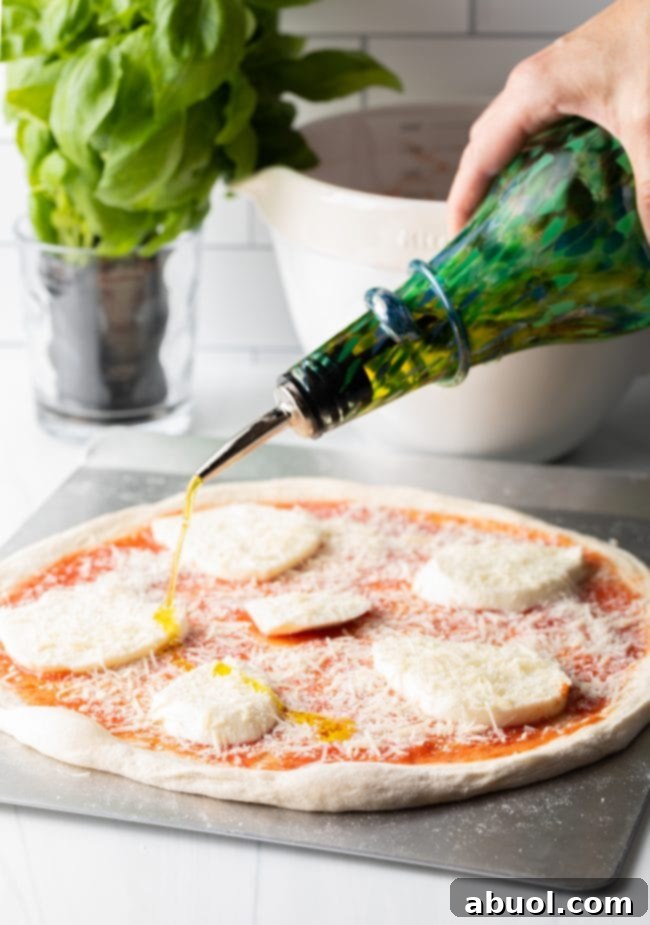
- Slice your buffalo mozzarella balls into ¼-inch thick rounds. Arrange these mozzarella slices evenly across the sauced pizza crusts. Then, sprinkle 3 tablespoons of fresh grated parmesan cheese over the top of each pizza. Gently stretch the pizzas back out slightly if they’ve shrunk, always being careful to maintain a substantial, proud edge around the rim. This technique contributes to the thin base and beautifully raised, airy crust.
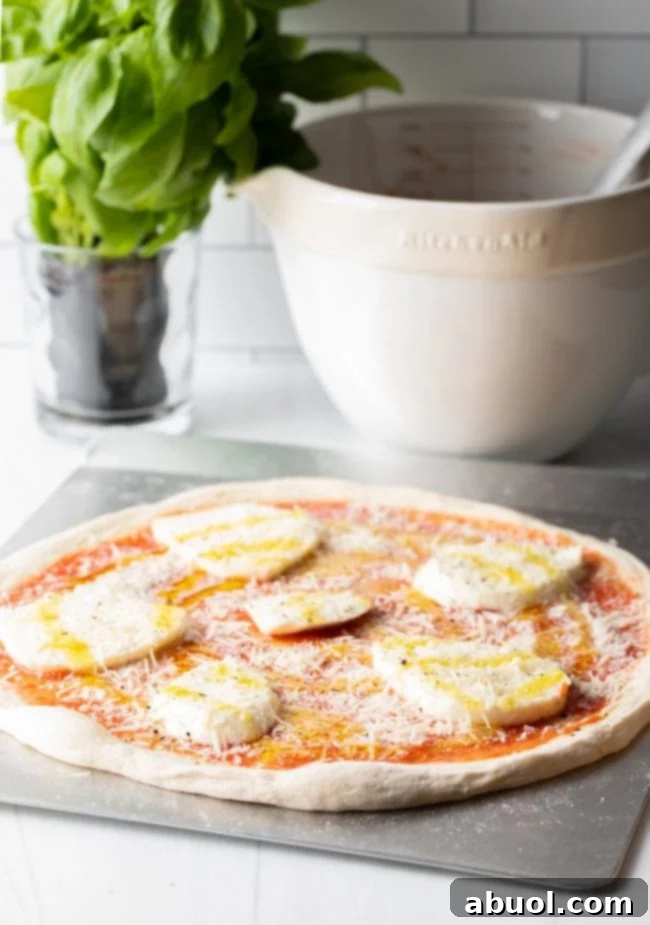
- Finally, drizzle 1 tablespoon of high-quality extra virgin olive oil over each pizza, enhancing the flavors and aiding in a beautiful bake. Finish with a light sprinkle of salt and pepper over the toppings.
Bake the pizzas:
- Carefully slide one pizza off its baking sheet or peel onto the preheated hot pizza stone in your oven (the cornmeal will help it slide smoothly).
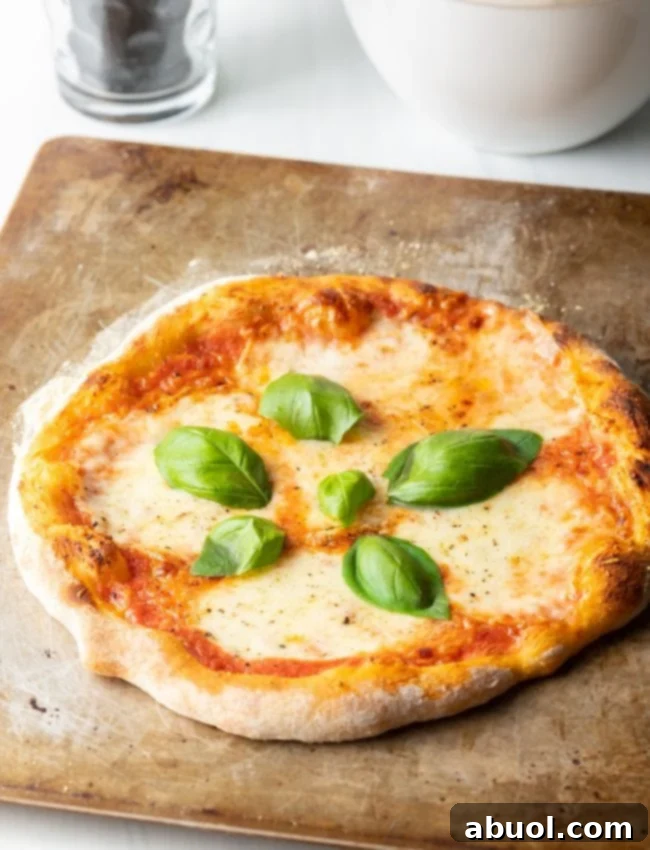
- Bake the pizza for 5-7 minutes, or until the edges of the crust are golden, puffed, and slightly charred, and the cheese is beautifully melted and bubbly. If you are grilling, cook for a shorter duration of 3-5 minutes, keeping a close eye on it due to the higher heat. If you only have one baking stone, cook one pizza at a time to ensure even baking and optimal temperature retention.
- Once the pizza crust is golden and the cheese is perfectly melted and slightly browned in spots, carefully remove it from the oven. Immediately arrange fresh basil leaves over the top of the hot pizza. The residual heat will gently wilt the basil, releasing its aromatic oils. Let it cool for just a minute or two, then slice and serve your authentic Neapolitan pizza immediately.
Notes
- Storing Leftovers: Keep leftover pizza in an airtight container and store in the refrigerator for up to 3 days.
- Freezing Dough: It’s recommended to freeze Neapolitan pizza dough before loading it with toppings and baking. Roll it out into a circle on a baking sheet, then flash freeze for about an hour until solid. Wrap tightly in several layers of plastic wrap and then in one or two layers of aluminum foil. Freeze for up to 2 months. Thaw in the fridge for several hours before adding toppings and baking.
- Reheating: Our favorite method for reheating pizza is in the air fryer, as it crisps the crust and melts the cheese without drying it out. Alternatively, bake in a conventional oven at 400°F (200°C) for 5-10 minutes.
Nutrition
Calories: 238 kcal,
Carbohydrates: 20g,
Protein: 13g,
Fat: 12g,
Saturated Fat: 6g,
Polyunsaturated Fat: 1g,
Monounsaturated Fat: 5g,
Cholesterol: 32mg,
Sodium: 663mg,
Potassium: 197mg,
Fiber: 2g,
Sugar: 2g,
Vitamin A: 376IU,
Vitamin C: 6mg,
Calcium: 244mg,
Iron: 1mg
Main, Main Course
American, Italian, Mediterranean
Sommer Collier
YOU can help this recipe RANK on Google – TAP 5 STARS so other hungry people can find it. Thank you!