
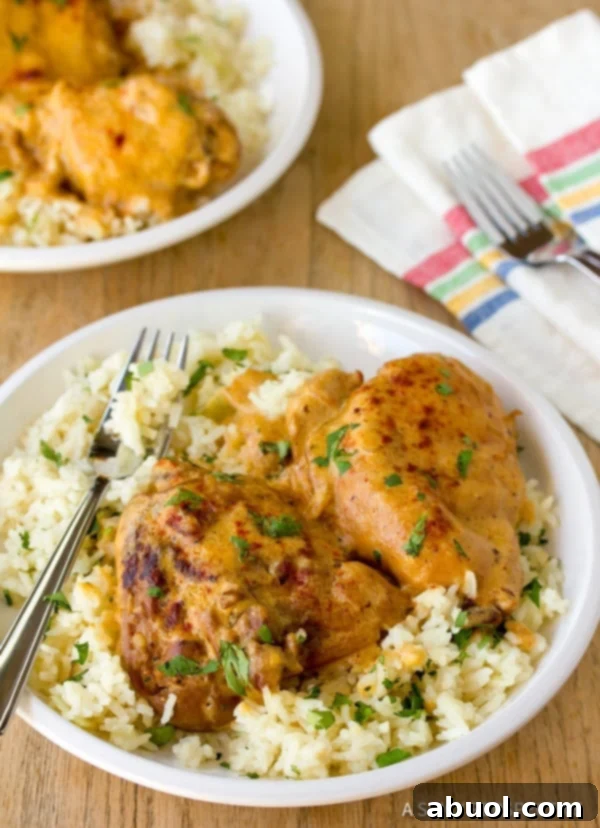
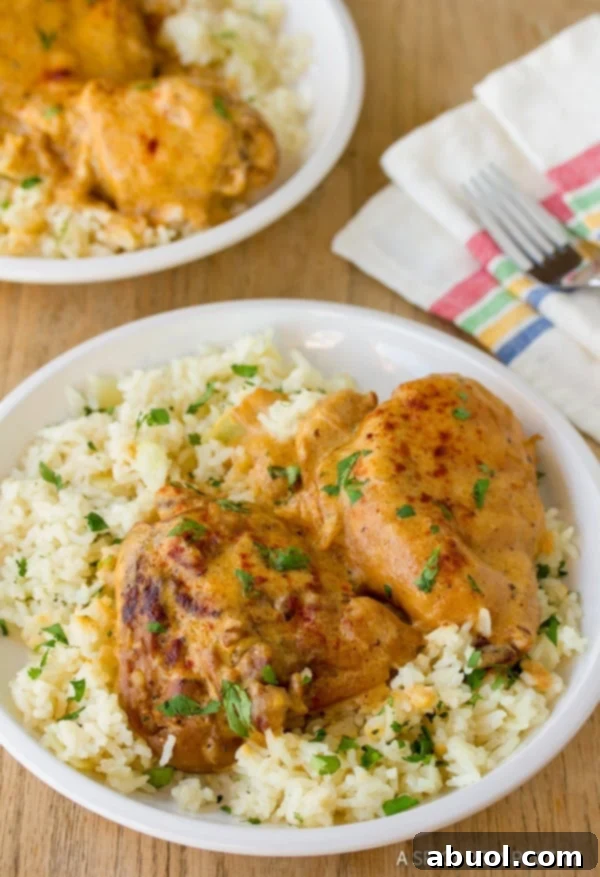
Indulge in the rich, creamy goodness of Hungarian Chicken Paprikash (Paprikás), a culinary masterpiece that embodies warmth, tradition, and profound flavor. More than just a meal, this iconic dish is a cherished family legacy, a hearty celebration that transforms any dinner table into a feast for the senses. Prepare to embark on a delectable journey to the heart of Hungarian comfort food, where tender chicken bathes in a luscious, vibrant paprika-infused sour cream sauce, promising an unforgettable dining experience.
The Heartwarming Legacy of Chicken Paprikash
For generations, certain dishes have woven themselves into the fabric of family life, becoming more than just recipes; they become stories, memories, and enduring connections. Hungarian Chicken Paprikash holds such a sacred place in our family, particularly through the memories of Lt. Dan’s beloved great-grandmother, Grandma Rosie. A woman of incredible spirit, she lived to the remarkable age of 96, leaving behind a tapestry of vivid recollections.
I often reflect on afternoons spent in her cozy living room, sharing pirouette cookies and tall glasses of Sprite, while she recounted tales of her glamorous ballroom dancing days and her distinguished career as an executive secretary at Studebaker. Her keen mind and vibrant personality shone even brighter when we’d watch Notre Dame football games together, her small notebook filled with meticulously kept stats. Her presence, a comforting anchor in our lives, is deeply missed, and her spirit lives on in every spoonful of this cherished family recipe.
A Culinary Inheritance: Hungarian Paprikash Through Generations
The culinary traditions of our Hungarian heritage are passionately kept alive by the family, ensuring that the essence of our ancestors continues to enrich our lives. A few years ago, we were blessed with a visit from Lt. Dan’s grandparents, Mo and Papa. Their arrival brought with it a cascade of vibrant stories, brimming with laughter, wisdom, and memories from a lifetime of family and adventurous travels. For many years, Mo filled the role of a surrogate grandmother to me, especially after I lost my own last living grandmother at the age of sixteen. It was truly a joy to marry into a family that possessed not only a certain zest for life but also the incredible genes that seemed to contribute to such remarkable longevity!
Every moment spent with Mo and Papa was a treasure, filled with colorful anecdotes and heartfelt advice, often punctuated by their shared laughter and affectionate head-shaking. After an impressive 59 years of marriage, they seemed to hold the very secrets to a fulfilling life, and we eagerly soaked up their overflowing wisdom. Their strong Hungarian roots were a wellspring of unique cultural traditions and robust, flavor-packed meals that were entirely new to me. Among these, one particular dish stood out as the undeniable family favorite, a dish that has become synonymous with our family gatherings: Authentic Hungarian Chicken Paprikash.
Unveiling the Delights of Hungarian Chicken Paprikash
So, what exactly defines the magic of Paprikash? This time-honored Hungarian recipe is a culinary symphony featuring melt-in-your-mouth tender chicken enveloped in a rich, velvety paprika-infused sour cream sauce, traditionally served over a bed of fluffy rice or delicate egg noodles. At its core, it’s a dish that speaks volumes about Hungarian resourcefulness and hearty traditions.
Historically, Paprikash was conceived as a “working man’s food” – simple, inexpensive, and utterly satisfying. In times past, when families often sourced their meals directly from nature rather than the local market, rabbit meat was a common protein for this dish. Mo herself described Hungarian cooking as pragmatic and unpretentious. While Hungarian dishes might not always be glamorous in appearance, they are unequivocally comforting and explode with robust, earthy flavors. The secret to its humble yet luxurious appeal lies undeniably in its unparalleled sauce. The combination of tangy sour cream and aromatic paprika creates a sauce that is not only rich and silky but also deeply flavorful, elevating this simple chicken and rice dish to an extraordinary culinary experience.
Mo, a beloved matriarch, sadly passed away this year. This photograph captures her in her element, cooking with passion and love, a memory we hold dear.
During that memorable visit, Mo graciously shared her culinary wisdom, teaching me the intricacies of preparing Hungarian Paprikash. It’s always an adventure to transcribe a recipe from a seasoned grandmother, as their cooking method often defies precise measurements. “Add enough flour until it looks right,” she’d instruct, or “Stir it until it’s done.” These intuitive instructions, while charming, required me to meticulously recreate the dish several times on my own, carefully documenting precise measurements and cooking times, to ensure this treasured family recipe could be accurately shared for generations to come. This process was a labor of love, translating Mo’s innate culinary artistry into a reproducible guide for everyone to enjoy.
Crafting Your Perfect Paprikash: Recipe Adjustments for Modern Tastes
While honoring the authenticity of Mo’s cherished original recipe, I’ve introduced a couple of minor adjustments to better suit my family’s preferences and modern kitchen practices. Firstly, Mo, with her generous spirit, always cooked as if she were feeding an entire village – and she very likely did! To make this incredible dish more manageable for contemporary households, I’ve scaled down the recipe to comfortably serve four people, making it perfect for an intimate family dinner.
Secondly, regarding the star spice, paprika, Mo traditionally opted for Hungarian sweet paprika, which offers a vibrant color and mild, fruity notes. However, my family has a distinct preference for all things spicy. Consequently, I’ve incorporated hot smoked paprika into our version. Mo, ever open to new flavors, even agreed that the hot paprika, when mellowed by the creamy sour cream, wasn’t overpowering at all, but instead offered a delightful extra kick! Ultimately, the beauty of Paprikash lies in its versatility; feel empowered to choose your favorite paprika variety – be it sweet, hot, or smoked – to personalize this classic dish to your taste. The heart of the recipe remains, ready for your unique touch.
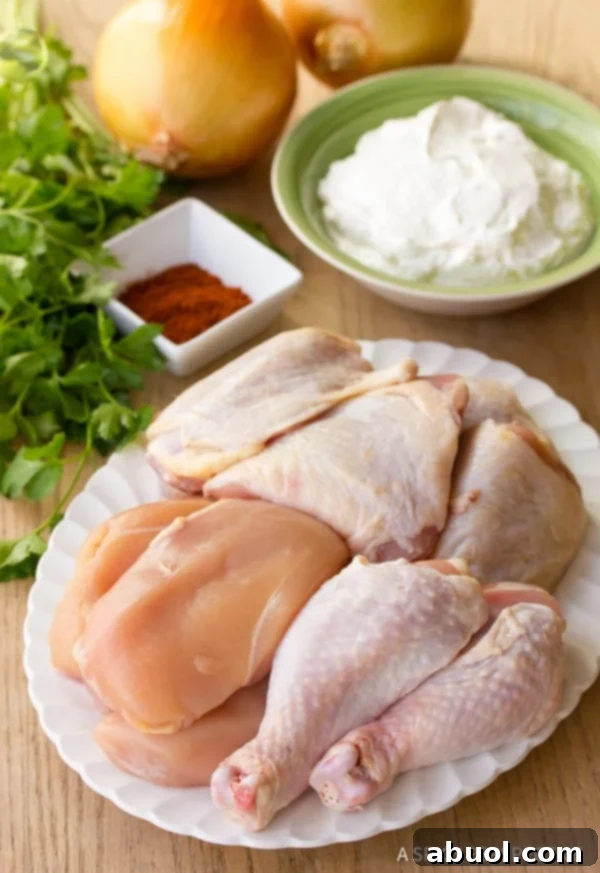
One more crucial detail passed down from Mo concerns the choice of chicken pieces for Hungarian Chicken Paprikash. She expertly utilized a combination of boneless, skinless chicken breasts and bone-in drumsticks or thighs. This thoughtful selection is key to the dish’s exceptional texture and depth of flavor. The chicken breasts, when slow-simmered in the rich sauce, become incredibly tender, so much so that you can effortlessly cut them with just a fork. Simultaneously, the bones and skin from the drumsticks and thighs render during cooking, releasing their robust flavors and contributing significantly to the luxurious depth and body of the paprika-infused sauce. This dual approach ensures both succulent, tender meat and a profoundly flavorful sauce that truly defines authentic Paprikash.
Every time I prepare this beloved Hungarian Paprikash, I’m transported back to the cherished memories shared with Grandma Rosie and Mo. Their laughter, their stories, and the marvelous meals we enjoyed together infuse every step of the cooking process with warmth and nostalgia. This isn’t just a recipe; it’s a living tradition that we savor throughout the cozy fall months and especially during the festive holiday season. It truly brings a smile to my face, a deep sense of contentment, knowing that my children will continue to carry on this beautiful tradition of Chicken Paprikash, a dish lovingly made and passed down through the generations, brimming with family history and flavor.
Frequently Asked Questions About Hungarian Chicken Paprikash
Both Goulash (Gulyás) and Paprikash (Paprikás) are cornerstones of Hungarian comfort food, yet they are distinct dishes. Hungarian Goulash is traditionally a rustic, hearty stew, primarily made with beef or sometimes wild game, simmered with various vegetables such as potatoes, carrots, and onions, resulting in a rich, soupy consistency. Paprikash, on the other hand, is a vibrant and creamy poultry dish, typically featuring chicken (though rabbit was historically used), characterized by its luscious sour cream and paprika-rich sauce, often served over rice or noodles. While both celebrate paprika, their ingredients, texture, and overall presentation are quite different.
This classic chicken and rice (or noodle) dish offers a truly distinctive flavor profile. The dominant notes come from the bold and earthy paprika, which can range from subtly sweet to delightfully smoky or even fiery, depending on the variety used. This spice is perfectly balanced by the tangy richness of the sour cream sauce, which lends a silky, luxurious texture. The overall taste is deeply comforting, savory, and wonderfully aromatic, with tender chicken absorbing the complex flavors of the sauce. It’s a harmonious blend of creamy, tangy, and perfectly spiced, leaving a warm and satisfying impression.
Yes, there can be a significant difference! “Regular” paprika is a broad term for dried, ground peppers grown in various regions worldwide, including Hungary, Spain, California, and parts of Central or South America. Hungarian paprika, however, holds a special status as the national spice of Hungary and is subject to strict regulations. It is carefully prepared and categorized into eight specific variations, each with its own flavor profile, from mild to hot. The most common and beloved forms of Hungarian paprika are renowned for their bright red color and delicate, sweet, fruity notes. True Hungarian paprika often boasts a more robust, complex, and nuanced flavor compared to generic paprika found in many grocery stores, which might be milder or less distinct.
While authentic Hungarian paprika provides the truest flavor, you can certainly substitute it with other varieties based on your preference. If you prefer a milder taste, opt for a sweet paprika. For those who enjoy a smoky depth, Spanish smoked paprika (pimentón) can be a fantastic alternative, just be mindful of its intensity. If you’re looking for a kick, hot paprika or a blend of sweet paprika with a pinch of cayenne pepper will work. The key is to use a high-quality paprika that complements your palate and the overall dish.
Absolutely! While a combination of boneless breasts and bone-in thighs/drumsticks is traditional for maximum flavor and tender meat, feel free to adapt. You can use a whole fryer pack of bone-in chicken pieces for a rustic touch, or opt for entirely boneless chicken pieces (breasts, thighs, or a mix) if you prefer a quicker cooking time or easier eating. Just ensure bone-in pieces are cooked until they are truly falling off the bone for that authentic texture.
Certainly! While rice is a popular accompaniment, Hungarian Chicken Paprikash is incredibly versatile. For a truly authentic Hungarian experience, consider serving it with nokedli (small, soft egg dumplings), which soak up the creamy sauce beautifully. Wide egg noodles are another excellent choice, providing a comforting and familiar base. Mashed potatoes also make a fantastic pairing, offering a creamy counterpoint to the rich sauce. Choose your favorite starchy side to complete this hearty meal.
Leftover Hungarian Chicken Paprikash is often just as delicious, if not more so, the next day as the flavors have more time to meld. Store any remaining portions in an airtight container and refrigerate promptly. It will maintain its quality and taste for up to 5 days, making it an excellent meal prep option for busy weeknights.
Technically, you can freeze Paprikash for up to 3 months. However, due to the high fat content in sour cream and the starchy nature of rice, the sauce may sometimes separate or become grainy, and the rice can become mushy upon thawing and reheating. For the absolute best flavor and texture experience, we generally recommend enjoying Paprikash fresh or refrigerated. If you do choose to freeze, stir it vigorously after thawing and reheating to try and reintegrate the sauce.
Discover More Authentic Hungarian Recipes
If you’ve fallen in love with the comforting flavors of Hungarian cuisine through this Paprikash recipe, there’s a world of other delicious dishes waiting to be explored. Hungarian cooking is renowned for its hearty, flavorful, and soul-satisfying meals that bring warmth and tradition to any table. Dive deeper into this rich culinary heritage with some of our other favorite Hungarian recipes:
- Classic Hungarian Goulash (Gulyás): A rustic and deeply flavorful beef stew that perfectly showcases Hungary’s national spice, paprika.
- Creamy Hungarian Mushroom Soup: A rich and earthy soup, often made with sour cream and dill, offering a different take on Hungarian comfort.
- Haluski: Hungarian Cabbage and Noodles: A simple yet incredibly satisfying dish of sautéed cabbage and egg noodles, often flavored with bacon or butter.
Each of these recipes offers a unique glimpse into the heart of Hungarian cooking, promising delightful flavors and cherished moments around the dinner table. Expand your culinary repertoire and enjoy the authentic tastes of Hungary!

Print Recipe
Leave a Review »
Hungarian Chicken Paprikash Recipe
30 minutes
1 hour
1 hour 30 minutes
4
Ingredients
- 3 pounds chicken, a combination of boneless breasts and bone-in drumsticks/thighs for best flavor
- 2 large chopped onions, divided
- 4 tablespoons vegetable oil, divided
- 1 tablespoon Hungarian Hot Smoked Paprika (or sweet paprika for a milder flavor)
- 16 ounces full-fat sour cream
- 1/4 cup all-purpose flour
- 2 cups long-grain white rice
- 4 cups chicken broth (low sodium preferred)
- 1/4 cup fresh chopped parsley (for garnish and flavor)
- Salt and freshly ground black pepper (to taste)
Instructions
-
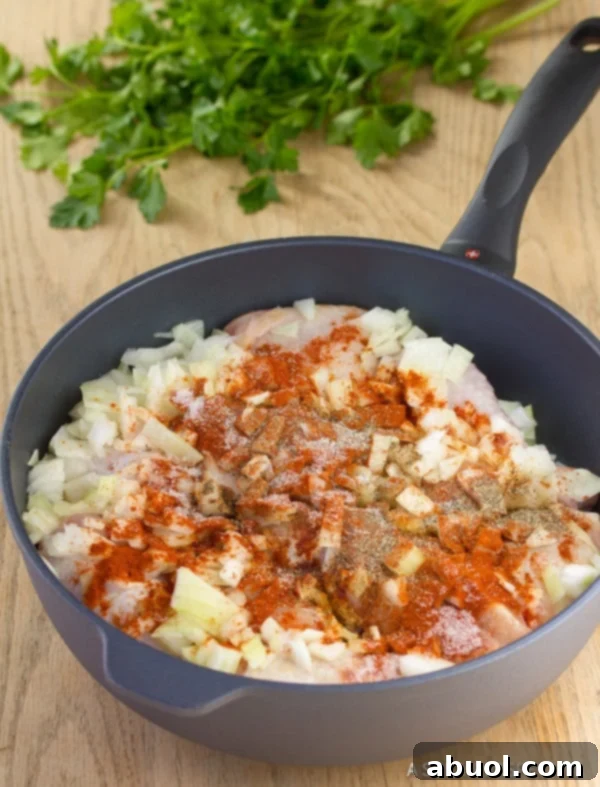
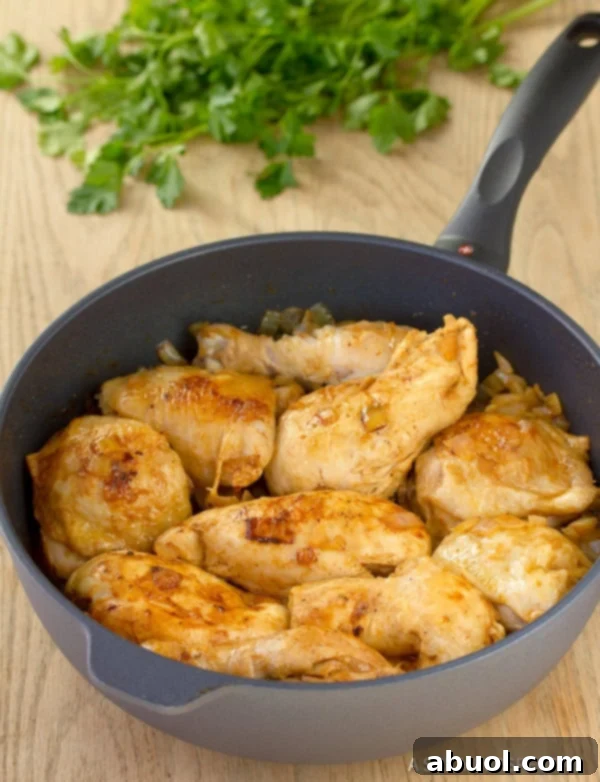
1. In a large Dutch oven or heavy-bottomed pot, heat 3 tablespoons of the vegetable oil over medium heat. Add the chicken pieces, 1 chopped onion, the paprika, 1 teaspoon of salt, and 1/2 teaspoon of freshly ground black pepper. Brown the chicken thoroughly on all sides, stirring the onions as you turn the chicken, for approximately 10 minutes, until the chicken has a lovely golden crust and the onions are softened.
-
2. Then, add enough water to the pot to almost cover the chicken pieces. Bring to a gentle simmer, then cover the pot, reduce the heat to low, and allow the chicken to slowly simmer for about 45 minutes, or until the chicken is exceptionally tender and practically falling off the bone.
-
3. Meanwhile, prepare the rice. Heat the remaining 1 tablespoon of oil in a medium-sized pot over medium-high heat. Add the second chopped onion to the pot and sauté for 2 minutes until translucent. Next, add the 2 cups of long-grain rice and stir it into the onions, allowing it to toast for another 1-2 minutes. Pour in the 4 cups of chicken broth, bring to a boil, and stir once. Reduce the heat to a low simmer, cover the pot tightly, and cook according to package directions, typically around 20 minutes, until all the liquid has been absorbed. Once cooked, stir in the fresh chopped parsley. Remove from heat, cover, and set aside to keep warm.
-
4. Once the chicken is tender and cooked through, carefully remove it from the Dutch oven and transfer it to a plate. Cover it loosely with aluminum foil to keep it warm while you prepare the sauce. In a medium-sized glass bowl, whisk the full-fat sour cream until smooth. Gradually whisk the 1/4 cup of all-purpose flour into the sour cream until completely combined and lump-free.
-
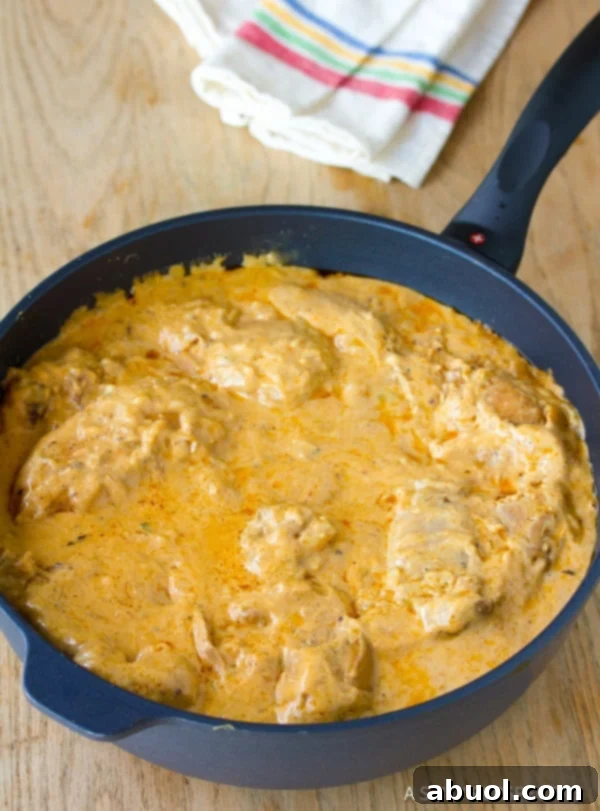
5. Check the liquid remaining in the Dutch oven. You should have approximately 3 cups of flavorful pan juices. If there appears to be much more than that, carefully ladle some out until you reach about 3 cups. Now, take 1 ½ cups of these reserved pan juices and slowly, while continuously whisking, incorporate them into the sour cream and flour mixture. This crucial step, known as tempering, ensures that the sour cream will not curdle when returned to the hot pot, resulting in a beautifully smooth and creamy sauce.
-
6. Pour the tempered sour cream mixture back into the Dutch oven with the remaining pan juices. Place the pot over medium heat and whisk continuously until the sauce begins to bubble gently and thickens to a rich, gravy-like consistency. Taste the sauce and adjust seasonings with additional salt and pepper as needed.
-
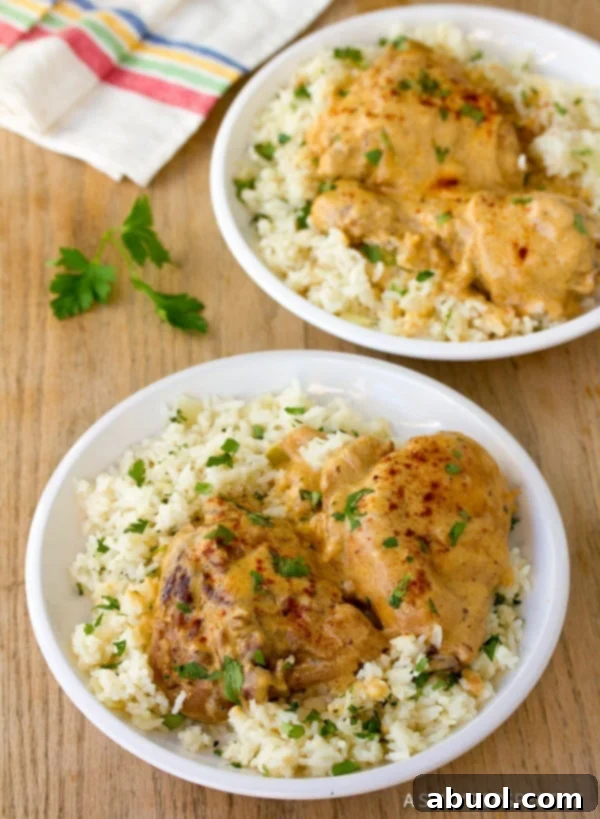
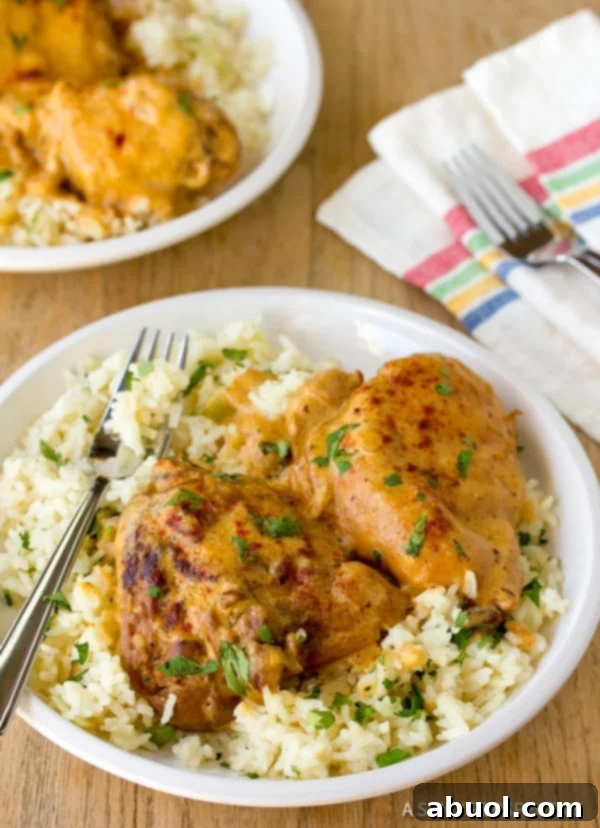
7. Return the browned chicken pieces to the pot, nestling them into the thickened paprika sauce to coat them thoroughly. Allow them to warm through for a few minutes. Serve the Hungarian Chicken Paprikash immediately, generously spooning the chicken and extra creamy paprika sauce over the prepared long-grain rice. Garnish with additional fresh parsley if desired, and savor this incredibly comforting and traditional Hungarian meal.
Nutrition Information (Approximate)
Calories: 1099kcal,
Carbohydrates: 90g,
Protein: 42g,
Fat: 62g,
Saturated Fat: 21g,
Cholesterol: 181mg,
Sodium: 1075mg,
Potassium: 903mg,
Fiber: 3g,
Sugar: 5g,
Vitamin A: 2115IU,
Vitamin C: 29.1mg,
Calcium: 205mg,
Iron: 4mg
Main Course
Hungarian
Sommer Collier
Cook It? Love It? Rate It!
YOU can help this recipe RANK on Google – TAP 5 STARS so other hungry people can find it. Thank you!