
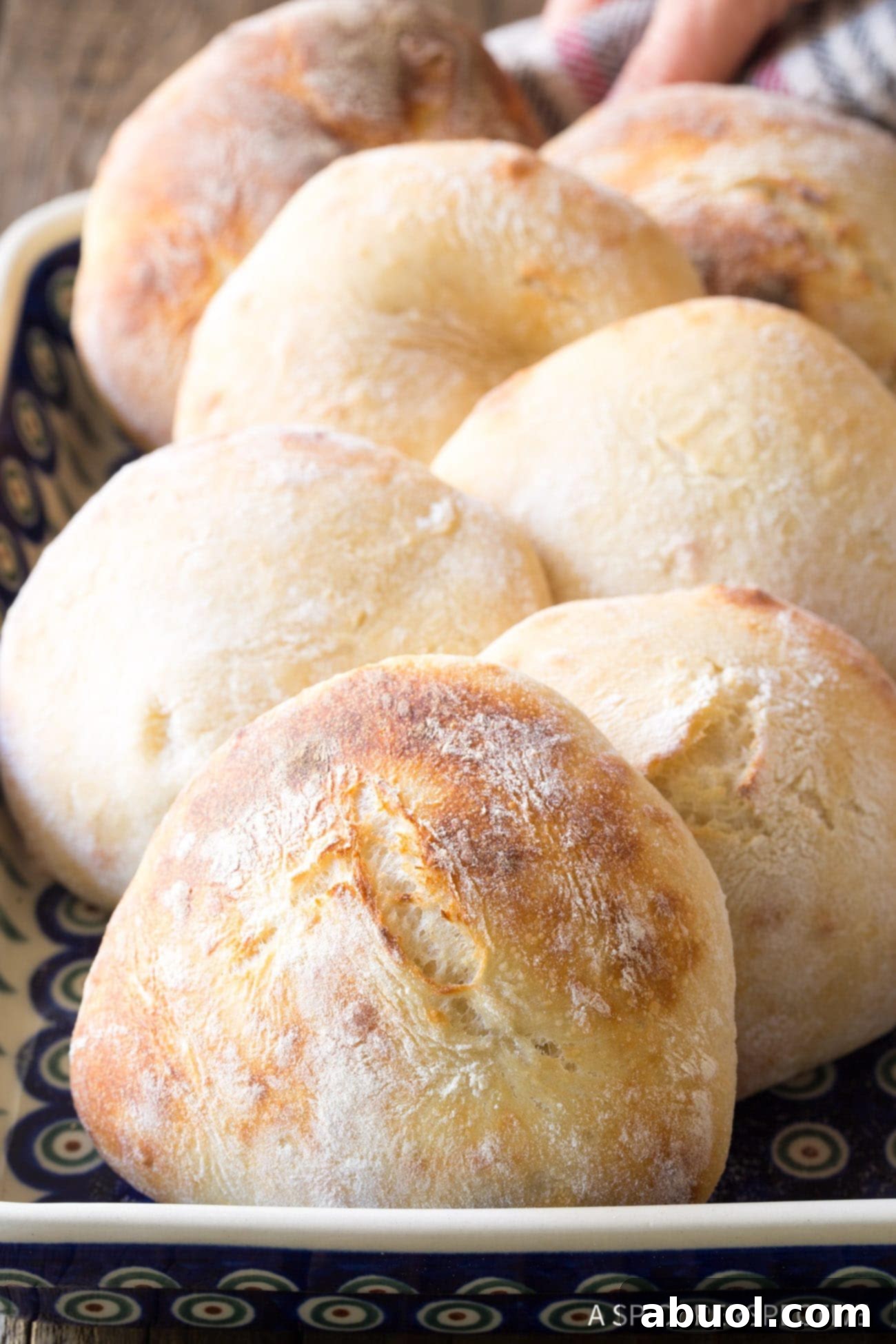
Step into the heart of Balkan culinary tradition with Croatian Lepinja Bread, a truly remarkable homemade sandwich bread that promises to elevate your meals. Originating from the picturesque “Land of a Thousand Islands,” this rustic, bubbly flatbread offers an experience far beyond the ordinary. Its distinct texture and comforting aroma make it an ideal foundation for any sandwich, transforming a simple meal into an unforgettable feast. Prepare to embark on a delightful baking journey that brings the authentic flavors of Croatia right into your kitchen.
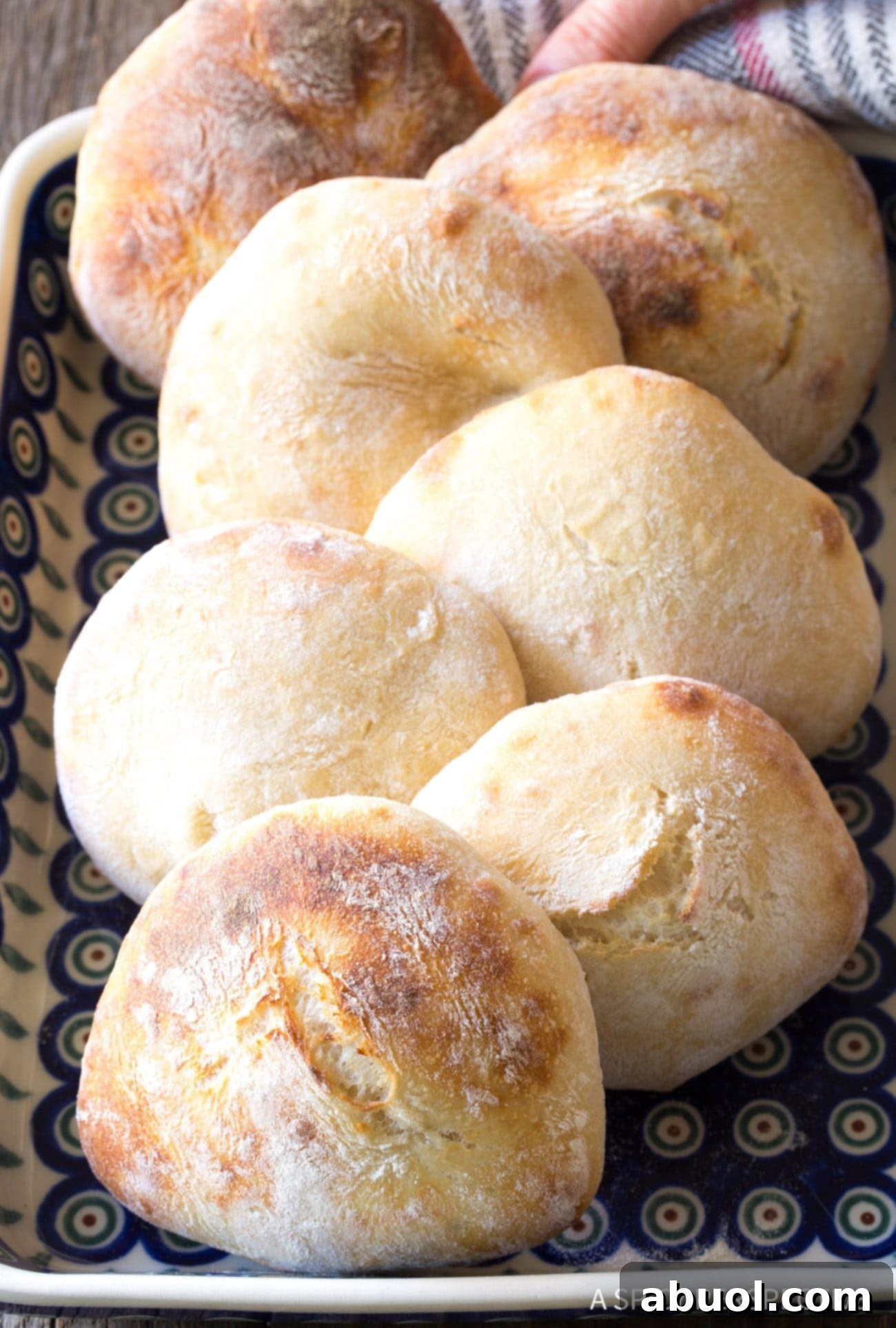
Lepinja Bread: A Cherished Culinary Memory from Croatia
Few culinary experiences are as profound as biting into a truly exceptional loaf of bread. It’s a moment where your senses are fully engaged, your shoulders relax in sheer delight, and your eyes might even roll back in pure satisfaction. This isn’t just about sustenance; it’s a carby, almost religious experience that only a select few breads can inspire. Last year, my journey through Croatia with a friend unveiled many captivating sights and flavors, but it was undoubtedly the exquisite Croatian Lepinja Bread that left an indelible mark on my memory.
This isn’t merely bread; it’s a regional Balkan flatbread, affectionately known as Lepinje in some areas, whose popularity gracefully transcends governmental borders across Southeastern Europe. This widespread love for Lepinja stands as a testament to the universal appeal of good food, proving that delicious flavors know no boundaries. You’ll find variations of this cherished bread delighting palates in Bosnia, Slovenia, and Serbia, typically served as an essential accompaniment to savory dishes like the famous Bosnian Cevapi. It’s more than just a side; it’s an integral part of the culinary fabric, deeply woven into the daily lives and festive traditions of the region.
The Unmistakable Charm of Authentic Croatian Lepinja Bread
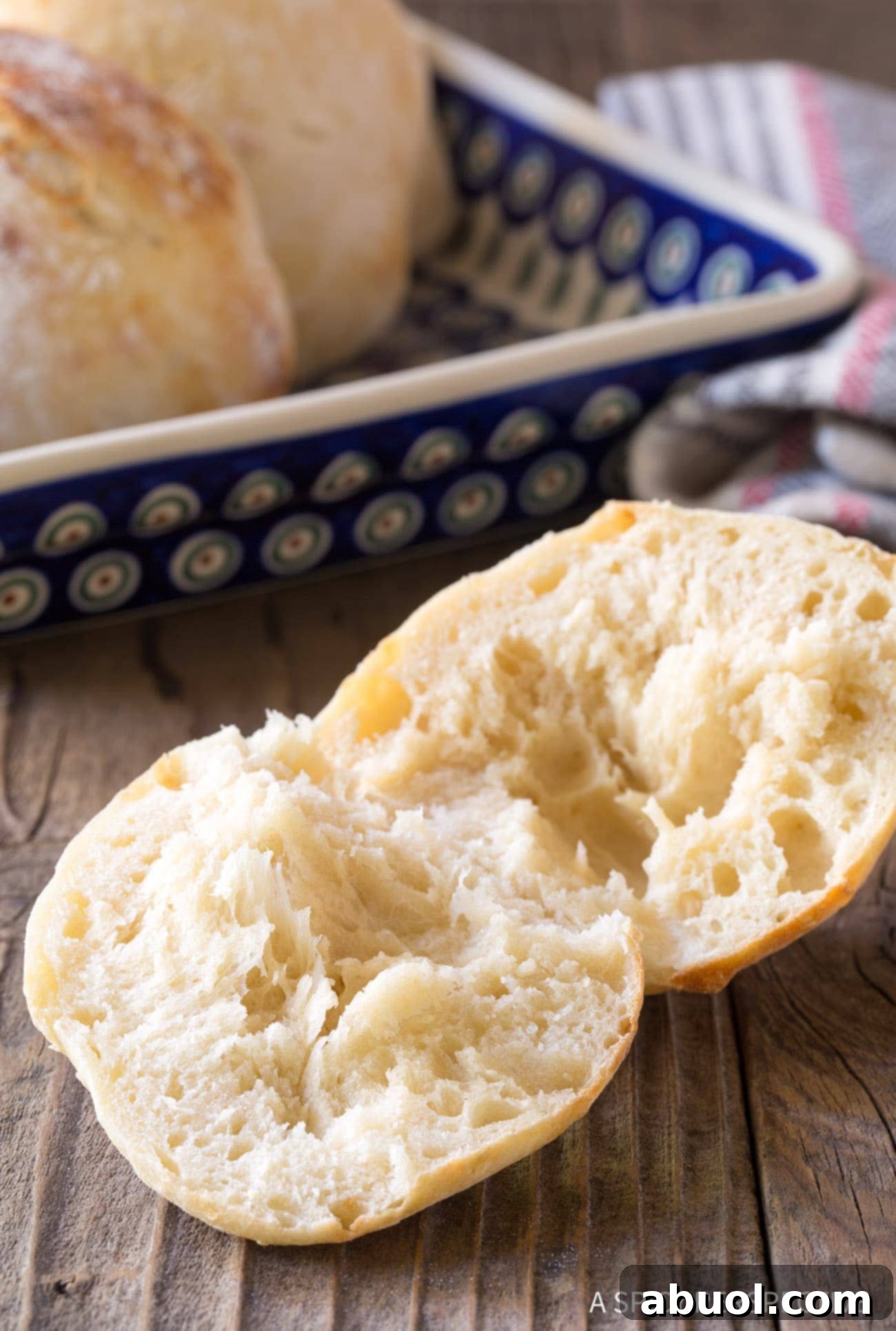
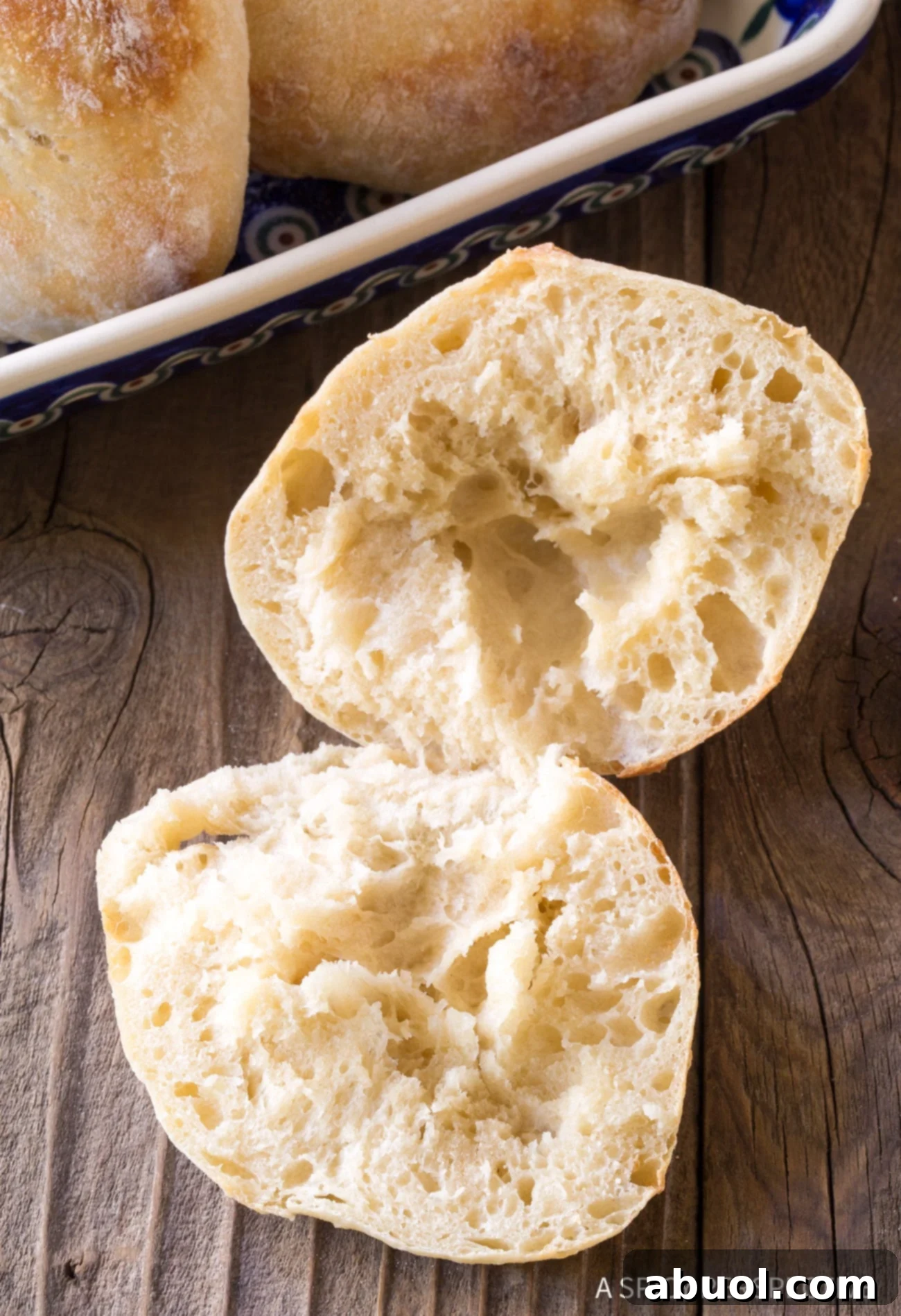
What sets Croatian Lepinja Bread apart, making it truly special? For me, it’s the unparalleled mouth-feel – a delicate yet satisfying combination of a soft, bubbly texture with a distinctly chewy pull. Imagine the very best qualities of a rustic Italian ciabatta, combined with the delightful characteristics of various Middle Eastern flatbreads, then amplified to create something truly extraordinary. It’s dense enough to hold up to hearty fillings yet light enough to be incredibly tender. This unique interplay of softness and chewiness, coupled with its subtle, slightly sweet flavor, has firmly established Lepinja as the gold standard against which I now measure all other breads. It’s not just bread; it’s an experience that tantalizes the taste buds and satisfies the soul.
Intriguingly, the magic of Croatian Lepinja Bread doesn’t stem from exotic or complicated ingredients. In fact, its component list is quite humble and familiar to any baker: high-quality bread flour, active yeast, a touch of salt, and a hint of sugar. These are staples in any bread recipe, leading many to wonder what makes Lepinja so profoundly different. The true secret, the element that transforms these simple ingredients into such a magnificent creation, lies not in what goes into the bowl, but in the meticulous proofing and baking method. It’s an age-old technique, refined over generations, that unlocks the bread’s potential, creating its characteristic airy interior and perfect crust. Mastering these specific techniques is key to replicating the authentic taste and texture of this beloved Croatian staple.
Mastering the Art of Making Authentic Lepinja Bread at Home
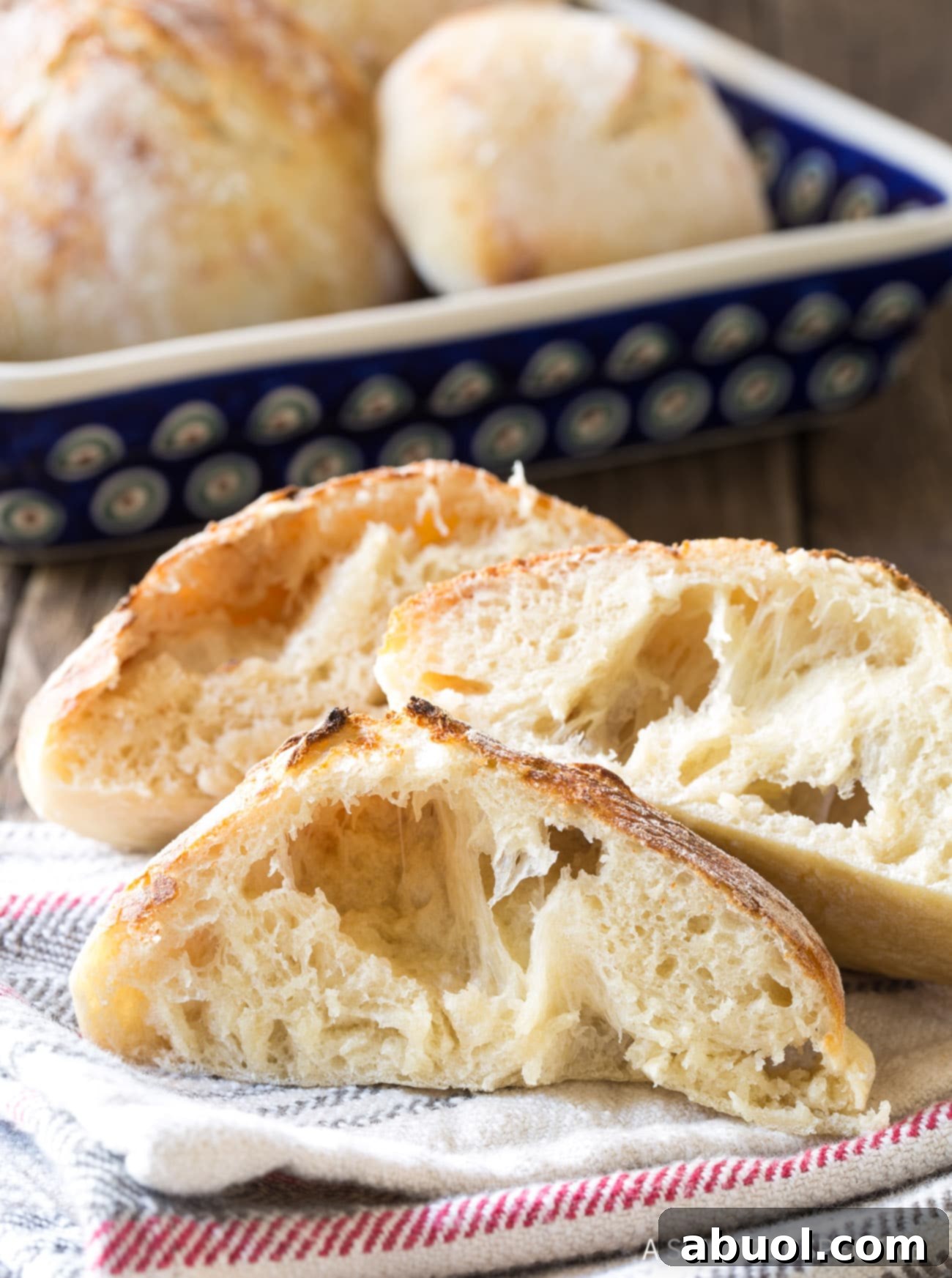
Creating authentic Croatian Lepinja Bread is a labor of love that rewards patience and attention to detail. The cornerstone of its signature bubbly texture, the very quality that makes it so ideal for stuffing with your favorite sandwich fillings, is a unique and essential process: the dough must be allowed to “proof” or rise not just once, but a remarkable three times. This multi-stage fermentation process is what develops the dough’s complex flavor and creates those characteristic gaping air pockets within the finished loaf.
While this extensive proofing might sound like an all-day affair, taking up a significant chunk of your time, there’s a clever trick to significantly reduce the waiting period without compromising on quality. By setting your oven to its lowest possible temperature, or utilizing a dedicated “proof” setting if available, you can create an optimally warm and humid environment for your dough. Proofing the dough in this controlled oven environment can easily cut the overall rising time by half, making this traditional bread much more accessible for home bakers with busy schedules. Patience is still a virtue, but smart techniques make it more achievable.
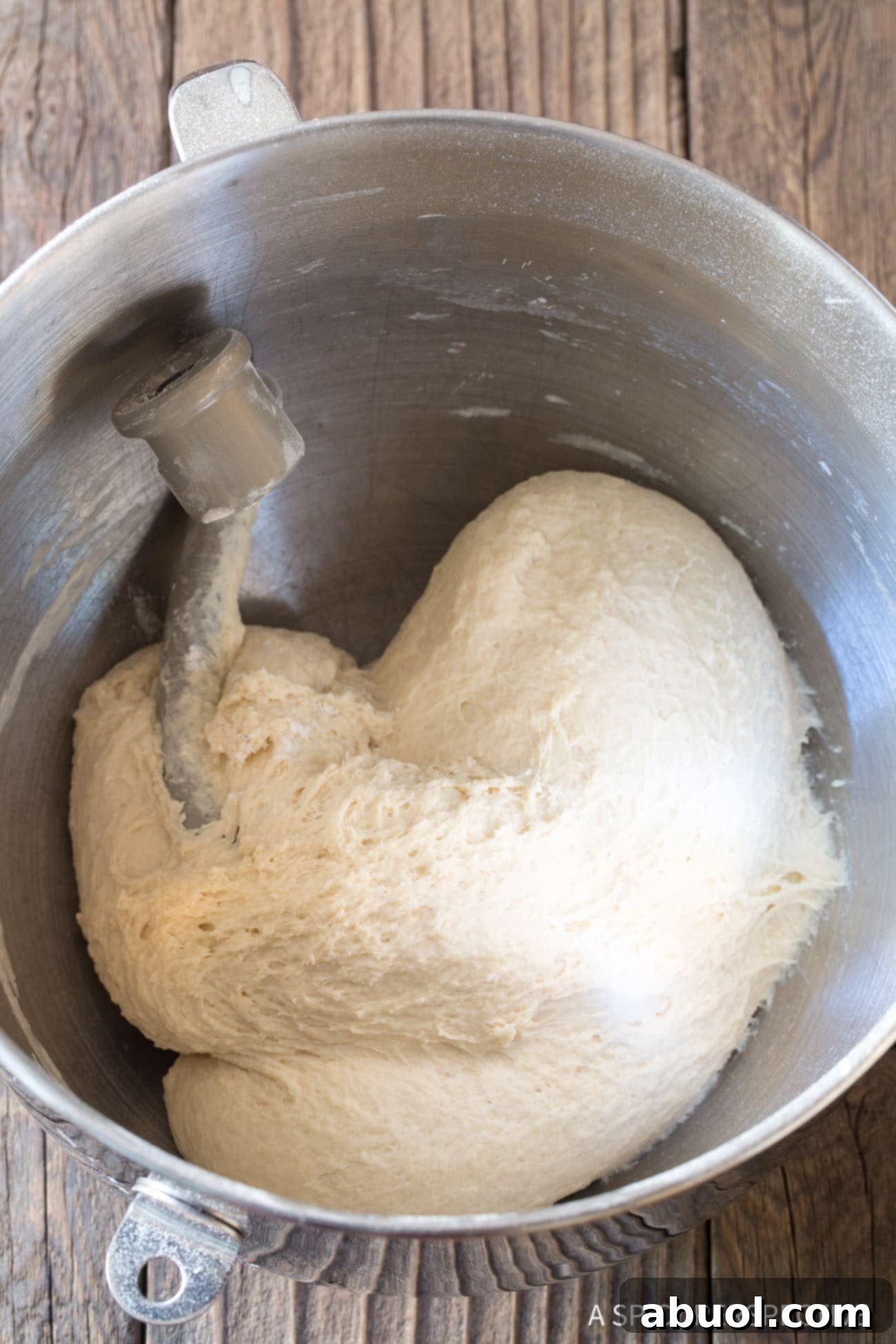
One notable characteristic of Croatian Lepinja Bread dough is its inherent stickiness. This can be a challenge for manual kneading, but it’s precisely why a stand mixer becomes your best friend in this recipe. Leveraging the power of an electric stand mixer with a dough hook attachment allows you to perform most of the kneading with minimal direct handling. This not only saves your hands from a messy encounter but also ensures consistent and thorough kneading, which is crucial for gluten development. You can even place the entire mixing bowl, covered with plastic wrap, directly into your proofing oven for the first rise, keeping contact with the sticky dough to an absolute minimum.
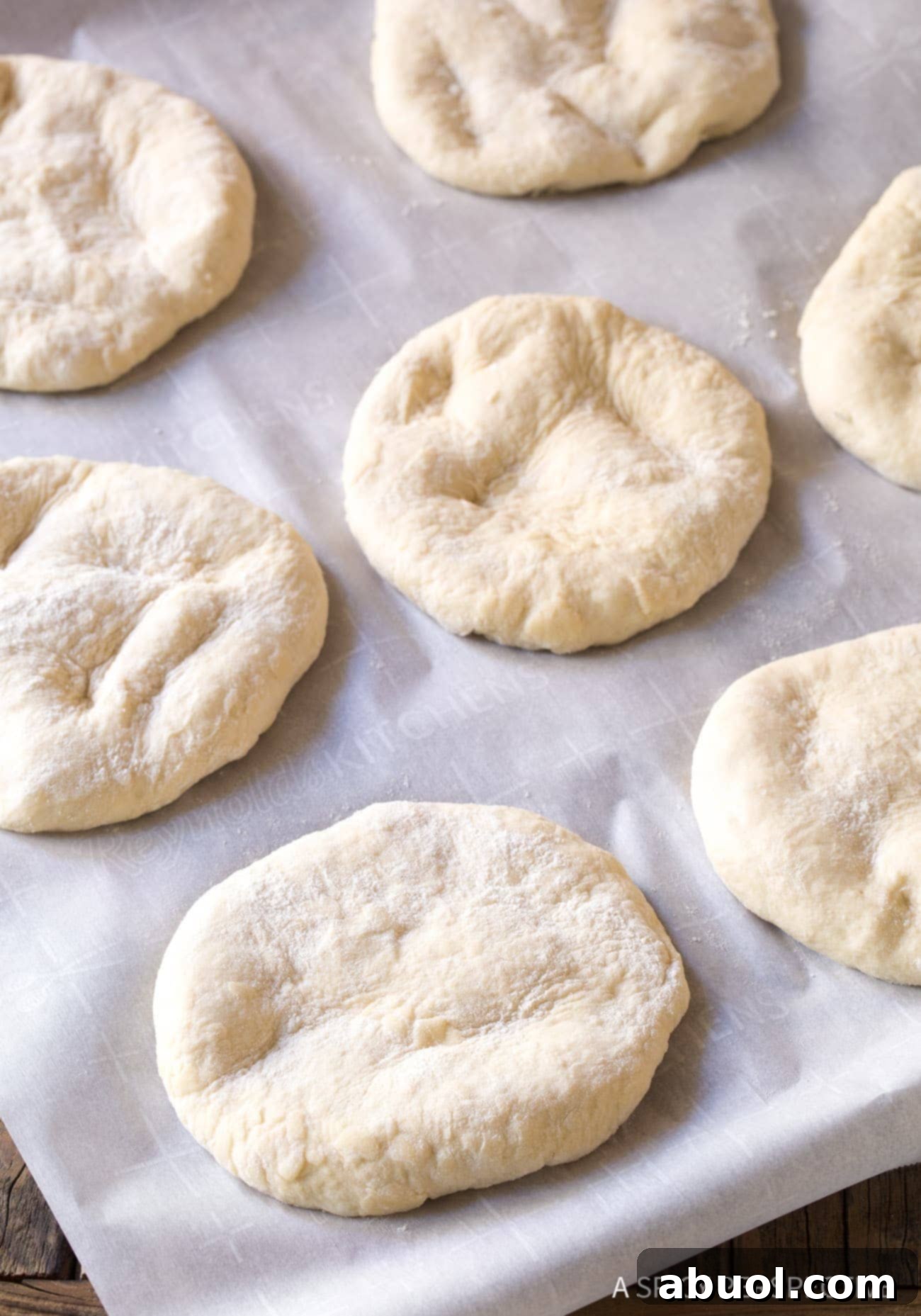
After the first and second kneading-and-rising cycles, each contributing to the dough’s structure and aeration, it’s time for shaping. Gently transfer the dough onto a generously floured work surface. The ample flour is essential to manage the dough’s stickiness at this stage. Divide the dough into twelve equal pieces, ensuring uniform rolls for consistent baking. Take each piece and gently knead it, rolling the edges under to form neat, round mounds. Then, using the palm of your hand, gently press these mounds flat into discs. Don’t worry if your fingerprints leave slight indentations; these contribute to the rustic charm of traditional Lepinja. These shaped discs then undergo their final, crucial proofing stage, allowing them to plump up and develop their final airy structure before baking. This meticulous process guarantees the pillowy texture and authentic character that define this incredible bread.
Unlock the Secret: Get the Full (Printable) Lepinja Recipe Below!
Baking Lepinja to Golden Perfection: Key Techniques for a Flawless Loaf
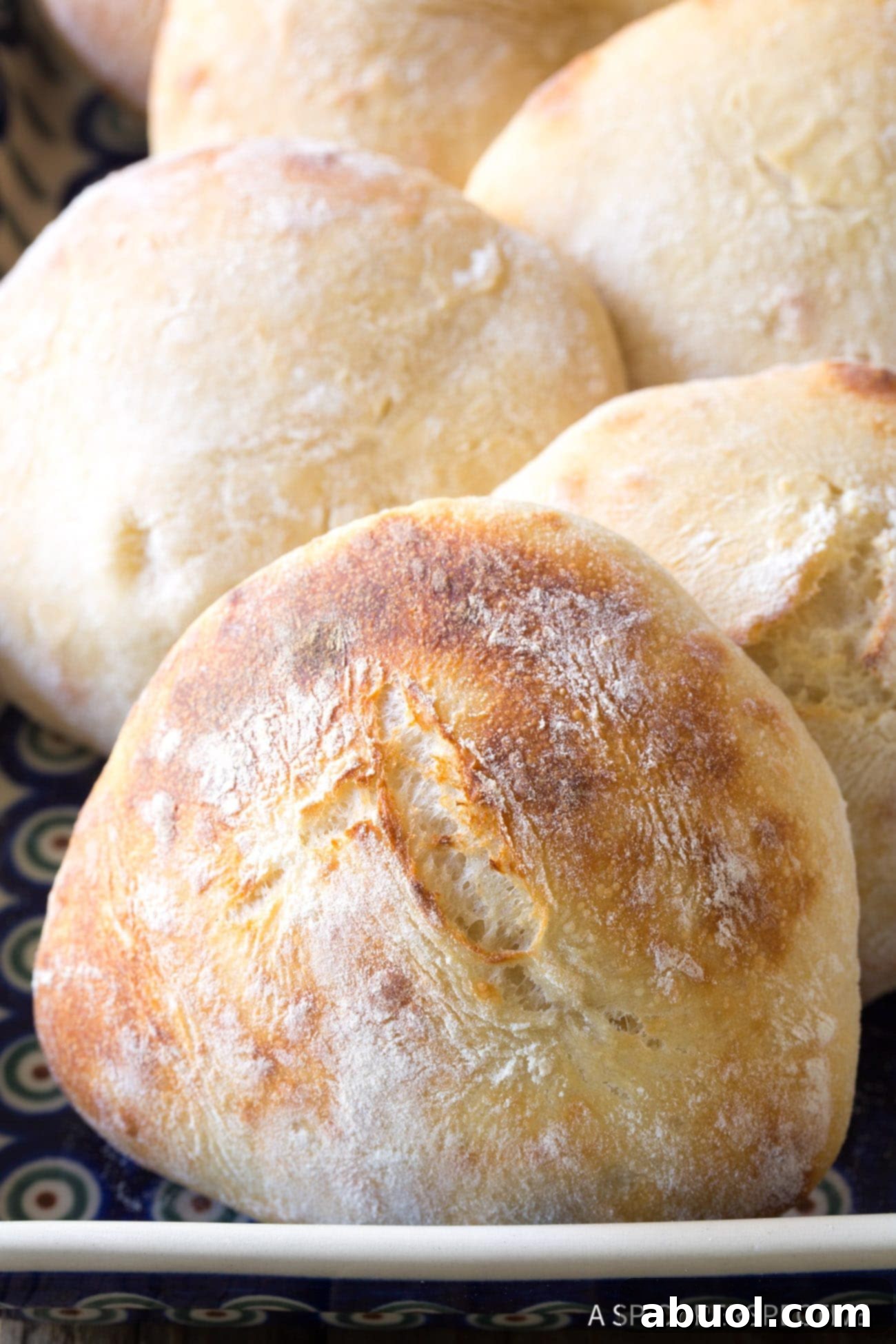
Beyond the critical three-step proofing process, the true secret to achieving truly amazing Croatian Lepinja Bread lies in its unique baking environment. This distinct approach ensures a bread that is both incredibly moist on the inside and irresistibly crisp on the outside. To replicate this authentic result, you must bake the bread at a very high temperature, combined with the strategic placement of a pan of water in the oven to generate steam. This combination is a game-changer for homemade bread.
The intensely high heat provides a powerful initial burst, causing the dough to rapidly expand and set, creating those signature airy bubbles. Simultaneously, the steam plays a crucial role. It keeps the bread’s exterior moist for longer during the initial baking phase, allowing the crust to stretch and expand without drying out too quickly. This extended elasticity contributes to the bread’s soft, pillowy interior. As the steam dissipates towards the end of the baking cycle, it helps to create a beautifully crisp, golden-brown crust that crackles slightly with every bite, contrasting perfectly with the tender crumb within. This technique is not just for Lepinja; it’s a fundamental principle for many artisan breads.
If you’ve ever considered trying your hand at bread-making but felt intimidated, our Croatian Lepinja Bread recipe is the perfect place to begin your journey. Its straightforward ingredients, coupled with detailed instructions for the crucial proofing and baking stages, make it an accessible and rewarding project for aspiring bakers. You absolutely can do this! The key to success lies in diligently following the listed kneading and proofing times in the recipe below. Resist the urge to rush these essential steps, as they are fundamental to developing the bread’s unique texture and flavor. By committing to the process, you will be rewarded with the most tantalizingly pillowy, flavorful bread you have ever tasted, a true testament to the simple joy of baking from scratch.
Delightful Ways to Enjoy Your Freshly Baked Lepinja Bread
The beauty of Lepinja bread lies in its incredible versatility and delectable flavor, making it a perfect companion for a myriad of dishes. Its light, fluffy, and slightly sweet nature means it’s absolutely delightful when enjoyed simply as-is, perhaps with just a generous smear of soft, room-temperature butter to highlight its inherent richness. However, to truly embrace its traditional role, Lepinja is most frequently served as the ultimate homemade sandwich bread. Its resilient yet tender structure is perfect for holding a variety of savory fillings, soaking up their delicious juices without becoming soggy.
Imagine it piled high with succulent grilled sausages, flavorful kafta kebabs, or tender grilled meats, making for a hearty and satisfying meal. It also pairs wonderfully with rustic skillet meat and vegetable dishes, where its bubbly interior can capture every drop of rich sauce. For a quick and easy option, it’s an excellent choice for deli meats, elevating a simple sandwich to gourmet status. Don’t limit its use to lunch or dinner; try Lepinja with your favorite breakfast sandwiches, or shape smaller portions of the dough to create charming, fluffy dinner rolls that will impress any guest. Its adaptability makes it a staple you’ll want to bake again and again.
Discover More Authentic Croatian Recipes
If the enchanting flavors of Lepinja have sparked your interest in Croatian cuisine, you’ll be delighted to explore other traditional dishes that capture the essence of this vibrant culinary heritage. Expand your repertoire with these fantastic recipes:
- Croatian Cheese Strukli Recipe: A delightful pastry, either boiled or baked, typically filled with cottage cheese.
- Croatian Chicken Skillet: A hearty and flavorful dish, perfect for a comforting meal any day of the week.

Print Recipe
Leave a Review »
Croatian Lepinja Bread Recipe
30
16
1
2 36
12 loaves
Ingredients
- 6 cups sifted bread flour
- 1 packet dry active yeast (2 1/4 teaspoons)
- 2 tablespoons granulated sugar
- 1/3 cup whole milk, lukewarm
- 2 1/3 cups water, lukewarm
- 2 1/2 teaspoons salt
Instructions
-
Preheat the oven to the “proof” setting. If your oven does not have this setting, set it to the lowest temperature possible, around 160-175 degrees F. Move the oven rack to the lowest position to make room for a mixing bowl.
-
Warm the milk until it’s just barely above body temperature. Pour the milk and sugar in the bowl of an electric stand mixer and sprinkle the dry active yeast over the top. Allow the yeast to “sponge” or foam for 5-10 minutes. (If the liquid ingredients are too hot they will kill the yeast, instead of activating it.)
-
Once the yeast is foamy, pour in the salt and lukewarm water. Using a bread hook attachment, turn the mixer on low and start adding the flour, one cup at a time. Let the mixer run for 6-8 minutes, kneading the dough. The dough will be very sticky.
-
Cover the mixing bowl with plastic and set it in the warm oven for 1 hour.
-
After an hour, flour your hands and punch down the dough. Fold it over a couple times in the bowl. (You can also “knead” the dough again with the mixer to avoid touching it. ) Cover again and place it back in the oven for another 30 minutes.
-
Line two baking sheets with parchment paper. Flour a work surface with ample flour. Dump the dough onto the surface and cut into 12 equal pieces. Knead each piece and roll the edges under to create round mounds. Press the mounds flat with your hand, and set them on baking sheets. It’s ok if the flattened dough has finger marks in it.
-
Place the baking sheets back in the proofing oven for 20 minutes. Then take them out and adjust the oven racks, one at the bottom and one in the center. Place a large baking dish of water on the lower rack to create steam. Then reset the oven temperature to 550 degrees F.
-
Once the oven is fully preheated, bake one sheet of rolls at a time for 6 minutes, then turn the oven on broil so the heat source is above. Broil for 1-2 minutes to create color on the rolls. Reset the oven to 550 degrees F, and repeat the process with the second sheet. Cool and enjoy!
Nutrition
Breakfast
Croatian
Sommer Collier