
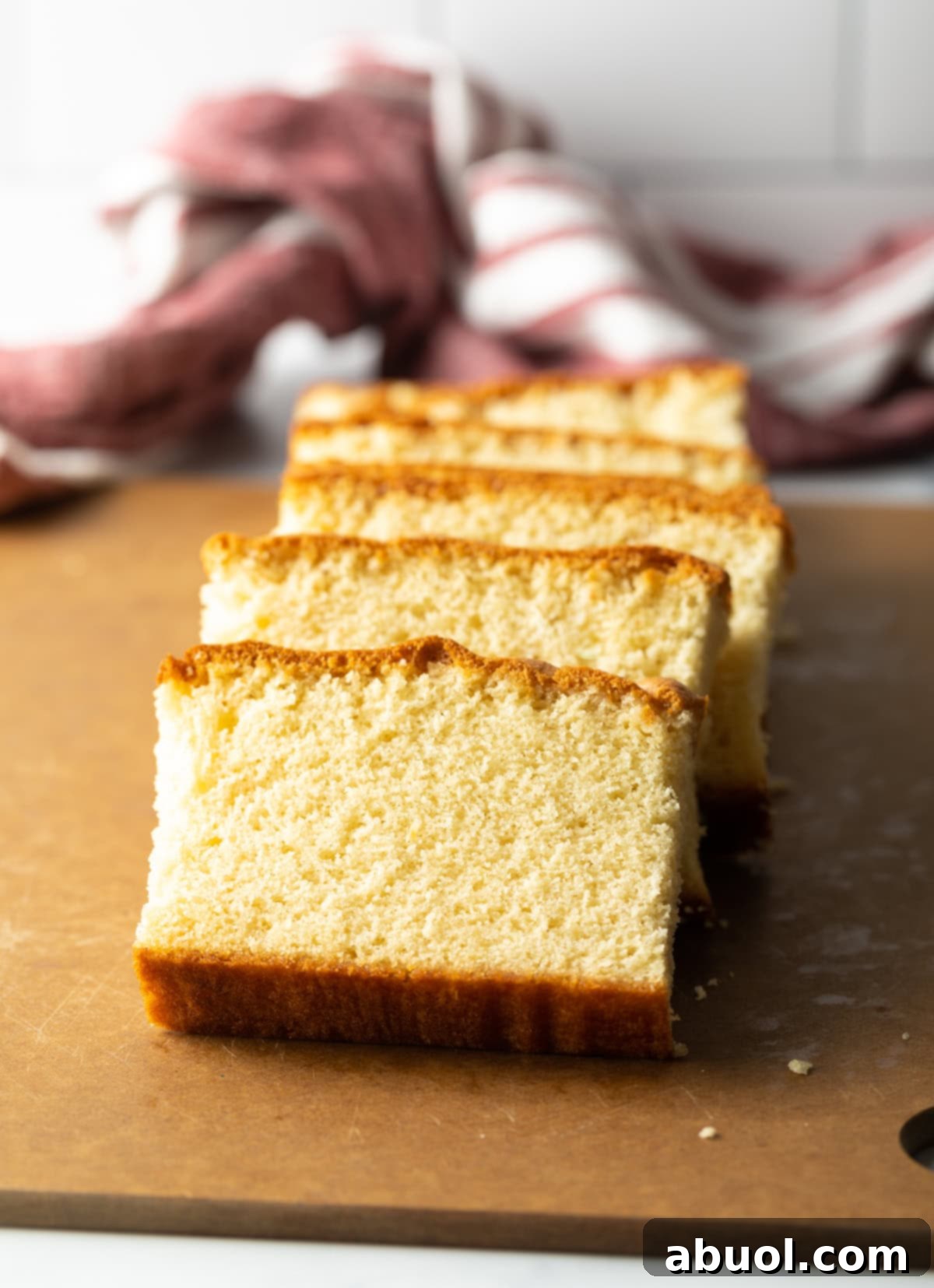
Discover the delightful world of Japanese Sponge Cake – a Castella Cake recipe celebrated for its unbelievably fluffy, tender, and uniquely jiggly texture. This classic baked dessert, known as yakimono wagashi, offers a perfectly balanced sweetness that isn’t overpowering, making it an ideal lighter treat that will enchant everyone who tries it. Prepare to bake a cake that embodies simple elegance and melts in your mouth!
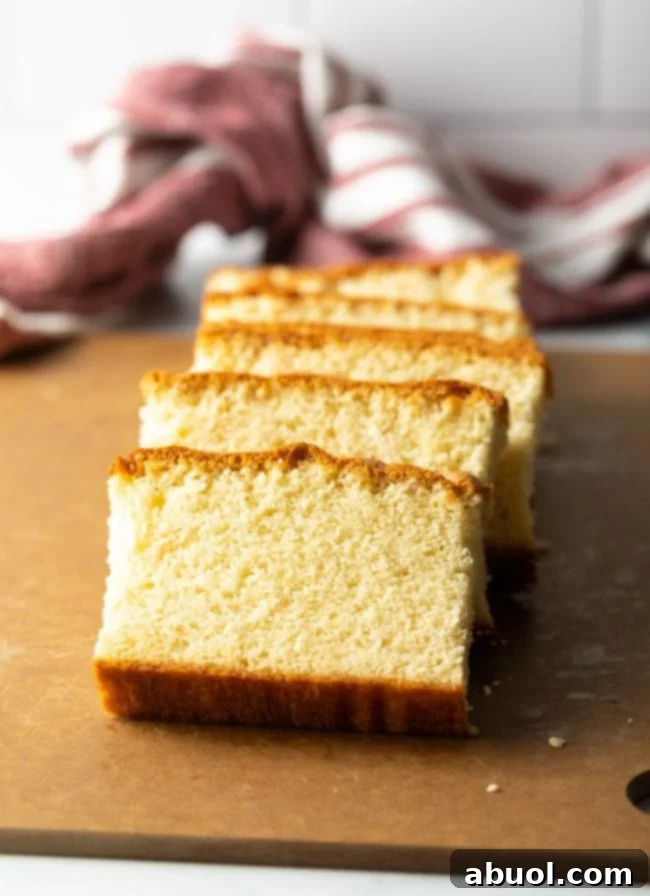
Why You’ll Adore This Japanese Sponge Cake Recipe
In recent years, Asian-inspired desserts have captured hearts across the globe, and for good reason. They often feature intriguing ingredients and unique preparation methods that open up a world of culinary exploration. For the adventurous home baker, this means a chance to experiment with new flavors and techniques, stepping beyond conventional Western baking.
However, some traditional recipes can be intimidating, requiring rare ingredients or complex procedures. This is where Japanese Castella Cake, or Wagashi Sponge Cake, truly shines as a delightful exception. Far from being difficult, it’s a remarkably straightforward dessert that delivers extraordinary results. It’s a beloved staple in Japan, Taiwan, and parts of Eastern China, and we are confident it will quickly become a cherished favorite in your own home. With our easy-to-follow instructions, you’ll master this iconic “jiggly cake” in no time, impressing friends and family with its delicate charm and exquisite taste.
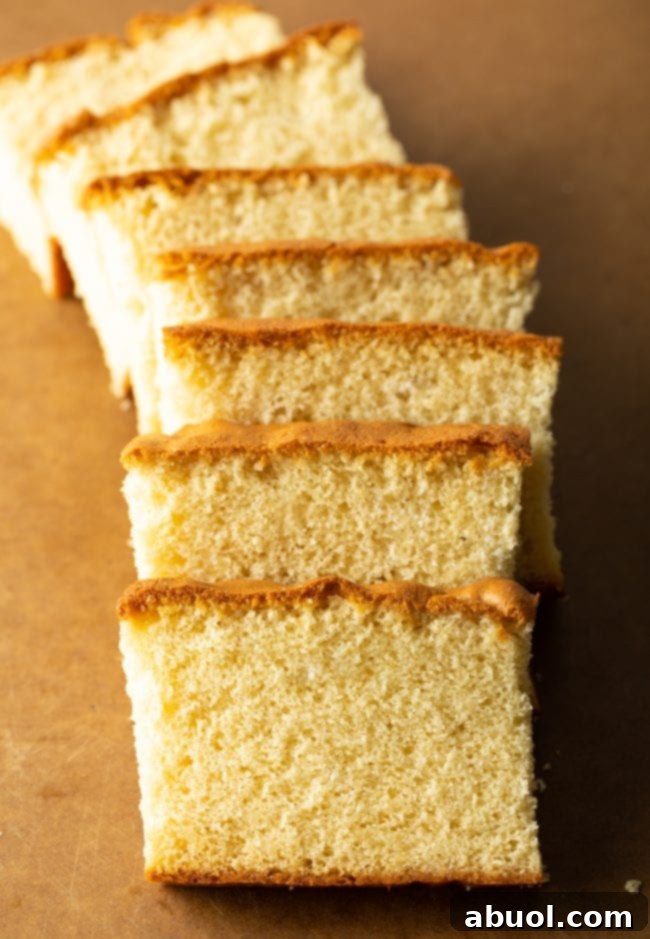
What is Wagashi Sponge Cake (Yakimono)? Exploring the Iconic Castella
To truly appreciate this dessert, let’s delve into its nomenclature. In Japanese, Wagashi is a comprehensive term for traditional Japanese confections, encompassing a wide array of sweets, often enjoyed with green tea. Yakimono specifically refers to baked goods. Therefore, this “yakimono wagashi” is a delicate, baked sweet that holds a special place in Japanese culinary tradition.
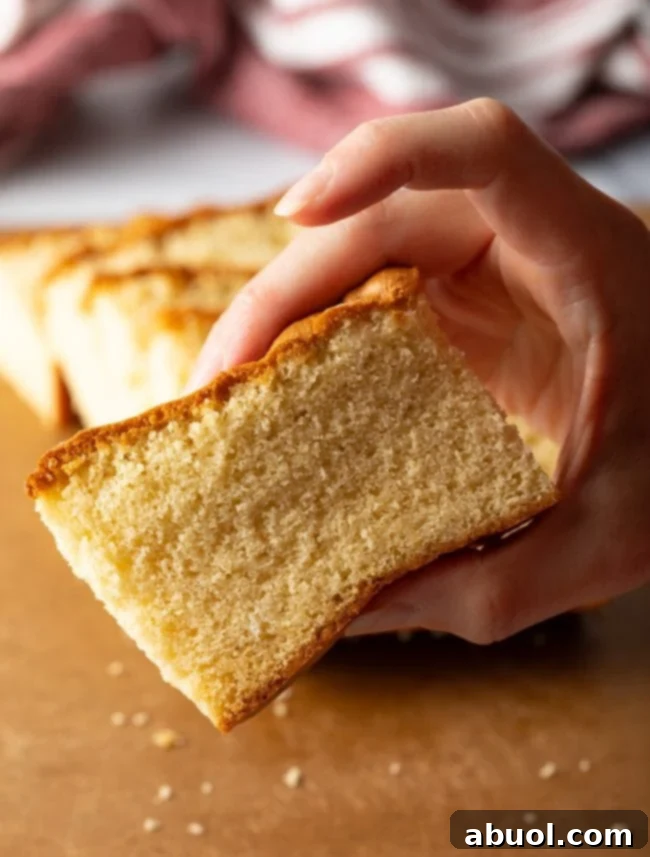
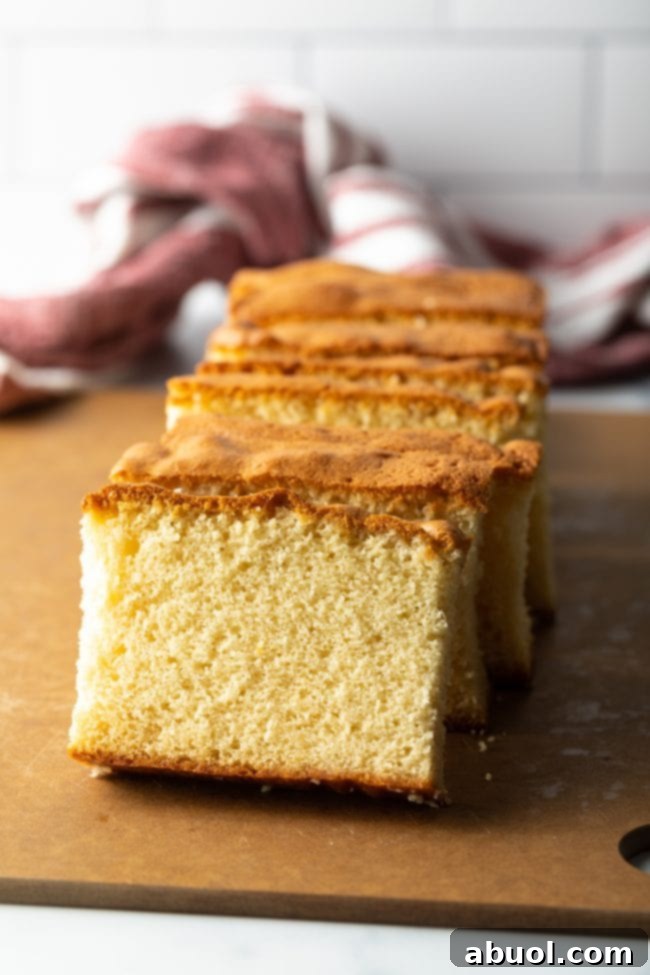
Castella cake stands out as a wonderfully delicate and incredibly flavorful sponge cake, crafted from a remarkably short list of everyday ingredients. Yet, its texture is what truly sets it apart. Imagine a delightful cross between a fluffy sandwich bread and a light, airy meringue – soft, tender, and yes, wonderfully squishy, with an enticing springiness. Each bite reveals a subtle, harmonious blend of honey and vanilla, making it a sophisticated yet comforting treat.
Often described as a “jiggly sponge cake,” it offers a lighter, more ethereal quality than a dense pound cake. Its versatility makes it a perfect accompaniment to a warm cup of tea or coffee, providing a moment of serene enjoyment. Beyond that, it serves as an excellent base for more elaborate creations, whether layered into a stunning trifle, stacked with fresh fruit and whipped cream, or simply adorned with a drizzle of your favorite sauce. Its subtle sweetness ensures it complements rather than overwhelms other flavors.
Essential Ingredients for Your Castella Cake
Creating this authentic Japanese sponge cake requires just a handful of quality ingredients, each playing a crucial role in achieving its signature texture and flavor profile. Ensure all ingredients are measured precisely for the best results.
- Large Eggs: It’s absolutely essential that your eggs are at room temperature. This allows them to whip up to maximum volume, incorporating more air for that characteristic light and airy structure.
- Granulated Sugar: Provides the perfect level of sweetness without being cloying, contributing to the cake’s delicate flavor.
- Honey: A key ingredient that deepens the sweetness and adds a distinctive, subtle aroma that is classic to Castella. Use a good quality honey for the best flavor.
- Warm Water: Not hot, but gently warm water helps dissolve the honey and sugar, and slightly aids in the aeration process.
- Vanilla Extract: Enhances the overall flavor, contributing to the Japanese sponge cake’s signature gentle and inviting taste.
- Salt: Just a pinch of salt is vital to balance the sweetness and bring out the full depth of flavors in the cake.
- Cake Flour: This is non-negotiable for achieving the best jiggly, tender texture. Its lower protein content results in a softer crumb compared to all-purpose flour.
Crafting Your Perfect Japanese Sponge Cake: A Step-by-Step Guide
Making Castella cake is a rewarding experience that requires precision and a touch of patience. Follow these detailed steps to achieve a truly authentic and irresistibly jiggly result.
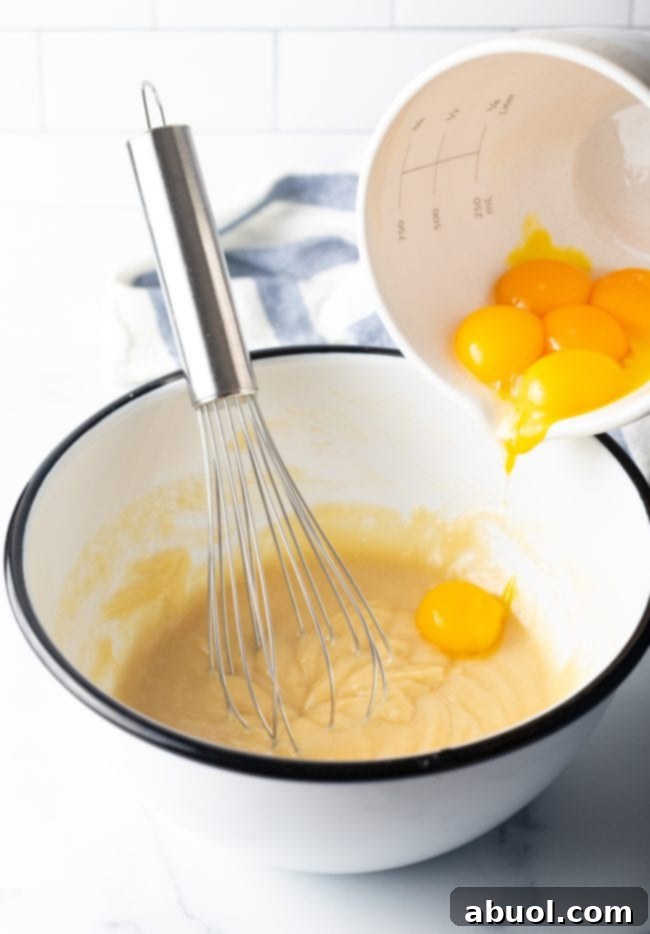
- Prepare the Egg Mixture: Begin by setting up an electric stand mixer fitted with a whisk attachment. Add the room temperature eggs and granulated sugar to the mixing bowl. Turn the mixer on high speed and whisk vigorously for 6-8 minutes. The goal is to transform the mixture into a very light, pale yellow, and incredibly frothy consistency, almost resembling a thick custard. This extended whipping time is crucial as it incorporates a significant amount of air, which acts as the primary leavening agent for our cake.
- Preheat Oven and Prepare Pan: While the eggs are whipping, preheat your oven to 315°F (157°C). Prepare an 8 x 8-inch (20 x 20 cm) metal baking pan. Lightly spray the inside of the pan with nonstick cooking spray. Then, line the bottom and all four sides with parchment paper, ensuring the paper extends at least 1 inch (2.5 cm) above the rim of the pan. This extra height is important because the cake will rise considerably during baking.
- Combine Liquid Flavorings: In a separate small bowl, combine the honey, warm water, vanilla extract, and salt. Stir until the honey and salt are fully dissolved and the mixture is well combined. Ensure the water is warm, not hot, as excessive heat can negatively impact the egg structure.
- Integrate Wet and Dry Ingredients: Once the egg mixture is light and frothy, scrape down the sides of the mixing bowl. Reduce the mixer speed to low. Gradually beat in the honey mixture until just combined. Then, slowly add the cake flour, spoonful by spoonful, ensuring it’s fully incorporated. As soon as all the flour is mixed in, turn off the mixer immediately. It’s paramount not to overmix the batter at this stage, as over-developing the gluten will result in a tough, dense cake rather than the desired fluffy, jiggly texture.
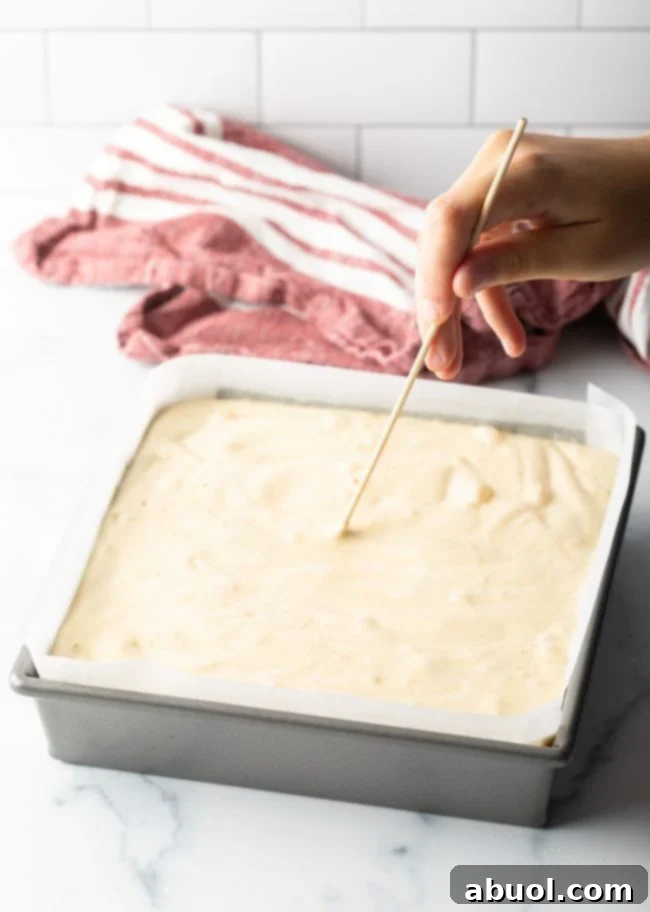
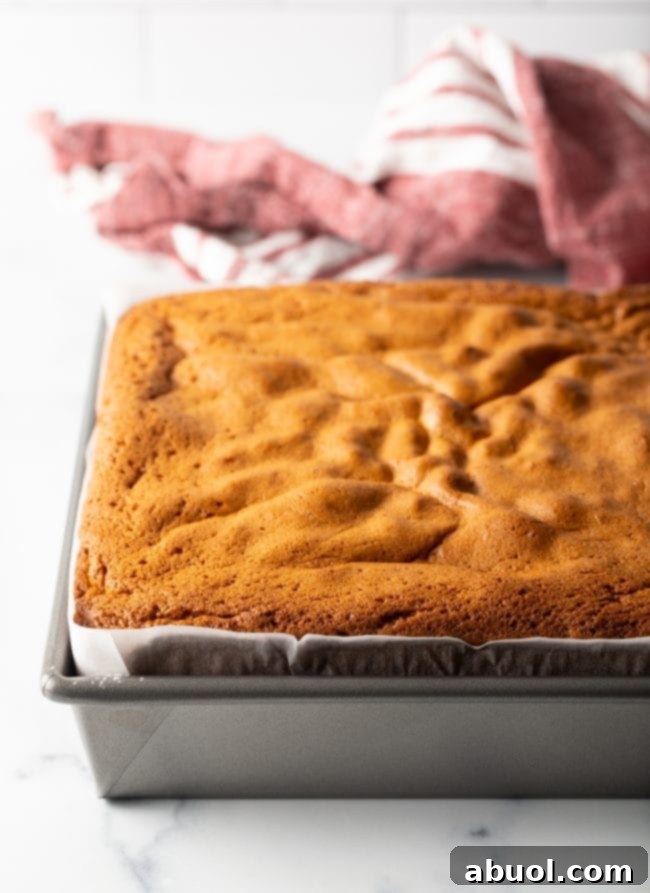
- Bake to Perfection: Gently pour the prepared batter into your parchment-lined cake pan. Carefully tap the pan once or twice on your counter to encourage any large air bubbles to rise to the surface and pop, which helps achieve a more even crumb. However, avoid excessive tapping that could deflate the carefully whipped batter. Bake in the center of the preheated oven for approximately 45 minutes. The cake is ready when its top is beautifully golden brown and noticeably puffy.
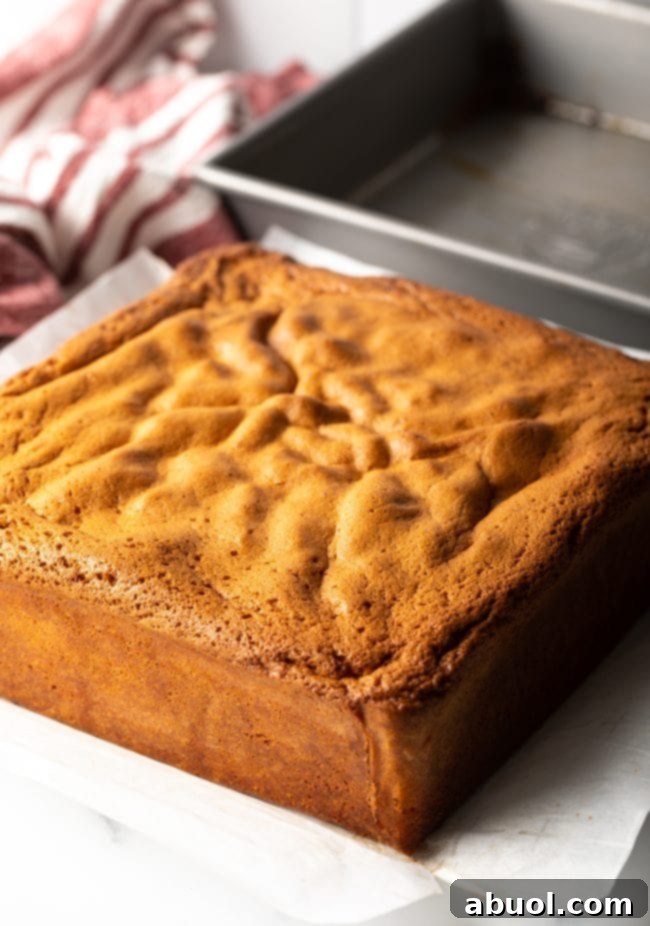
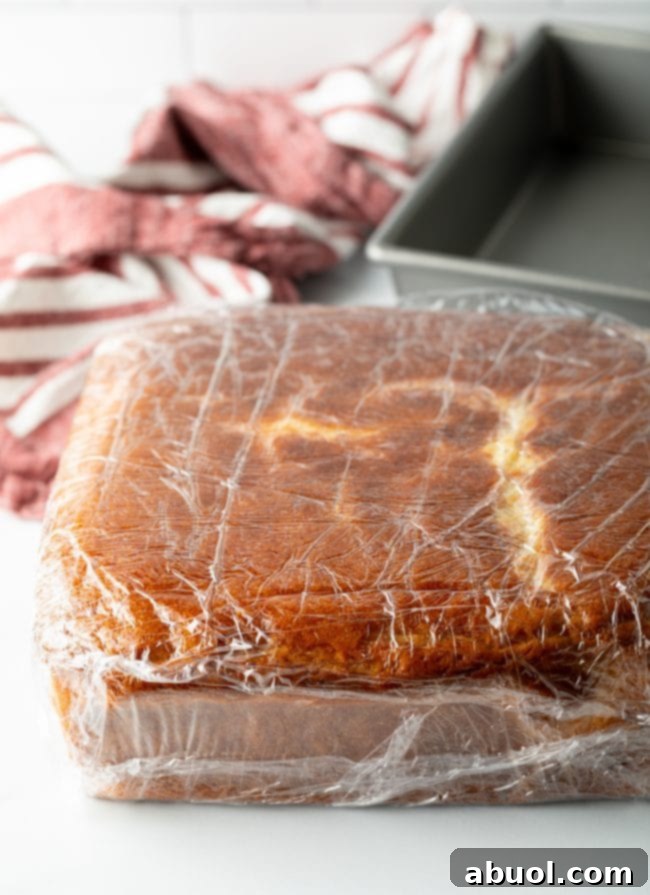
- Cool and Wrap for Moisture: Once baked, carefully lift the cake out of the pan using the extended parchment paper edges. Gently peel off the parchment paper from all sides of the warm cake. Immediately and tightly wrap the entire cake in plastic wrap while it is still warm. This crucial step traps all the steam and moisture, preventing the cake from drying out and ensuring it develops its famously moist and even texture.
- The Essential Resting Period: Allow the wrapped cake to cool completely to room temperature before unwrapping. For the absolute best texture, an extended resting period is highly recommended. Ideally, let the cake remain wrapped in the refrigerator overnight (or for at least 6-8 hours). The longer it stays wrapped, the more its unique, tender, and moist consistency will develop. Many bakers find that preparing Castella cake a day in advance yields superior results, allowing it to “cure” and achieve optimal softness and flavor.
Get the complete, printable Japanese Castella Cake recipe below and embark on a delightful baking journey!
Exquisite Serving Suggestions for Your Castella Cake
Once your Castella cake has properly rested and reached its peak texture, it’s time to prepare it for serving. Its elegant simplicity makes it a versatile treat for any occasion.
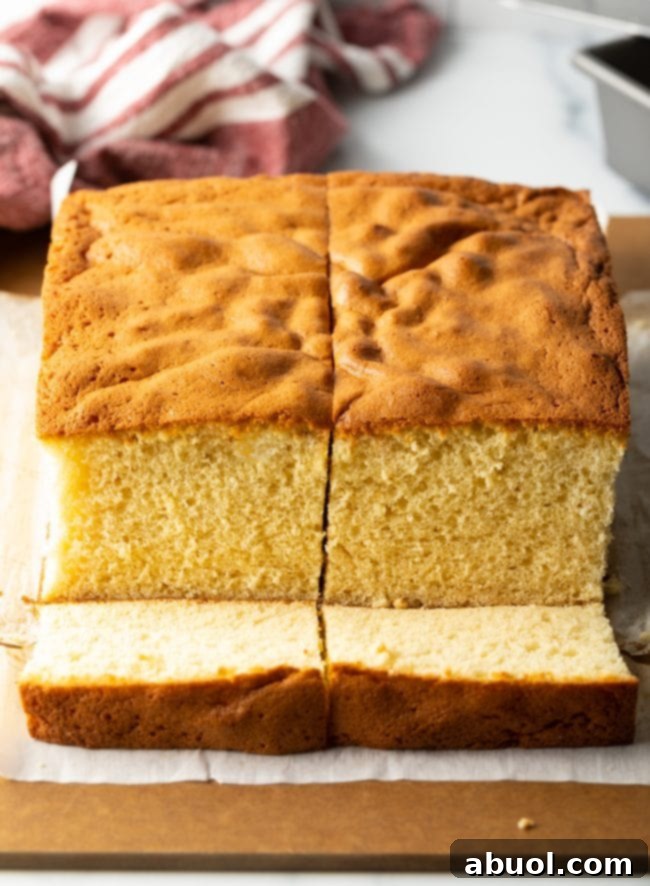
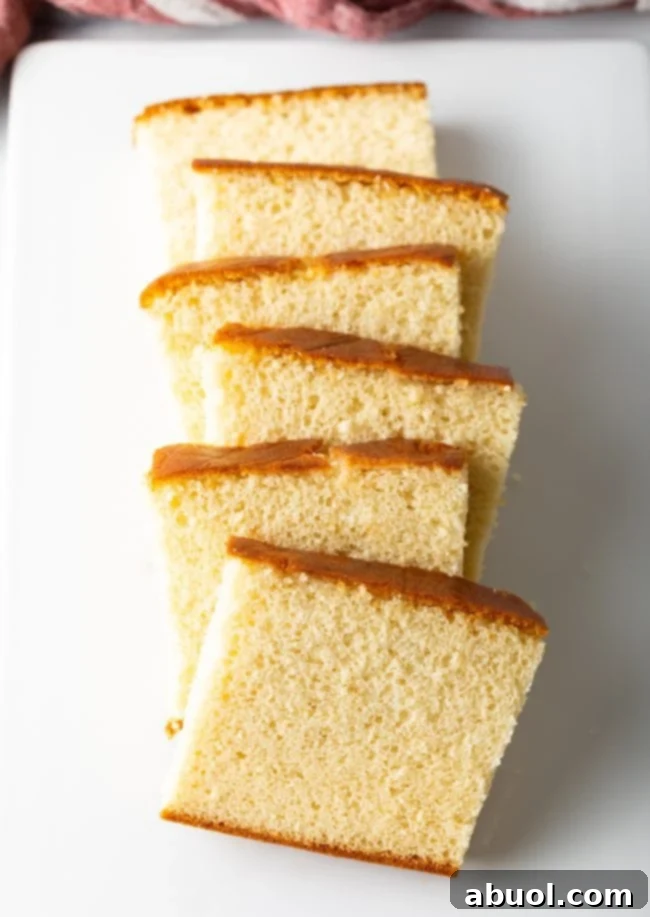
To begin, use a sharp serrated knife to carefully trim off all the brown, firmer edges from the sides of the cake. This reveals the soft, pale interior and gives it a clean, professional appearance. Then, cut the remaining square cake down the middle to create two even, rectangular loaves. Finally, slice each loaf into ½ to 1-inch thick pieces, depending on your preference. These perfectly sized slices are ideal for serving.
Castella cake shines when paired simply with a hot beverage like traditional Japanese green tea, a robust black tea, or your favorite coffee, making it a perfect snack or a light, sophisticated dessert. For special occasions or holiday gatherings, elevate it further by serving it alongside decadent chocolate fondue, warm caramel, or vibrant berry sauces. Its subtle sweetness ensures it complements these richer additions beautifully.
For a truly delightful twist, transform it into a homemade Japanese Strawberry Shortcake by layering slices of Castella with fresh, ripe strawberry slices and dollops of freshly whipped cream. The light cake provides an excellent counterpoint to the sweetness of the fruit and cream.
Expert Tips & Tricks for Castella Cake Success
Achieving the perfect Castella cake is all about understanding a few key techniques. Keep these professional tips in mind for consistently exceptional results:
- Mastering the Egg Whip: The most crucial step is vigorously whipping the room temperature eggs with sugar using an electric or stand mixer fitted with a whisk attachment. This process creates countless tiny air bubbles, which are the sole leavening source for the cake. Without sufficient aeration, your cake won’t achieve its desired rise and characteristic fluffy texture. Aim for a pale, thick, and very frothy mixture, almost like a light meringue.
- Gentle Flour Incorporation: Once you add the cake flour to the batter, exercise extreme caution and do not over-mix. Overworking the flour develops the gluten, leading to a tough, dense cake that might collapse rather than boast that signature fluffy, jiggly Japanese sponge cake texture. Mix only until the flour streaks disappear, then stop.
- The Non-Negotiable Resting Period: Seriously, do not skip the plastic wrap and resting period! This step is fundamental to the Castella cake’s unique moist and tender texture. Wrapping the warm cake traps steam, ensuring moisture is reabsorbed. I strongly recommend allowing the wrapped cake to sit in the refrigerator overnight. Taking it out the next day and letting it return to room temperature before serving will give you the most exquisitely moist and delightful texture possible. Patience truly pays off with Castella!
Frequently Asked Questions About Japanese Sponge Cake
Can I make this jiggly cake recipe with all-purpose flour?
Yes, you absolutely can! If you don’t have cake flour on hand, you can easily create a substitute using all-purpose flour and cornstarch (or arrowroot powder). For this recipe, which calls for 1 ½ cups of cake flour, measure out 1 ½ cups of all-purpose flour. Then, remove 3 tablespoons of that flour and replace it by sifting in 3 tablespoons of either cornstarch or arrowroot powder. Sifting is important to ensure it’s evenly distributed. This mixture effectively lowers the protein content, mimicking cake flour and helping you achieve a softer, tender crumb.
Why is my Castella cake not jiggly?
The “jiggle” is a hallmark of a perfectly made Castella cake, and it largely comes down to proper aeration and gentle handling. The primary reasons your cake might not be jiggly are usually related to: 1) Eggs not being at room temperature, which prevents them from whipping to their full volume. Always use room temperature eggs for maximum frothiness. 2) Insufficient whipping of the eggs and sugar; they must be very light and frothy. 3) Over-mixing the batter after the flour is added. Over-mixing develops gluten, resulting in a dense, rather than light and airy, cake. Follow the instructions carefully to achieve that delightful bounce!
What other recipes can I make with Japanese Cotton Sponge Cake?
The light and tender nature of Japanese Cotton Sponge Cake makes it an incredibly versatile base for a variety of desserts. It’s excellent for building a beautiful trifle, where its softness soaks up flavors wonderfully. Use it as a foundation for elegant dessert fruit stacks, layering it with fresh berries and cream. You can also repurpose leftovers into fun cake pops or even use it as a lighter ice cream cake base. To make it a festive Christmas cake, simply top it with a rich cream cheese frosting and a sprinkle of holiday decorations. For a lovely spring or summer strawberry cake, add 1 teaspoon of strawberry extract to the batter and garnish the finished cake with fresh strawberries.
How long do leftovers last?
Castella cake maintains its deliciousness and tender texture quite well. When stored properly, it will keep for up to 5 days at room temperature. If you prefer, you can refrigerate it for an extended period, up to 10 days. Always ensure leftovers are wrapped tightly in plastic wrap to prevent them from drying out. For longer storage, Castella cake freezes beautifully! Wrap the cooled cake first in plastic wrap, then in a layer of aluminum foil, and store it in the freezer for up to 2 months. Thaw at room temperature before serving.
Is castella cake the same as pound cake?
No, Castella cake and pound cake are distinctly different. While both are baked cakes, Castella is renowned for its incredibly light, airy, and fluffy Japanese sponge texture, often described as “jiggly.” Pound cake, on the other hand, is characterized by its dense, rich, and moist crumb. A Castella cake shares more textural similarities with a chiffon cake due to its reliance on whipped eggs for leavening.
What is the difference between Taiwanese and Japanese Castella cake?
While both are called Castella, there are notable differences in their preparation and resulting texture. Taiwanese Castella cake often leans towards a more soufflé-like consistency, achieved by baking it in a water bath (bain-marie). This method results in an even more moist and custard-like interior. Japanese Castella cake, while still incredibly soft and moist, has a firmer, more classic sponge cake texture and is typically baked directly in the oven without a water bath.
Looking for More Delicious Dessert Recipes?
If you’ve enjoyed baking this traditional Japanese sponge cake, you might be interested in exploring other delectable dessert recipes from around the world. Here are some of our favorites to inspire your next baking adventure:
- Easy Magic Custard Cake
- Thai Mango Sticky Rice Pudding
- Caramel Apple Dump Cake
- No Bake Pumpkin Cheesecake (Bars)
- Pina Colada Sheet Cake
- Texas Sheet Cake with Coffee
- Mint Oreo Chocolate Bark Recipe
- Roll Cake with Raspberry Cake Filling (Roulade)
- Easy Tiramisu
- Strawberry Crunch Cake
- Mango Pudding (Dairy Free!)
- Chocolate Pudding Cake
- Chocolate Chip Cookie Cake
Get the complete, printable Japanese Castella Cake recipe below and enjoy creating this wonderful dessert!
Castella Cake (Wagashi Sponge Cake) Recipe
Fluffy and tender Castella Cake is a classic baked Japanese cake (yakimono wagashi) that is delicious without being overly sweet. Serve this jiggly cake for a lighter treat that everyone will love!
Recipe Summary
- Prep Time: 20 minutes
- Cook Time: 45 minutes
- Total Time: 1 hour 5 minutes
- Servings: 24 slices
Ingredients
- 6 large eggs (room temperature)
- 1 cup granulated sugar
- ¼ cup honey
- 2 tablespoons warm water
- 2 teaspoons vanilla extract
- ½ teaspoon salt
- 1 ½ cup cake flour
Instructions
- Set out an electric stand mixer with a whip attachment. Add the room temperature eggs and sugar to the mixing bowl. Whisk on high for 6-8 minutes until the egg mixture is very light in color and extremely frothy. The egg mixture should expand to look like custard.
- Meanwhile, preheat the oven to 315°F (157°C). Set out an 8 x 8-inch metal pan. Spray the pan with nonstick cooking spray, then line the bottom and sides with parchment paper. Make sure the parchment comes up above the rim of the pan by at least 1 inch. (The cake will rise over the lip of the pan.)
- Set out a small bowl. Mix the honey, warm water, vanilla extract, and salt together.
- Scrape the mixing bowl with the eggs and turn the mixer on low. Beat in the honey mixture and then slowly add in the flour. Once all the flour is incorporated, turn off the mixer, so you don’t over beat the cake batter.
- Pour the batter into the prepared pan. Tap the cake on the counter once or twice to bring the biggest bubbles to the surface. (But don’t tap it so much that you deflate the batter.) Bake in the center of the oven for approximately 45 minutes, until the top is dark and puffy.
- Lift the cake out of the pan by the edges of the parchment paper. Peel off the parchment paper and immediately wrap it in plastic wrap, while the cake is still warm. This allows all the moisture to be preserved, for a moist even texture.
- Cool to room temperature before unwrapping. However, the longer it stays wrapped the better the texture will be. (I often make this a day ahead, so it can stay wrapped for 24 hours.)
- When you’re ready to serve, use a serrated knife to cut all the brown edges off of the sides. Cut the remaining square down the middle into two even loaves. Then slice each loaf into ½ – 1 inch pieces.
Notes
Castella cake must stay well wrapped to preserve its fine moist texture. You can refrigerate it for up to 10 days, or leave it on the counter for up to 5 days. For long-term storage, freeze the tightly wrapped cake for up to 2 months.
Nutrition Information (per serving)
Serving: 1 pc
- Calories: 88 kcal
- Carbohydrates: 17g
- Protein: 2g
- Fat: 1g
- Saturated Fat: 1g
- Polyunsaturated Fat: 1g
- Monounsaturated Fat: 1g
- Trans Fat: 1g
- Cholesterol: 41mg
- Sodium: 65mg
- Potassium: 25mg
- Fiber: 1g
- Sugar: 11g
- Vitamin A: 60 IU
- Vitamin C: 1mg
- Calcium: 8mg
- Iron: 1mg
Recipe Details
- Course: Dessert, Snack
- Cuisine: Chinese, Japanese, Taiwanese
- Author: Sommer Collier