
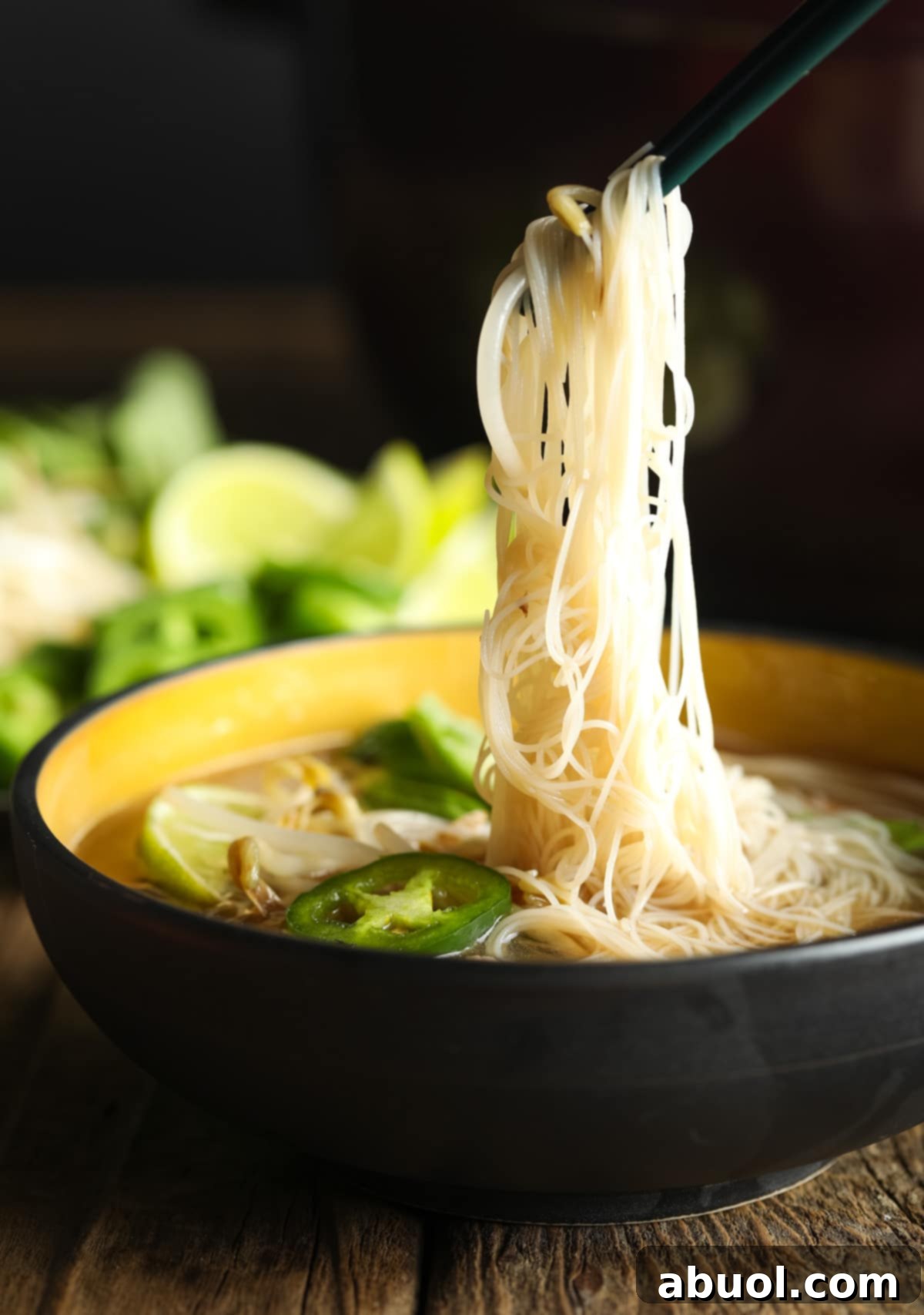
Low Carb Vietnamese Pho Soup Recipe – Discover how to craft a truly authentic and incredibly flavorful Vietnamese beef pho soup that fits perfectly into your keto, paleo, and Whole30 dietary plans, featuring delicious low-carb noodle alternatives. This guide will walk you through creating a soul-warming, aromatic broth and assembling a hearty, healthy meal that your whole family will adore.
Why This Low-Carb Beef Pho Soup Will Become Your Family’s Favorite
There are few dishes that evoke such universal delight in my household as Vietnamese Beef Pho Soup. It consistently ranks among our top three family meals, a testament to its irresistible charm and profound flavors. Whenever we contemplate dining out, it’s almost a given that one of the kids will suggest our cherished local Vietnamese restaurant, and without fail, my spouse and I enthusiastically agree. The ritual of slurping flavorful broth and fresh noodles, paired with crisp, vibrant garnishes, creates an unforgettable culinary experience.
It’s genuinely challenging to articulate the profound allure of Vietnamese noodle soup. On the surface, it appears deceptively simple: a clear, fragrant broth, delicate slices of meat, and a handful of noodles. Yet, beneath this simplicity lies an extraordinary depth of flavor. The broth, meticulously prepared with an array of aromatic spices, offers a complex symphony of savory and subtly spicy undertones that linger on the palate. When combined with the refreshing crunch of fresh vegetables and herbs added tableside, it transforms into a dish that is utterly captivating and impossible to resist.
This particular recipe not only captures that authentic, captivating taste but also adapts it to suit a variety of health-conscious lifestyles, ensuring everyone can enjoy its magic. Don’t forget to explore our extensive collection of paleo and low carb recipes for more healthy meal inspiration!
Embracing a Healthier Twist: Low Carb Vietnamese Pho for Every Diet
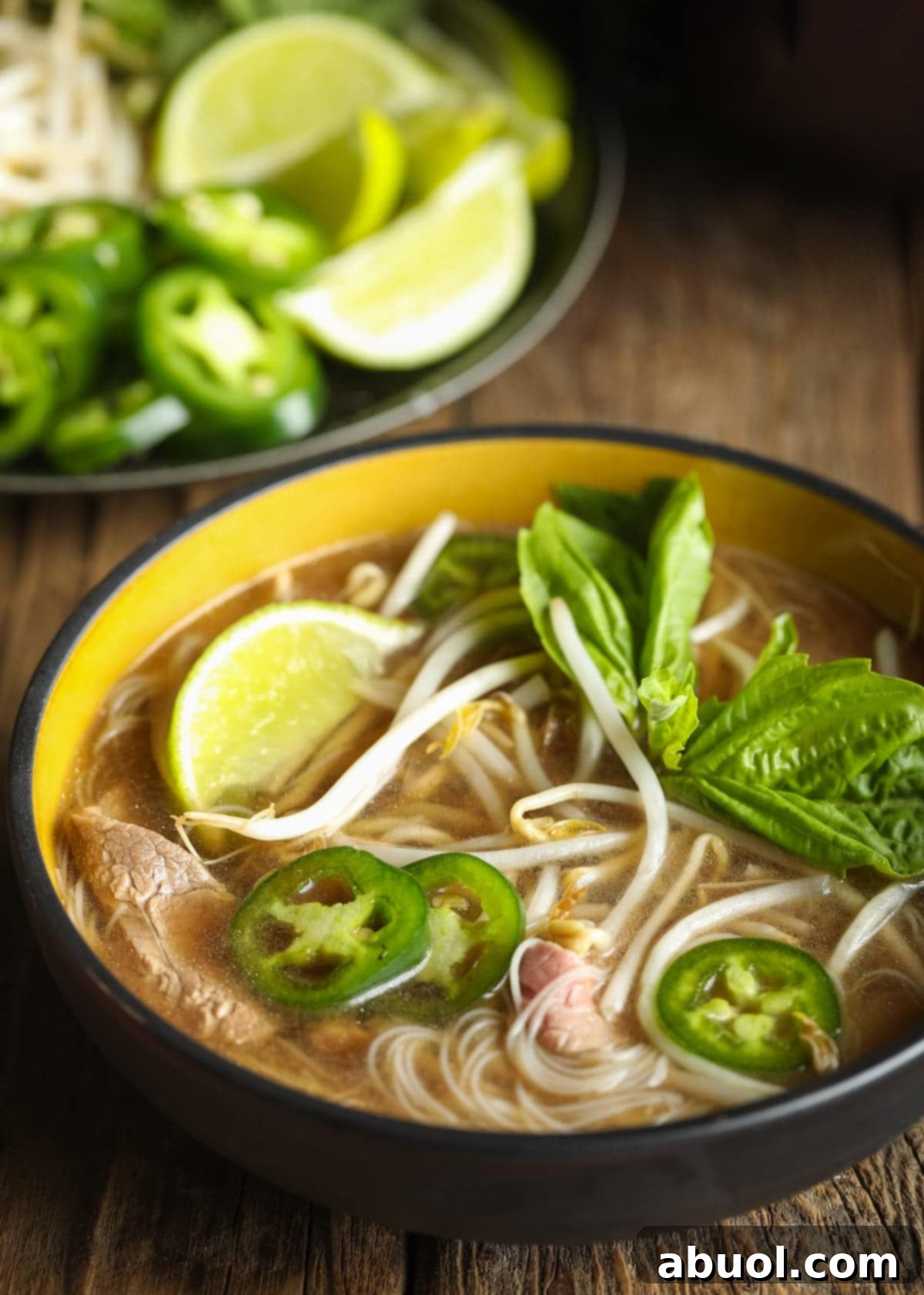
While traditional Vietnamese Beef Pho inherently boasts numerous healthy qualities, this recipe elevates its nutritional profile by offering a specifically crafted Low Carb Vietnamese Pho. This adaptation makes it an ideal meal for those adhering to Paleo, Keto, and Whole30 diets, ensuring that the rich, complex flavors of authentic pho are accessible without compromising dietary goals. By making just a couple of clever ingredient swaps, you can transform this tantalizing beef soup into a meal that aligns perfectly with your healthy eating regimen, whether it’s for a New Year’s resolution or a long-term lifestyle choice.
The beauty of Vietnamese pho lies in its versatility. While this specific steak pho recipe proudly features thin slices of lean flank steak, pho recipes can incorporate a diverse range of proteins. You might encounter variations with tender slices of pork, succulent chicken, or even seafood. Our choice of flank steak not only offers a lean and flavorful protein source but also cooks incredibly quickly in the hot broth, preserving its delicate texture and maximizing its savory contribution to the soup. This adaptability ensures that pho can be customized to personal preferences and dietary needs, making it a truly inclusive culinary delight.
Essential Ingredients for Your Authentic Low-Carb Pho
Crafting the perfect Vietnamese Pho hinges on a thoughtful selection of ingredients, particularly for the broth. Each component plays a vital role in building the layered, aromatic foundation that defines this beloved soup. Below is what you’ll need to create this culinary masterpiece:
For the Broth – The Soul of Pho:
- Coconut oil: Used for sautéing the aromatics, imparting a subtle richness.
- Ginger: Fresh ginger root, sliced, provides a warm, spicy, and fragrant backbone to the broth. Its pungent notes are essential for authentic pho flavor.
- Onions: Large onions, peeled and quartered, caramelize slightly when sautéed, adding a foundational sweetness and depth.
- Garlic: Smashed garlic cloves release their potent aroma and flavor, contributing to the broth’s complexity.
- Cinnamon sticks: These classic warming spices infuse the broth with a sweet, woody fragrance, crucial for pho’s characteristic aroma.
- Star anise: Recognizable for its distinctive star shape, star anise delivers a powerful licorice-like aroma that is non-negotiable for authentic pho.
- Cloves: A small amount of whole cloves adds a sweet, pungent, and slightly bitter note, rounding out the spice profile.
- Cardamom pods: Smashed cardamom pods release a highly aromatic, slightly citrusy, and sweet flavor, adding another layer of exotic complexity.
- Fish sauce: The ultimate umami enhancer in Southeast Asian cuisine. Gluten-free fish sauce adds a crucial savory depth and a unique pungency that transforms the broth, making it truly authentic. Don’t be deterred by its aroma; its taste in the broth is unparalleled.
- Palm sugar: A touch of palm sugar balances the savory and spicy notes of the broth, adding a hint of traditional sweetness. For ketogenic diets, this ingredient should be omitted entirely to keep the carb count minimal.
- Beef broth: High-quality beef broth (or bone broth for extra nutrients) forms the primary liquid base, bringing rich beefy flavor.
- Water: Used in combination with beef broth to achieve the ideal volume and flavor concentration.
Together, these carefully selected ingredients harmonize to create a rich, complex, and intensely aromatic broth that paradoxically improves with time. In fact, preparing the broth in a slow cooker while you’re away at work is an excellent strategy, allowing the flavors to meld and deepen over hours without constant attention. For those strictly following ketogenic guidelines, simply remove the tablespoon of palm sugar from the recipe, and the broth will remain perfectly compliant while still bursting with flavor.
For the Soup – Bringing it All Together:
- Flank steak: Thinly sliced flank steak is the traditional choice, cooking almost instantly in the hot broth. Its lean texture and robust beefy flavor are perfect for pho.
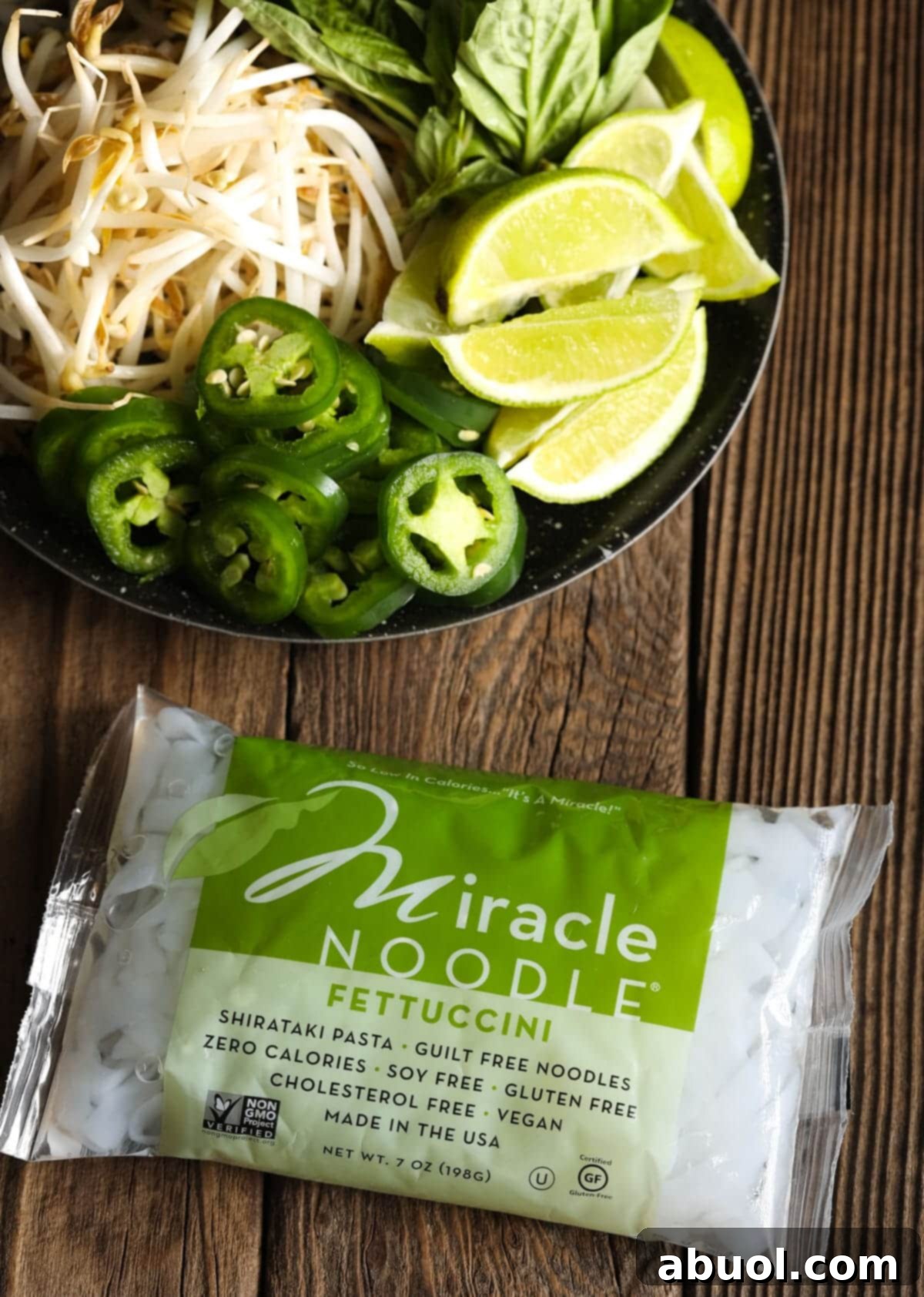
- Shirataki noodles: These grain-free, ultra-low-carb noodles are the star of this diet-friendly pho. Made from konjac yam, they offer a similar texture to traditional rice noodles without the carb load, making them suitable for keto, paleo, and Whole30 diets.
These final components – the thinly sliced beef and shirataki noodles – are added to the warm broth just before serving. This ensures that the beef remains tender and perfectly cooked, and the noodles retain their ideal texture, creating a truly satisfying and wholesome bowl of pho.
Crafting Culinary Excellence: How to Make Low Carb Vietnamese Beef Pho Soup
Creating this deeply flavorful and healthy Vietnamese beef pho is a rewarding process. Follow these steps to ensure a perfect bowl every time:
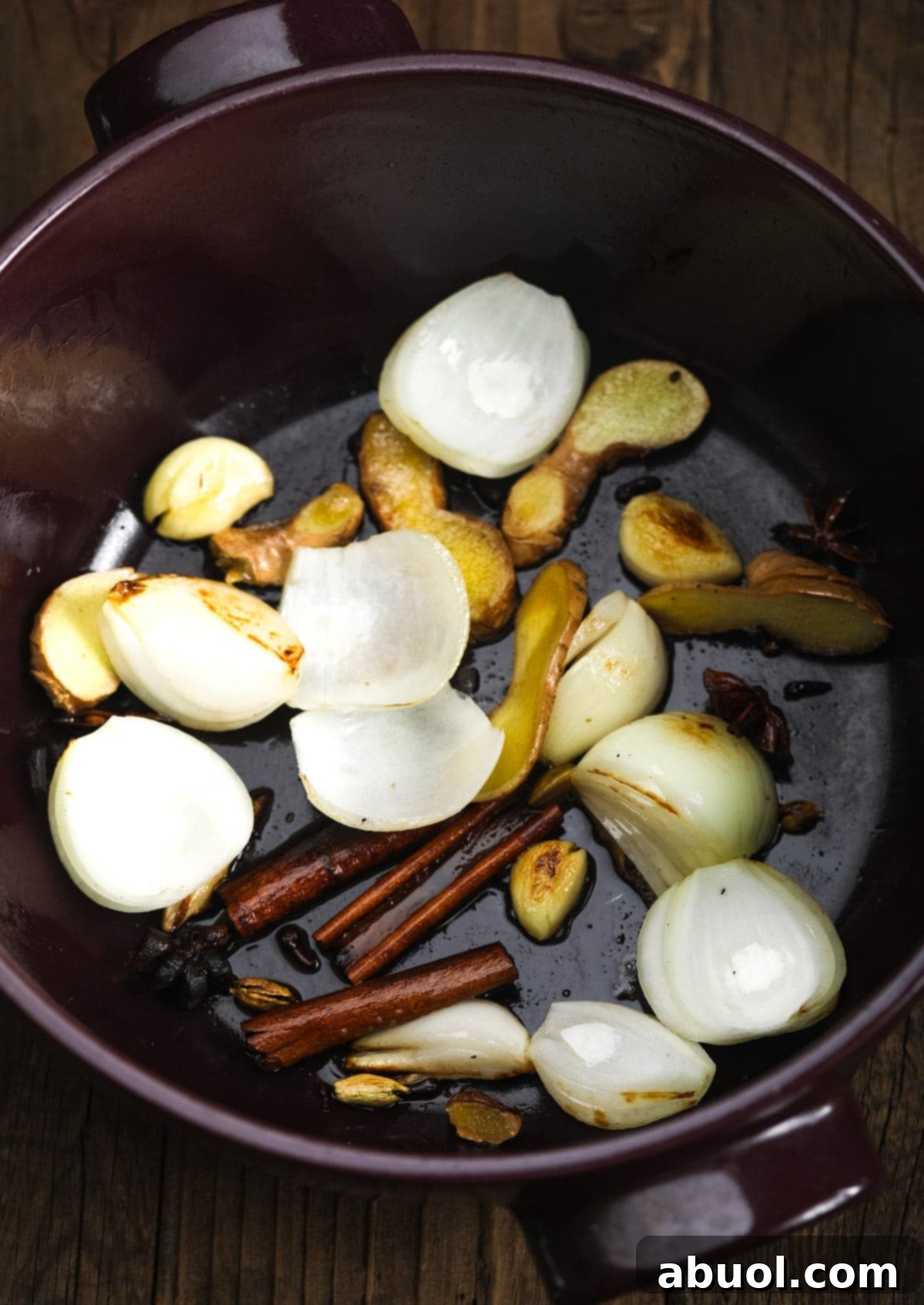
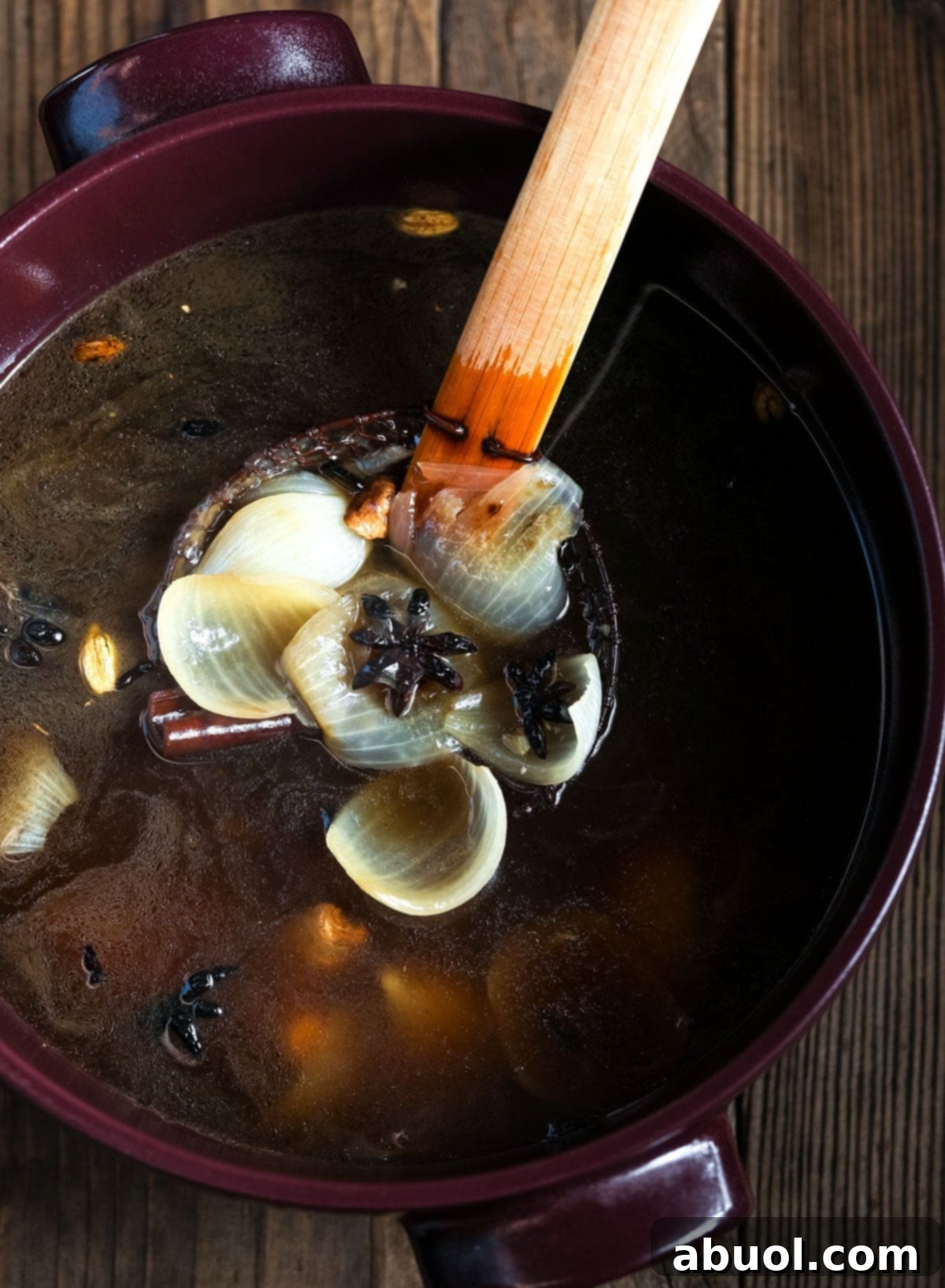
- Sauté the Vegetables and Spices: Begin by placing a large stock pot over medium heat. Add the coconut oil, quartered onion wedges, sliced ginger, smashed garlic, cinnamon sticks, whole star anise, cloves, and smashed cardamom pods. Sauté these aromatics for about 10 minutes, stirring occasionally, until the onions are lightly browned on all sides and the kitchen fills with their fragrant essence. This crucial step helps to release and deepen their flavors, forming the aromatic base of your broth.
- Slowly Simmer the Broth for Maximum Flavor: Once the aromatics are fragrant, pour in the water, beef broth, gluten-free fish sauce, and the optional palm sugar (remember to omit for strict keto). Bring the mixture to a gentle simmer, then reduce the heat to low. The longer the broth simmers, the more intensely flavorful it will become. For this recipe, aim to simmer the broth for at least one hour, though a longer simmer of 2-3 hours (or even overnight in a slow cooker) will yield an even richer, more profound taste. Just like in authentic Vietnamese restaurants, making the broth a day ahead can dramatically intensify its flavor profile.
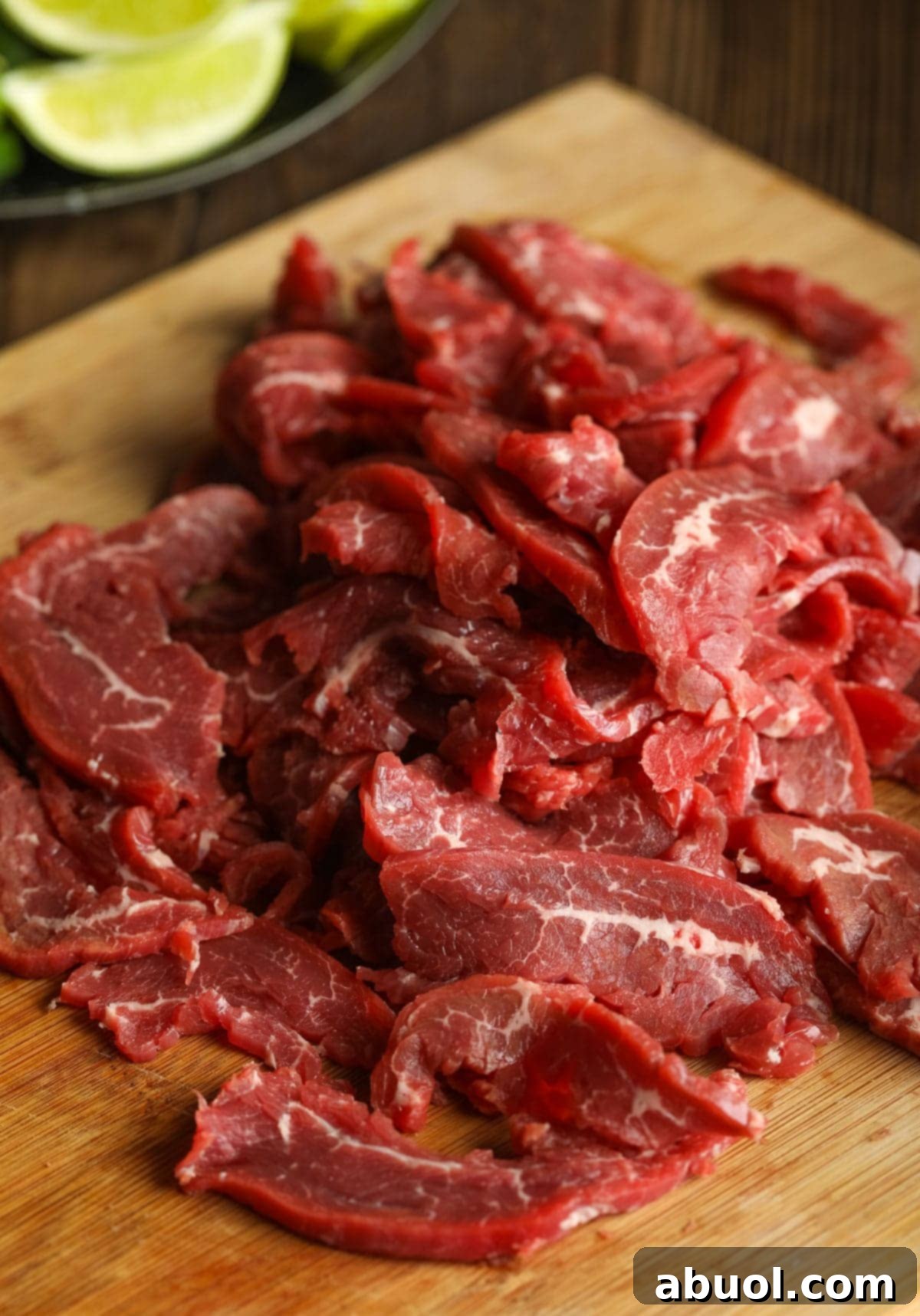
- Prepare the Perfectly Sliced Flank Steak: While the broth simmers, prepare your flank steak. To achieve the signature paper-thin slices, flash-freeze the flank steak for approximately 30 minutes. This will firm up the meat, making it much easier to slice thinly and precisely. The steak should be frozen on the outside but still mostly thawed on the inside. Once ready, slice the steak against the grain into delicate, paper-thin pieces. This thinness ensures it cooks almost instantly when added to the hot broth.
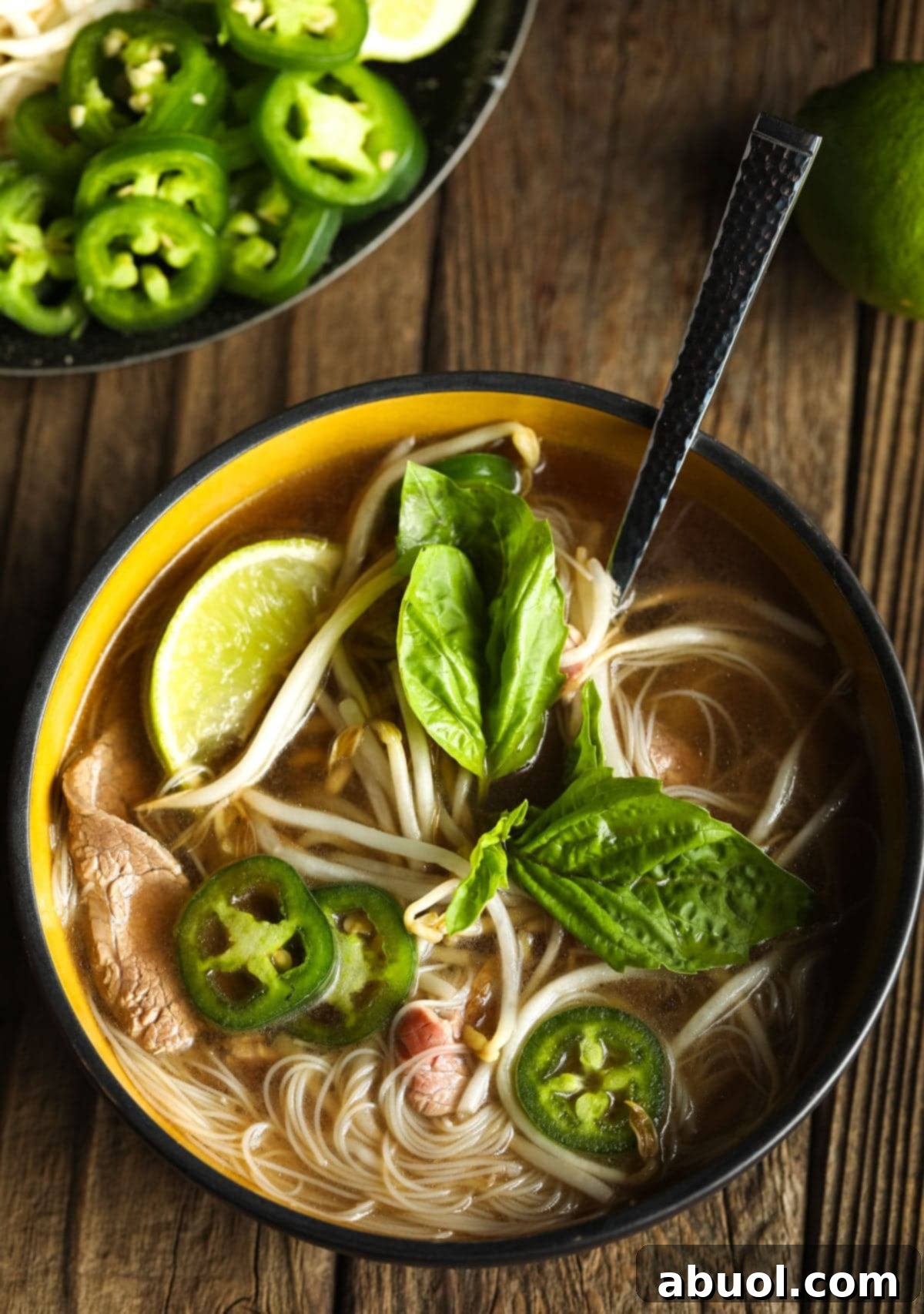
- Skim and Arrange Garnishes: After the broth has simmered to perfection, use a fine-mesh skimmer or slotted spoon to carefully remove all the cooked onions and spices. These have imparted their flavor and are no longer needed. While you can leave some if you prefer, removing them results in a clear, beautiful broth. Next, arrange your fresh garnishes—mung bean sprouts, sliced jalapeños, fresh lime wedges, and fragrant basil leaves—on a serving plate, ready for assembly.
- Add in the Low-Carb Noodles and Beef: Just a few minutes before you are ready to serve, add the shirataki noodles to the hot broth and cook for 2-3 minutes, or according to the package instructions. These noodles cook quickly and don’t require extended simmering.
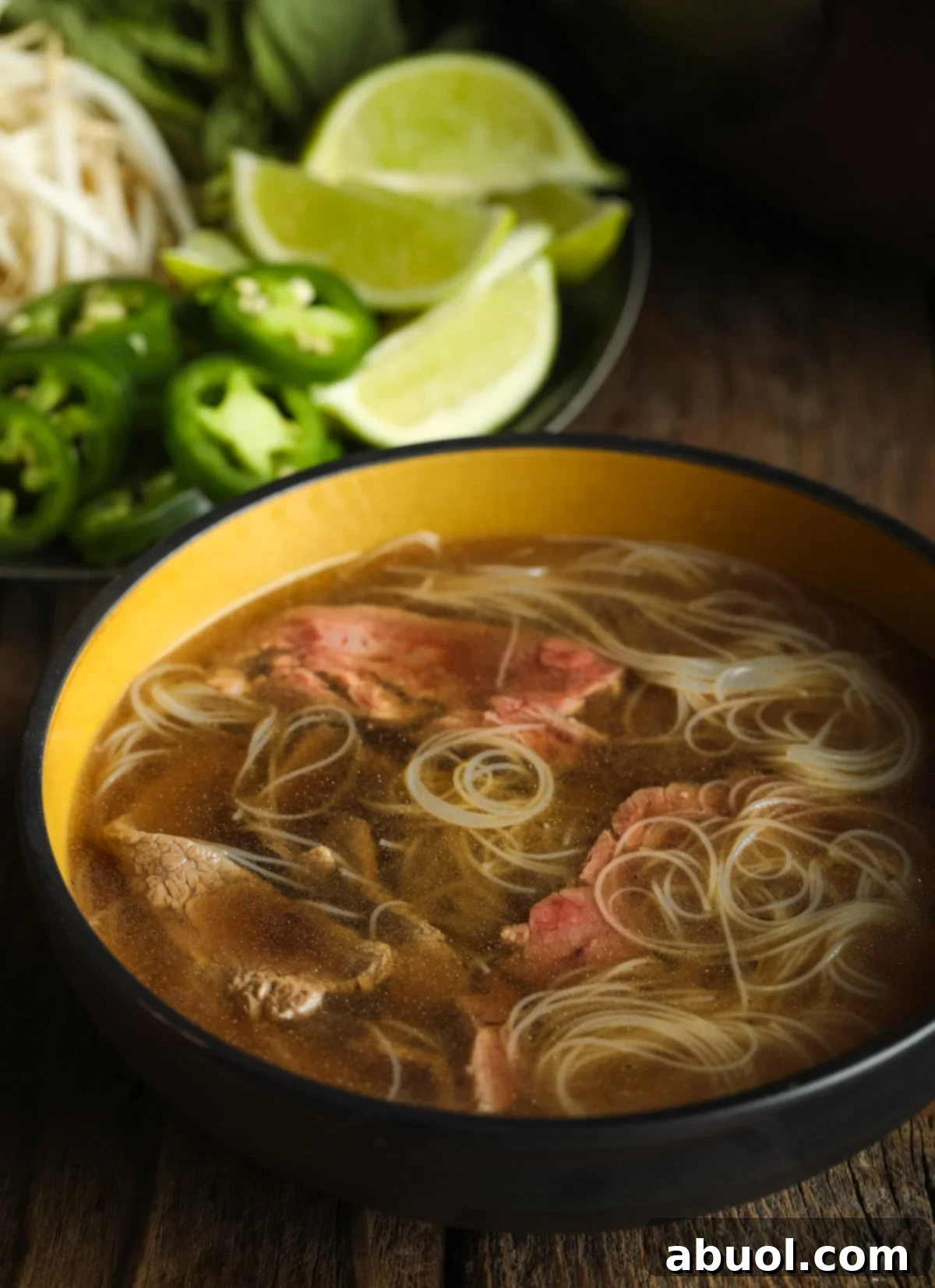
- Serve with Fresh Garnishes: Turn off the heat under the broth. Carefully stir in the thin pieces of flank steak. Because they are sliced so thinly, the residual heat of the hot broth will cook them perfectly in a matter of seconds. Ladle generous portions of the pho, including broth, noodles, and beef, into individual serving bowls. Allow your guests the pleasure of adding their preferred fresh vegetable garnishes—bean sprouts, basil, jalapeño slices, and a squeeze of fresh lime—to their bowls. This interactive element is a hallmark of the pho experience!
Fresh Garnishes: The Essential Finishing Touches:
The garnishes are not mere decoration; they are integral to the pho experience, adding layers of texture, freshness, and vibrant flavor. The following four items are considered the most traditional and essential:
- Jalapeño slices for a kick of heat.
- Fresh basil leaves for their aromatic, peppery sweetness.
- Crisp mung bean sprouts for their refreshing crunch.
- Fresh lime wedges to brighten the broth with a burst of citrus.
While these are the core garnishes, don’t hesitate to also offer thinly sliced scallions (green onions) and fresh cilantro for additional layers of herbaceous flavor. Each addition customizes the bowl to individual taste, enhancing the overall enjoyment of this incredible soup.
Expert Tips & Tricks for Your Best Low-Carb Pho
- Toppings are everything! Never underestimate the power of fresh garnishes. Serve your pho with all the best toppings: crisp bean sprouts, fragrant Thai basil, juicy lime wedges, and spicy sliced jalapeños. These elements add crucial texture, aroma, and flavor contrasts.
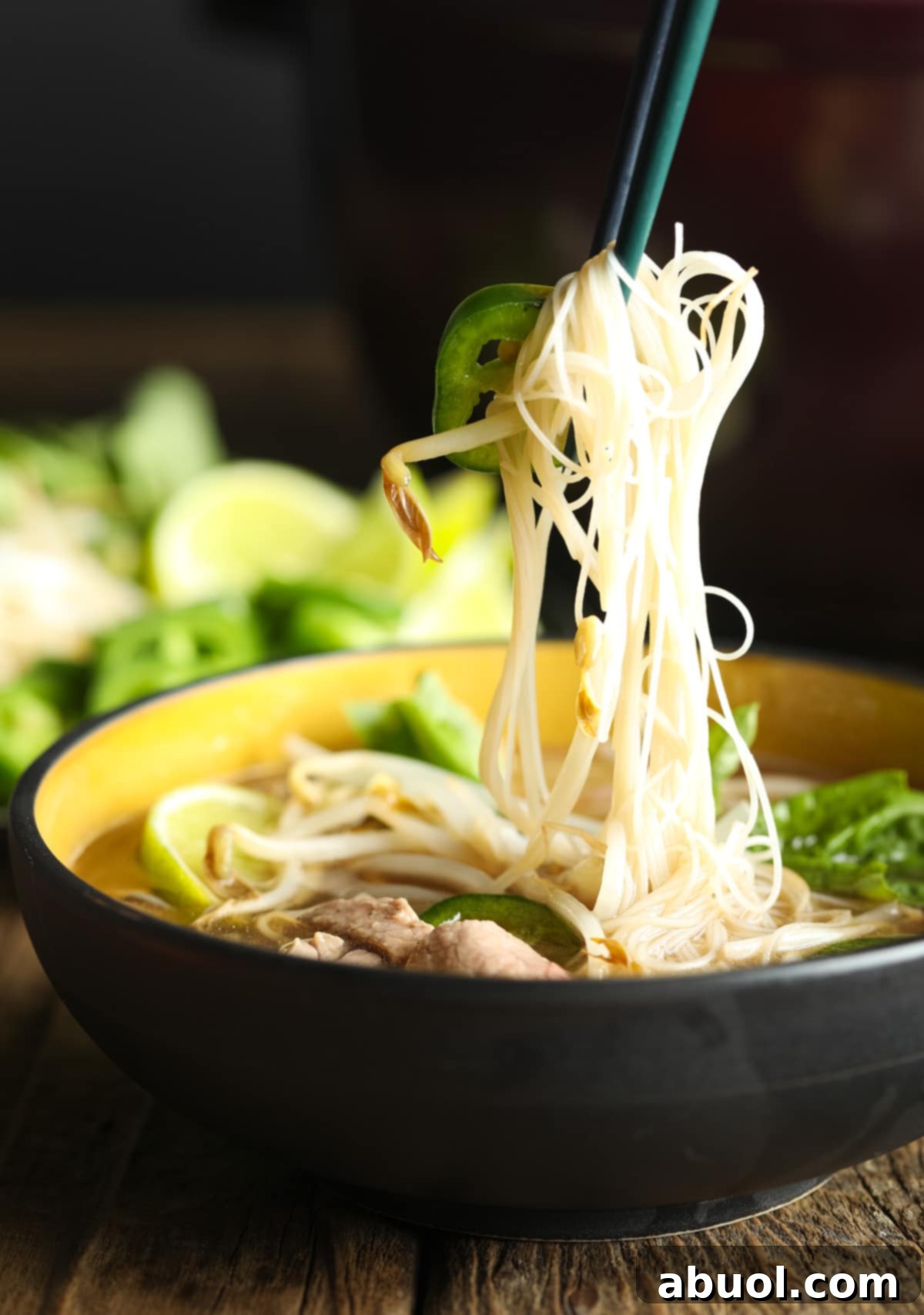
- Serve with authentic utensils. For the most authentic and enjoyable eating experience, present your pho with both chopsticks for the noodles and meat, and a large ceramic spoon for savoring the exquisite broth.
- Let the broth simmer! This cannot be stressed enough: the secret to an incredibly flavorful pho lies in the simmering time. The longer you allow the broth to gently simmer, the more the complex spices and aromatics will infuse the liquid, resulting in a deeper, more robust flavor. Don’t rush this step!
- Flash-freeze the steak. A quick 30-minute flash-freeze on the flank steak makes it much easier to slice against the grain into those characteristic paper-thin pieces, ensuring tender, quick-cooking beef.
- Prepare ahead. The broth can be made a day or two in advance and stored in the refrigerator. This allows the flavors to meld even further and significantly cuts down on prep time on the day of serving.
Get the Complete (Printable) Low Carb Vietnamese Pho Soup Recipe Below. Enjoy!
Frequently Asked Questions About Low-Carb Pho
What is Pho?
Pho (pronounced “fuh”) is a fragrant Vietnamese noodle soup that holds the esteemed status of being Vietnam’s national dish. It typically features a clear, aromatic broth, traditional rice noodles (or low-carb alternatives like shirataki noodles in this recipe), fresh herbs, a variety of vegetables, and thinly sliced meats such as beef (pho bo) or chicken (pho ga). Its distinct flavor profile comes from a blend of spices like star anise, cinnamon, and cloves, making it a truly unique and comforting culinary experience.
How long does this low-carb pho soup last?
This low-carb pho soup can be safely stored in your refrigerator for up to 5 days. For optimal freshness and to prevent the noodles from becoming mushy, it is crucial to store the broth, cooked meats, noodles, and fresh toppings in separate, airtight containers. When you’re ready to enjoy it again, simply reheat the broth gently on the stovetop, then add the noodles and meat to warm through, and finish with fresh garnishes for a bowl that tastes almost as good as freshly made.
Can I make this pho in a slow cooker?
Absolutely! The slow cooker is an excellent tool for developing a deeply flavorful pho broth with minimal effort. To adapt this recipe for a slow cooker, first, make sure to sauté the vegetables and spices on the stovetop as directed in step 1. This crucial step helps to unlock their maximum flavor. Once sautéed, transfer the aromatics to your crockpot, add the liquids and fish sauce, and let the broth slow cook on a low setting for 8 to 12 hours. This extended simmering time allows the flavors to truly meld and deepen. After the broth is cooked, proceed with step 4 of the recipe, skimming the aromatics before adding the noodles and beef for serving.
Can I make this pho in an Instant Pot?
Yes, you can certainly use an Instant Pot to significantly cut down on the broth’s cooking time while still achieving a rich flavor. Use the ‘Sauté’ function to brown the vegetables and spices as in step 1. Then, add the liquids and seasonings, secure the lid, and cook on high pressure for 30-45 minutes, followed by a natural pressure release for at least 15 minutes. This method speeds up the process without sacrificing depth of flavor, making homemade pho even more accessible on a weeknight.
Explore More Amazing Healthy SoupRecipes
- Wor Wonton Soup
- Chicken Detox Soup
- Mom’s Epic Beef Stew
- Greek Lemon Chicken Soup
- Lean Green Chicken Soup
- Spicy Thai Soup
- Tomato White Bean Soup
We hope this detailed guide empowers you to create an exquisite Low Carb Vietnamese Pho Soup in your own kitchen. This recipe offers a delightful culinary journey, combining rich flavors with healthy dietary considerations. Please find the complete, printable recipe card below for precise measurements, timings, and nutrition information. We encourage you to try this recipe, share your creations, and connect with us on Facebook, Instagram, and Pinterest!
Print Recipe
Leave a Review »
Healthy Vietnamese Pho Soup Recipe
Ingredients
- 1 tablespoon coconut oil
- 2 inch piece of fresh ginger, sliced
- 1 large onion, peeled and quartered
- 5 cloves garlic, smashed
- 5 cinnamon sticks
- 3 whole star anise
- 10 cloves
- 4 cardamom pods, smashed
- 12 cups water
- 2 cups beef broth
- 2 tablespoon fish sauce (gluten free)
- 1 tablespoon palm sugar (omit for keto)
- 1 pound flank steak
- 1 pound shirataki noodles
- 4 ounces mung bean sprouts
- 2 jalapeños, sliced
- 1 cup fresh basil leaves
- 1 lime, cut into wedges
Instructions
-
Place a large stock pot over medium heat. Add the coconut oil, onion wedges, ginger, garlic, cinnamon, star anise, cloves, and cardamom. Sauté the onions and spices for about 10 minutes, stirring to brown the onions on all sides.
-
Pour in the water, beef broth, fish sauce, and sugar. Bring to a simmer. Then lower the heat if needed, and simmer for at least 60 minutes. (P.S. Fish sauce has a funky aroma, but tastes amazing! Don’t skip it.)
-
Meanwhile, flash-freeze the flank steak for 30 minutes. It should be frozen on the outside, yet still mostly thawed on the inside. Then slice the steak against the grain into paper-thin pieces.
-
Use a skimmer to pull all the onions, and spices out of the broth. Then arrange the mung bean sprouts, sliced jalapeno, lime wedges and basil on a serving plate.
-
Add in the noodles to the broth and cook for 2-3 minutes, or according the the package instructions.
-
Turn off the heat and stir in the thin pieces of beef. They should be thin enough to cook in the hot broth without additional heat.
-
Scoop the pho into bowls and allow guests to add their own veggie garnishes.
Notes
B. If “low carb” is not necessary for your diet, rice noodles are traditional.
C. The longer the broth cooks the better. You can turn the heat down to low and allow it to simmer for 2 hours. Or make it a day ahead for intensified flavor, before adding the noodles and beef.
D. Slow Cooker Pho Soup:
Yes, you can make this recipe in a crockpot. Make sure to sauté the vegetables and spices on the stove top first. Then slow cook the broth up to 12 hours on low, before moving onto to step 4.