
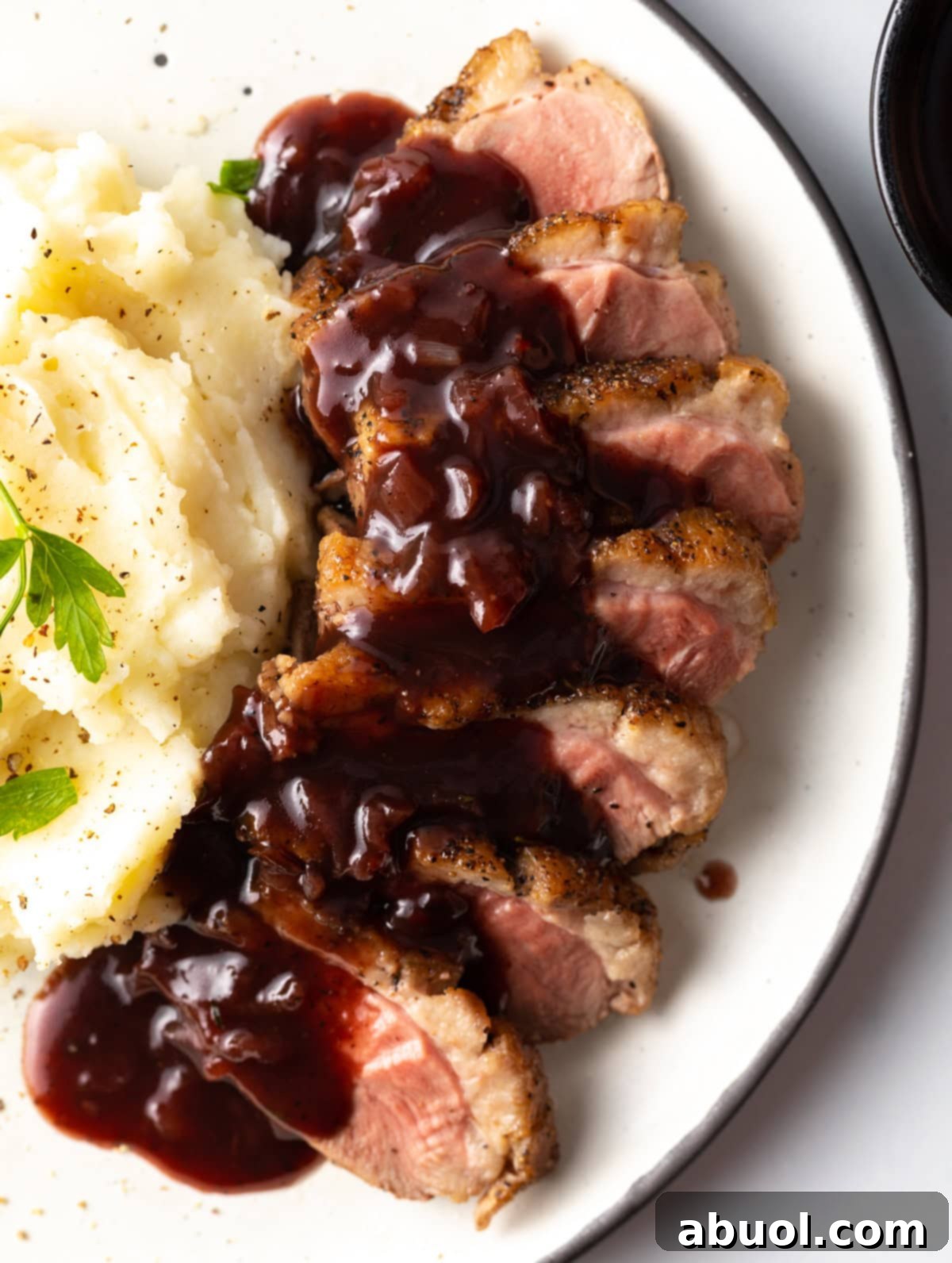
Mastering Pan-Seared Duck Breast: A Gourmet Recipe for Crispy Skin and Succulent Meat
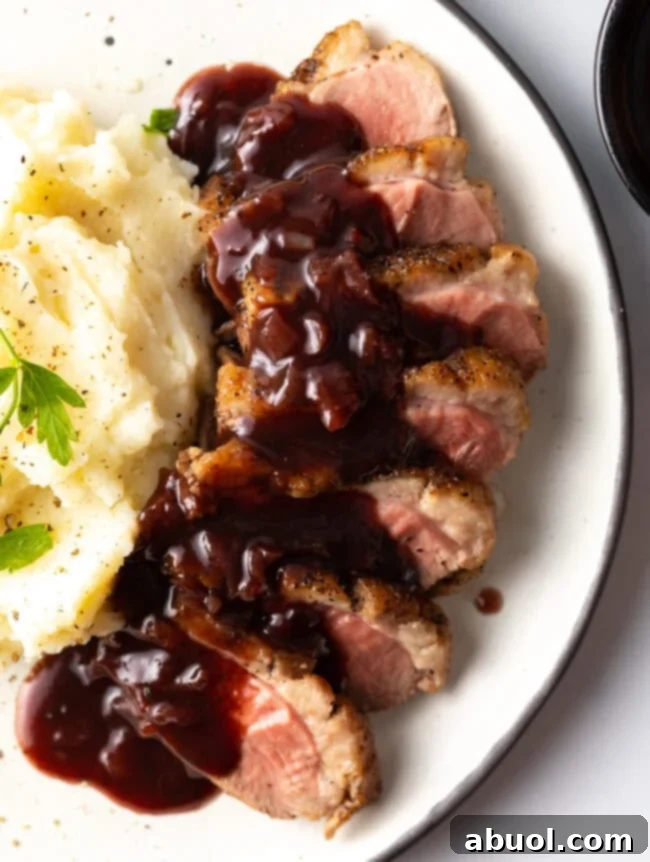
Pan-Seared Duck Breast: Achieve Culinary Perfection at Home
Imagine a dish so elegant, so flavorful, yet surprisingly simple to prepare that it instantly elevates any meal to a gourmet experience. That’s the magic of pan-seared duck breast. Often considered a delicacy reserved for fine dining, learning how to cook duck breast perfectly at home is more accessible than you might think. This comprehensive guide will equip you with all the knowledge and techniques to create a show-stopping duck breast with irresistibly crispy skin and tender, succulent meat, leaving your dinner guests — and perhaps even yourself — utterly impressed.
Have you ever truly examined a raw duck breast? It’s a culinary marvel in itself. Envision a rich, dark red sliver of meat crowned with a surprisingly thick layer of glistening fat. This isn’t just any fat; it’s a treasure trove of flavor waiting to be unleashed. As you gently sear the duck breast, this generous layer of fat slowly renders away, transforming into a delicate, golden, and incredibly crispy crust. What remains in your pan is a generous pool of “liquid gold” – the precious duck fat, ready to be saved and repurposed for future culinary adventures. Simultaneously, the underlying meat plumps up, becoming a tender, juicy red meat sensation that some gourmands argue surpasses even the finest beef fillet in richness and depth.
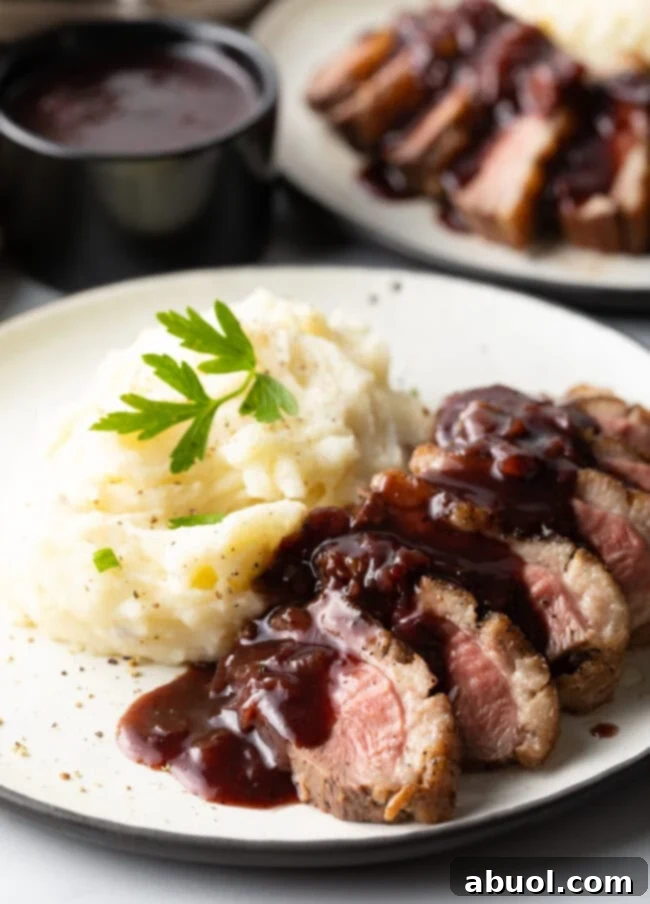
Why Duck Breast Deserves a Spot on Your Table
Many home cooks shy away from duck, intimidated by the thought of roasting a whole bird or simply unsure of how to cook duck breasts. This hesitation is truly a missed opportunity! Duck breasts are remarkably easy to prepare and offer a luxurious, deeply flavorful experience that is unparalleled. Their rich, savory taste and velvety texture make them an ideal centerpiece for special occasions, holidays, or any time you want to add a touch of sophistication without spending hours in the kitchen. It’s quick cooking with a huge impact, making it a perfect choice when you want to impress without the stress.
Beyond its gourmet appeal, duck breast also offers nutritional benefits. While it’s often perceived as a fatty meat, much of the fat is concentrated in the skin and easily rendered away during cooking. The meat itself is rich in protein, iron, and B vitamins. Furthermore, the monounsaturated fat found in duck is considered a “healthy” fat, similar to that found in olive oil, contributing to its reputation as a superior cooking medium. Choosing duck breast allows you to indulge in a truly decadent meal that also offers a good source of essential nutrients.
Sourcing and Preparing Your Duck Breast
For the best results, look for high-quality Magret duck breasts, typically from ducks raised for foie gras, which are known for their thicker fat cap and richer meat. These usually weigh between 12-16 ounces each. If Magret isn’t available, other types of duck breast will also yield delicious results. Ensure your duck breasts are fresh and have a firm, intact fat layer.
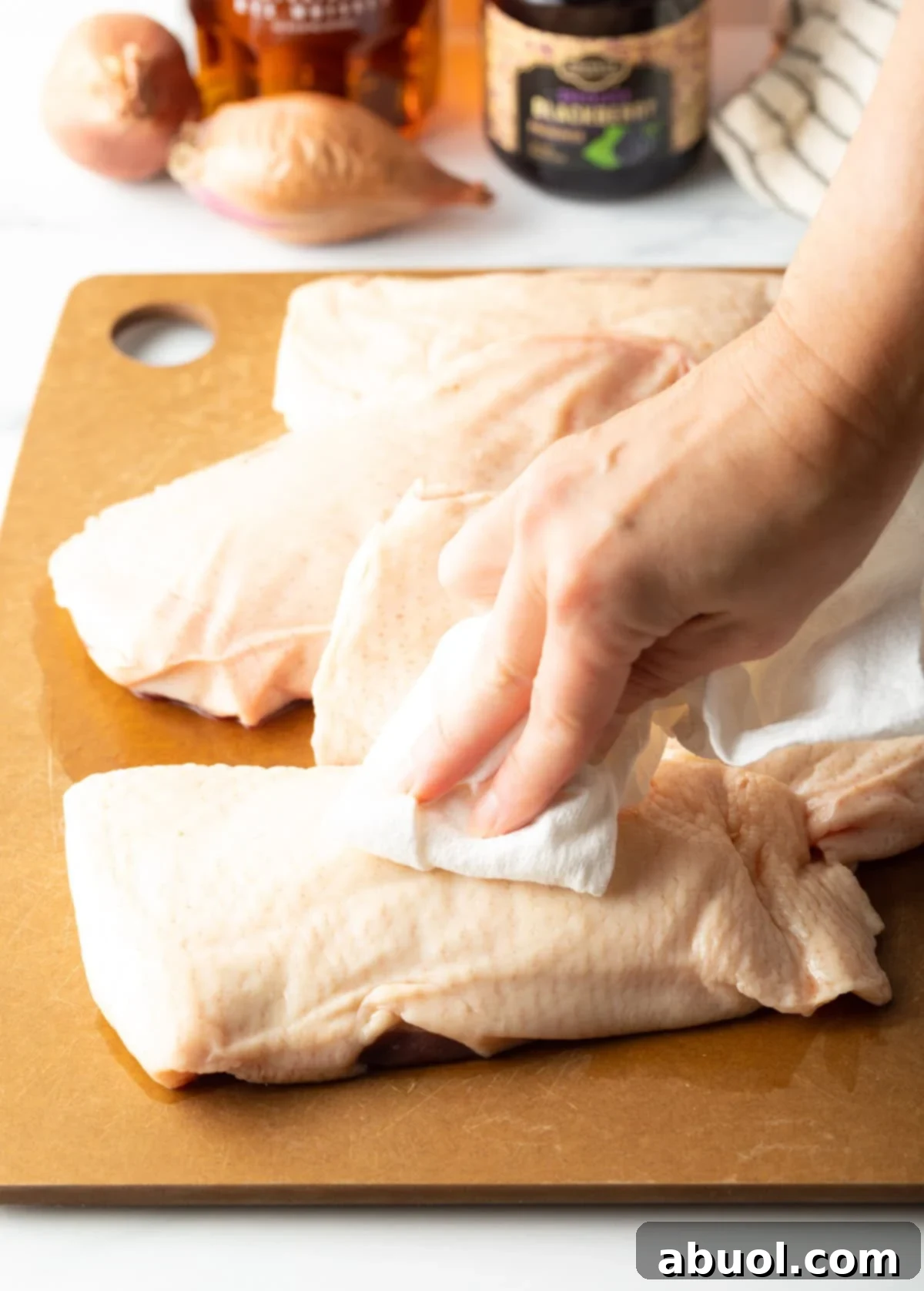
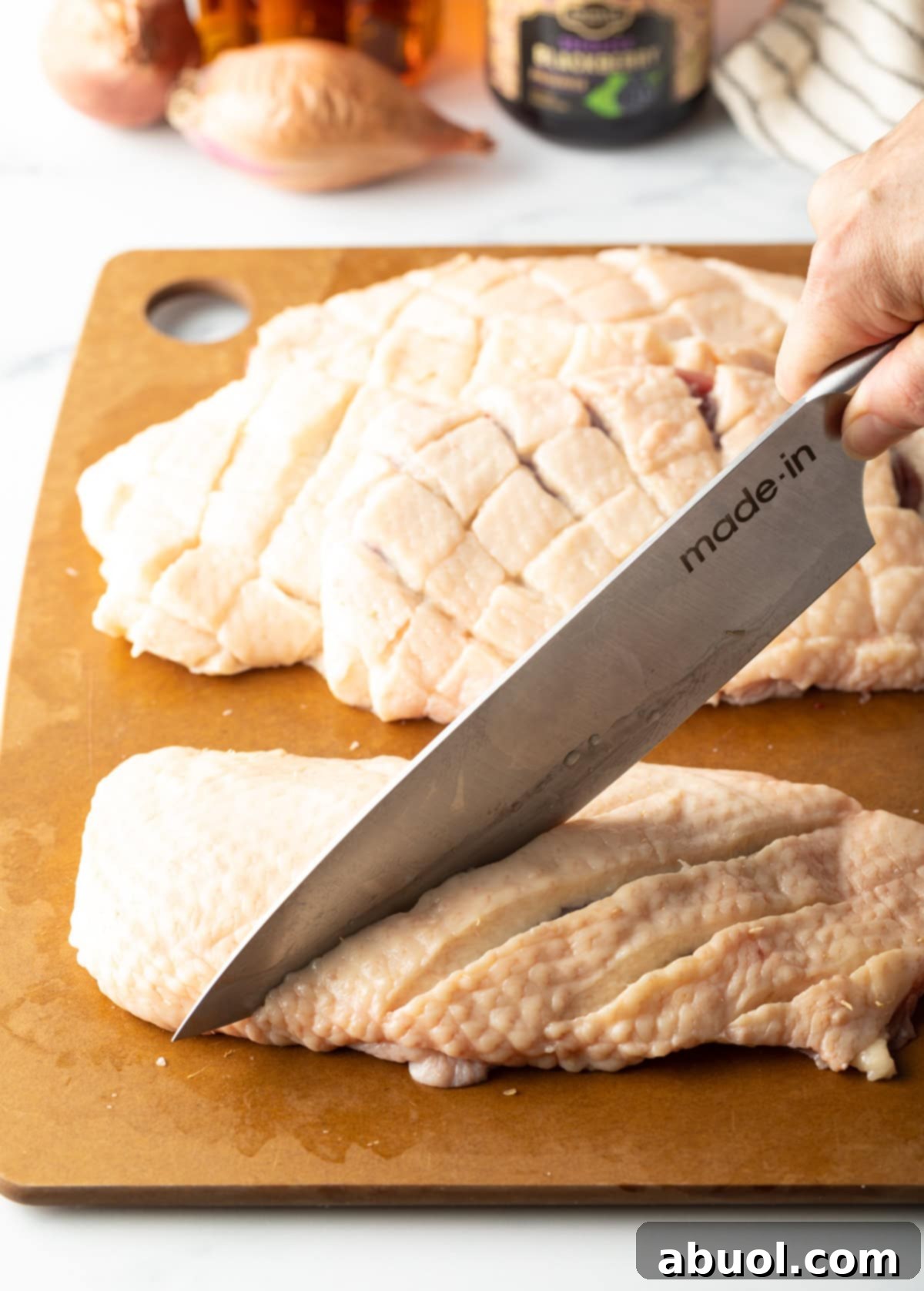
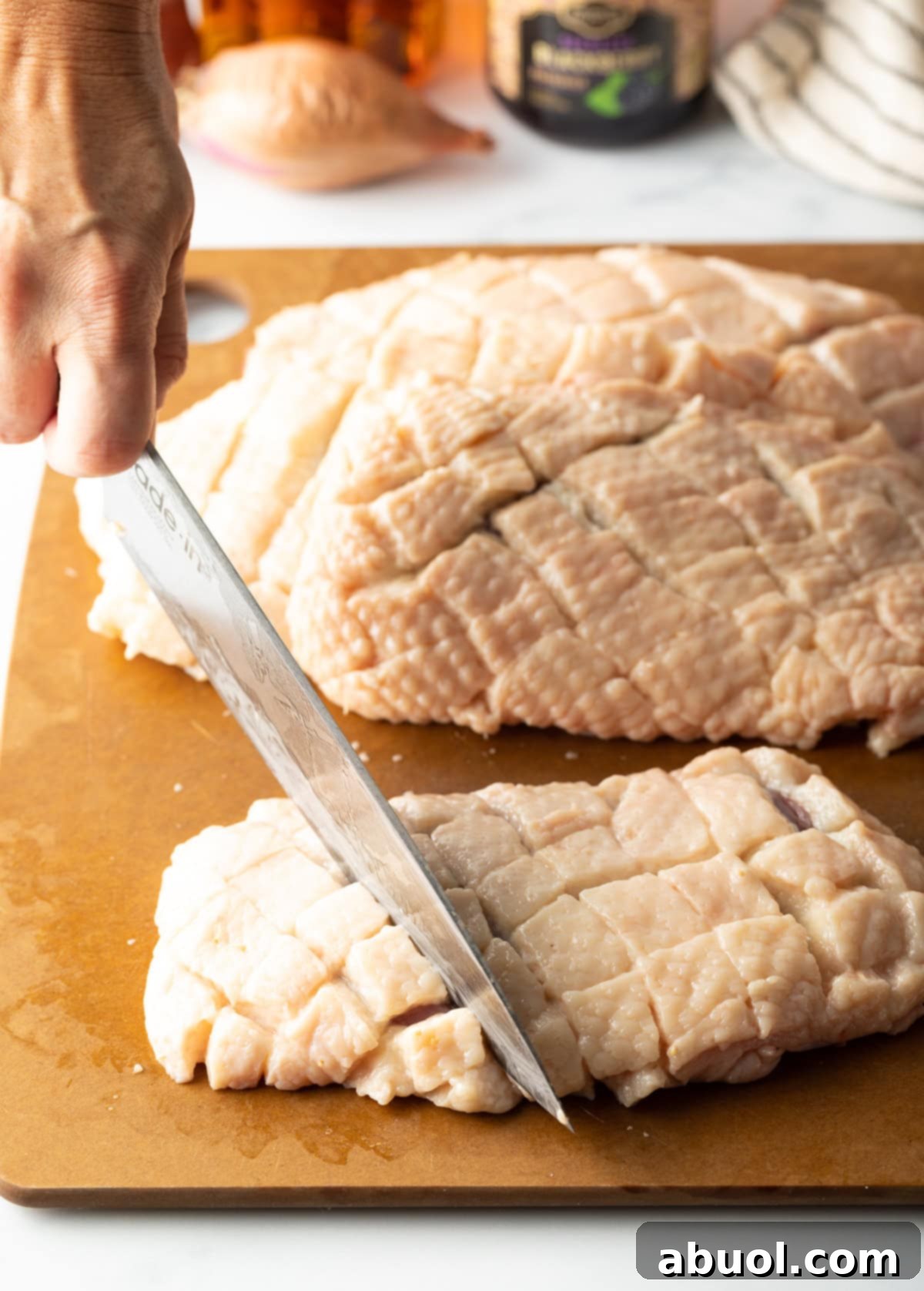
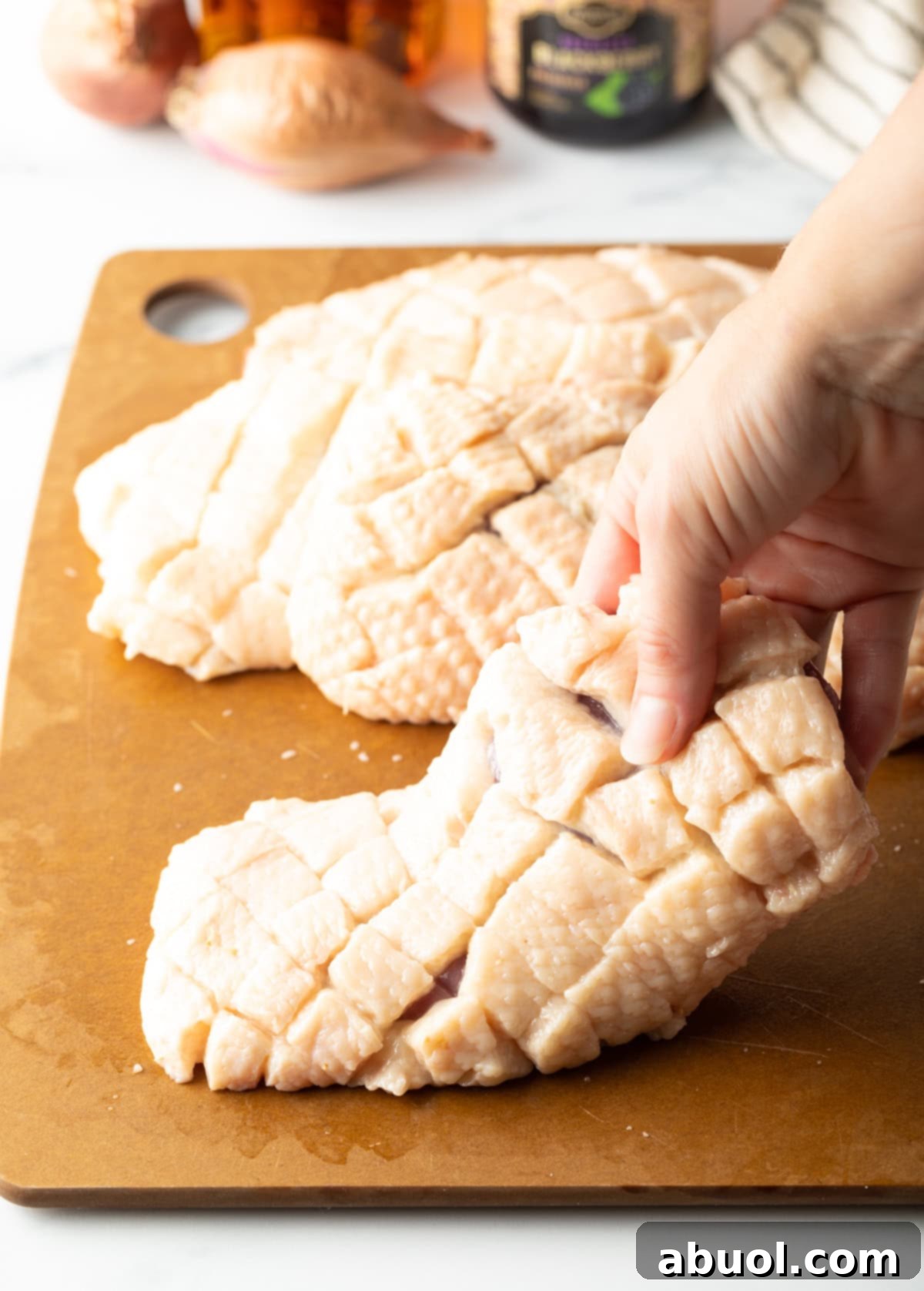
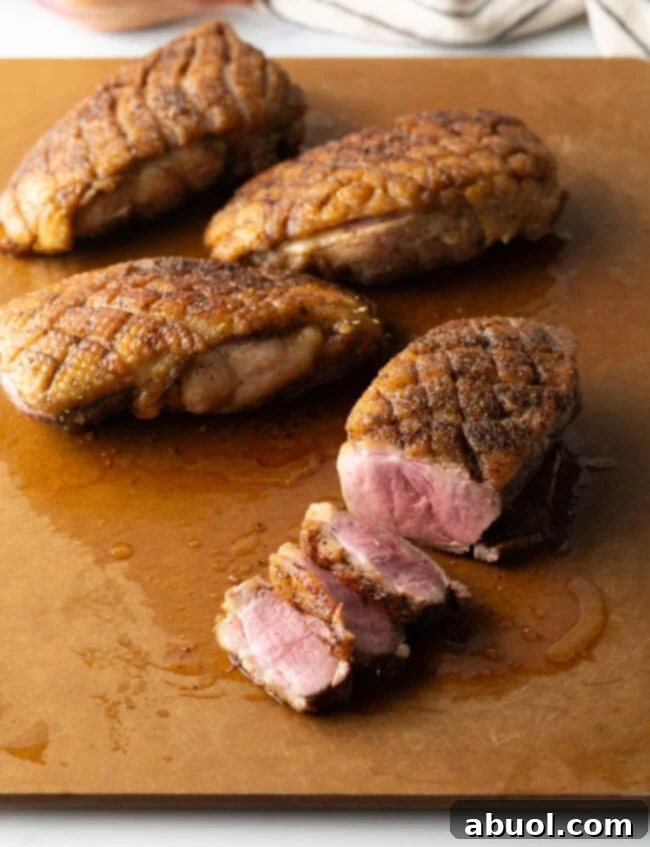
Proper preparation is key to achieving that coveted crispy skin. First, thoroughly pat the duck breasts dry with paper towels. Any moisture on the skin will steam rather than crisp. Next, and this is a crucial step, score the fat layer. Using a sharp knife, make shallow, parallel cuts through the fat, down to the flesh, but without cutting into the meat itself. Then, make a second set of parallel cuts perpendicular to the first, creating a criss-cross or diamond pattern. This scoring allows the fat to render more efficiently and prevents the skin from shrinking too much, ensuring maximum crispiness. Season generously with salt and freshly ground black pepper on both sides.
The Magic of Rendered Duck Fat: Don’t Waste a Drop!
As for the precious rendered duck fat, under no circumstances should you discard it! Duck fat is highly revered by chefs and home cooks alike as a superior cooking medium. It imparts an intense, savory flavor to anything it touches, possesses a high smoking point (making it excellent for high-heat cooking), and is considered one of the healthiest animal fats, often compared favorably to olive oil for its beneficial monounsaturated fatty acids.
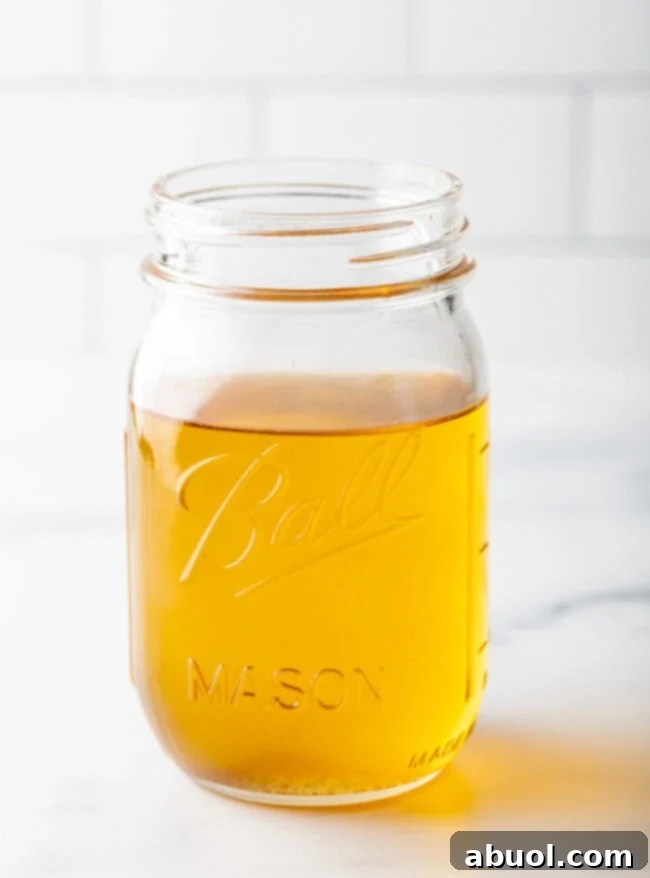
Once you’ve finished searing the duck breast, allow the fat in the pan to cool slightly but still remain liquid. Carefully pour this “liquid gold” into a clean, heat-proof glass container. Store it in the refrigerator, where it will solidify into a creamy, pale yellow substance, ready for countless culinary applications. Properly stored, duck fat can last for several weeks in the fridge or even months in the freezer.
A word of caution from personal experience: last winter, in a rush while searing duck for a party, I absentmindedly poured the still-boiling hot duck fat into a plastic container. The outcome was disastrous – the molten fat instantly melted through the plastic, cascading over my countertop and down the cabinets. Standing there in a stunned stupor, my tears weren’t for the mess (though considerable!), but for the tragic loss of that precious, delicious duck fat. Yes, it truly is that good!
So, what can you do with this culinary gold? The possibilities are endless:
- Crispy French Fries and Shoestring Fries: Fry potatoes in duck fat for an unparalleled depth of flavor and incredible crispiness.
- Roasted Vegetables: Toss Brussels sprouts, potatoes, carrots, parsnips, or sweet potatoes with duck fat before roasting for caramelized edges and rich taste.
- Ultimate Grilled Cheese: Use duck fat instead of butter to grill your sandwich for an unexpectedly gourmet twist.
- Confit: While traditionally made with duck legs, you can confit garlic or other vegetables in duck fat for intense flavor.
- Sautéing: Use it to sauté greens, mushrooms, or any vegetable for an instant flavor upgrade.
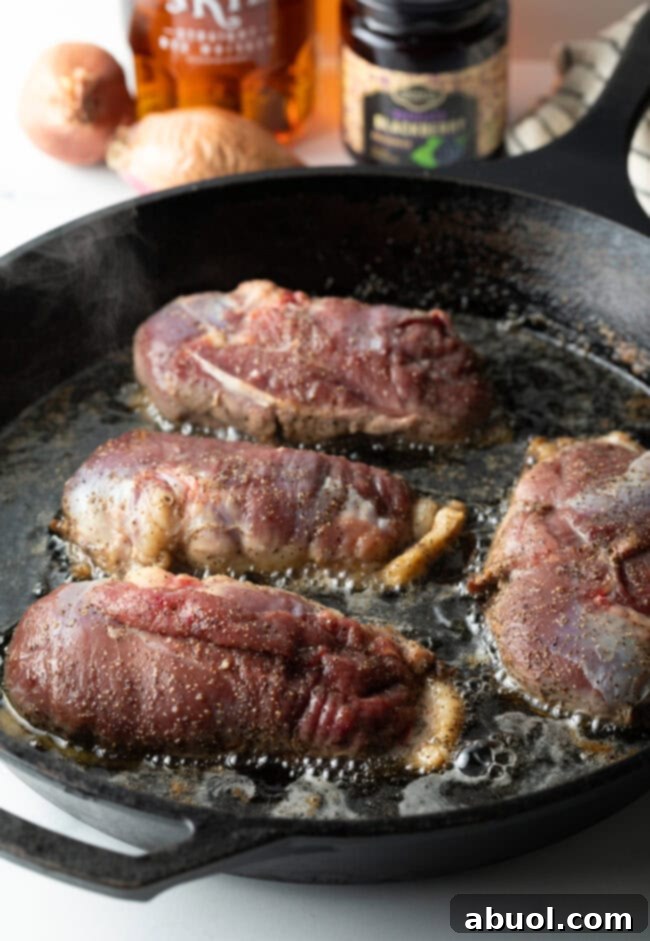
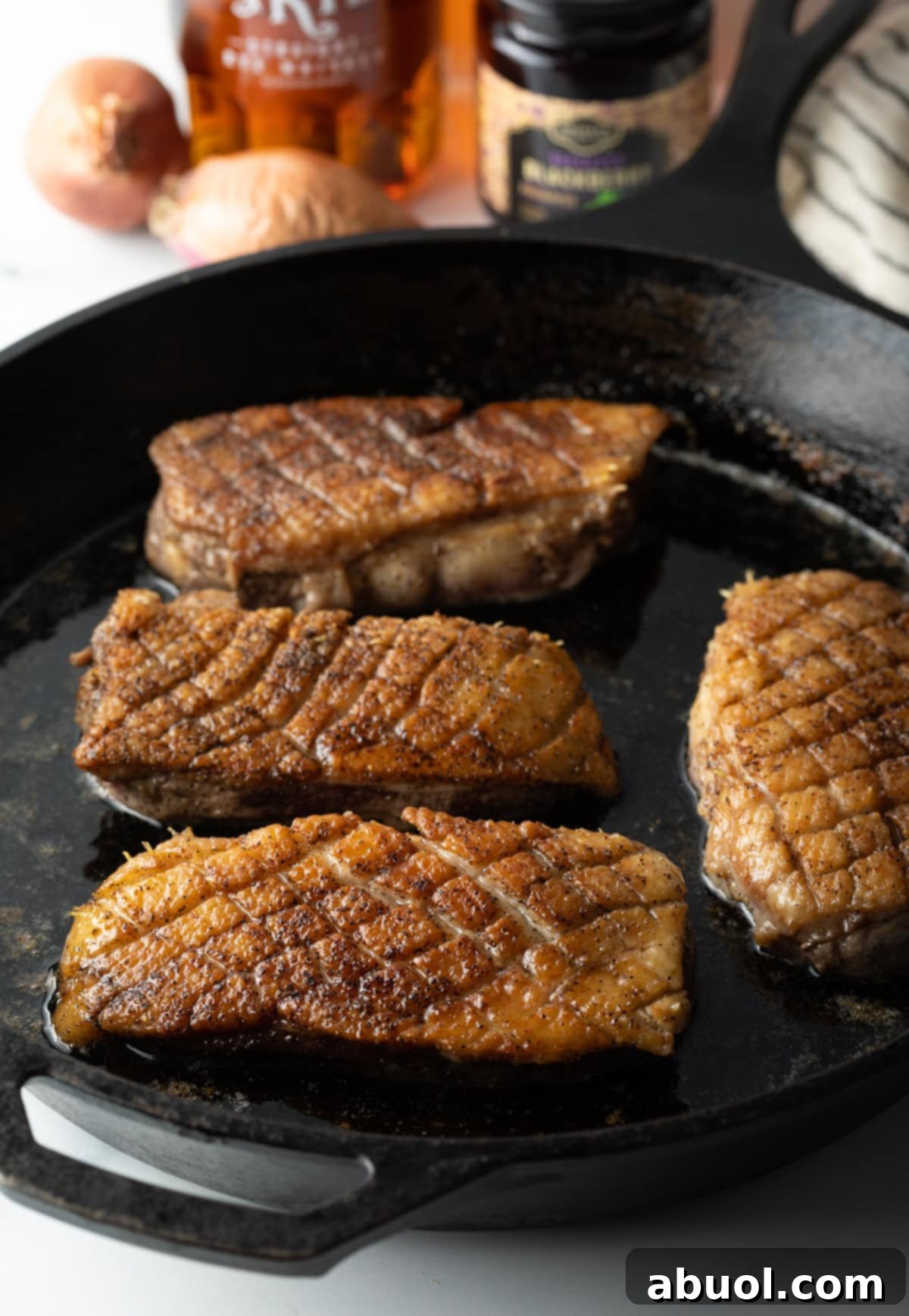
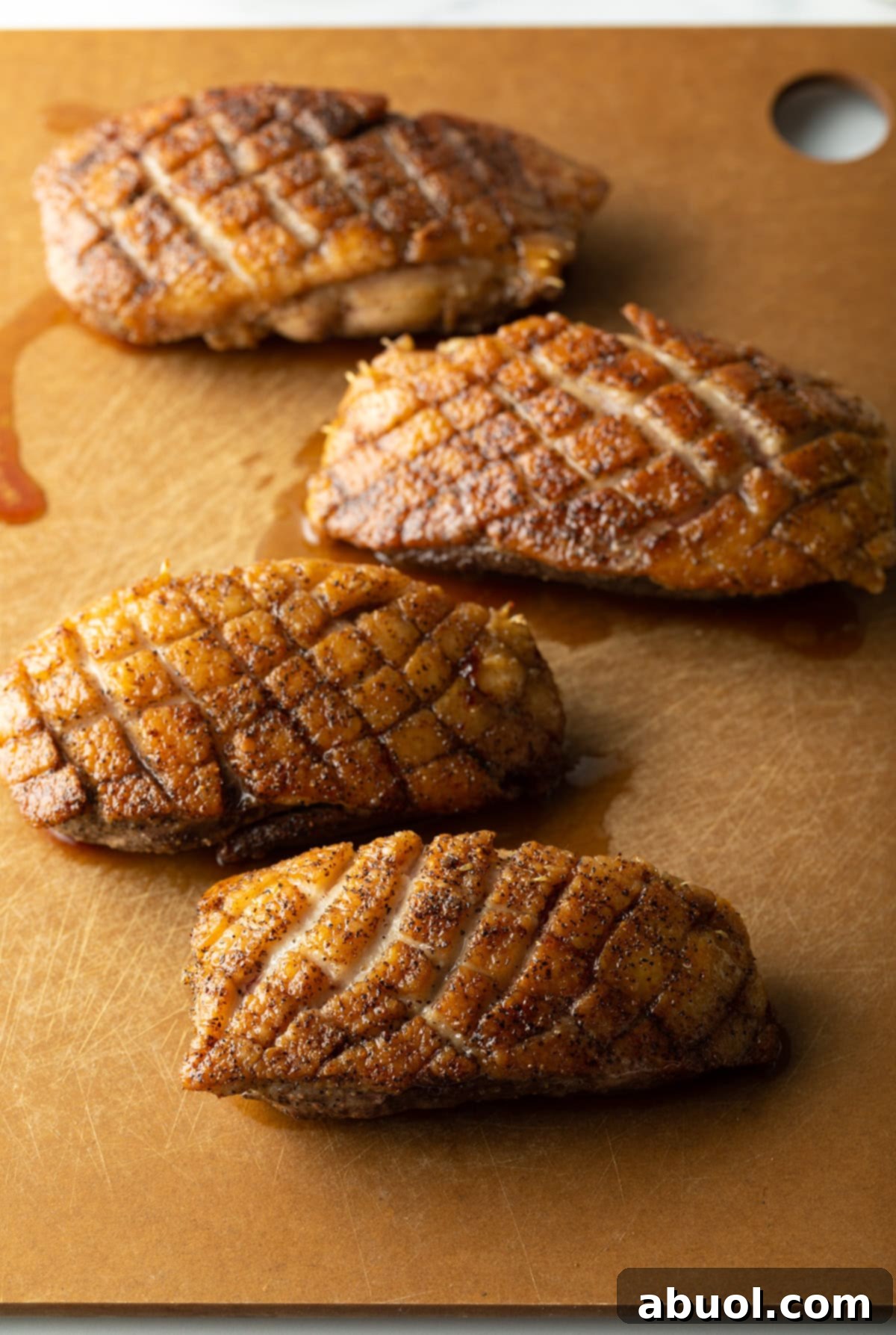
Ingredients for Pan-Seared Duck Breast with Blackberry Sauce
This recipe features a vibrant blackberry pan sauce that perfectly complements the richness of the duck. Here’s what you’ll need:
- For the Duck:
- 2 Magret Duck Breasts, about 12-16 ounces each
- Salt and freshly ground Black Pepper, to taste
- For the Blackberry Pan Sauce:
- 2 Shallots, peeled and finely diced
- ½ cup high-quality Blackberry Jam
- 2 teaspoons All-Purpose Flour (or cornstarch for gluten-free)
- ¼ cup Bourbon (or balsamic vinegar for an alcohol-free alternative)
- 2 cups Beef Stock (low sodium preferred)
- Pinch of Crushed Red Pepper flakes (adjust to your spice preference)
- 1 tablespoon Fresh Thyme Leaves, finely chopped
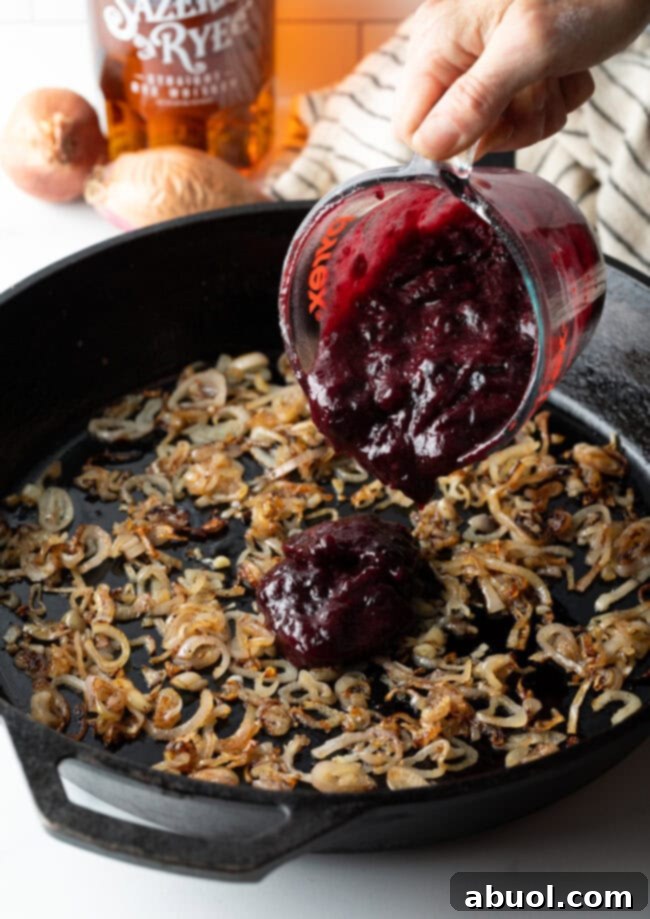
Step-by-Step Guide: How to Cook Duck Breast to Perfection
Follow these simple steps to achieve a perfectly cooked, tender duck breast with wonderfully crispy skin every time:
- Prepare the Duck Breasts: Begin by thoroughly patting the duck breasts dry with paper towels. Using a very sharp knife, score the fat cap in a criss-cross pattern, cutting just through the fat layer without piercing the meat. This ensures even rendering and maximum crispiness. Season generously on both sides with salt and freshly ground black pepper.
- Start Searing (Fat Side Down): Place a large, heavy-bottomed skillet (cast iron or stainless steel works best) over MEDIUM-LOW heat. Place the seasoned duck breasts, fat side down, into the COLD skillet. This allows the fat to render slowly and evenly, preventing the skin from burning before the fat has rendered.
- Render the Fat: Cook the duck breasts, fat side down, for 10-12 minutes. You’ll notice the fat slowly melting away and collecting in the pan. A beautiful dark golden-brown crust should form on the skin. Keep an eye on the heat; if it’s too high, the fat will burn. Adjust as necessary.
- Flip and Finish Cooking: Once the fat is rendered and the skin is crispy and golden, flip the breasts to the flesh side. Cook for another 6-10 minutes for medium-rare meat (an internal temperature of 130-135°F / 54-57°C). For smaller breasts, this might only take 4-6 minutes. Use a meat thermometer for accuracy.
- Rest the Meat: Remove the duck breasts from the pan and immediately tent them loosely with aluminum foil. Allow them to rest for at least 5-10 minutes. Resting is crucial; it allows the juices to redistribute throughout the meat, resulting in a more tender and flavorful finished product.
- Prepare the Pan Sauce: While the duck rests, carefully pour the rendered duck fat from the skillet into a heat-proof glass container for later use (remember the safety tips!). Leave about 1 tablespoon of fat in the pan. Raise the heat to medium. Add the diced shallots to the pan and sauté for 3-5 minutes until softened and lightly browned, scraping up any delicious browned bits from the bottom of the pan.
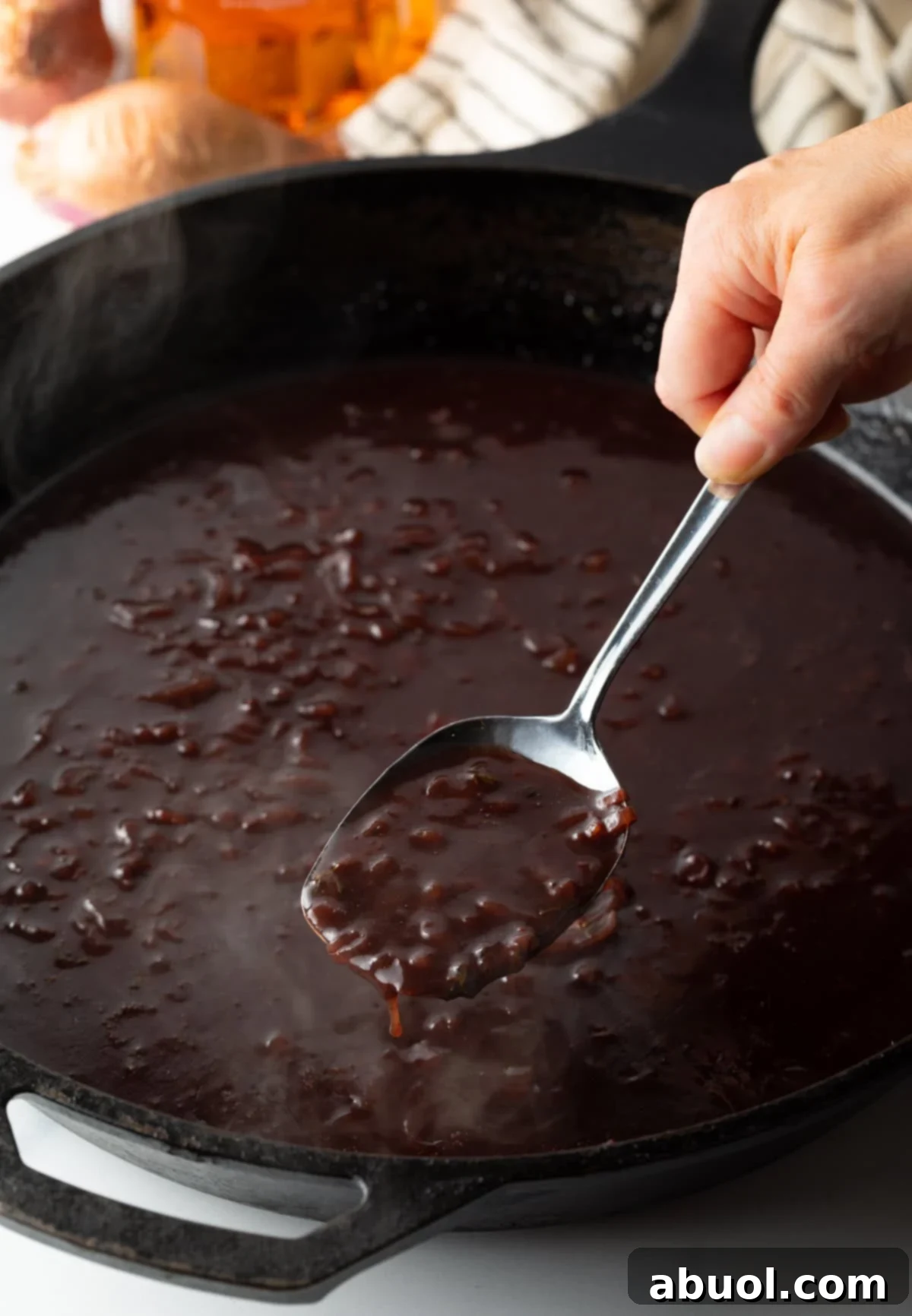
- Build the Sauce: In a small bowl, whisk the all-purpose flour into the blackberry jam until smooth. Add this mixture to the skillet with the shallots, stirring continuously. Pour in the bourbon (or balsamic vinegar) and beef stock. Add the crushed red pepper flakes and fresh thyme leaves. Stir well to combine.
- Simmer and Thicken: Bring the sauce to a low boil, then reduce the heat and simmer for 5 to 7 minutes, stirring occasionally, until the sauce thickens to your desired consistency. Taste and adjust seasoning with salt and pepper as needed.
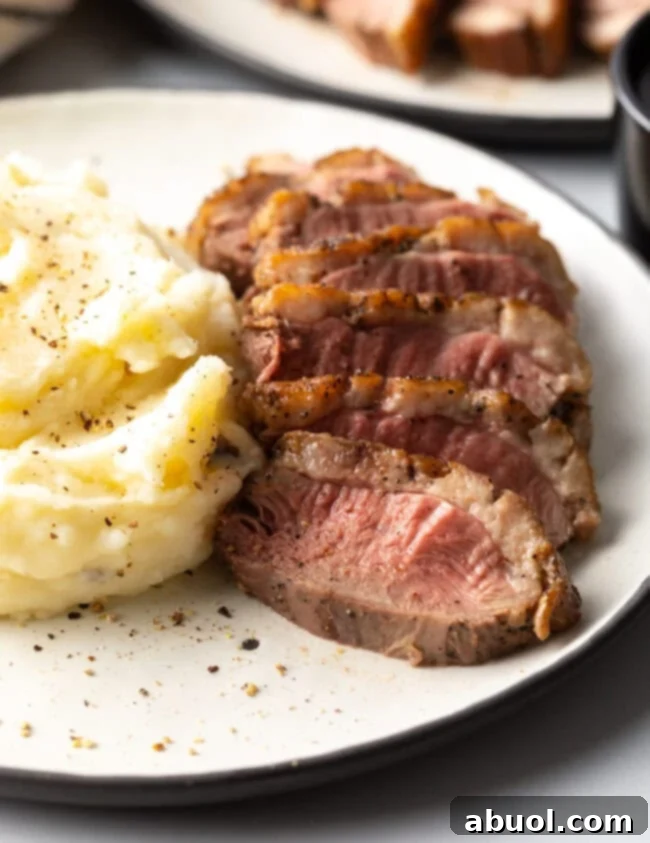
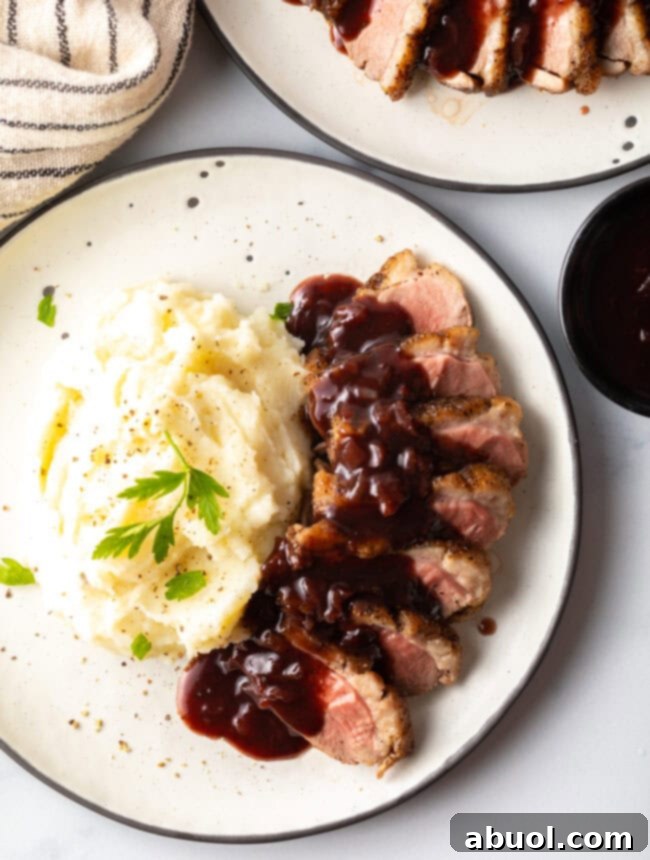
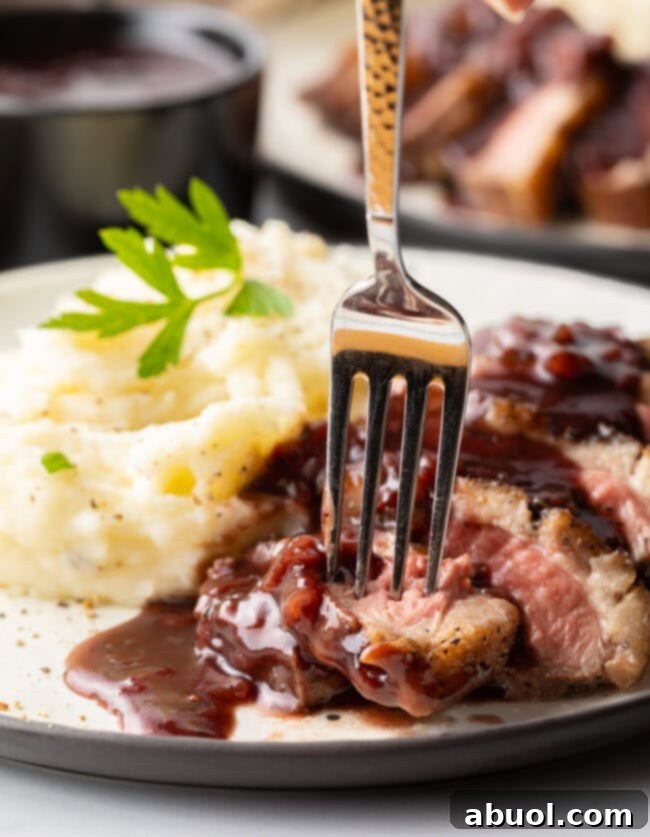
- Slice and Serve: With a sharp knife, slice the rested duck breasts thinly against the grain. Fan the slices elegantly on a platter or individual plates. Drizzle generously with the warm blackberry pan sauce and serve immediately.
Your Complete Pan-Seared Duck Breast Recipe with Blackberry Sauce
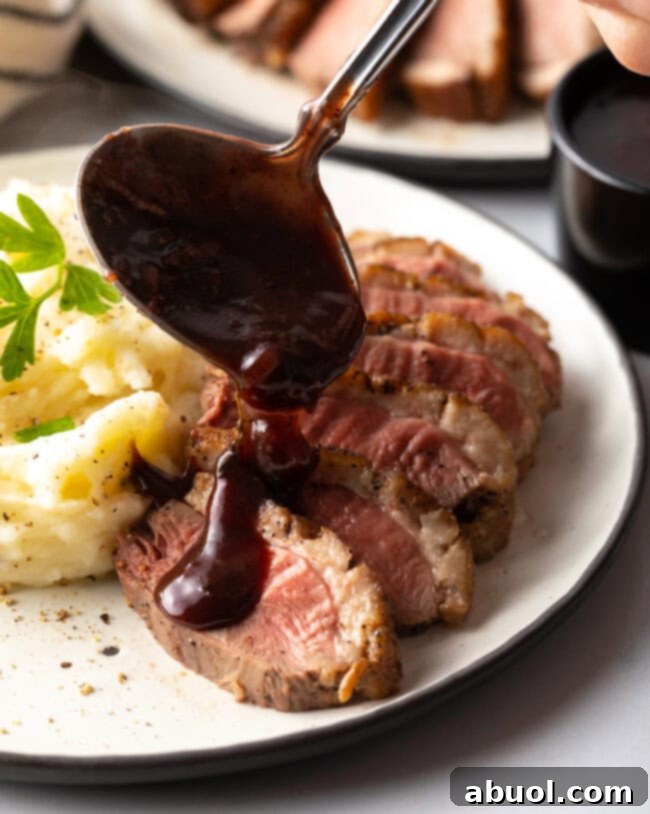

Pan-Seared Duck Breast with Blackberry Sauce
This is the BEST method for searing duck breast for a perfect medium-rare finish every time!
Prep Time: 10 minutes
Cook Time: 30 minutes
Total Time: 40 minutes
Servings: 4
Ingredients
- 2 Magret Duck Breasts (about 12-16 ounces each)
- 2 Shallots, peeled and diced
- ½ cup good blackberry jam
- 2 teaspoons all-purpose flour
- ¼ cup bourbon (or balsamic vinegar)
- 2 cups beef stock
- Pinch of crushed red pepper
- 1 tablespoon fresh thyme leaves
- Salt and pepper, to taste
Instructions
- Pat the duck breasts dry. Score the fat on the top of each breast, cutting down to the flesh.
- Heat a large skillet over MEDIUM-LOW. Salt and pepper the breast liberally.
- Place them in the skillet, fat side down, and render the fat for 10-12 minutes. A dark golden crust should form as the fat melts away.
- Flip the breasts and cook another 6-10 minutes for medium-rare meat (4-6 minutes for smaller breasts).
- Remove from the pan and tent with foil to rest.
- Carefully pour the rendered duck fat into a glass container to store for later use.
- Raise the heat in the pan to medium, and add the shallots. Sauté for 3-5 minutes to soften and brown.
- Mix the flour into the blackberry jam. Then add the jam mixture, bourbon, beef stock, red pepper, and thyme to the pan.
- Stir and bring to a low boil. Simmer for 5 to 7 minutes to thicken. Salt and pepper to taste.
- Slice the duck breasts thin with a sharp knife and serve topped with blackberry pan sauce.
Nutrition (per serving)
Calories: 322kcal, Carbohydrates: 34g, Protein: 25g, Fat: 5g, Saturated Fat: 2g, Cholesterol: 87mg, Sodium: 317mg, Potassium: 610mg, Fiber: 1g, Sugar: 22g, Vitamin A: 145IU, Vitamin C: 14.5mg, Calcium: 33mg, Iron: 6.1mg
Course: Main Course
Cuisine: American
Author: Sommer Collier
Average rating: 5 stars (16 reviews)
Elevating Your Meal: What to Serve with Pan-Seared Duck Breast
The richness of pan-seared duck breast demands equally robust and complementary flavors from its side dishes. This recipe features a savory-sweet blackberry pan sauce with bourbon and shallots, which already provides an excellent balance. To further enhance the experience, consider pairing it with:
- Creamy Mashed Potatoes: A classic choice, our Best Mashed Potatoes or Mashed Sweet Potatoes provide a comforting contrast to the duck’s texture and absorb the delicious pan sauce beautifully.
- Roasted Root Vegetables: Carrots, parsnips, or potatoes roasted in a little duck fat offer earthy sweetness and a satisfying texture.
- Fresh Greens: A light, peppery arugula salad with a simple vinaigrette can cut through the richness of the duck.
- Crispy Brussels Sprouts: Our Crispy Fried Brussel Sprouts are an excellent choice, adding a bitter note and a delightful crunch.
- Air Fryer Asparagus: For a lighter, yet flavorful green, consider Garlic Butter Asparagus.
- Grain Salads: Options like Couscous Salad (with Pickled Vegetables) or Orzo Pasta Salad can add fresh, tangy elements.
For wine pairings, consider a Pinot Noir, Merlot, or a Syrah/Shiraz, which offer fruitiness and structure to complement the duck without overpowering it.
Frequently Asked Questions About Cooking Duck Breast
How Long Does Leftover Duck Breast Last?
In the unlikely event that you have any leftover duck meat, you can store this pan-seared duck breast in the refrigerator. Once it has cooled completely to room temperature, transfer it to an airtight container. It will remain fresh and delicious for up to 2 days.
What To Do With Leftover Duck Breast?
Leftover duck breast is a culinary gift! While simply reheating and serving with the blackberry sauce is an option, you can also get creative. Omit the sauce and serve the sliced breast in exciting new ways:
- Gourmet Tacos: Shred or slice the duck and serve it in warm tortillas with a tangy slaw and a drizzle of lime crema.
- Elevated Sandwiches: Layer thin slices on crusty bread with caramelized onions, spicy mustard, and a slice of gruyere for a luxurious sandwich.
- Charcuterie Board Addition: Add cold, thinly sliced duck breast to a sophisticated charcuterie board alongside olives, artisan cheeses, pickled vegetables, and crusty baguette.
- Salad Topper: Cube or slice the duck and add it to a fresh green salad for a hearty and flavorful lunch.
How To Reheat Cooked Duck Breast?
To reheat cooked duck breast without drying it out, first allow it to come to room temperature for about 10 minutes. Then, place the slices in a pan over medium-low heat. Cook gently until the outside is golden brown and the internal temperature reaches a safe and enjoyable 137°F (58°C). The reheating time will depend on the size and thickness of the leftover slices, but generally a few minutes per side should suffice.
Discover More Elegant Dinner Party Recipes:
If you’ve enjoyed mastering this duck breast recipe, explore these other impressive dishes perfect for entertaining or a special weeknight meal:
- Seared Scallops with Wilted Greens
- Smoked Meatloaf
- Standing Rib Roast
- Saffron Risotto (Risotto Milanese)
- Brown Sugar Glazed Ham
- Instant Pot Mushroom Risotto
- Steak Diane
- Brined Rack of Pork ~ Tidy Mom
- Slow Cooker Garlic Chicken ~ Recipe Girl