
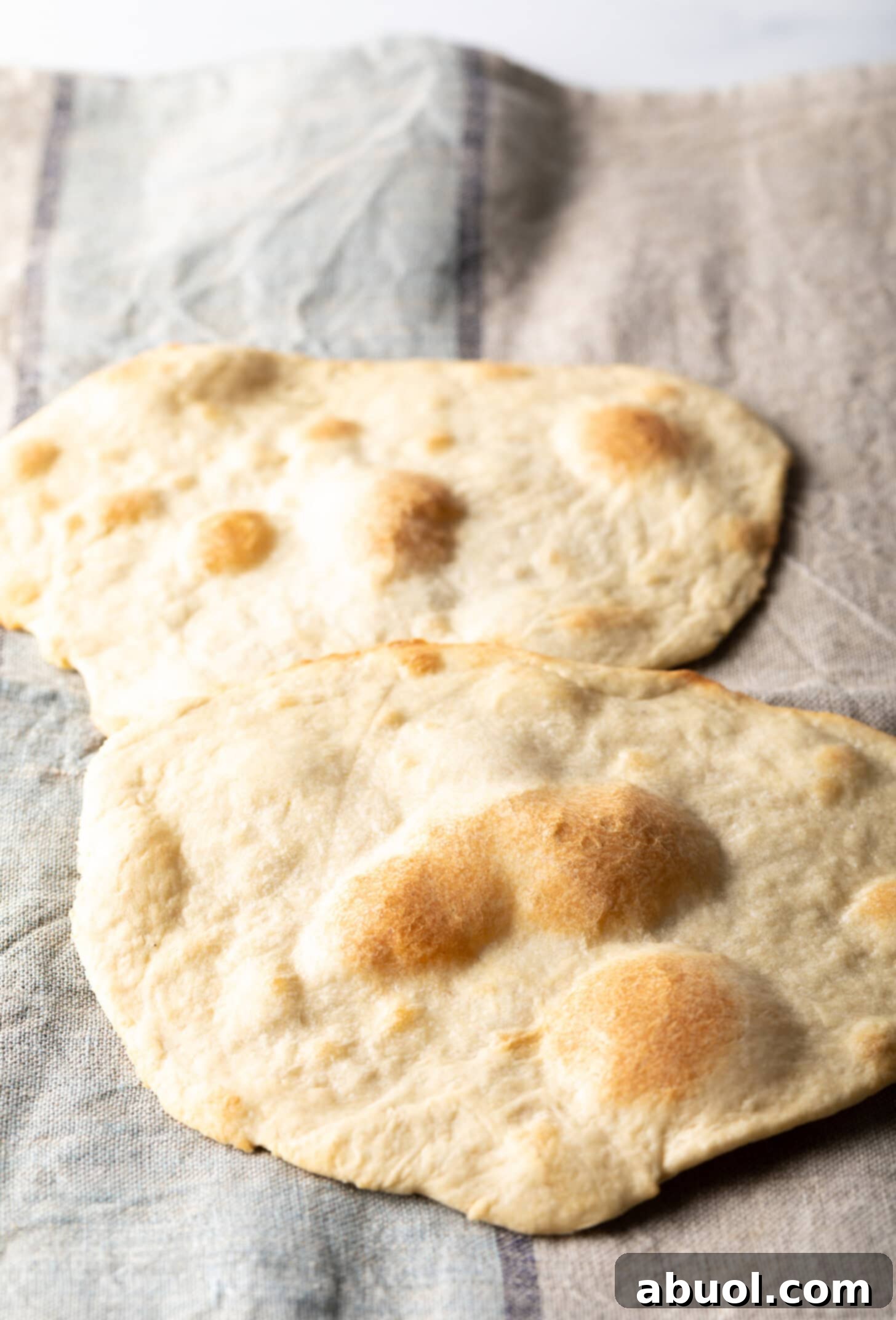
Unlock the secret to making delicious unleavened bread in just 20 minutes! This traditional flatbread recipe uses only 4 simple ingredients and requires no yeast, making it an incredibly quick and easy bake. Enjoy crisp, flavorful bread perfect for communion, tasty snack crackers, or a versatile base for countless meals.
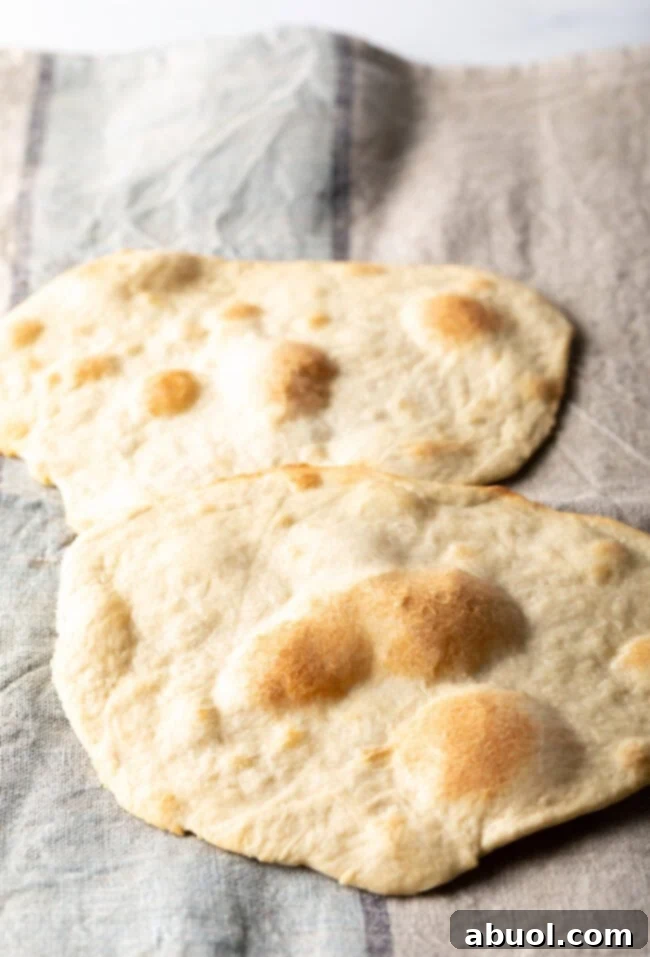
Unleavened Bread: Simple, Sacred, and Supremely Versatile
Unleavened bread holds a special place in history, culture, and cuisine across the globe. From its sacred significance in religious ceremonies to its everyday utility as a delicious flatbread, this ancient form of bread continues to be cherished. If you've ever thought making bread was too time-consuming or complicated, this unleavened bread recipe is here to change your mind. Requiring no yeast and just a handful of pantry staples, you can whip up fresh, flavorful flatbread in under 20 minutes!
This recipe provides a straightforward guide to creating perfectly crisp or tender unleavened bread, making it accessible for everyone, regardless of their baking experience. Whether you're preparing for a spiritual observance, looking for a healthy snack option, or need a quick base for your weeknight meals, this homemade unleavened bread is an absolute game-changer. It's a testament to the power of simplicity, delivering exceptional taste and texture without the fuss of leavening agents.
What Exactly Is Unleavened Bread?
At its core, unleavened bread is any type of bread that is prepared without the aid of rising agents like yeast, baking powder, or baking soda. The term "unleavened" literally means "not risen." Historically, unleavened bread was the earliest form of bread, made simply by grinding grain, mixing it with water, and cooking it. Before the discovery of yeast and other leavening methods, all bread was unleavened.
Today, you might be surprised to learn that many familiar flatbreads fall into this category. Think about the soft naan bread often served with Indian curries, the thin, versatile tortillas used in Mexican cuisine, or the staple chapatis and rotis found throughout South Asia. All these delicious varieties, when made without leavening, are technically forms of unleavened bread. This specific recipe focuses on a thin, crisp version, similar to a cracker or a delicate flatbread.
Why Bake Unleavened Bread?

There are numerous compelling reasons to embrace the art of making unleavened bread. For many, its primary appeal lies in its quick preparation time. Without yeast to wait on, you can go from mixing bowl to freshly baked bread in just minutes. This makes it an ideal option for busy weeknights or unexpected guests.
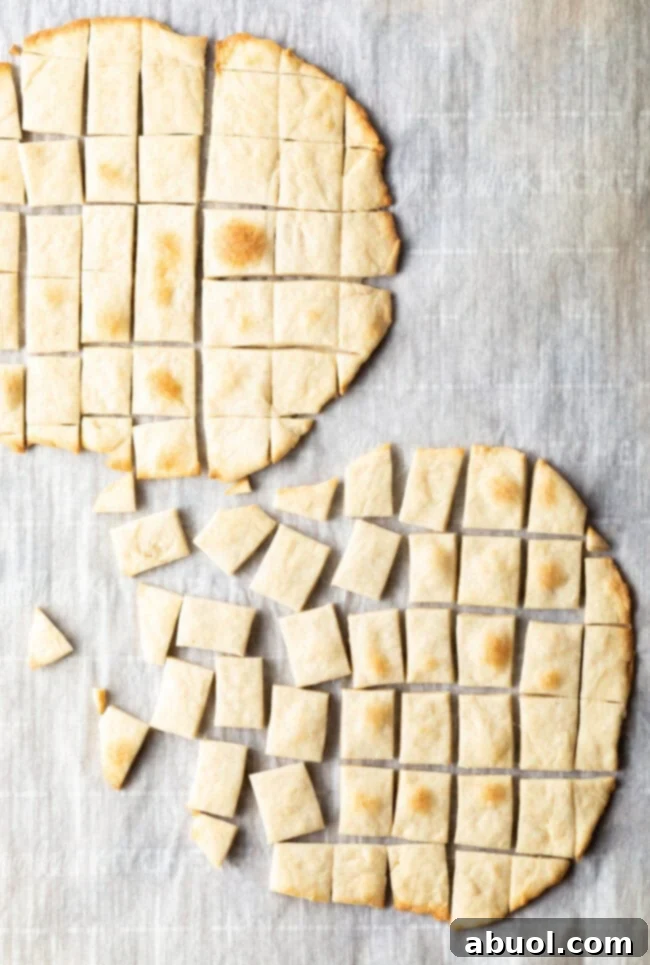
Beyond convenience, unleavened bread holds deep spiritual significance. It is most commonly associated with religious observances such as Christian communion, Passover, and the Feast of Unleavened Bread. For these sacred occasions, a homemade, pure unleavened bread can add a profound personal touch. Cut into small squares, it creates delicate communion crackers or wafers, offering a meaningful element to your spiritual practices.
However, the utility of this unleavened bread extends far beyond religious contexts. Its neutral flavor and adaptable texture make it incredibly versatile in the kitchen:
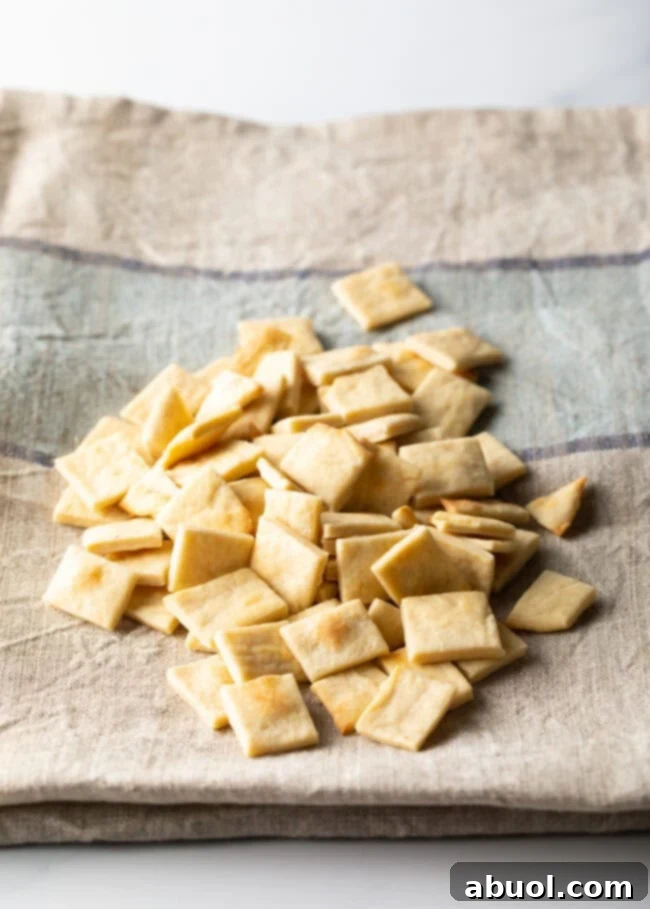
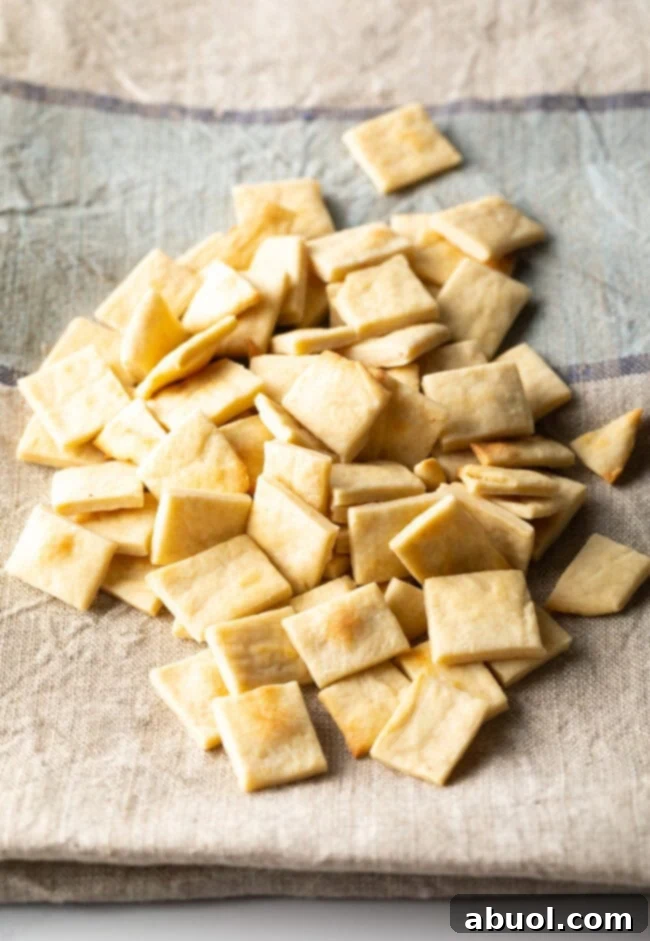
- Snack Crackers: Bake it a few minutes longer for an extra-crispy texture, transforming it into irresistible snack crackers perfect for dipping, spreading, or topping.
- Flatbread Pizzas: Use larger rounds as a thin, crunchy base for quick homemade pizzas.
- Wraps & Sandwiches: Enjoy it slightly softer as a simple flatbread for wraps, gyros, or light sandwiches.
- Charcuterie Boards: Its elegant simplicity and crispness make it a wonderful addition to any charcuterie or cheese board.
This recipe will guide you through making both whole, larger pieces and small, precise squares for communion. The base baking time remains consistent, but for those delightful snack crackers, simply extend the baking by 2-4 additional minutes to achieve maximum crispness.
The 4 Essential Ingredients You Need
One of the most appealing aspects of this unleavened bread recipe is its minimal ingredient list. You likely have everything you need in your pantry right now! Simplicity is key to both its rapid preparation and its wholesome appeal.
- All-Purpose Flour: The foundation of our bread. All-purpose flour yields a light, tender crumb when baked for a shorter time, and a satisfying crispness when extended. While other flours can be used, all-purpose provides the most consistent and delightful results for this particular flatbread style.
- Warm Milk (or Water): The liquid component that brings the dough together. Using slightly warm milk helps to relax the gluten, making the dough easier to work with and ensuring a smoother texture. Importantly, it should be warm, not hot, as there's no yeast to activate here. For a dairy-free or vegan option, warm water works perfectly as a substitute without compromising the texture or flavor.
- Olive Oil: This is where a good quality Extra Virgin Olive Oil (EVOO) really shines. Its distinctive flavor comes through beautifully in the finished bread, adding a depth that elevates this simple recipe. It also contributes to the bread's tender interior and helps achieve that desirable crisp edge.
- Salt: Essential for seasoning the dough. Salt not only enhances the natural flavors of the flour and oil but also plays a crucial role in developing the gluten structure, resulting in a more resilient and flavorful bread. Don't skimp on the salt – it makes all the difference!
With these four humble ingredients, you're just moments away from baking a batch of wholesome, homemade unleavened bread.
How to Make Easy Homemade Unleavened Bread
For precise ingredient proportions and a step-by-step video tutorial, please refer to the complete, printable recipe card towards the end of this article.
Making unleavened bread is a delightfully straightforward process. The key is to work the dough until it's smooth and then roll it out thinly for the best texture. Here's a breakdown of the simple steps:
Preparation is Key
- Preheat Your Oven: Start by preheating your oven to 475°F (245°C). A hot oven is crucial for achieving the desired crispness quickly. While the oven heats, line a baking sheet with parchment paper. This prevents sticking and makes cleanup a breeze.
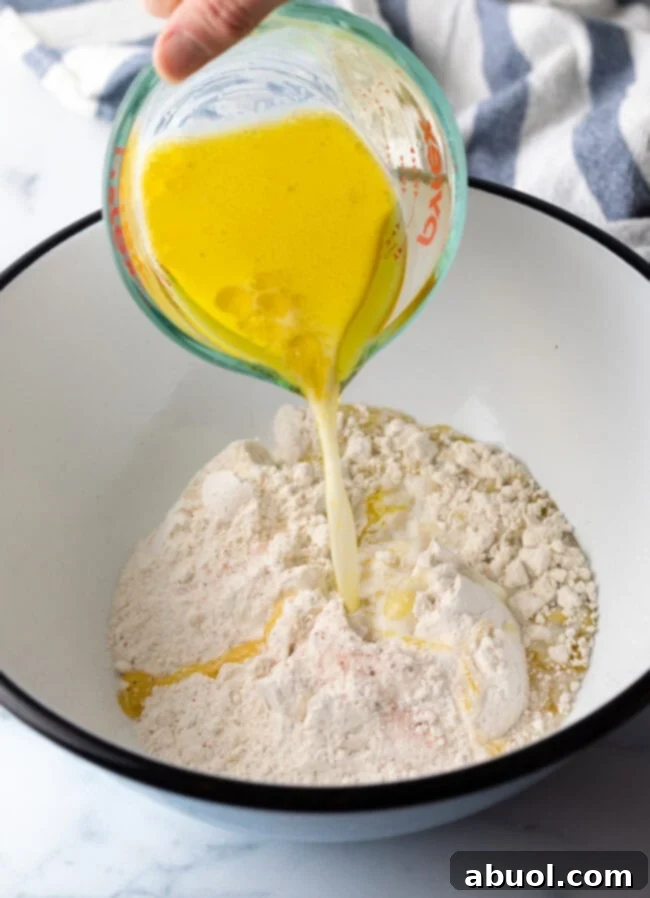
- Combine Ingredients: In a large mixing bowl, combine your all-purpose flour, warm milk (or water), olive oil, and salt. Begin mixing by hand. The dough will initially look shaggy, but as you continue to work it, it will come together into a firm ball.
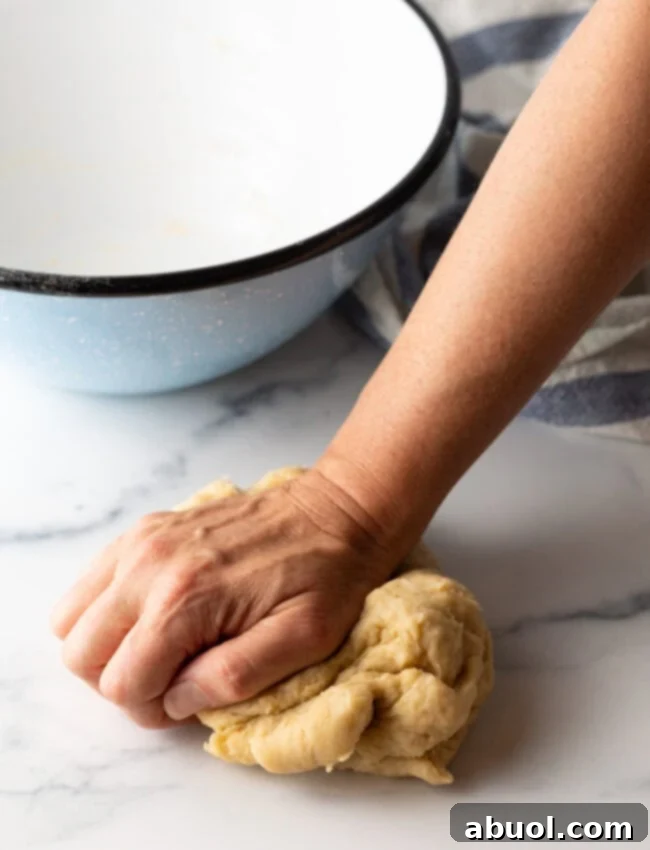
- Knead the Dough: Transfer the dough to a clean, lightly floured surface. Knead the dough for several minutes until it becomes completely smooth and elastic. This step is vital for developing the gluten, even without yeast, ensuring your bread has a good texture.
Shaping and Baking
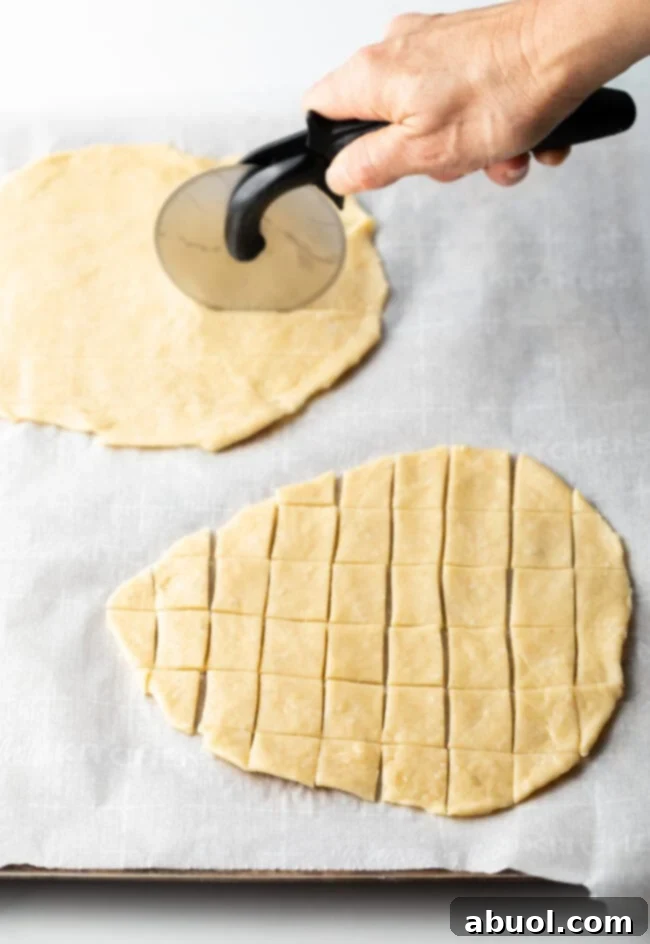
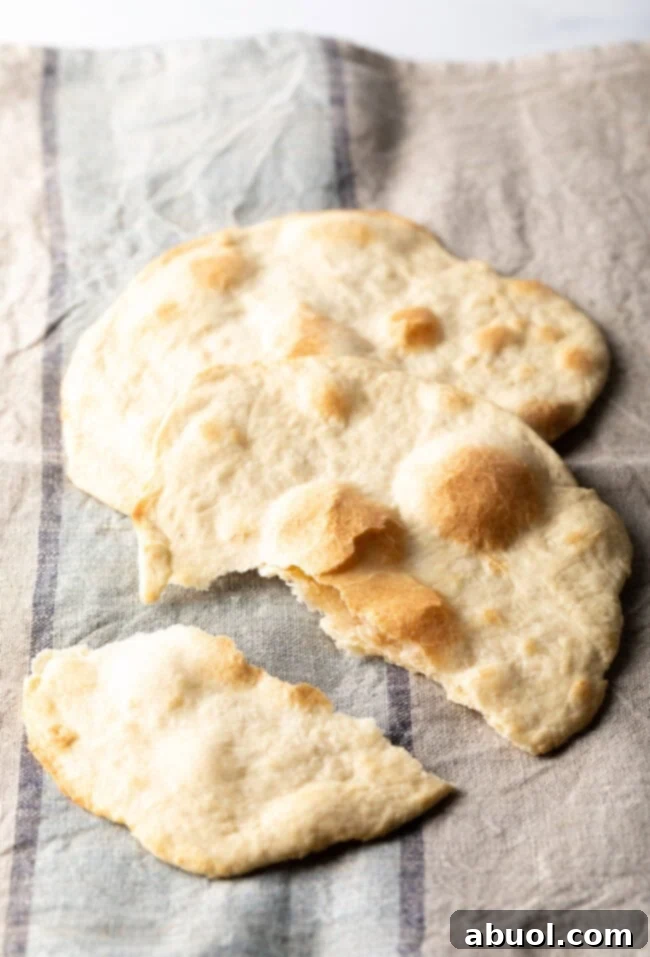
- Divide and Roll: Divide your dough into your desired number of pieces. This recipe typically yields about 4 tortilla-sized pieces, 2 larger flatbreads, or 1 extra-large pizza-sized base. Using a rolling pin, roll out each piece of dough into an extremely thin round. The thinner you roll it, the crisper your finished bread will be. Aim for a thickness similar to a thin tortilla or even parchment paper, ensuring you can still easily transfer it to your prepared baking sheet.
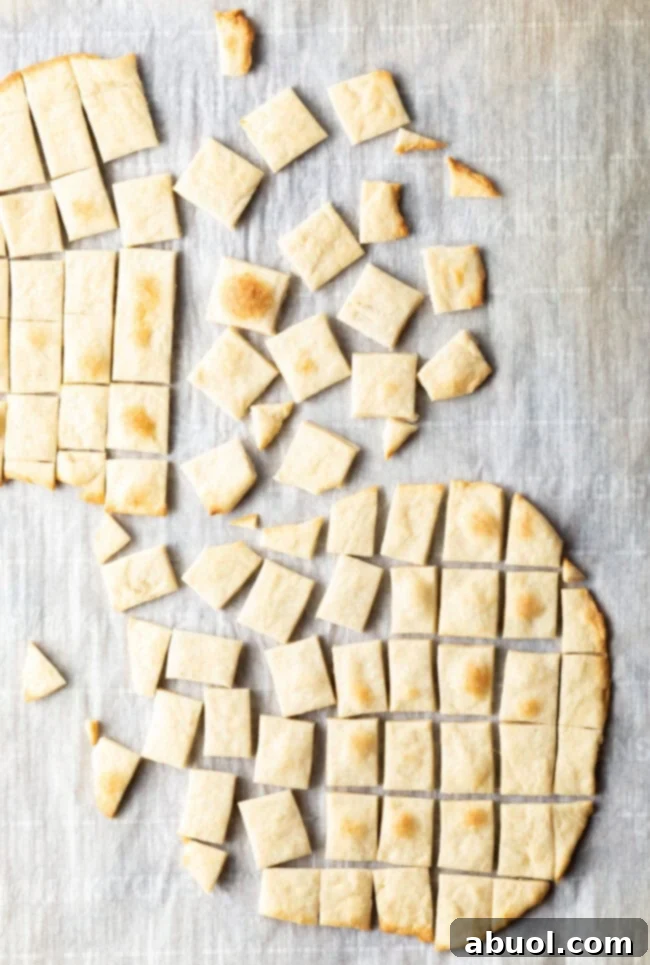
- Score for Communion Crackers (Optional): If you are making communion bread, carefully transfer the rolled-out rounds to the parchment paper. Then, using a pizza cutter or a sharp knife, score the circles into small half-inch squares. This makes them easy to break apart after baking. (Refer to the images for a visual guide!)
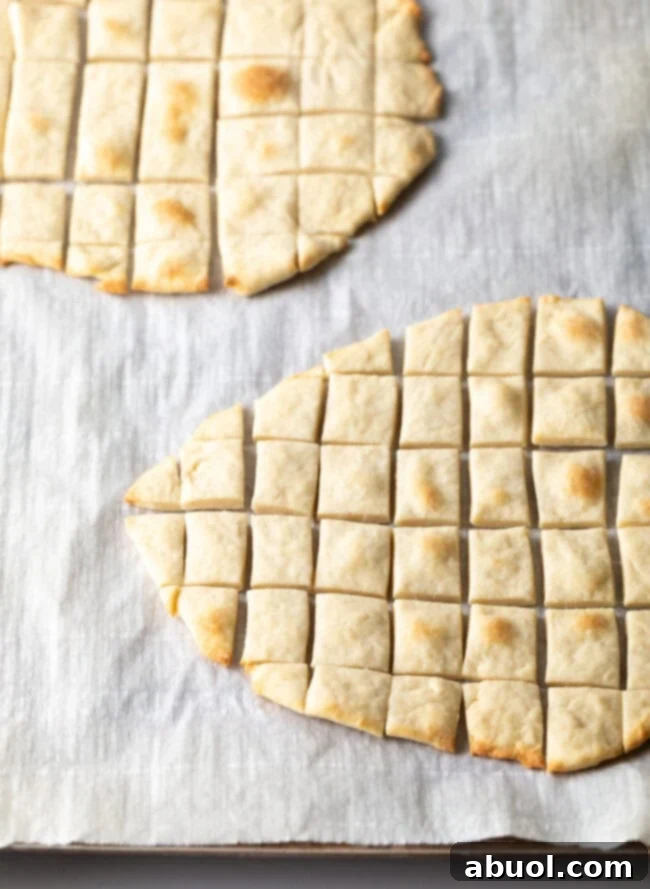
- Bake to Perfection: Place the baking sheet with your unleavened bread into the preheated oven. Bake for 8 to 10 minutes. The bread should turn golden brown and develop slight bubbles on top. For softer flatbread, remove it at the 8-minute mark. If you prefer crisp snack crackers, bake for 10 to 12 minutes, or until deeply golden and extra crispy. Keep a close eye on it, as thin bread can go from perfect to overbaked quickly!
Once baked, let the unleavened bread cool slightly on the baking sheet before transferring it to a wire rack to cool completely. This ensures maximum crispness for cracker-style bread.
Exciting Recipe Variations
While the classic unleavened bread is simple and delicious, it also serves as an excellent canvas for customization. Feel free to experiment with these variations to suit your dietary needs or flavor preferences:
- Gluten-Free Unleavened Bread: For a gluten-free version, simply substitute the all-purpose flour with your favorite 1:1 gluten-free flour blend. Note that the texture might be slightly different, but it will still yield a tasty flatbread. Ensure your chosen blend includes xanthan gum or add a small amount separately for better elasticity.
- Dairy-Free and Vegan Options: This recipe is easily adaptable for dairy-free and vegan diets. Replace cow milk with an equal amount of warm plant-based milk (such as almond milk, soy milk, or oat milk) or simply use warm water. Both options work beautifully without altering the core characteristics of the bread.
- Alternative Oils and Fats: While olive oil imparts a wonderful flavor, you can certainly experiment with other fats. Melted butter will add a richer, dairy-like note, while a neutral vegetable oil (like canola or grapeseed) will result in a more subdued flavor. Each will slightly alter the taste and texture, so choose what best fits your palate.
- Spice It Up!: Unleavened bread is fantastic for absorbing flavors. Before baking, consider sprinkling the rolled-out dough with a pinch of cayenne pepper for a subtle kick, garlic powder for an aromatic twist, or your favorite dried herbs (such as oregano, rosemary, or thyme) for a Mediterranean flair. You can also brush it with a little garlic-infused olive oil after baking for extra flavor.
Delightful Serving Suggestions
The versatility of this unleavened flatbread recipe truly shines when it comes to serving. Depending on your desired texture – soft or crisp – it can complement an incredible array of dishes and occasions. Remember, the longer you bake it, the crisper it becomes, so tailor your baking time to your culinary vision!
For Crisp Crackers & Dippers
When baked until extra crispy (10-12 minutes), these unleavened crackers are a superb addition to any spread. They are:
- Perfect for Charcuterie Boards: Pair them with an assortment of cheeses, cured meats, fresh fruits, and Giardiniera Pickled Vegetables.
- Ideal for Dips & Spreads: Their sturdy crunch makes them excellent for scooping up creamy favorites like Avocado Hummus, Clam Dip, Florida-Style Smoked Fish Dip, Smoked Salmon Dip, Smoked Cheese Dip, Buffalo Chicken Dip, or fresh Dill Dip.
- A Light Snack: Enjoy them plain, or with a sprinkle of your favorite seasoning for a healthy, satisfying crunch.
For Softer Flatbread & Wraps
If you prefer a slightly softer bread (baked for only up to 8 minutes), this unleavened flatbread becomes wonderfully pliable and reminiscent of pita or naan. It's fantastic for:
- Mediterranean Delights: Serve alongside a vibrant Fattoush Salad, succulent Beef Kafta Kebabs, or Zesty Greek Chicken.
- Curries & Stews: Use it to soak up the rich sauces of Indian-inspired dishes like Lamb Tikka Masala, Paneer Tikka Masala, Butter Chicken, or Chicken Madras Curry.
- Versatile Wraps: Create delicious homemade wraps with Lamb Gyros, Shawarma Chicken, a classic Chicken Wrap, or a wholesome Veggie Hummus Wrap.
- Quick Pizza Base: A larger, slightly softer piece makes an ideal thin-crust pizza base for a personalized, speedy meal.
With its simple flavor profile, this unleavened bread truly adapts to any meal, making it a valuable addition to your recipe repertoire.
Frequently Asked Questions About Unleavened Bread
Is unleavened bread soft?
The texture of unleavened bread can vary depending on baking time. If you bake it until it is *just* cooked, around 8 minutes, it will indeed be on the softer side—not quite as pillowy as traditional naan, but certainly pliable and tender, perfect for wraps. If you extend the baking to 10-12 minutes, it will become wonderfully crisp, like a cracker.
Is unleavened bread good for you?
Historically, unleavened bread was often considered simpler and healthier than yeast-leavened breads due to its pure ingredients. In modern terms, this recipe uses just flour, milk (or water), olive oil, and salt, making it a cleaner bread option compared to many store-bought varieties that contain added sugars, preservatives, or complex dough conditioners. It's a wholesome, straightforward bread without unnecessary additives.
How long does unleavened bread last?
Once your unleavened bread has fully cooled, transfer it to an airtight container. It will keep well at room temperature for up to 2 days. If stored in the refrigerator, it can last for up to 4 days. For optimal freshness and crispness (if desired), it's best enjoyed within the first day or two.
Can unleavened bread be frozen?
Yes, unleavened bread freezes exceptionally well! After the bread has cooled completely, stack the pieces with parchment paper in between to prevent sticking. Place them into an airtight plastic freezer bag, squeezing out as much air as possible before sealing. You can store it in the freezer for up to 4 months. To thaw, simply transfer it to the refrigerator overnight or leave it on the countertop for about an hour or two before serving.
Looking for More Easy Bread & Cracker Recipes?
If you enjoyed the simplicity and deliciousness of this unleavened bread, you'll love exploring other easy-to-make bread and cracker recipes. Here are some fantastic options to expand your baking repertoire:
- Keto Almond Flour Crackers
- Challah Bread with Apples
- Sweet Irish Soda Bread
- Quick Garlic Knots
- Hawaiian Bread Recipe
- Cheesy Garlic Pull Apart Bread
- Crazy Bread Recipe (Homemade Breadsticks)
- Ice Cream Bread Recipe (3-Ingredient!)
- Copycat Homemade Schlotzsky’s Sourdough Bread
- Corn Pone (Hot Water Cornbread Recipe)
- Low Carb Tortillas (Keto!)
- Classic Garlic Bread
- Best Yeast Rolls
- Croatian Lepinja Bread Recipe
Easy Unleavened Bread (Communion Bread Recipe)
This traditional unleavened bread recipe is made in just 20 minutes with 4 simple ingredients, no yeast needed! The flatbread bakes up crisp, flavorful and perfect for communion or to enjoy as snack crackers.
Prep Time: 10 minutes |
Cook Time: 10 minutes |
Total Time: 20 minutes
Servings: 4 pieces
Video Tutorial
Watch the video here to see how easy it is to make!

Click here to watch the full video on the original site.
Ingredients
- 2 cups all-purpose flour
- ½ cup warm milk or warm water
- ¼ cup olive oil
- 1 teaspoon salt
Instructions
- Preheat the oven to 475°F (245°C). Line a baking sheet with parchment paper.
- In a large mixing bowl, combine the flour, warm milk, olive oil, and salt. Mix by hand until the dough comes together into a firm ball. Then, knead the dough for several minutes until it is completely smooth.
- Separate the dough into as many pieces as desired (e.g., 4 tortilla-sized pieces, 2 larger pieces, or 1 extra-large pizza-sized piece). Use a rolling pin to roll out the dough pieces into extremely thin rounds. Aim for very thin dough, but still manageable enough to move onto the parchment paper.
- If making communion bread, use a pizza cutter to cut the circles into small half-inch squares before baking.
- Bake for 8 to 10 minutes until the bread is golden brown and slightly bubbly on top. For crisp snack crackers, bake for 10 to 12 minutes until extra crispy.
Notes
- Rolling the dough extremely thin is key for crisp results. This recipe yields enough for 4 tortilla-sized pieces, 2 larger pieces, or 1 extra-large pizza-sized piece.
- Feel free to season your unleavened bread any way you like! Consider adding a little cayenne pepper, garlic powder, or dried herbs over the top before baking for extra flavor.
- Let the bread cool completely before transferring it to an airtight container. Keep at room temperature for up to 2 days, or in the fridge for 4 days.
- To freeze: Once cooled, transfer the bread to an airtight plastic zipper bag. If stacking multiple pieces, place parchment paper between them. Squeeze out all air and seal the bag before storing in the freezer for up to 4 months. Thaw in the fridge overnight or on the countertop for an hour or so.
Nutrition Information
| Per Serving (1 pc) | |
|---|---|
| Calories: | 365 kcal |
| Carbohydrates: | 49 g |
| Protein: | 7 g |
| Fat: | 15 g |
| Saturated Fat: | 3 g |
| Polyunsaturated Fat: | 2 g |
| Monounsaturated Fat: | 10 g |
| Cholesterol: | 4 mg |
| Sodium: | 594 mg |
| Potassium: | 113 mg |
| Fiber: | 2 g |
| Sugar: | 2 g |
| Vitamin A: | 49 IU |
| Calcium: | 47 mg |
| Iron: | 3 mg |
Course: Bread, Holiday
Cuisine: American, Mediterranean, Middle Eastern
Author: Sommer Collier