
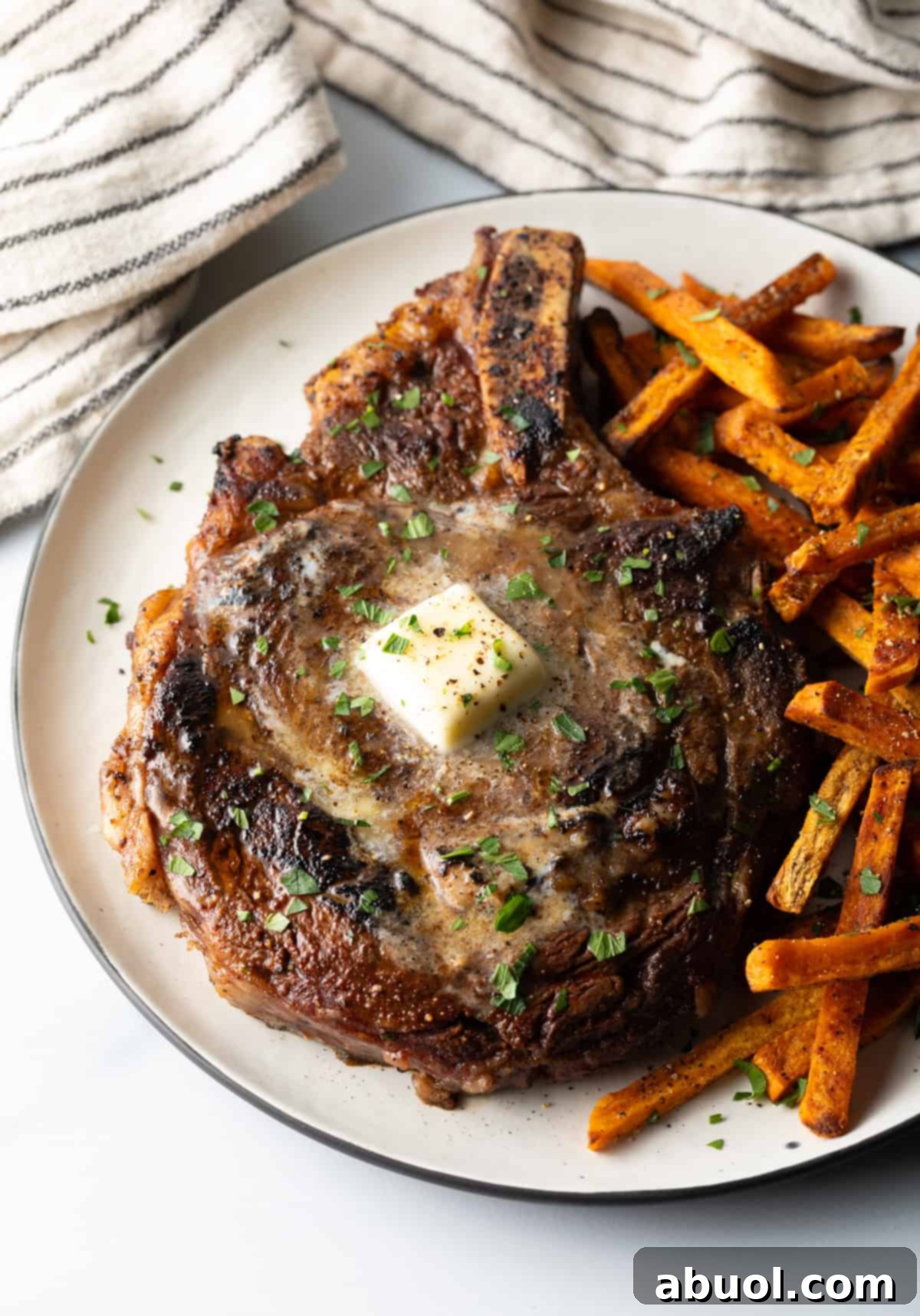
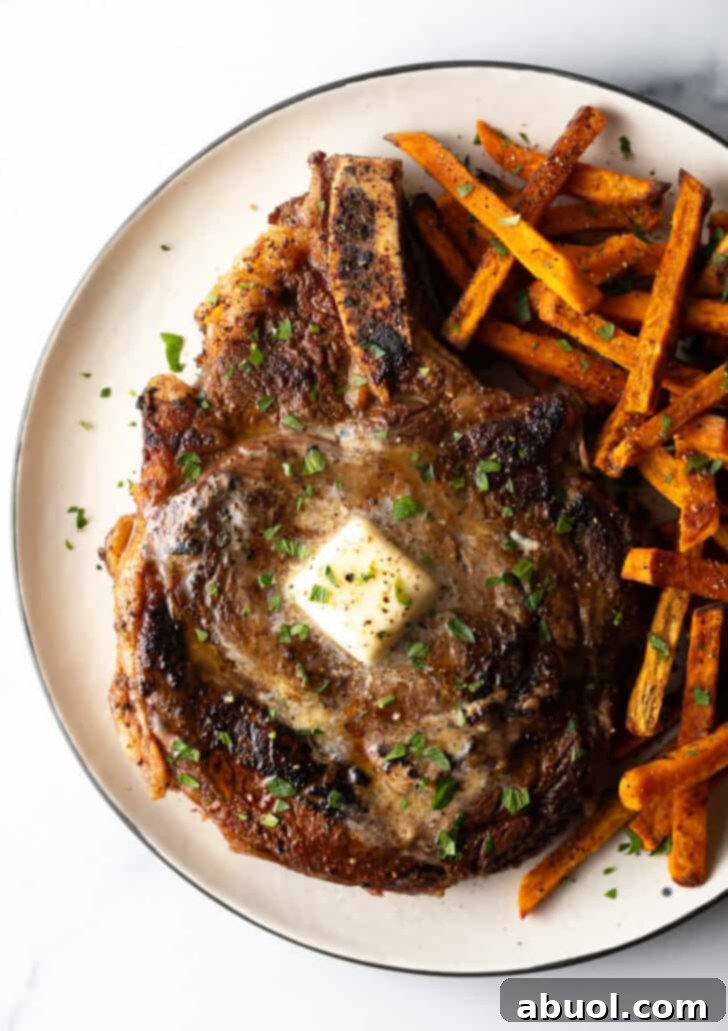
Master the art of cooking a Bone-In Ribeye Steak with this comprehensive guide! Discover foolproof steps and expert tips for achieving a perfectly tender, incredibly juicy, and intensely flavorful steak, whether you prefer the classic stovetop sear or the meticulous reverse sear method. Elevate your home cooking to steakhouse quality!
Why the Bone-In Ribeye Steak Reigns Supreme
For steak aficionados, the quest for the ultimate cut often leads to one undeniable champion: the ribeye. And for those truly seeking an unparalleled culinary experience, a Bone-In Ribeye Steak stands in a league of its own. Its inherent marbling—the luscious intramuscular fat that melts into the meat during cooking—infuses every bite with a deep, beefy flavor and unparalleled succulence that simply cannot be matched by leaner cuts. This recipe celebrates the decadence of the bone-in ribeye, guiding you through techniques that guarantee a perfectly cooked steak, every single time.

Expert Insights from Sommer’s Kitchen
Cooking a ribeye steak with the bone still attached offers distinct advantages that elevate it beyond its boneless counterpart. Not only does the bone contribute an impressive visual appeal, making it a showstopper on any plate, but it also acts as a natural insulator. This protection ensures the beef closest to the bone cooks more slowly and evenly, resulting in an ultra-tender texture and a richer, more complex flavor profile as the marrow and connective tissues render during cooking.
In this guide, we’ll explore our two preferred methods for cooking a bone-in ribeye: a quick and intense sear on the stovetop or grill, and our highly recommended **reverse sear** technique. While both methods yield fantastic results, the reverse sear offers superior control over doneness and an incredibly tender interior paired with a stunning crust. To complement these methods, we’ll be using our proprietary Best Steak Seasoning—a blend designed to enhance, not overpower, the natural robust flavor of the beef. It’s an effortless seasoning to prepare at home and can be stored alongside your other pantry staples for future culinary adventures.

Essential Ingredients for a Perfect Ribeye
Crafting a truly exceptional bone-in ribeye steak requires just a few high-quality ingredients. The beauty of this dish lies in the simplicity that allows the natural flavors of the beef to shine through.
- Bone-in Ribeye Steaks: Look for steaks that are uniform in thickness and boast generous marbling. These are sometimes referred to as “Tomahawk Steaks” if the bone is particularly long. It’s crucial to bring your steaks to room temperature for at least 30 minutes before cooking to ensure even heat distribution.
- Premium Steak Seasoning: Our signature blend is an irresistible combination designed to create a perfect crust and deep flavor. It typically includes coarse sea salt, freshly cracked black pepper, a touch of brown sugar for caramelization, smoky ancho chile powder, aromatic dried thyme, and savory onion and garlic powder. These pantry staples work in harmony to elevate the steak’s natural taste.
- Unsalted Butter: A critical finishing touch. Using unsalted butter allows you precise control over the overall seasoning of your steak, preventing it from becoming too salty. It adds richness and a beautiful sheen.
Pro Tip for Selecting Your Steak: The thickness of your ribeye is paramount for perfect cooking. Aim for steaks that are at least 1 inch thick, though we highly recommend a steak closer to 1 ½ inches thick. Thicker steaks are much more forgiving, allowing for a fantastic crust to develop without overcooking the interior.

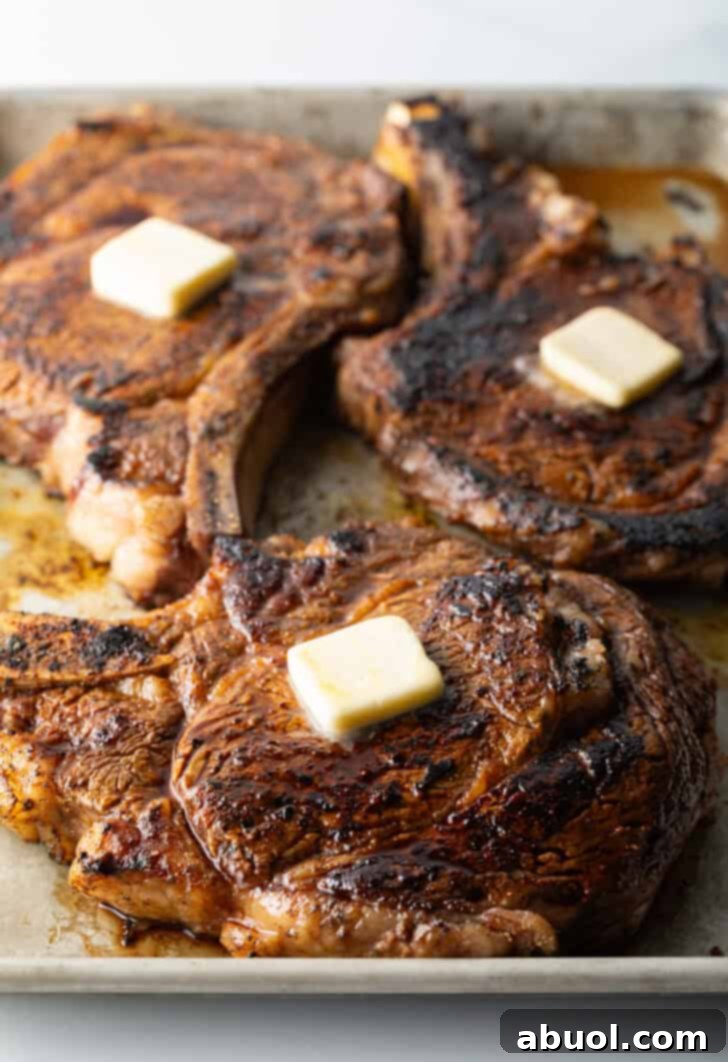
Mastering Ribeye: Two Proven Cooking Methods
Achieving a perfectly cooked ribeye is an art, and with a bone-in cut, the rewards are even greater. We’ll explore two distinct yet equally effective methods: the rapid high-heat sear on a stovetop or grill, and the meticulously controlled reverse sear, which begins in the oven before a final pan-sear. While both approaches yield delicious results, they cater to different preferences for speed and precision.
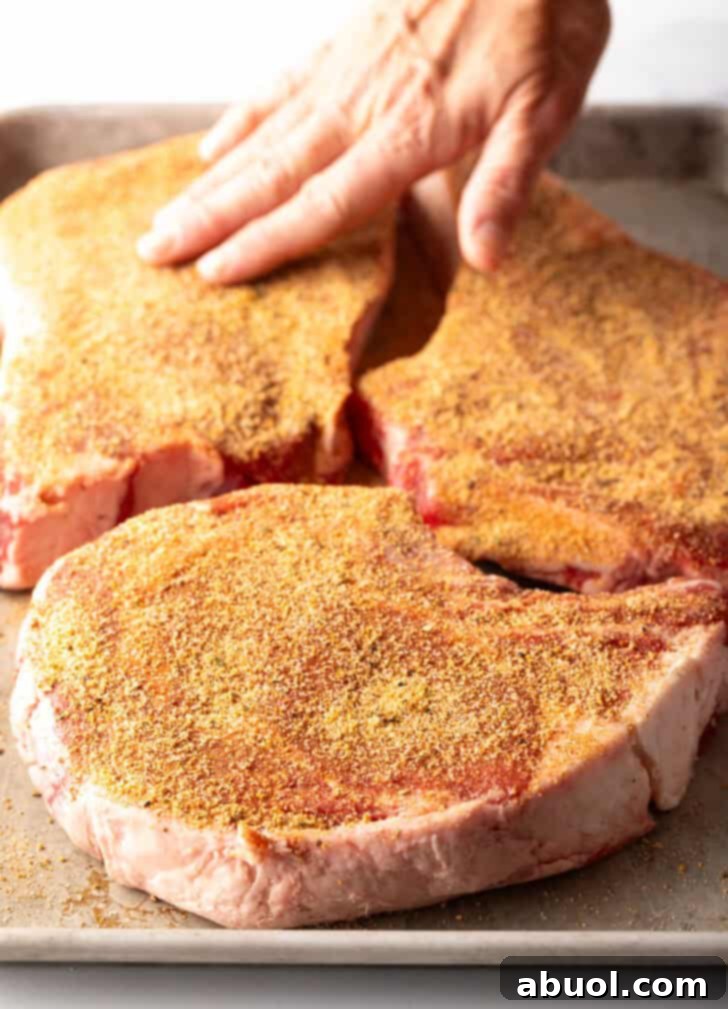
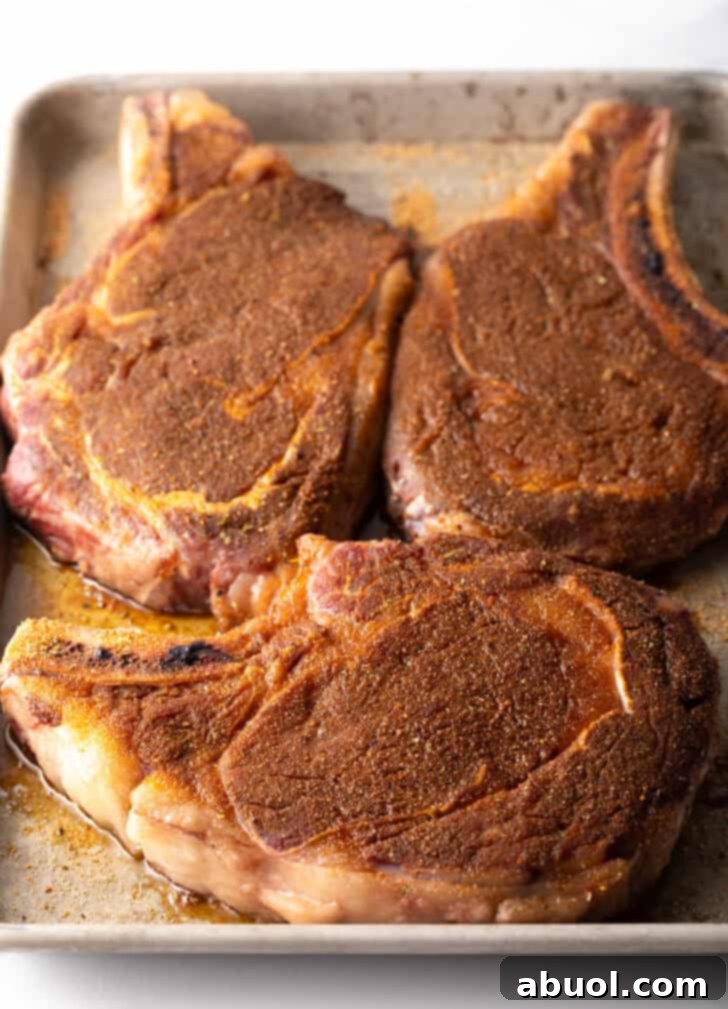
For those prioritizing ultimate tenderness and precise doneness throughout the steak, the reverse sear is undoubtedly our favored technique, though it requires approximately 1 hour of cooking time. If you’re short on time and crave a quick, intense crust, the traditional high-heat sear delivers a fantastic steak in under 10 minutes. Regardless of your chosen method, the journey to a spectacular ribeye always begins with generously and evenly rubbing your chosen seasoning blend over every surface of the steak.
Option #1: The Classic High-Heat Sear (Stovetop or Grill)
This method is all about creating an irresistible, deeply caramelized crust while keeping the interior juicy. It’s quick, satisfying, and perfect for when you’re craving steak without a long wait.
- After thoroughly seasoning your steaks, preheat your grill or heavy cast-iron skillet to an extremely high heat. Aim for a surface temperature of 450-500°F (230-260°C). A screaming hot surface is key for a proper sear.
- Once your cooking surface is blazing hot, carefully place the seasoned steaks onto the grill grates or into the skillet. Sear for 4-6 minutes per side for a luscious medium-rare doneness. If you prefer a medium steak, add an additional minute or two to each side.
- The most reliable way to ensure perfect doneness is to use a high-quality instant-read meat thermometer. Insert it into the thickest part of the steak, away from the bone, and look for an internal temperature between 130 and 135°F (54-57°C) for medium-rare.
- Once your steak reaches your desired temperature, remove it from the heat and transfer it to a clean cutting board. Allow the steaks to rest for a minimum of 5 minutes before slicing. This crucial step prevents the juices from escaping and ensures every bite is incredibly tender and moist.
Option #2: The Meticulous Reverse Sear Method
The reverse sear method is a chef’s secret weapon for achieving edge-to-edge perfect doneness and an exceptionally tender interior, followed by a professional-grade crust. It’s a two-stage cooking process that delivers consistent, melt-in-your-mouth results.
To begin your reverse sear, preheat your oven (or a dedicated smoker) to a low temperature of 190°F (88°C). Place your generously seasoned steaks on a rimmed baking sheet, ensuring there’s enough space between them for even air circulation. Cook the steaks in the oven (or on the smoker) for approximately 55 minutes. For larger or smaller steaks, begin checking for your desired doneness after 50 minutes.
Again, rely on a meat thermometer to guide you. For a perfect medium-rare, you’re aiming for an internal temperature of at least 130°F (54°C). Once the steak reaches this temperature, remove it from the oven. Now, preheat a cast-iron skillet or grill to high heat (450-500°F / 230-260°C). Quickly sear the steak for just 1 minute per side. This final, intense blast of heat creates a stunning, deeply browned crust and caramelization without overcooking the gently prepared interior. After searing, immediately transfer the steak to a cutting board and let it rest for at least 5 minutes.
Pro Tip: This technique is remarkably similar to sous vide cooking, as it cooks the meat gently and precisely to temperature, but without the need for specialized equipment. It’s an accessible way to achieve restaurant-quality results at home.
For exact ingredient proportions, a detailed step-by-step guide, and an accompanying video tutorial, scroll down to the printable recipe card at the bottom of this post.
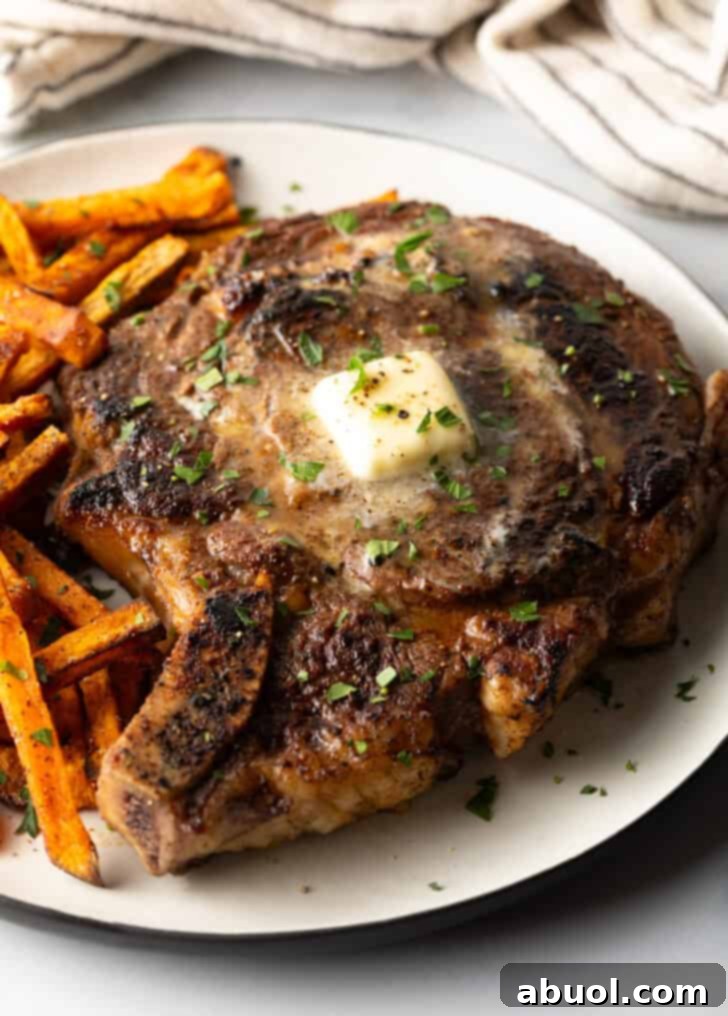
Expert Tips for Grilling and Searing Steaks
Achieving steak perfection is a combination of quality ingredients and precise technique. These tips apply whether you’re searing on the stovetop, grilling outdoors, or utilizing the reverse sear method.
- Uniform Thickness is Key: Always select steaks that are consistently 1 to 1 1/2 inches thick. This ensures the steak cooks evenly throughout. Look for bone-in cuts with a rich, even distribution of marbling, which is indicative of flavor and tenderness.
- Bring to Room Temperature: Before any cooking begins, remove your steaks from the refrigerator and allow them to sit at room temperature for at least 30 minutes (up to an hour for very thick cuts). This vital step helps the steak cook more uniformly from edge to center and contributes significantly to the final tenderness.
- Pat Steaks Dry: For the best possible crust, it’s essential to pat your steaks thoroughly dry with paper towels before seasoning. Excess moisture on the surface will steam the meat rather than sear it, preventing that coveted crispy exterior.
- Mind the Grill Flare-ups: Ribeye steaks are famously fatty, and while this contributes to their incredible flavor, melting fat can drip onto hot coals or burner flames, causing flare-ups when grilling. Be vigilant and move your steak to a cooler part of the grill if flames appear.
- Resting is Non-Negotiable: After cooking, let your seared steaks rest for a full 5-10 minutes (depending on thickness) on a cutting board. This period is crucial for the muscle fibers to relax and reabsorb the juices that have migrated to the center during cooking. Skipping this step will result in a dry, less flavorful steak.
- Slice Against the Grain: When it’s time to carve your masterpiece, always slice against the grain. The “grain” refers to the long, parallel muscle fibers running through the steak. Slicing perpendicular to these fibers shortens them, making each bite incredibly tender and easy to chew.
- Consider Basting: For an extra layer of flavor and richness during the final minutes of searing, add a tablespoon of butter, a crushed garlic clove, and a sprig of fresh rosemary or thyme to your hot pan. Tilt the pan and spoon the melted, aromatic butter over the steak repeatedly.
Elevate Your Steak with Perfect Pairings
A perfectly cooked bone-in ribeye is a feast in itself, but the right accompaniments can transform it into an unforgettable dining experience. Whether you prefer classic sides or something with a modern twist, these suggestions will create a balanced and delicious meal.
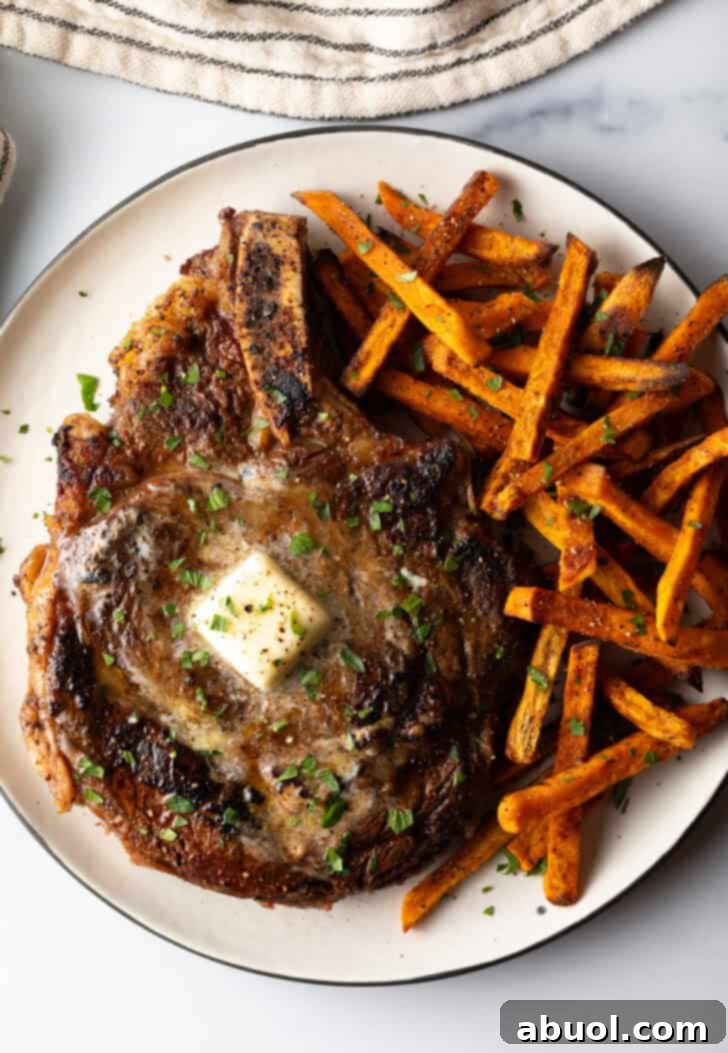
Start by topping your expertly seared steaks with a generous pat of unsalted butter, or take it up a notch with flavored butters. Consider a zesty Cowboy Butter for a touch of heat and herbs, or a fragrant Compound Butter infused with fresh herbs like rosemary and thyme. For an added layer of complexity and *pizzazz*, explore toppings such as homemade pickled vegetables, a vibrant chimichurri sauce, slow-roasted cherry tomatoes, or any of these fantastic Best Steak Toppings designed to complement rich beef.
When it comes to side dishes, there’s nothing quite like pairing a meaty grilled or reverse-seared ribeye with crispy and tender Sweet Potato Fries, as beautifully showcased here. They offer a delightful contrast in texture and a subtle sweetness. Alternatively, creamy Instant Pot Sweet Potatoes provide a comforting, slightly sweeter twist on the traditional baked potato.
Of course, you can’t go wrong with these timeless potato-based side dishes to create a satisfying and beloved classic meat and potatoes pairing:
- Crispy Roasted Russet Potatoes
- Golden Air Fryer Potato Wedges
- Crispy Ribbon Fries
- Rich and Cheesy Scalloped Potatoes Au Gratin
- Creamy Mashed Potatoes
- Elegant Duchess Potatoes
- Decadent Twice Baked Sweet Potatoes
- Garlic Butter Scalloped Sweet Potatoes
To perfectly balance the richness of the beef and starchy sides, introduce a refreshing and flavorful salad to your table. These steakhouse-style favorites provide a welcome counterpoint:
- Fresh Romaine Hearts Salad with a tangy vinaigrette.
- Classic Caesar Salad featuring crisp romaine, croutons, and a creamy dressing.
- A Bold Blue Cheese Wedge Salad, offering a cool and creamy contrast.
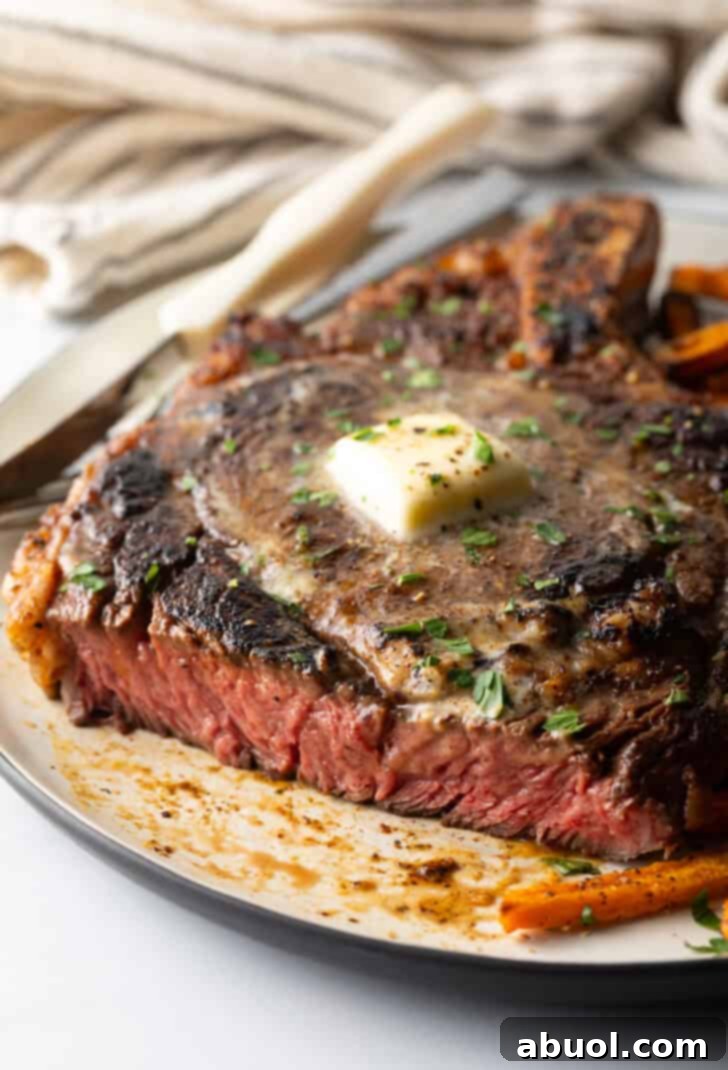
Frequently Asked Questions About Cooking Ribeye
Both methods can yield excellent, fork-tender steaks, but they achieve results differently. Cooking solely on the stove or grill offers a quick sear and a delicious crust. However, for truly exceptional taste and texture, many chefs (including us!) prefer the reverse sear method. This technique leverages the oven’s consistent, low heat for an extended period to cook the steak gently and evenly to near-perfection, followed by a rapid, high-heat sear on the stovetop. This two-stage approach truly enhances the natural beefy flavor and tenderness.
One of the greatest attributes of a ribeye, especially bone-in, is its natural tenderness. Thanks to its rich marbling (intramuscular fat) and optimal muscle structure, there’s typically no need for additional tenderizing steps. Simply select a good quality steak, season it well, and cook it using the methods outlined above. The fat and bone work together to keep the meat moist and prevent it from drying out, ensuring a naturally tender bite every time.
Leftover cooked steak can be safely stored in an airtight container in the refrigerator for up to 3 days. To maintain its quality and prevent bacterial growth, ensure it cools completely before refrigerating. When reheating, it’s best to do so gently, perhaps in a skillet over medium-low heat or in a low oven, to avoid drying it out.
The ideal internal temperature depends on your preferred level of doneness. For rare, aim for 120-125°F (49-52°C); for medium-rare, 130-135°F (54-57°C); for medium, 135-140°F (57-60°C); and for medium-well, 140-145°F (60-63°C). Remember that the steak’s temperature will rise by a few degrees (carryover cooking) while it rests, so remove it from the heat just before it reaches your target temperature.
Discover More Delectable Beef Recipes!
If you’ve enjoyed mastering the bone-in ribeye, we invite you to explore our other top-rated beef recipes. Expand your culinary repertoire with these fantastic dishes:

Print Recipe
Leave a Review »
Perfect Bone-In Ribeye Steak Recipe
Ingredients
- 2-4 bone-in ribeye steaks (1 to 1.5 inches thick)
- 2-4 tablespoons Steak seasoning We highly recommend our homemade Best Steak Seasoning blend!
- 2-4 tablespoons unsalted butter (optional, for finishing)
Instructions
-
Pat the bone-in ribeye steaks dry with paper towels and bring them to room temperature for 30-60 minutes. Evenly rub your homemade seasoning blend over all sides of each steak.
-
Option 1: Classic High-Heat Sear (Stovetop or Grill): Preheat your grill or cast-iron skillet to very high heat (450-500°F / 230-260°C). Once hot, place the seasoned steaks onto the cooking surface and sear for 4-6 minutes per side for medium-rare doneness. Use an instant-read meat thermometer to check the internal temperature, aiming for 130-135°F (54-57°C).
-
Option 2: Reverse Sear Method: For a more precise cook, preheat your oven (or smoker) to a low 190°F (88°C). Place the seasoned steaks on a rimmed baking sheet and cook in the oven for approximately 55 minutes. Check the internal temperature with a meat thermometer, targeting 120-125°F (49-52°C) for medium-rare (it will finish cooking during the sear).
-
For Reverse Sear (Finishing Step): Once the steaks reach their target oven temperature, remove them. Near the end of the oven cooking time, preheat a clean cast-iron skillet or grill to high heat (450-500°F / 230-260°C). Once sizzling hot, transfer the steaks to the skillet/grill and sear for just 1 minute per side to create a beautiful, caramelized crust.
-
Immediately remove the steaks from the heat. Top each cooked steak with a pat of unsalted butter (if using) and allow it to rest on a cutting board for at least 5-10 minutes before slicing against the grain and serving. This resting period is critical for juicy results.
Notes
Leftover bone-in ribeye steak will keep well for up to 3 days when stored in an airtight container in the refrigerator. Reheat gently to preserve moisture.