

Master the Art of Cooking Basmati Rice: Achieve Perfectly Fluffy Grains Every Time with This Authentic Indian Recipe!
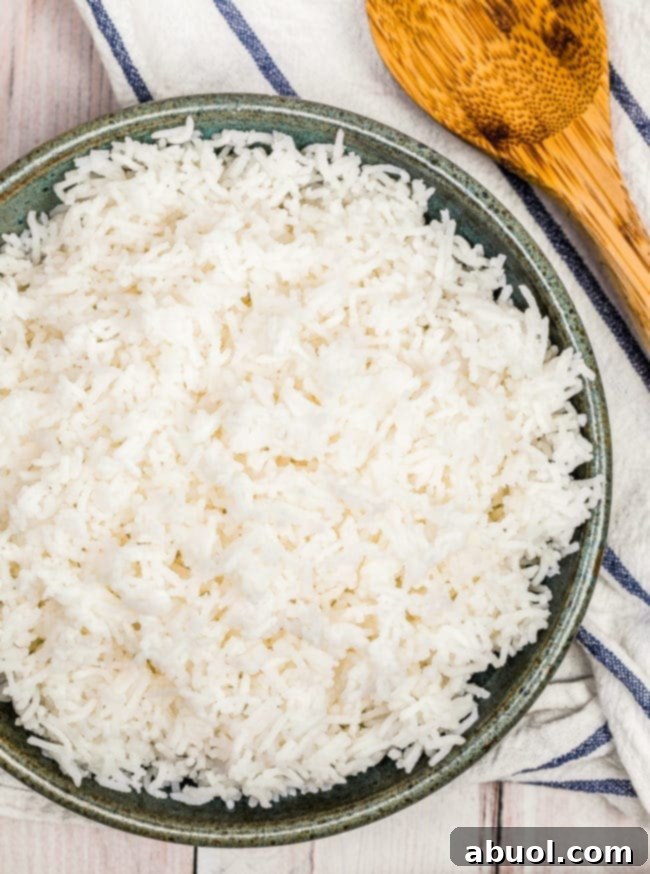
Discover the Secret to Restaurant-Quality Basmati Rice at Home
Have you ever savored the exquisite aroma and delicate texture of Basmati rice at your favorite Indian restaurant and wondered how to replicate that perfection in your own kitchen? This comprehensive guide reveals the authentic Indian method for cooking Basmati rice, ensuring it emerges light, separate, and incredibly fluffy, without fail. Say goodbye to sticky, clumpy rice and embrace the sublime experience of perfectly prepared Basmati that truly complements any dish, especially rich and hearty curries like Lamb Tikka Masala or a vibrant lentil dal.
Cooking Basmati rice to perfection is surprisingly straightforward, yet it involves a few crucial steps that make all the difference. The key lies in understanding the unique characteristics of this fragrant grain and treating it with a little patience – particularly during the soaking process. Once you experience the superior taste and texture achieved with this method, you’ll undoubtedly find yourself saying, “I’ll never go back to any other way!” It’s more than just a side dish; it’s an essential component of a truly authentic Indian meal, elevating every bite with its distinct flavor and airy consistency.
Basmati rice stands out as a culinary cornerstone, known for its long, slender grains and captivating aroma, often described as a delicate, nutty fragrance. Originating from the Indian subcontinent, it is a staple that has graced tables worldwide for centuries. This recipe doesn’t just teach you how to cook rice; it invites you to unlock the full potential of Basmati, transforming simple grains into a foundation for magnificent culinary creations. From its initial rinse to its final fluffy presentation, each step is designed to optimize flavor, texture, and aroma, making your home-cooked Basmati an unforgettable experience that rivals any professional preparation.
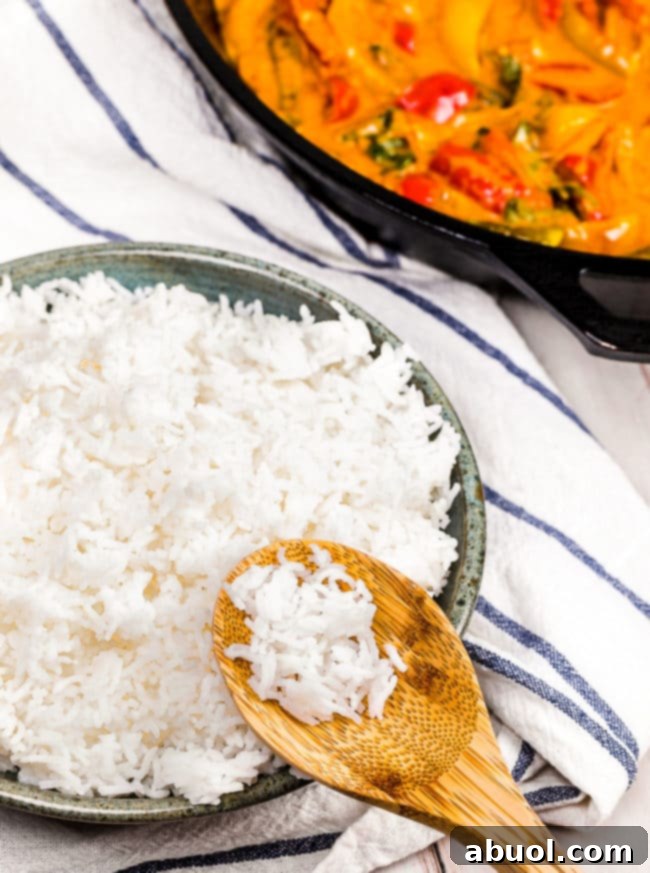
Essential Ingredients for Perfect Basmati Rice
Creating impeccable Basmati rice requires just a few basic ingredients. The quality and type of each ingredient play a vital role in achieving that sought-after light and fluffy texture and exquisite aroma.
- Basmati Rice: This is the undeniable star of our dish. It’s imperative to use genuine Basmati rice, specifically a long-grain variety, and avoid substituting with other types of rice. Basmati’s unique aging process contributes to its distinctive fragrance and non-sticky texture. Look for aged Basmati rice for the best results, as aging enhances its aroma and ensures better grain separation after cooking.
- Salt: Far from being just a seasoning, salt is crucial for both flavor and texture. It penetrates the rice grains during the soaking process, preventing them from breaking and enhancing their natural taste. The right amount of salt transforms the water into a brine, which helps the grains maintain their integrity and absorb moisture evenly.
- Water: The lifeblood of our rice. Water is absorbed by the grains, expanding them and contributing to their light and fluffy texture. The quality and temperature of the water used for both rinsing and cooking are significant. For soaking, lukewarm water helps activate the starches and prepare the grains for cooking more effectively.
Selecting high-quality ingredients is the first step towards a successful Basmati dish. Investing in a reputable brand of Basmati rice, preferably one that specifies it is “aged,” will yield the most authentic results. The subtle nuances of aged Basmati rice are what truly set this dish apart from ordinary rice preparations.
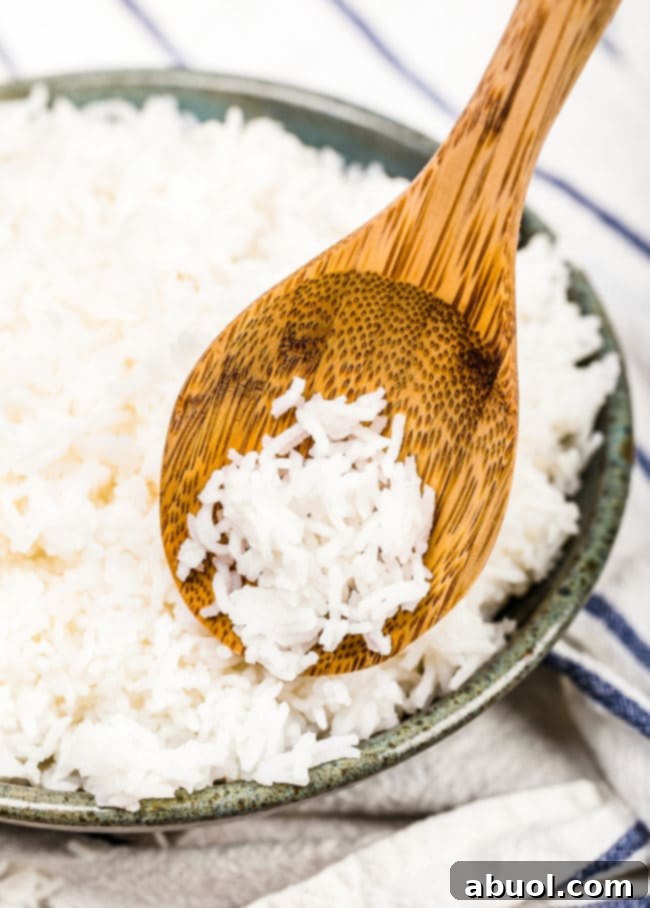
Step-by-Step Guide to Cooking Authentic Basmati Rice
This easy-to-follow method for Basmati Rice Cooking replicates the authentic preparation techniques used in India. While it requires a bit of patience, especially for the soaking step, the resulting perfectly fluffy and aromatic rice is well worth the wait. Each step is designed to contribute to the ultimate texture and flavor.
- Wash (Rinse Thoroughly): Begin by placing your Basmati rice in a large sieve with a fine-grade mesh. Position the sieve over a bowl in the sink. Rinse the rice meticulously with cold running water, gently dunking the sieve into the water and shaking it. This process helps remove excess starch, which is critical for preventing sticky rice. Dump out the cloudy, starchy water after each rinse and repeat with fresh, clean water. Continue this washing and rinsing process at least FIVE times, or until the water runs almost completely clear on the final wash. It’s important to be gentle during this step to avoid breaking the delicate long grains of Basmati. This initial removal of surface starch is paramount for achieving separate, fluffy grains.
- Soak (Hydrate and Flavor): After rinsing, transfer the rice into a clean bowl. Add lukewarm water and 2 to 4 tablespoons of salt. Start with 2 tablespoons of salt, then taste the water – it should have a noticeable salinity, akin to seawater. Adjust by adding more salt if needed. The saltwater brine is not just for flavor; it helps hydrate the grains evenly and strengthens them, preventing breakage during cooking. Let the Basmati rice soak in this saltwater solution for a minimum of 2 hours. This extended soaking time allows the grains to fully absorb moisture, leading to a more uniform cook and a significantly fluffier texture. It also enhances the natural fragrance of the rice.
- Drain (Prepare for Cooking): Once the soaking is complete, carefully drain the rice. Pour the rice and water mixture back through the same fine-mesh sieve you used for rinsing. Ensure all the water is thoroughly drained from the grains. This step is vital because any excess water clinging to the rice will disrupt the precise water-to-rice ratio required for optimal cooking, potentially leading to mushy rice.
- Simmer (The Cooking Process): Transfer the drained, soaked Basmati rice into a medium saucepot or pan with a tight-fitting lid. Add 3 ½ cups of fresh cold water to the pot (for 2 cups of rice). Place the pot over high heat on the stovetop. Bring the water and rice to a rolling boil. Once boiling vigorously, immediately reduce the heat to the lowest setting, cover the pot tightly with the lid, and let it simmer for 15-20 minutes. The tight lid is crucial to trap the steam, which cooks the rice evenly. You’ll know the rice is done when distinct “vent holes” appear on the surface of the rice, indicating that all the liquid has been absorbed. Avoid lifting the lid during this phase, as it releases essential steam.
- Rest (Steam and Settle): After the simmering time, remove the pot from the heat, but keep the lid on. Allow the rice to rest, undisturbed, for an additional 5 minutes. This resting period is incredibly important. It allows the steam to redistribute throughout the grains, completing the cooking process and ensuring maximum fluffiness. It also prevents the bottom layer of rice from becoming overly hard or sticky.
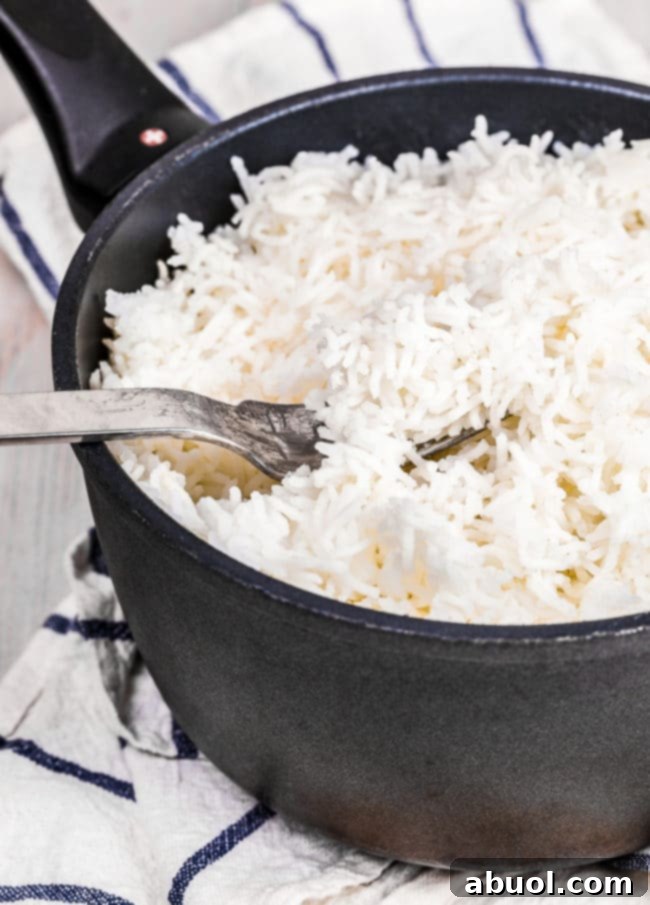
- Serve (Fluff and Enjoy): Finally, remove the lid. Using a fork, gently fluff the Basmati rice. Do this carefully to avoid mashing the delicate grains. The fork separates the individual grains, making them light and airy. Your perfectly cooked Basmati rice is now ready to be served and enjoyed!
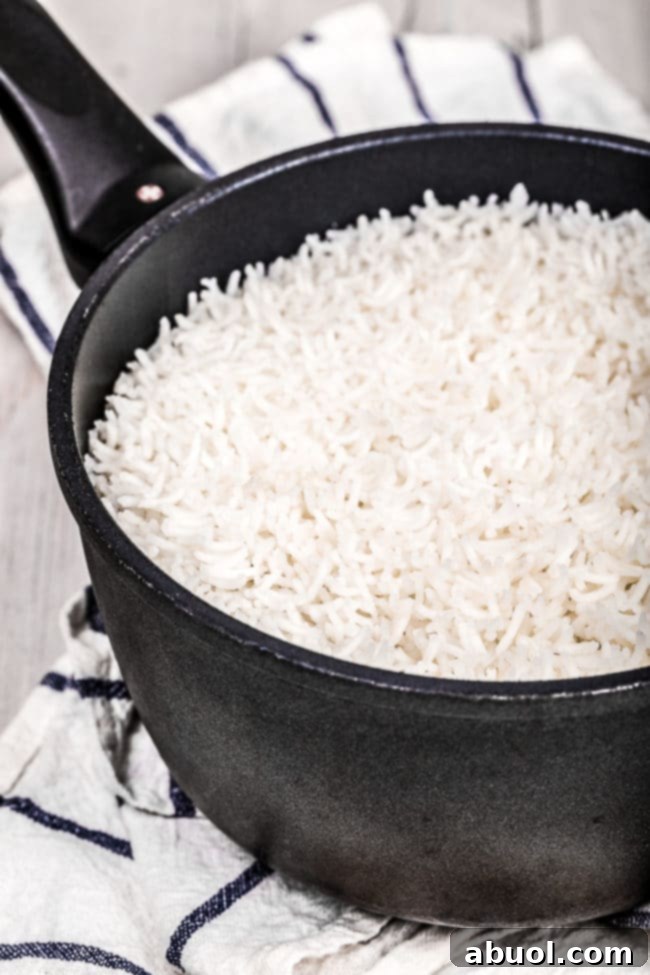
Elevate Your Meal: Inspired Serving Suggestions
The light, fragrant Basmati rice, with its distinct nutty notes, serves as an exceptional canvas for a myriad of culinary creations. While it’s perfect on its own, a few simple garnishes or pairings can truly enhance its flavor profile and elevate your dining experience. For an added touch of freshness and vibrant color, consider garnishing your fluffy Basmati rice with a generous sprinkle of fresh chopped cilantro. A pinch of golden turmeric or exquisite saffron threads steeped in warm milk can infuse a luxurious hue and subtle aromatic depth, while a fresh squeeze of lemon or lime juice adds a bright, zesty finish.
Beyond simple garnishes, Basmati rice pairs exquisitely with a wide array of dishes from various cuisines, making it a versatile staple in any kitchen. Its ability to absorb flavors without becoming overwhelming makes it an ideal accompaniment for rich and complex stews, curries, and grilled fare. Enjoy it alongside robust Indian curries such as the creamy Paneer Tikka Masala, the universally loved Butter Chicken, or a hearty Chickpea Curry. Its subtle fragrance also beautifully complements grilled meats like succulent Tandoori Chicken Skewers or tender lamb kebabs. For delightful vegetarian options, serve it with a luscious Saag Paneer or a medley of roasted vegetables.
To craft a truly complete and satisfying meal, don’t forget the accompaniments. A side of warm, homemade Naan bread is perfect for scooping up every last bit of curry, while a cooling Cucumber Raita offers a refreshing contrast to spicier dishes. Whether you’re preparing a traditional Indian feast or simply looking for a versatile and delicious side dish, perfectly cooked Basmati rice is always a welcome addition.
Frequently Asked Questions About Cooking Basmati Rice
While technically not mandatory, soaking Basmati rice is highly recommended for optimal results. Soaking the grains in room temperature saltwater before cooking is a traditional Indian technique that yields a superior outcome. This process allows the rice to absorb moisture uniformly, preventing the grains from breaking during cooking and encouraging them to lengthen beautifully. More importantly, soaking enhances the natural aroma and delicate flavor of the Basmati, making it taste significantly better and achieve that distinct light and fluffy texture that is so highly prized.
Sticky Basmati rice is a common culinary frustration, but it usually stems from one of two reasons. The most frequent cause is insufficient rinsing. Basmati rice contains a significant amount of surface starch, which, if not thoroughly washed away, will cause the grains to clump together during cooking. Ensure you rinse the rice at least five times, or until the water runs clear. The second common reason is using too much water in the pot during cooking. An excessive water-to-rice ratio can lead to overcooked, mushy grains that stick together. Always adhere to the recommended water ratio for light and separate rice.
Basmati rice is a distinct variety of long-grain rice, naturally gluten-free, primarily cultivated in the Indian subcontinent. Its name, derived from Hindi, literally translates to ‘fragrant,’ a testament to its enticing aroma. Beyond its captivating scent, Basmati is cherished for its soft, silky texture and distinctively long, slender, curved grains that elongate further upon cooking. What truly sets Basmati apart from other rice varieties is its unique aging process. Unlike most rice, premium Basmati is aged for an extended period—typically 9 months, though some superior brands can be aged for up to 18 months. This elongation of the aging process allows the grains to dry out, intensifying their unique nutty flavor and enhancing their fragrance, while also ensuring that they cook up light, separate, and non-sticky.
Properly stored, cooked Basmati rice can be a convenient component for future meals. You can safely store this dish in airtight containers in the refrigerator for 4 to 6 days. To ensure food safety, it’s crucial to cool the rice quickly after cooking and refrigerate it within one hour. For longer storage, cooked Basmati rice can be frozen for up to 6 months. Store it in freezer-safe bags or containers, ensuring as much air as possible is removed. When reheating, always ensure the rice is piping hot throughout to eliminate any potential bacteria.
Tips for Perfect Basmati Rice
- Use the Right Pot: A heavy-bottomed pot with a tight-fitting lid is essential to ensure even heat distribution and trap steam effectively.
- Resist the Urge to Peek: Lifting the lid during simmering releases precious steam, which can disrupt the cooking process and lead to unevenly cooked or dry rice.
- Adjust Salt to Taste: The amount of salt in the soaking water can be adjusted based on your preference and whether you plan to serve the rice with heavily seasoned dishes.
- Don’t Stir While Cooking: Stirring rice while it’s cooking releases starch and can break the grains, leading to a sticky texture. Only fluff gently with a fork after resting.
- Consider a Rice Cooker: While this recipe focuses on stovetop cooking, many people successfully cook Basmati in a rice cooker after the initial wash and soak. Adjust water ratios according to your rice cooker’s instructions, but the soaking step remains beneficial.
Troubleshooting Common Basmati Rice Problems
- Mushy Rice: Often caused by too much water or overcooking. Ensure precise water measurement and avoid lifting the lid. Soaking helps prevent this by allowing grains to hydrate properly beforehand.
- Hard or Undercooked Rice: This can happen if there wasn’t enough water, the heat was too low, or the lid wasn’t tight enough, allowing steam to escape. Make sure your pot has a good seal and simmer gently.
- Dry Rice: Usually a sign of insufficient water during cooking or too much evaporation. Follow the water ratio carefully and ensure the lid is tight.
Explore More Delicious Rice Recipes!
If you’ve enjoyed mastering the art of Basmati rice, you’ll love exploring these other versatile and flavorful rice dishes. Expand your culinary repertoire with these enticing recipes:
- Mushroom Rice Pilaf
- Triple Pork Fried Rice
- Roasted Cauliflower Rice
- Black Rice Recipe (Forbidden Rice)
- Chipotle Rice (Copycat Recipe)
- Indian Curry Rice
- Mediterranean Wild Rice Recipe
- 4-Ingredient Spanish Rice
- Caribbean Confetti Rice
Print Recipe
Leave a Review »
Basmati Rice Cooking Directions
2 hours
20 minutes
2 hours 20 minutes
6
Video
(Video content placeholder – detailed instructions available above)
Ingredients
- 2 cup long-grain basmati rice
- 2+ tablespoons salt
- water
Instructions
-
Place the rice in a large sieve with a fine-grade mesh. Set the sieve over a bowl in the sink. Rinse the rice with cold water, dunking the sieve down into the water, and shaking gently. Then dump out the starchy water and repeat with clean water. Wash and rinse the rice FIVE times to remove all excess starch. The water should be pretty clear on the last wash. Try not to handle the rice too much, as it might break the long grains into pieces.
-
Dump the rice into the bowl. Add lukewarm water and 2-4 tablespoons salt. Add 2 tablespoons at first. Then taste the water. It should taste like seawater. If it doesn’t add more salt.
-
Let the rice soak in the saltwater for 2 hours.
-
Carefully drain the rice, pouring the rice and water back through the sieve.
-
Place in a medium saucepot over high heat. Add the rice and 3 ½ cups fresh water to the pot.
-
Cover and bring to a boil. Then lower the heat and simmer for 15-20 minutes. When the rice is done, there will be vent holes in the top of the rice, and all the liquid will have absorbed.
-
Remove from heat, and rest covered for 5 more minutes.
-
Gently fluff the rice with a fork and serve.
Nutrition
Serving: 0.75cup
,
Calories: 225kcal
,
Carbohydrates: 49g
,
Protein: 4g
,
Fat: 1g
,
Saturated Fat: 1g
,
Sodium: 391mg
,
Potassium: 71mg
,
Fiber: 1g
,
Sugar: 1g
,
Calcium: 17mg
,
Iron: 1mg
Sommer Collier
Cook It? Love It? Rate It!
YOU can help this recipe RANK on Google – TAP 5 STARS so other hungry people can find it. Thank you!