
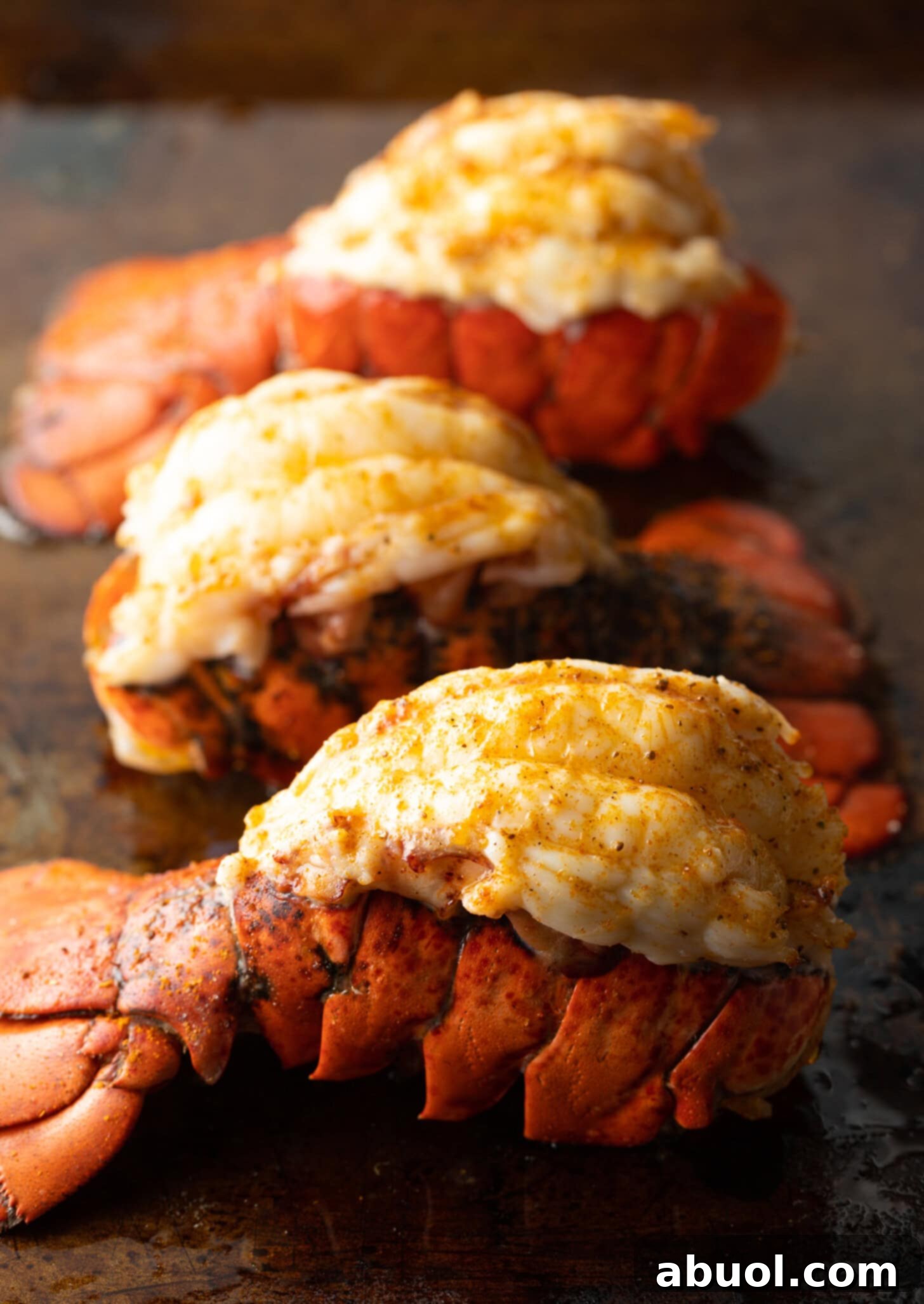
How to Cook Lobster Tails: The Ultimate Guide to Succulent & Flavorful Lobster at Home
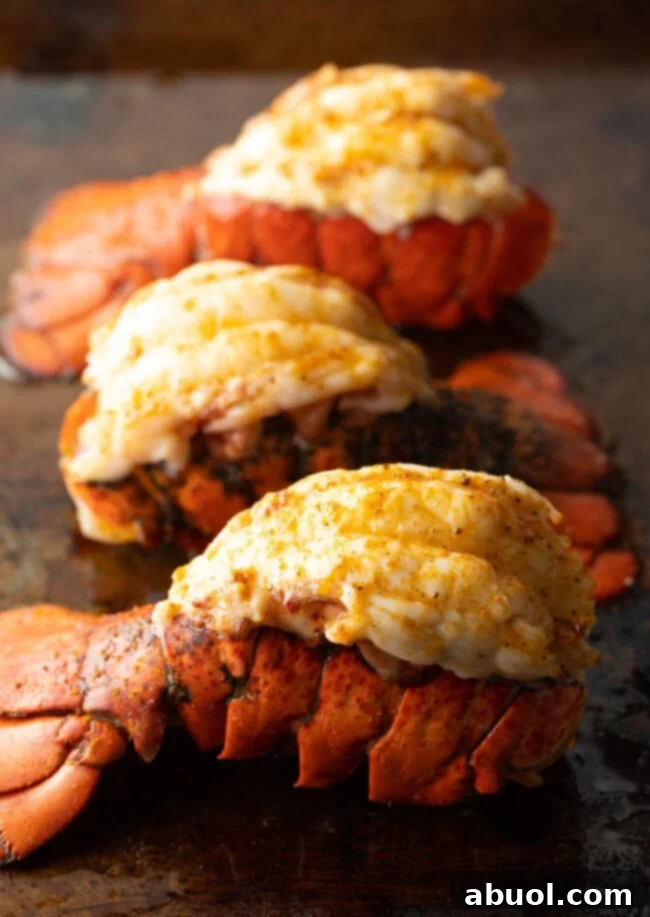
Dreaming of a luxurious, restaurant-quality dinner without ever leaving your kitchen? Lobster tails are often perceived as a delicacy reserved for special occasions or high-end dining, but the exciting truth is that preparing them perfectly at home is surprisingly simple and incredibly rewarding. This comprehensive guide will demystify the process, providing you with easy, no-fail methods to cook succulent, flavorful lobster tails every single time. Get ready to impress your guests, or simply treat yourself, to an exquisite culinary experience.
Mastering Lobster: Your Definitive Home Cooking Guide
Many home cooks shy away from preparing lobster, intimidated by its gourmet reputation. However, this guide is designed to transform that apprehension into confidence. We believe that everyone deserves to enjoy perfectly tender and tasty lobster without the exorbitant restaurant price tag. Here, you’ll discover multiple tried-and-true cooking methods—baking, grilling, steaming, and even air frying—ensuring you have the flexibility to choose the best approach based on your equipment and desired outcome. Our step-by-step instructions and insider tips guarantee a flawless lobster dish, making it your go-to resource for creating memorable meals at home.
The Great Lobster Debate: Why You Should Never Boil Lobster Tails
When it comes to cooking methods for lobster, there’s one that consistently underperforms and should be avoided: boiling. While boiling is an age-old technique, it unfortunately extracts much of the delicate flavor and natural sweetness from the lobster meat into the cooking water. This often results in a bland, watery, and disappointingly chewy texture, failing to showcase the true potential of this exquisite seafood. It is our strong conviction that you should never boil lobster tails. For stovetop preparation, steaming is the far superior choice, as it gently cooks the meat with moist heat, locking in all those precious juices and robust flavors, yielding a much more tender and enjoyable result.
Continue reading to unlock the best steps for prepping and cooking these delightful tails using methods that truly honor their taste and texture.
Essential Ingredients for Perfect Lobster Tails
Creating a gourmet lobster dish doesn’t require an extensive shopping list. In fact, the beauty of lobster lies in its inherent flavor, which is best highlighted with simple, high-quality ingredients. Here’s what you’ll need to prepare your succulent lobster tails:
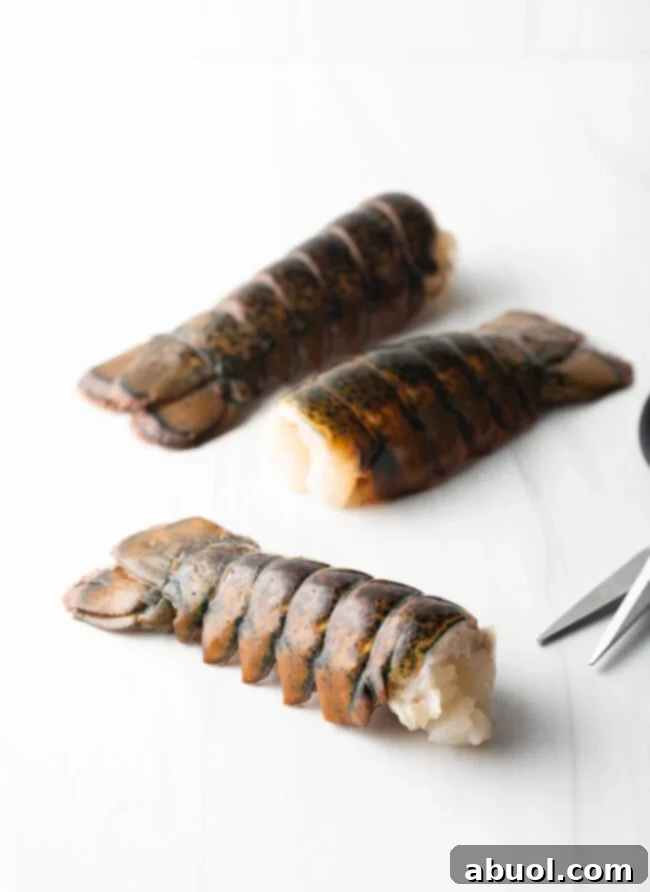
- Lobster Tails: The star of our show! For optimal flavor and texture, always choose fresh lobster tails when possible. If fresh isn’t available, high-quality frozen tails are a great alternative. Just be sure to thaw them completely in the refrigerator before you begin cooking. Proper thawing is crucial to prevent uneven cooking and maintain the meat’s tenderness. Avoid thawing at room temperature or in hot water, as this can negatively impact the texture.
- Butter: Unsalted butter is our top recommendation, as it gives you complete control over the seasoning and prevents the dish from becoming overly salty. Clarified butter, also known as ghee, is another fantastic option. Ghee has a higher smoke point, making it ideal for high-heat cooking methods like grilling or broiling, and it adds a wonderfully rich, nutty dimension to the lobster.
- Salt and Pepper: Often, the natural sweetness of lobster is best enhanced with just a sprinkle of sea salt and freshly ground black pepper. These basic seasonings allow the lobster’s true taste to shine.
- Optional Seasonings: For those who enjoy a little extra kick or a specific flavor profile, consider adding a dash of quality Cajun seasoning or a robust blackening seasoning. These can introduce fantastic depth and a spicy warmth that beautifully complements the lobster.
When purchasing lobster tails, take note of their size. Most commonly, you’ll find tails at the supermarket or fish market ranging from 3-4 ounces (considered small to medium) or 6-8 ounces (larger). All our cooking methods are carefully adjusted to fit these common sizes. If your tails happen to be larger than 8 ounces, simply add a bit of extra cooking time. The golden rule for perfectly cooked lobster is to ensure the internal temperature reaches between 135°F and 140°F (57°C to 60°C).
Pro Tip: Always use a reliable meat thermometer to verify the internal temperature. This simple step is the ultimate safeguard against overcooking, guaranteeing that your lobster remains tender, juicy, and never rubbery.
Essential Tools for Culinary Success: Your Lobster Cooking Arsenal
Having the right tools on hand will make the preparation and cooking of lobster tails a smooth and enjoyable process. You don’t need highly specialized equipment, just a few key items:
- Sharp Kitchen Shears: This is arguably the most valuable tool for prepping lobster tails. A sharp pair of kitchen shears effortlessly cuts through the tough lobster shell, making tasks like butterflying or splitting the shell much easier and safer than using a knife. If kitchen shears aren’t available, a sturdy chef’s knife can be used, but exercise extra caution.
- Meat Thermometer: Absolutely essential, especially for newcomers to lobster cooking or when dealing with varying tail sizes. A digital instant-read meat thermometer takes the guesswork out of determining doneness, ensuring your lobster reaches the ideal internal temperature of 135-140°F without becoming overcooked and tough. This investment will pay off in perfectly cooked seafood every time.
- Sturdy Metal Tongs: A good pair of metal tongs provides a firm grip and is indispensable for safely handling hot lobster tails. They are particularly crucial when flipping tails on a hot grill or transferring them from a steaming basket or baking sheet.
- Basic Kitchen Equipment: Your chosen cooking method will dictate which additional items you need:
- Baking Sheet: Essential for baking or broiling lobster tails in the oven. A rimmed baking sheet helps contain any butter or juices.
- Steaming Basket and Large Pot: If you opt for steaming, a steaming basket that fits into a large pot (6-8 quart is suitable) will be necessary.
- Air Fryer: For the quickest and easiest method, an air fryer is a convenient appliance that circulates hot air to cook the lobster evenly.
Cleaning and Preparing Lobster Tails for Cooking
Proper preparation is the first step toward achieving a beautiful presentation and evenly cooked, flavorful lobster. Follow these steps carefully:
First, begin by rinsing the lobster tails thoroughly under cool running water. Gently scrub the exterior of the shell with a clean brush or your fingers to remove any lingering debris, taking care not to damage the delicate meat inside. Once clean, pat the tails completely dry with a clean paper towel or kitchen cloth. Excess moisture can hinder proper browning and seasoning adhesion.
There are two primary, excellent methods for preparing a lobster tail before cooking. Each offers distinct advantages in terms of presentation and protection during cooking:
Method 1: Cooking Lobster Tails in the Shell
This approach involves cutting down the top of the shell but leaving the meat largely nestled within. It’s an excellent choice if you’re prone to overcooking proteins, as the shell acts as a protective barrier, helping to keep the lobster meat incredibly tender and juicy. This method is also often preferred for grilling, as it minimizes the meat’s direct exposure to high heat and potential flare-ups.
- Using a sharp pair of kitchen shears, carefully cut a straight line down the top center of the hard lobster shell. Cut all the way towards the fin, stopping just before you reach it.
- Gently use your fingers or a small spoon to loosen and separate the raw tail meat from the inside walls of the shell. Crucially, ensure the tail meat remains connected at the base, near the fin. This creates a convenient channel for seasoning and helps the meat cook more uniformly.
Method 2: Butterflying Lobster Tails for Elegant Presentation
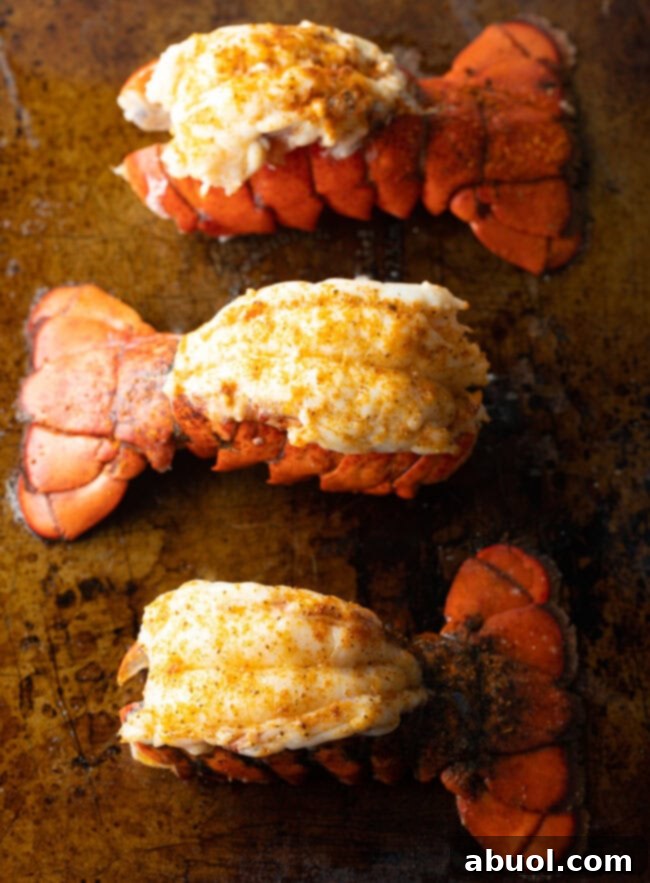
Butterflying is a more visually impressive way to serve lobster, creating a striking “piggyback” presentation where the meat is lifted and rests atop the opened shell. This method allows for maximum surface area for seasoning and ensures the meat is easily accessible for diners.
- Similar to the previous method, use your sharp kitchen shears to cut a seam down the top center of the lobster tail, moving towards the fin.
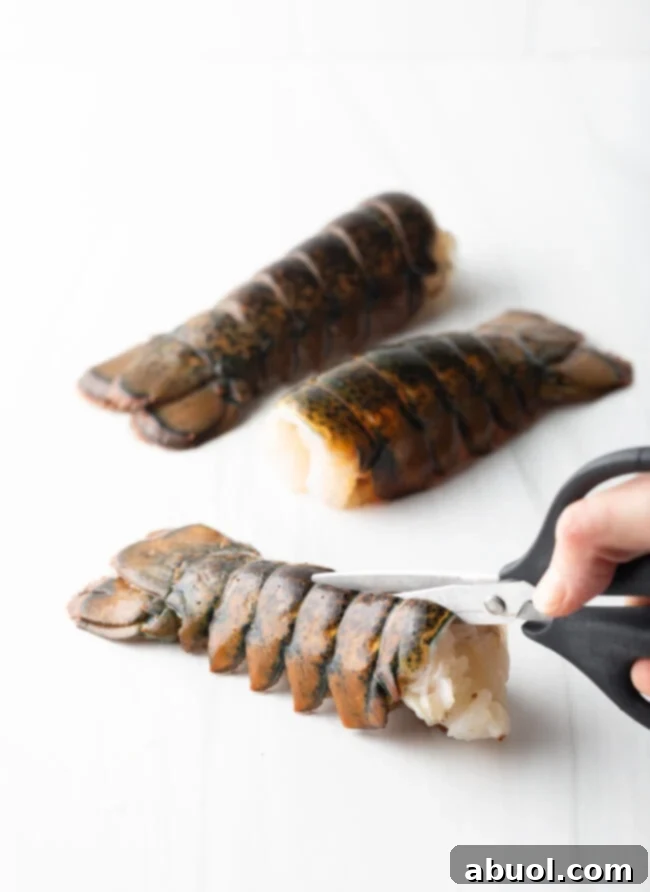
- Once the shell is cut, gently pull at the cut edges to carefully spread the shell apart. Be mindful not to completely crack or separate the shell into two halves.
- Using your fingers, carefully separate the tail meat from the inside of the shell walls, ensuring it remains connected at the very base, near the fin. This is the critical step for achieving the butterflied look.
- With the meat loosened, gently pull the tail meat upwards and over the opened shell, then delicately rest it on top of the empty shell. Arrange the meat beautifully to create an impressive presentation.
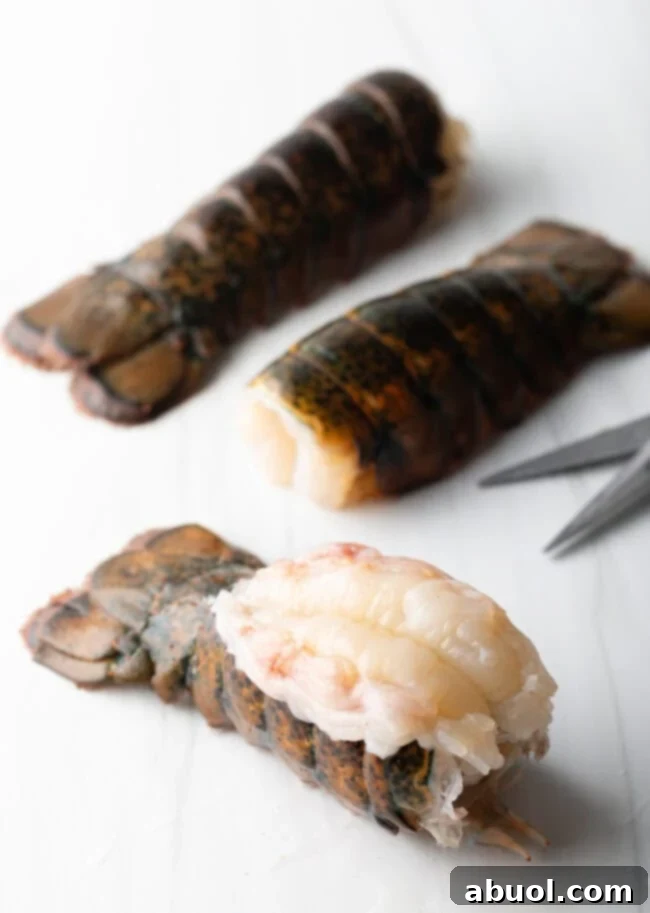
Final Seasoning Before Cooking:
Regardless of the preparation method you choose, a crucial final step before cooking is to brush the exposed lobster meat with a generous amount of melted butter. This not only adds luxurious richness but also acts as a binder for your chosen seasonings. After buttering, sprinkle generously with salt and pepper, or your preferred Cajun seasoning. This direct application of flavor ensures every bite is infused with deliciousness.
Ready to Cook? Get the Complete Step-by-Step Recipe and Expert Tips Below!
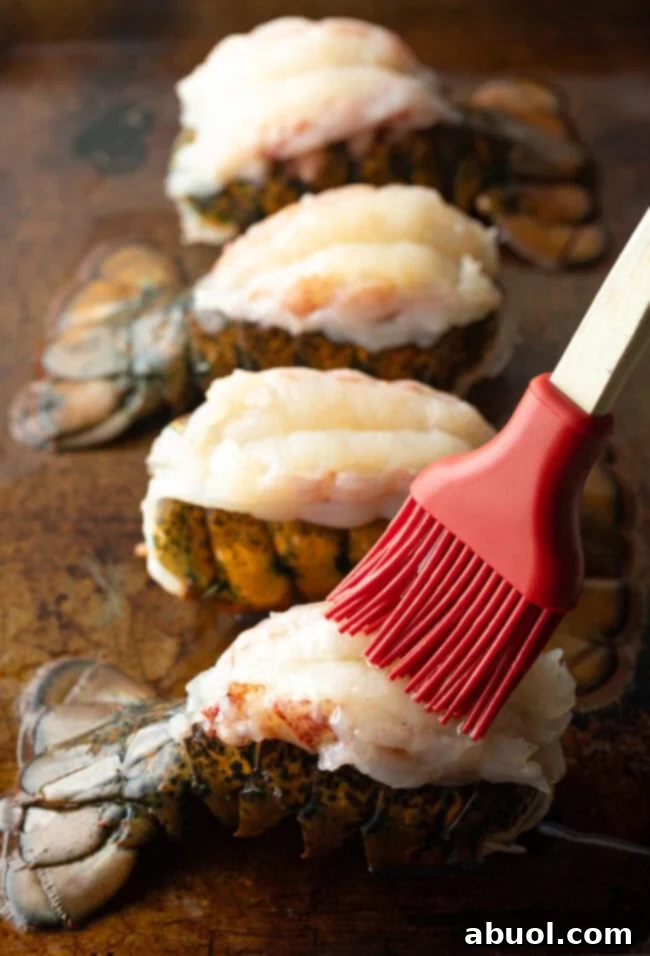
Baking Lobster Tails: An Effortless Path to Tenderness
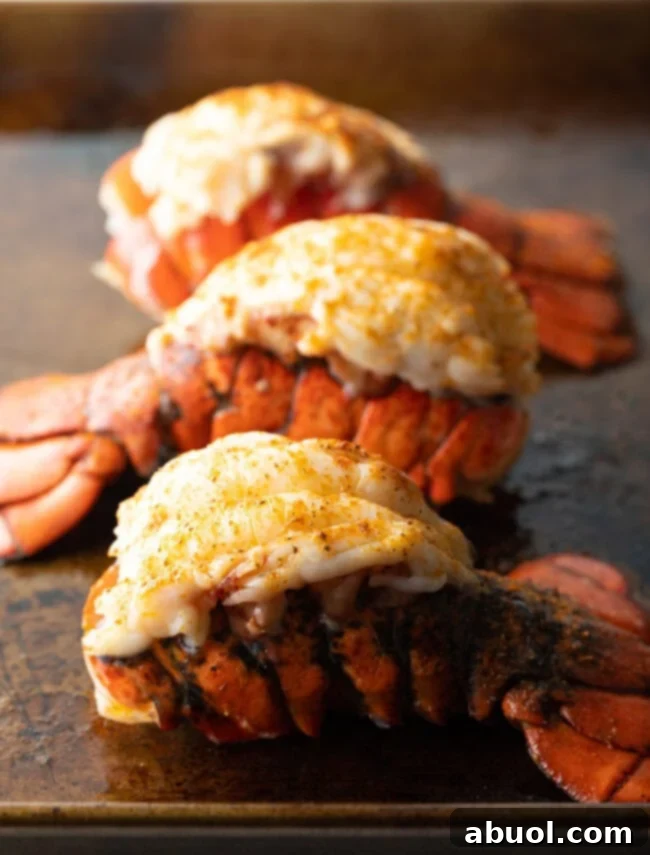
Baking is arguably one of the most reliable and forgiving methods for cooking lobster tails, consistently delivering tender, juicy results with minimal fuss. It’s an excellent choice for novice cooks and ideal when preparing multiple tails simultaneously.
- Preheat Your Oven: Start by preheating your oven to 400°F (200°C).
- Prepare for Baking: Place your prepared lobster tails (whether you’ve opted for in-shell protection or elegant butterflied presentation) on a rimmed baking sheet. Ensure there’s adequate space between each tail to promote even cooking.
- Bake to Perfection: Once the oven is hot, carefully transfer the baking sheet into the oven.
- For smaller 3-4 ounce lobster tails, bake for approximately 10-12 minutes.
- For larger 6-8 ounce lobster tails, anticipate a baking time of about 15-20 minutes.
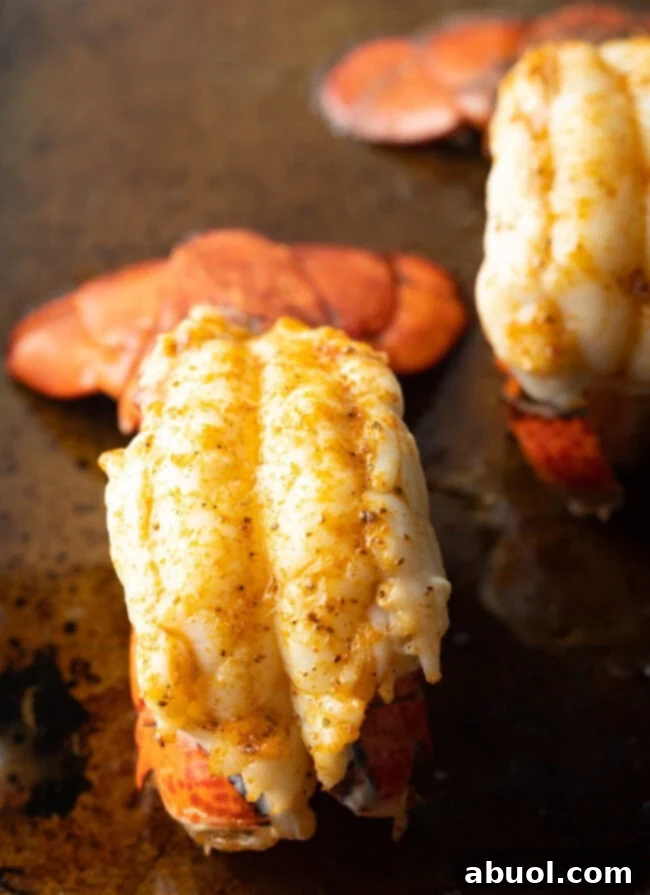
- Crucial Doneness Check: Always use a reliable meat thermometer. Insert the thermometer into the thickest part of the lobster meat. Lobster is perfectly cooked when its internal temperature registers between 135°F and 140°F (57°C to 60°C). Visually, the meat will transform from translucent to an opaque white and feel firm. If your tails haven’t reached the target temperature at the lowest recommended time, continue baking for a few more minutes, checking frequently to prevent overcooking.
Considering Broiling Lobster Tails?
Broiling offers a rapid and intense cooking method, perfect for achieving a beautifully caramelized top on your butterflied lobster tails. The direct, high heat creates a delightful textural contrast.
- Preheat Broiler: Set your oven’s broiler to high (typically around 500°F / 260°C). Position your oven rack about 6-8 inches away from the broiler element.
- Broil with Vigilance: Place your prepared lobster tails on a baking sheet.
- Broil smaller 3-4 ounce tails for a short 2-3 minutes.
- Broil larger 6-8 ounce tails for 3-5 minutes.
- Watch Closely: Broiling is a very fast process. Monitor the tails continuously to prevent burning. As always, verify doneness using your meat thermometer.
Grilling Lobster Tails: Infusing Smoky Outdoor Flavor
Grilling imparts a magnificent smoky depth to lobster, making it a perennial favorite for outdoor gatherings and barbecue enthusiasts. To best protect the delicate lobster meat from charring or drying out from direct flame flare-ups, it is generally recommended to grill lobster tails with the meat remaining mostly within the shell (as prepared in Method 1 of our prep section).
- Preheat Your Grill: Ignite your grill and preheat it to a medium-high temperature, aiming for approximately 425°F (220°C). Ensure the grates are clean and lightly oiled to prevent sticking.
- First Side Grill: Place the prepared lobster tails directly on the hot grill grates, with the cut-side of the shell facing down. Cook for:
- Small 3-4 ounce tails: 3 minutes.
- Larger 6-8 ounce tails: 5 minutes.
- Flip and Finish: Carefully flip the tails over so they are now shell-side down. Continue grilling for:
- Small 3-4 ounce tails: An additional 1 minute.
- Larger 6-8 ounce tails: An additional 2 to 3 minutes.
- Confirm Doneness: As with all cooking methods, verify doneness by inserting a meat thermometer into the thickest part of the lobster meat. The ideal internal temperature for tender, juicy lobster is between 135°F and 140°F (57°C to 60°C). Adjust cooking time as needed, checking frequently to avoid overcooking.
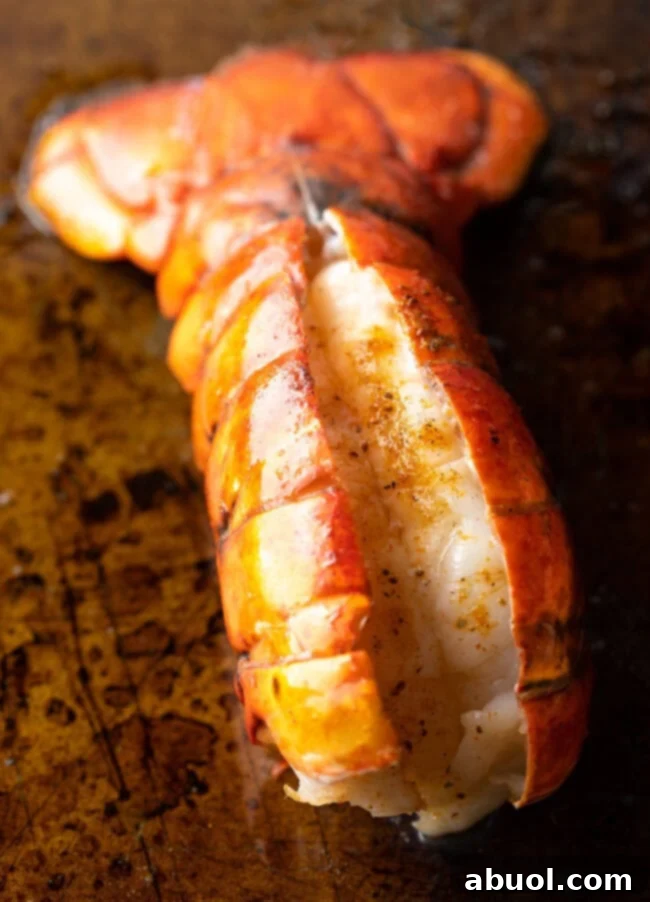
Steaming Lobster Tails: Gentle Cooking for Unrivaled Tenderness
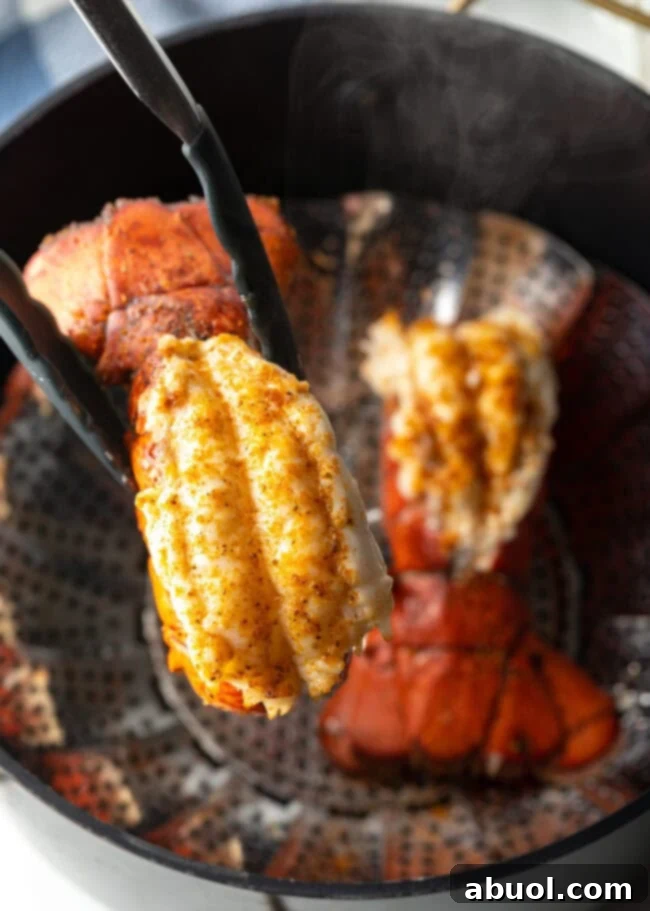
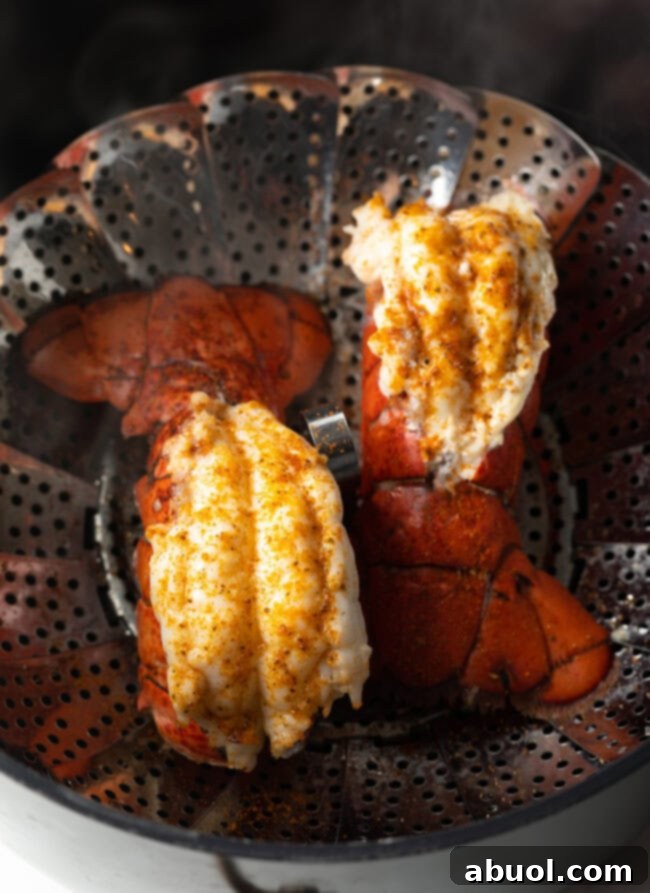
Steaming is an outstanding alternative to boiling, as it cooks lobster tails gently with moist, circulating heat. This method masterfully preserves their natural juices, delicate texture, and sweet oceanic flavor, resulting in incredibly tender lobster every time. It’s perfect for those who appreciate a pure, unadulterated lobster taste.
- Setup Your Steamer: Begin by placing a large pot (a 6-8 quart capacity is ideal) on your stovetop. Insert a steamer basket into the bottom of the pot, ensuring it sits securely above where the water level will be. Add approximately 1 inch of water to the pot, making sure it does not touch the bottom of the steamer basket.
- Bring Water to a Boil: Cover the pot tightly with a lid and bring the water to a rapid, rolling boil over high heat. The steam trapped within is what will cook your lobster.
- Steam the Tails: Once the water is vigorously boiling, carefully place your prepared lobster tails (either in-shell or butterflied) into the steamer basket. Arrange them in a single layer if possible to ensure even cooking. Cover the pot tightly once more to trap all the steam.
- Steam smaller 3-4 ounce lobster tails for 5 to 6 minutes.
- Steam larger 6-8 ounce lobster tails for 8 to 9 minutes.
- Verify Doneness: As always, a meat thermometer is your most reliable tool. Insert it into the thickest part of the lobster meat. Your lobster is perfectly cooked when it reaches an internal temperature of 135°F to 140°F (57°C to 60°C). You’ll also notice the shells turn a vibrant red, and the meat will be opaque and firm yet yielding.
Air Frying Lobster Tails: The Modern, Quick, and Convenient Approach
For a remarkably fast and convenient method to cook lobster tails that results in a beautifully tender interior and a slightly crisped exterior, the air fryer is an absolute game-changer. This appliance utilizes circulating hot air to achieve perfectly cooked lobster with minimal oil and effort.
- Preheat Your Air Fryer: Begin by preheating your air fryer to 380°F (190°C). Allowing it to preheat properly ensures even cooking from the start.
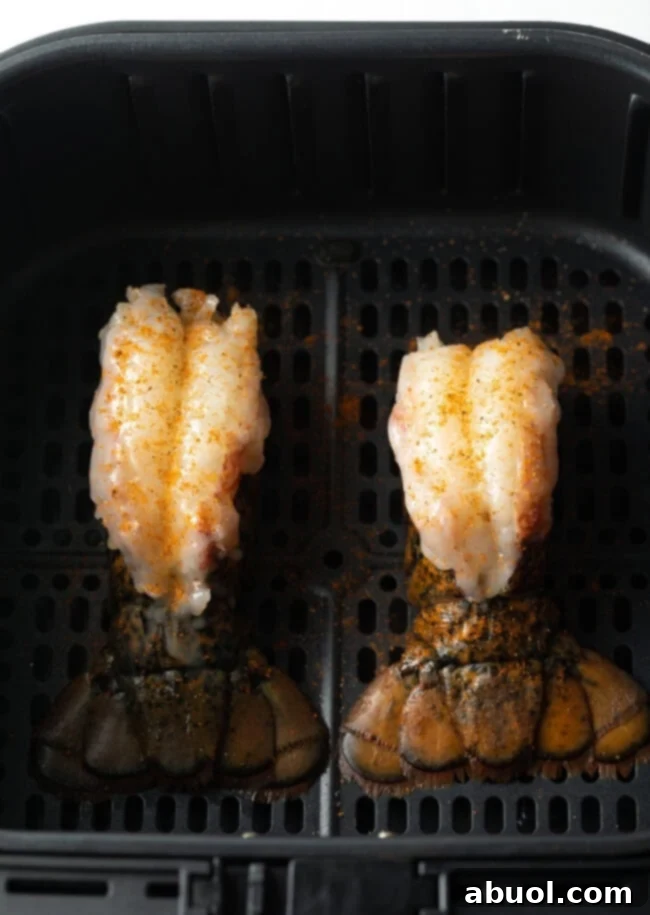
- Arrange Tails in Basket: Once the air fryer is hot, carefully place your prepared lobster tails into the air fryer basket. For best results, arrange butterflied tails cut-side-up. Avoid overcrowding the basket; if you’re cooking more than two tails, it’s better to cook them in batches to allow for optimal hot air circulation and even crisping.
- Air Fry Times:
- Air fry smaller 3-4 ounce lobster tails for 3 to 5 minutes.
- Air fry larger 6-8 ounce lobster tails for 5 to 7 minutes.
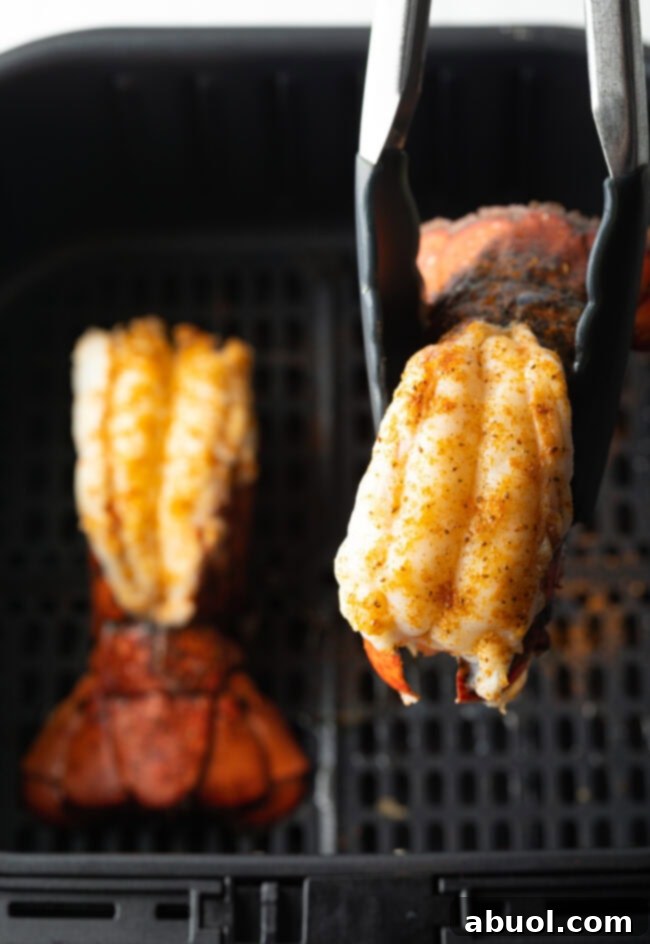
- Crucial Doneness Check: Always use a meat thermometer inserted into the thickest part of the lobster meat to confirm doneness. The ideal internal temperature is between 135°F and 140°F (57°C to 60°C). The meat should appear opaque and firm but still yield to gentle pressure, indicating tenderness. Adjust cooking time by a minute or two if needed, checking frequently.
Serving Suggestions: Elevate Your Lobster Experience
Once your lobster tails are perfectly cooked, the true enjoyment begins! The simplest and often most beloved way to serve them is straight from the shell, accompanied by a small ramekin of additional clarified butter (or simply melted unsalted butter) and a fresh lemon wedge. The vibrant acidity of the lemon beautifully complements the rich sweetness of the lobster and butter.
Craft Your Signature Butter Dipping Sauces:
While classic clarified butter is always a winner, you can easily create more adventurous and flavorful dipping sauces to elevate the experience. Simply melt your butter or ghee and stir in any of these delightful additions:
- Classic Garlic & Herb: Infuse your melted butter with finely minced fresh garlic, along with a medley of chopped fresh parsley, thyme, and/or rosemary.
- Bright Lemon-Garlic: Combine freshly grated lemon zest with minced garlic for a wonderfully aromatic and tangy butter that truly enhances the lobster’s flavor.
- Spicy Kick: For those who love a hint of heat, stir in a pinch of cayenne pepper, a dash of smoked paprika, or a few drops of your favorite hot sauce.
- Old Bay Perfection: A generous sprinkle of Old Bay seasoning into your melted butter creates a classic, savory seafood dipping sauce that is undeniably delicious.
The Perfect Pairings: Creating a Memorable Meal
Lobster tails are a show-stopping main course. They are a quintessential component of an impressive “surf and turf” dinner, pairing exquisitely with a perfectly cooked steak. Consider serving them alongside:
- A luxurious Steak au Poivre with Cognac Cream
- A decadent Steak Diane (Cheesecake Factory Copycat)
- Or a perfectly grilled filet mignon or New York strip.
For side dishes, opt for options that complement the richness of the lobster without overpowering it. A crisp green salad with a light vinaigrette, roasted asparagus with lemon, lemon-garlic broccoli, or a creamy mushroom risotto are all fantastic choices. Don’t forget other wonderful dipping sauces like a zesty cocktail sauce or a vibrant spicy mustard seafood sauce!
Beyond the Shell: Utilizing Cooked Lobster Meat
The beautifully cooked lobster meat from these methods can also be creatively incorporated into a variety of other delicious recipes. Once cooked and cooled, gently chop the meat and use it to elevate dishes such as:
- Gourmet Lobster Tostadas
- Rich and creamy lobster bisque
- Elegant lobster salads, perfect for sandwiches or rolls
- Hearty seafood stews, pasta dishes, or mac and cheese.
Frequently Asked Questions About Cooking Lobster Tails
How do you know when lobster tails are done?
The most reliable indicator of perfectly cooked lobster tails is their internal temperature. Use an instant-read meat thermometer inserted into the thickest part of the meat; it should register between 135°F and 140°F (57°C to 60°C). Visually, raw, translucent lobster meat will turn into an opaque, pearly white color throughout, and the flesh will be firm yet still tender. Overcooked lobster, on the other hand, will appear shrunken and become rubbery or tough, so careful monitoring is essential.
Is it better to boil or bake lobster tails?
Without a doubt, baking is a far superior method to boiling for cooking lobster tails. Boiling exposes the delicate lobster meat to direct water, which leaches away its natural flavors and often results in a tough, unappetizing texture. Baking, along with steaming, grilling, or air frying, uses heat more gently or indirectly, preserving the lobster’s sweet flavor and tender consistency. We strongly recommend against boiling to achieve truly succulent results every time.
Can you cook lobster tails from frozen?
While fresh lobster tails always offer the peak culinary experience, cooking from frozen is certainly possible if thawed correctly. It is crucial to fully thaw frozen lobster tails before cooking to ensure even heat distribution and prevent the meat from becoming tough or rubbery. The ideal method is a slow thaw: place the frozen tails in a shallow pan and leave them in the refrigerator overnight. For a quicker defrost, seal the frozen tails in an airtight zipper bag, press out all excess air, and submerge the bag in a bowl of cold water for approximately 1 to 2 hours, changing the cold water every 30 minutes until they are completely defrosted.
How do I choose the freshest lobster tails?
When selecting fresh lobster tails, look for those that are firm to the touch and feel heavy for their size, indicating good meat content. The meat itself should appear translucent and glistening, not opaque, dry, or discolored. The shell should be intact without cracks or black spots, which can be signs of decay. A fresh lobster tail should have a clean, subtle oceanic aroma, without any strong or “fishy” odor. If purchasing from a fishmonger, don’t hesitate to ask about the origin and catch date for the freshest selection.
More Impressive (But Easy!) Dinner Recipes to Delight Your Palate
If you’ve enjoyed mastering the art of cooking lobster, you might be looking for other fantastic recipes that deliver gourmet flavors with approachable ease. Here are some of our top recommendations for special occasions or simply to elevate your weeknight dining:
- The Best Beef Wellington Recipe
- Best Smoked Prime Rib with Au Jus
- Sheet Pan Low Country Boil
- Pan Seared Scallops
- Brown Sugar Ham (Glaze Recipe)
- Best Tuna Tartare (Easy Ahi Tuna Recipe)
- Candy Grapes
- Top Round Roast
- Peach Burrata Caprese Salad
- Whipped Ricotta (Sweet and Savory Options)
We hope this ultimate guide has empowered and inspired you to confidently cook succulent lobster tails at home, turning every meal into a special occasion. Enjoy your culinary adventures!
How to Cook Lobster Tail (Best Methods)
Learn the easy steps and no-fail top tips for how to clean and prepare lobster tails, then bake, steam, grill, or air fry them so they are succulent and perfect for any occasion!

Prep Time: 15 minutes
Cook Time: 10 minutes
Total Time: 25 minutes
Servings: 2 servings
Ingredients
- 2 lobster tails
- 1 tablespoon butter or ghee (clarified butter)
- Salt and pepper or Cajun seasoning
Instructions
How to prepare lobster tails for cooking:
- To butterfly a lobster tail: Use a sharp pair of kitchen shears to cut a seam down the top center of the lobster tail towards the fin. Gently pull at the seam to separate the tail meat, being careful not to crack the shell.
- Use your fingers to separate the tail meat from the inside of the shell, leaving the tail meat connected at the base near the fin.
- Gently pull the tail meat up and over the shell, then rest it on the top of the empty shell for a beautiful presentation.
- If cooking the lobster tails in the shell: Simply cut down the top center of the shell towards the fin with kitchen shears. Then use your finger to separate the tail meat from the inside of the shell, leaving it connected at the base.
- When ready to cook: Brush the top of the lobster meat with melted butter. Then sprinkle with salt and pepper or with Cajun seasoning.
How to bake lobster tails:
- Preheat the oven to 400°F (200°C). Place the prepared lobster tails on a rimmed baking sheet.
- Bake small 3-4 ounce lobster tails for 10-12 minutes, or larger 6-8 ounce lobster tails for 15-20 minutes. Use a meat thermometer to check doneness; internal temperature should be 135-140°F (57-60°C).
How to grill lobster tails:
- It’s best to leave lobster tails inside the shell for grilling to protect the meat. Preheat the grill to 425°F (220°C).
- Once hot, grill the lobster tails cut-side-down for 3 minutes (small tails) or 5 minutes (larger tails). Then flip and cook an additional 1 minute (small tails) or 2-3 minutes (larger tails). Check internal temperature for doneness (135-140°F / 57-60°C).
How to steam lobster tails:
- Set a large 6-8 quart pot on the stovetop with a steaming basket and 1 inch of water. Cover and bring to a boil.
- Place the prepared lobster tails in the steam basket. Cover the pot tightly.
- Steam small 3-4 ounce lobster tails for 5-6 minutes. Steam larger 6-8 ounce lobster tails for 8-9 minutes. Check internal temperature for doneness (135-140°F / 57-60°C).
How to air fry lobster tails:
- Preheat the air fryer to 380°F (190°C). Place two lobster tails (preferably butterflied, cut-side-up) in the basket, ensuring no overcrowding.
- Air fry smaller 3-4 ounce lobster tails for 3-5 minutes. Air fry larger 6-8 ounce lobster tails for 5-7 minutes. Check internal temperature for doneness (135-140°F / 57-60°C).
Notes
- Lobster tails are best when the internal temperature reads between 135°F and 140°F (57°C to 60°C). They are cooked, yet still soft and tender.
- For dipping lobster tails, melt ghee or clarified butter. Consider enhancing it with:
- Old Bay seasoning
- Fresh thyme, rosemary, and garlic
- Lemon zest and garlic
- Cayenne pepper and smoked paprika
Nutrition Information (per serving)
- Serving: 1 pc
- Calories: 99 kcal
- Carbohydrates: 0.01g
- Protein: 11g
- Fat: 6g
- Saturated Fat: 4g
- Polyunsaturated Fat: 0.4g
- Monounsaturated Fat: 2g
- Trans Fat: 0.2g
- Cholesterol: 95mg
- Sodium: 313mg
- Potassium: 128mg
- Sugar: 0.01g
- Vitamin A: 177IU
- Calcium: 55mg
- Iron: 0.2mg
Course: Holiday, How To, Main, Main Course
Cuisine: American
Author: Sommer Collier