
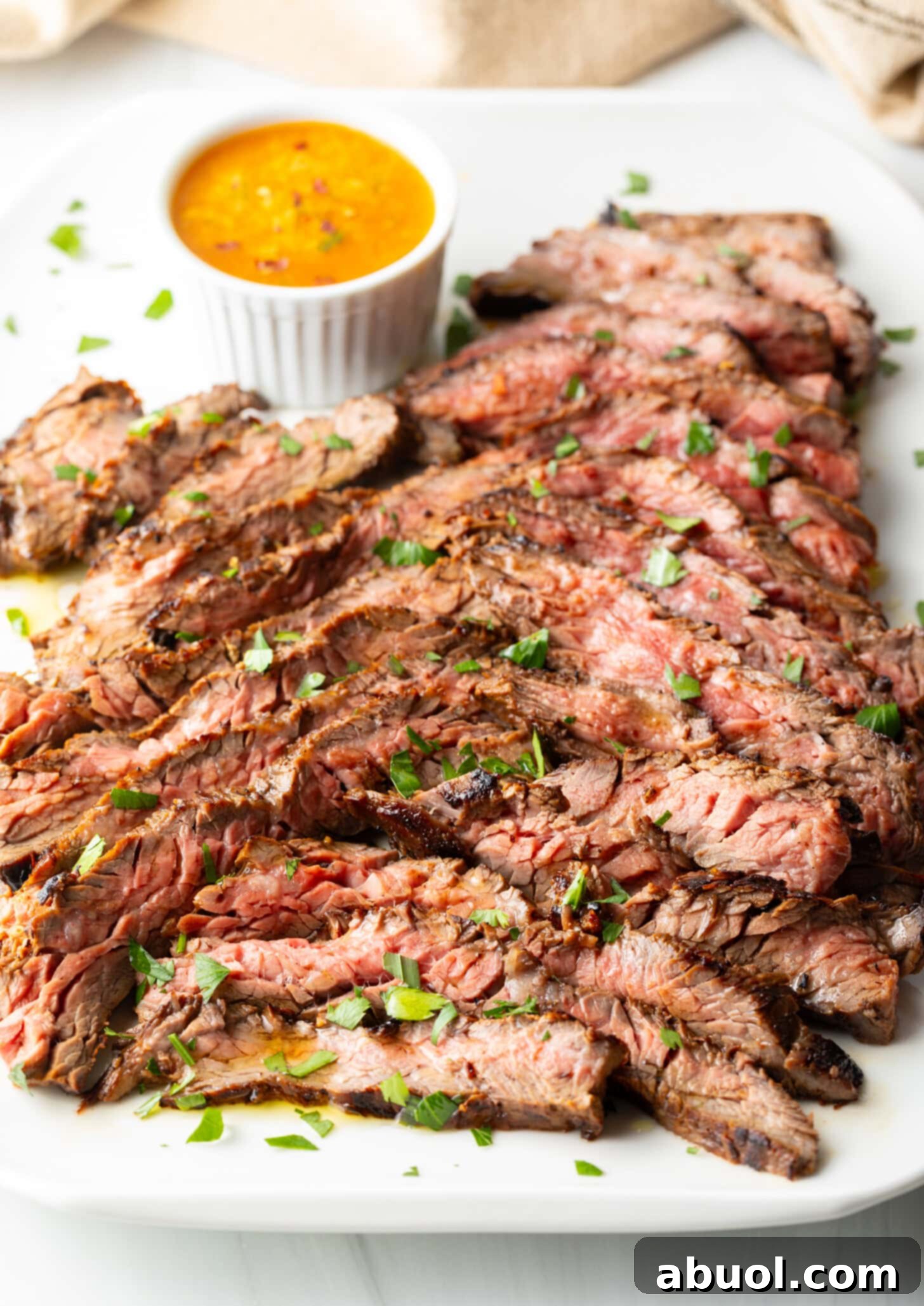
Embark on a culinary adventure that will redefine your perception of steak! Often overlooked, Bavette steak – also known as Flap Meat or the surprisingly delightful “Sugar Steak” – is a true hidden gem in the world of beef. With its remarkable tenderness and rich flavor profile, this versatile cut, when prepared correctly, promises an unforgettable dining experience that rivals more expensive options. This comprehensive guide will walk you through transforming an underestimated piece of meat into perfectly seared, melt-in-your-mouth steak, complete with a bright, simple citrus marinade that tenderizes and infuses every fiber with incredible taste. Get ready to discover your new favorite steak recipe, designed for both novice cooks and seasoned grill masters looking for an accessible yet extraordinary meal.
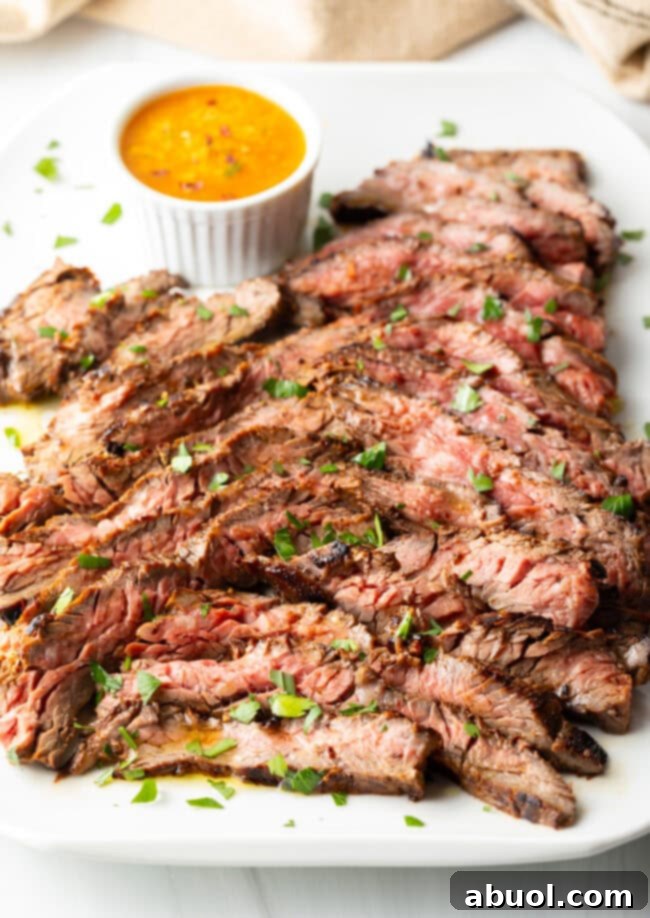
Why Bavette Steak is a Culinary Game Changer
While its name might suggest a gourmet rarity, Bavette steak is, in fact, an often underrated and underutilized cut of beef that deserves a prominent place on your dinner table. We are here to champion this fantastic steak, persuading you to choose it over more commonly known cuts like skirt steak or flank steak. Its unique characteristics make it an exceptional choice for a variety of dishes, offering superb flavor and texture without the premium price tag.
The magic of our Bavette steak recipe lies in transforming this cut into what we affectionately call “Sugar Steak.” This approach involves a simple yet potent citrus marinade that not only tenderizes the lean muscle fibers but also helps create an irresistible caramelized crust when seared. The marinade, a harmonious blend of sweet orange juice, pungent garlic, rich brown sugar, and a carefully selected mix of spices, penetrates deep into the meat. This ensures every bite is bursting with flavor, balancing the inherent beefiness of the Bavette with a delightful sweetness and a hint of acidity.
The lean, open-grained structure of Bavette steak makes it exceptionally adept at absorbing marinades. Unlike denser cuts, its fibers readily drink up the liquid, leading to a steak that is remarkably flavorful, tender, and juicy from edge to edge. This marinade acts as both a flavor enhancer and a tenderizer, preparing the meat for an optimal cooking experience.
While Bavette steak can certainly be grilled to perfection, our preferred method for achieving that coveted “Sugar Steak” caramelization is searing it in a hot cast-iron skillet. The intense, even heat of cast iron creates a beautiful, crusty exterior that locks in juices, offering a textural contrast to the tender interior. If you don’t have a cast-iron skillet or griddle large enough for the entire steak, simply cut it in half and cook in batches or use two skillets. Though other cooking methods like gas grills, charcoal grills, or grill pans can be used, they may not provide the same level of full-surface caramelization that makes this “Sugar Steak” so special.
Understanding Flap Steak: The Underrated Bavette
Bavette steak frequently finds itself mistakenly identified as flank steak, a common mix-up in many grocery stores across the USA where it’s more often labeled as “flap steak.” However, understanding the distinctions between these cuts is key to appreciating the unique qualities of Bavette.
Despite originating from a region adjacent to both flank and skirt steaks, Bavette, officially known as sirloin flap steak, is anatomically classified as part of the bottom sirloin. This positional difference is crucial to its superior characteristics. Unlike the leaner flank steak, Bavette boasts a more intricate marbling of fat woven throughout its fibrous structure. This internal fat distribution is the secret to its significantly richer flavor profile and contributes to a more succulent eating experience.
While Bavette steak might be a lesser-known cut in the United States, its culinary virtues are celebrated globally. It is a beloved staple in European cuisines, particularly in France where “bavette d’aloyau” is a prized cut, as well as throughout Mexico, Central America, and South America. Its international popularity stems from its ability to offer a delicate yet tender texture, coupled with a more pronounced beefy flavor that often surpasses that of flank steak. Furthermore, a well-prepared sirloin Bavette steak avoids the common pitfall of toughness that can sometimes plague skirt and flank steaks, making it a reliable choice for consistent tenderness.
Its versatility is another major advantage. Given its similar grain structure and flavor absorption capabilities, Bavette steak serves as an excellent, often superior, substitute for flank steak in virtually any recipe. Whether you’re planning fajitas, stir-fries, or a simple grilled steak, opting for a butcher’s cut flap steak instead of flank will elevate your dish with its enhanced tenderness and deeper flavor.
Essential Ingredients for Your Perfect Bavette Steak
Crafting this succulent “Sugar Steak” requires a few key ingredients, each playing a vital role in developing its signature flavor and tender texture. Here’s what you’ll need to gather:
- Bavette Steak: The star of our dish, typically 2-3 pounds, also known as flap meat or sirloin flap steak. Look for a cut with good marbling.
- Orange Juice: About 1 cup. Freshly squeezed is always recommended for the brightest flavor, but quality store-bought orange juice works well too. The acidity in the orange juice is crucial for tenderizing the meat and providing a fresh, citrusy counterpoint to the rich beef. For a different twist, a smaller portion of lemon juice or even a mild vinegar can be substituted.
- Garlic: About 3-4 cloves, finely minced. Garlic is a foundational aromatic that infuses the steak with its pungent, savory depth, enhancing the overall beefy flavor.
- Light Brown Sugar: Half a cup, packed. This ingredient is central to the “Sugar Steak” concept. It not only adds a touch of sweetness but, more importantly, facilitates the Maillard reaction during searing, creating that beautiful, caramelized crust and balancing the marinade’s acidity.
- Spices:
- Sea Salt: About 1 tablespoon. Essential for seasoning the meat and drawing out its natural flavors.
- Freshly Cracked Black Pepper: About 1 teaspoon. Adds a sharp, aromatic kick that complements the richness of the beef.
- Crushed Red Pepper (Optional): About ½ – 1 teaspoon. For those who enjoy a subtle warmth and a hint of spice, crushed red pepper flakes provide a delightful background heat without overwhelming the other flavors. Adjust to your preference.
- Unsalted Butter: About 1 tablespoon. Added during searing, it contributes to the rich flavor and helps in achieving a golden-brown crust. Using unsalted butter allows you to control the overall saltiness of the dish.
- High-Heat Cooking Oil: About 1 tablespoon of olive oil, canola oil, or avocado oil. These oils have a high smoke point, making them ideal for searing at high temperatures without burning, ensuring a perfect crust on your steak.
With these simple yet powerful ingredients, you’ll be well on your way to preparing a Bavette steak that is flavorful, tender, and irresistibly delicious.
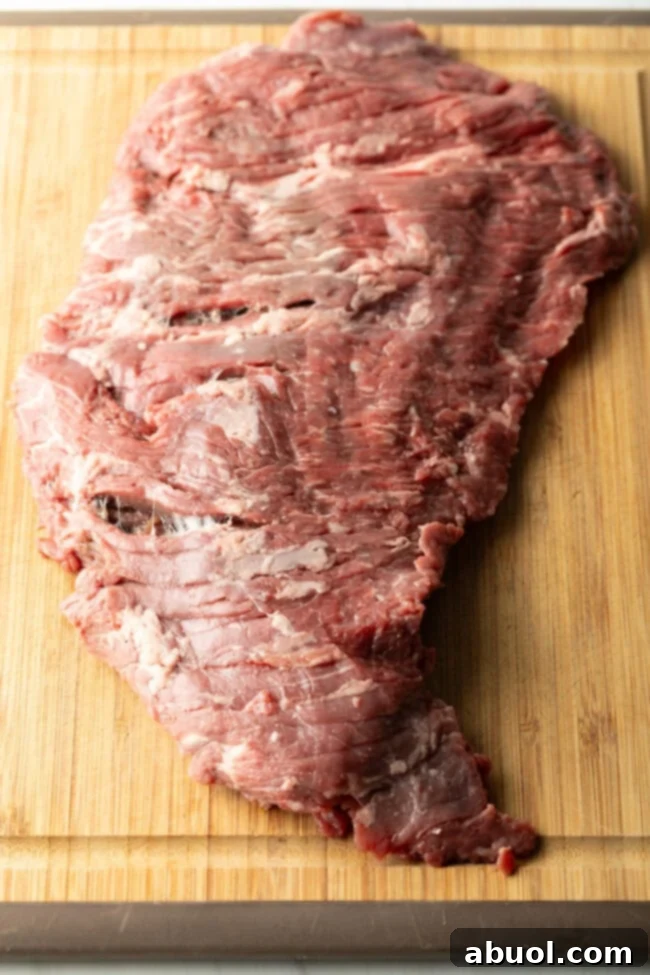
How to Perfectly Cook Bavette Steak for Melt-in-Your-Mouth Tenderness
Achieving a perfectly cooked Bavette steak is a straightforward process, but a few key steps ensure maximum flavor and tenderness. Follow these instructions closely for a truly outstanding meal:
1. Prepare the Flavorful Marinade
Begin by setting out a large, sealable plastic bag or a shallow baking dish. In your chosen container, combine the fresh orange juice, finely minced garlic, packed light brown sugar, sea salt, freshly cracked black pepper, and the optional crushed red pepper. Whisk all the ingredients thoroughly until the sugar and salt are dissolved and everything is well integrated. This creates the vibrant, sweet, and tangy base for our “Sugar Steak.”
2. Marinate the Bavette Steak
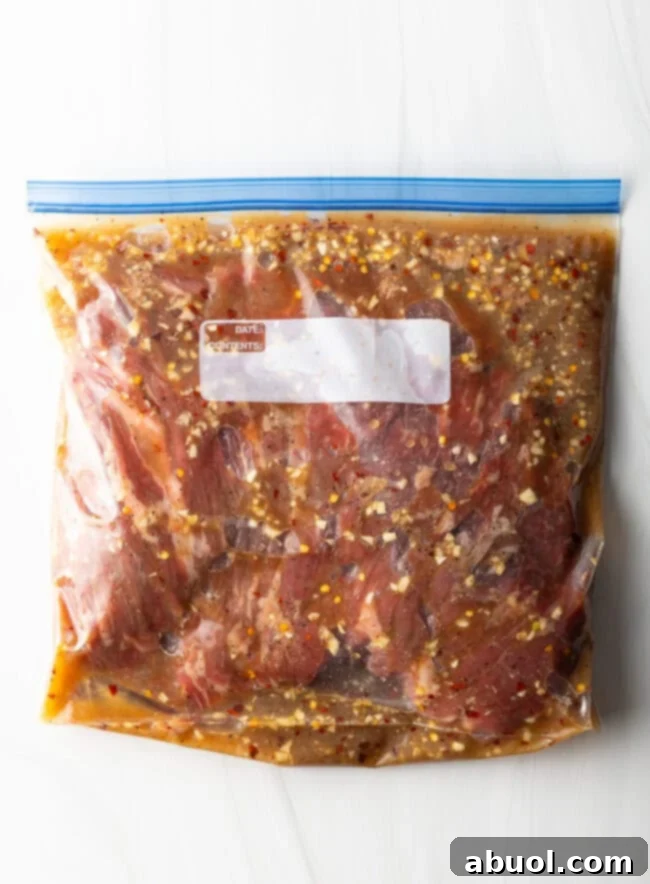
Carefully place the Bavette steak into the prepared marinade bag or dish, ensuring the meat is fully submerged and coated. If using a bag, press out as much air as possible before sealing tightly. If using a dish, cover it securely with plastic wrap. Transfer the marinating steak to the refrigerator for a minimum of one hour. For optimal flavor penetration and tenderization, you can marinate it for up to 24 hours. Avoid marinating for longer than 24 hours, as the acidity can begin to break down the meat fibers too much, leading to a mushy texture.
3. Prepare the Steak for Searing
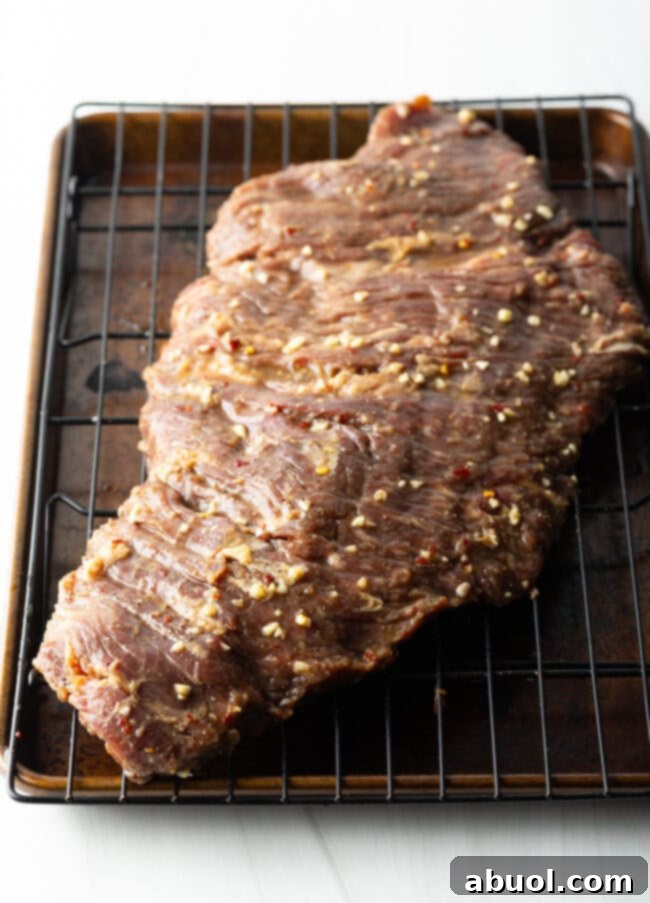
Once marinating is complete, remove the Bavette steak from the refrigerator and take it out of the marinade. It is crucial to allow the steak to dry for at least 30 minutes at room temperature before cooking. For best results, place the meat on a wire rack set over a deep-rimmed baking dish. This setup ensures air circulates evenly around the steak, promoting surface drying, while the dish catches any excess marinade drips. A dry surface is essential for achieving that perfect, deeply caramelized crust, as moisture on the surface will steam the meat rather than sear it.
4. Preheat Your Cast-Iron Skillet
Place an extra-large cast-iron skillet or a cast-iron griddle pan over high heat. Allow the pan to preheat for several minutes until it is screaming hot. You can test the heat by flicking a few drops of water onto the surface; they should sizzle and evaporate instantly. Proper preheating is vital for an immediate and effective sear.
5. Sear to Perfection
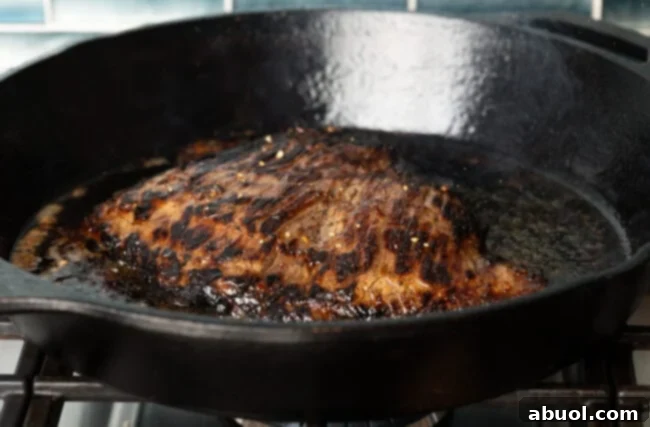
Once the pan is intensely hot, add the tablespoon of butter and the tablespoon of high-heat cooking oil (olive, canola, or avocado) to the skillet. Allow the butter to melt and foam, combining with the oil. Carefully place the Bavette steak into the hot skillet. Sear the steak for 4 to 5 minutes per side for a glorious medium-rare doneness. The key here is to ensure the entire surface of the steak is in full, direct contact with the hot pan. Press down gently with a spatula if needed to maximize contact, which is essential for developing that beautiful, rich caramelization and crust.
For different doneness levels, adjust cooking times:
- Rare: 3-4 minutes per side (internal temperature 125-130°F / 52-54°C)
- Medium-Rare: 4-5 minutes per side (internal temperature 130-135°F / 54-57°C)
- Medium: 5-6 minutes per side (internal temperature 135-140°F / 57-60°C)
- Medium-Well: 6-7 minutes per side (internal temperature 140-145°F / 60-63°C)
Use a meat thermometer inserted into the thickest part of the steak to accurately gauge doneness.
6. Rest the Steak
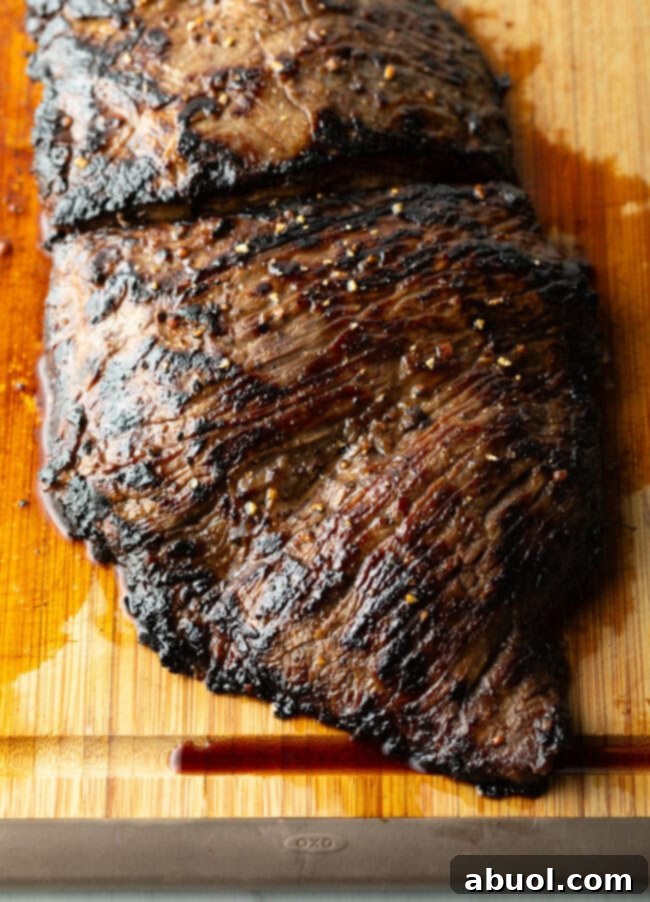
After searing, transfer the Bavette steak to a clean cutting board. Allow it to rest undisturbed for 5 to 10 minutes. This resting period is critical; it allows the muscle fibers to relax and reabsorb the juices that have migrated to the center during cooking. Skipping this step will result in juices running out onto your board, leaving you with a drier, less flavorful steak.
7. Slice Against the Grain and Serve
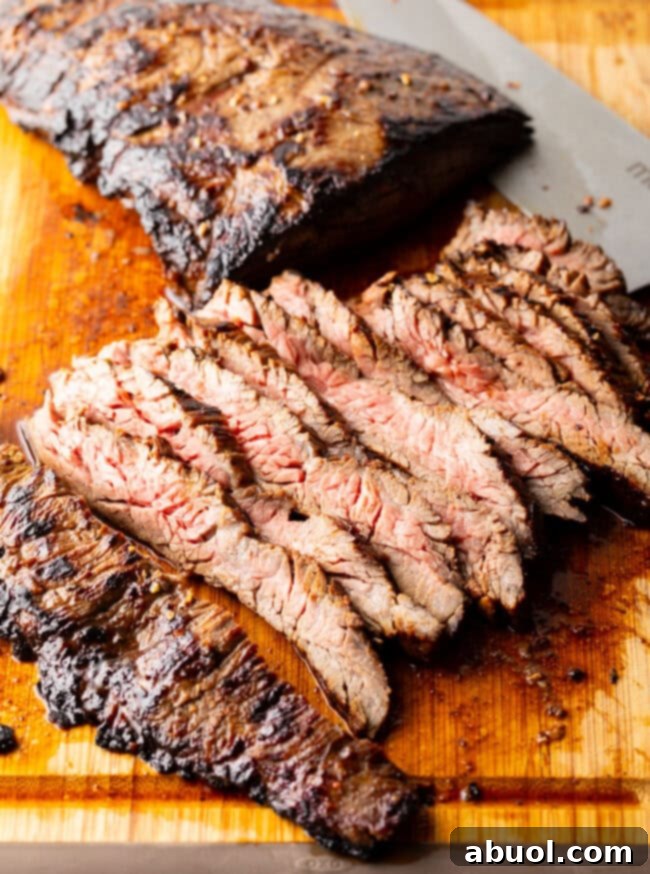
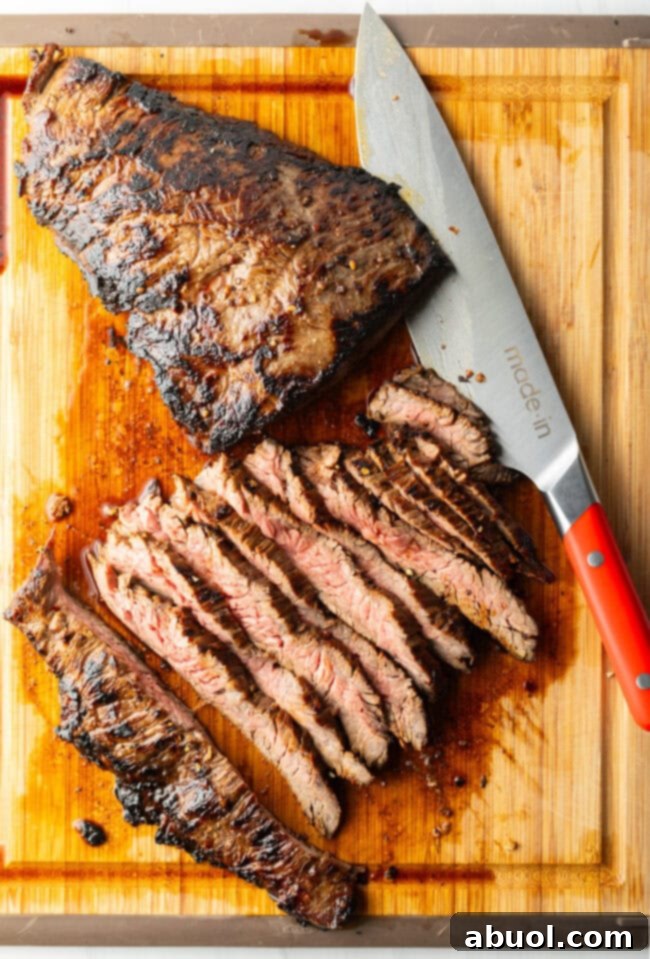
When the resting time is complete, it’s time to slice your masterpiece. Identify the direction of the muscle fibers (the grain) and then turn the steak so that each slice is cut perpendicularly against that grain. Cutting against the grain shortens the muscle fibers, making the steak incredibly tender and easy to chew. Slice into thin strips for optimal enjoyment. Serve immediately with your favorite steak accompaniments and sauces.
Elevate Your Meal: Inspired Serving Suggestions for Bavette Steak
The deliciousness of Bavette steak doesn’t end with its perfect sear; how you choose to serve it can elevate your meal to new heights. Its robust flavor and tender texture make it incredibly versatile, pairing beautifully with a wide array of sides and sauces.
Sauces & Toppings:
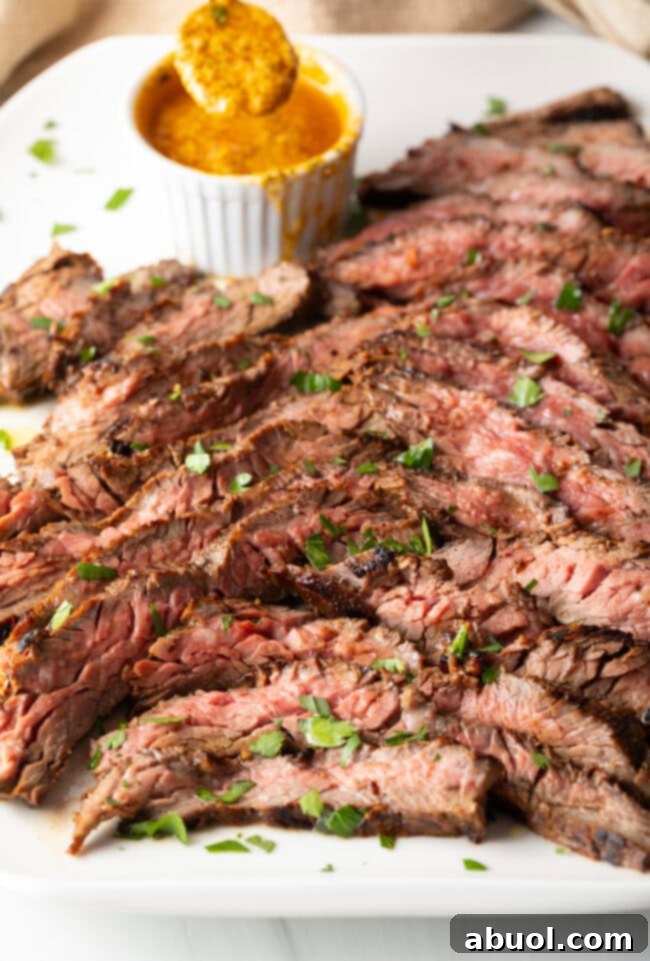
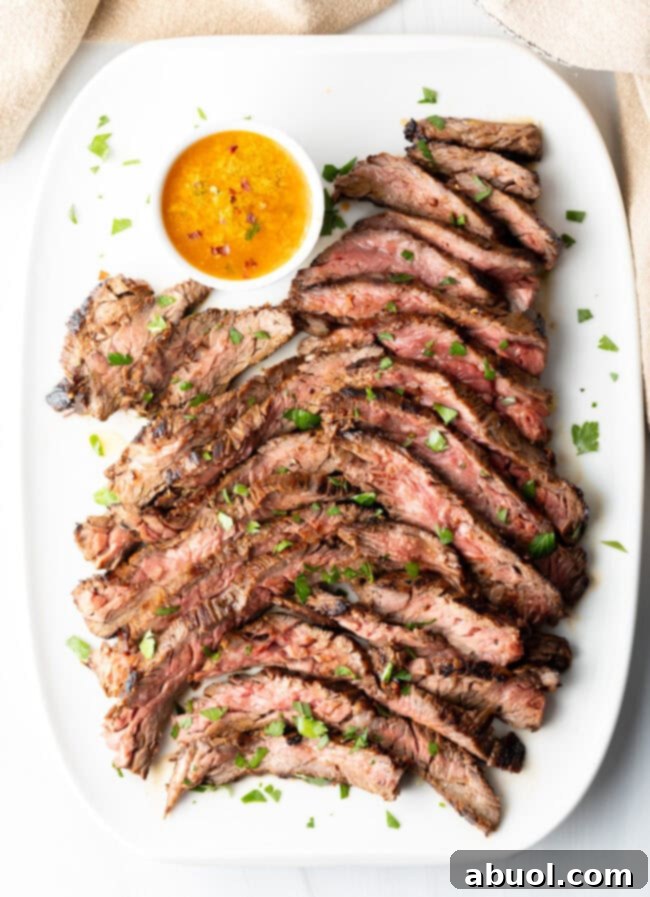
- Compound Butters: A dollop of Cowboy Butter or any other homemade compound butter (infused with herbs like rosemary or thyme, garlic, or a hint of chili) melts into the warm slices, adding an extra layer of richness and aromatic complexity.
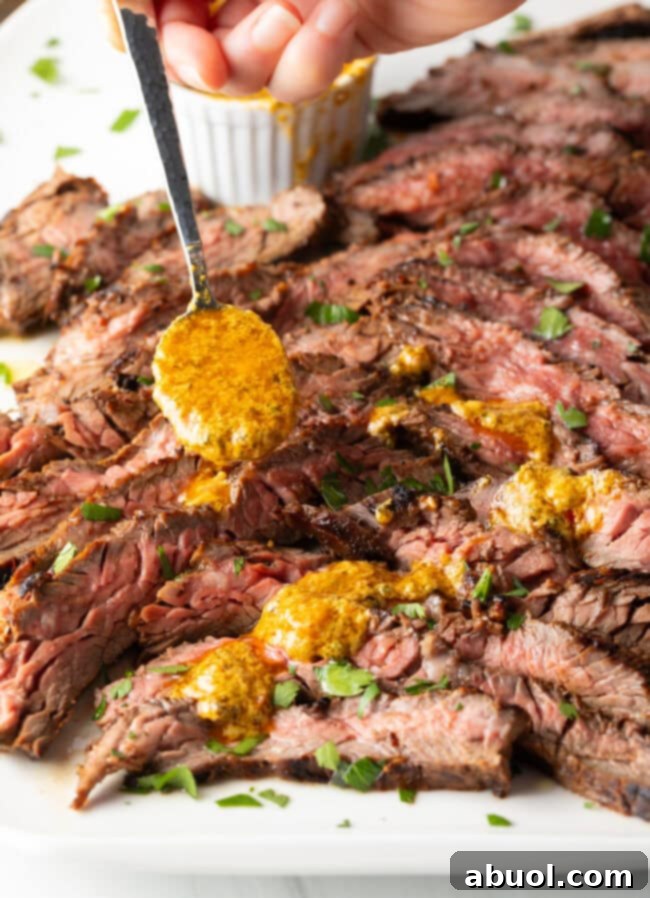
- Zesty Sauces: A vibrant Chimichurri sauce, with its fresh herbs, garlic, and vinegar, offers a bright, piquant contrast that cuts through the richness of the steak. Other sauces like a classic béarnaise, a red wine reduction, or even a spicy salsa can also be fantastic choices.
Classic Side Dishes:
For a hearty and satisfying main course, pair your Bavette steak with comforting classics:
- Potato Preparations: Serve alongside a fluffy baked potato, creamy mashed potatoes, or elegant Duchess Potatoes. The starchiness provides a perfect balance to the rich meat.
- Wholesome Vegetables: Incorporate some green goodness with simple yet delicious Air Fryer Asparagus, tender Green Beans, or caramelized Brussel Sprouts. These vegetable sides add freshness, texture, and nutritional value to your plate.
- Roasted Root Vegetables: Consider roasted carrots, parsnips, or sweet potatoes for an earthy sweetness that complements the steak beautifully.
Beyond the Plate: Creative Uses for Leftovers (or Freshly Cooked Steak!)
The versatility of marinated flap steak extends far beyond a traditional steak dinner. Don’t limit yourself! It’s incredibly delicious when incorporated into other dishes:
- Gourmet Sandwiches & Wraps: Pile thin slices onto crusty bread with your favorite toppings for delectable sandwiches or wraps.
- Hearty Salads: Add sliced steak to a vibrant steak salad for a protein-packed and satisfying meal.
- Tacos & Fajitas: Transform it into mouth-watering tacos or sizzling fajitas, served with all the classic fixings.
- Stir-fries & Rice Bowls: Quickly toss with stir-fried vegetables and your preferred sauce for a quick weeknight dinner, or lay over a bed of rice for a flavorful bowl.
- Quesadillas or Burrito Bowls: Dice and add to cheesy quesadillas or build a vibrant burrito bowl with rice, beans, salsa, and avocado.
No matter how you choose to serve it, this Bavette steak recipe guarantees a delightful and satisfying meal every time.
Frequently Asked Questions About Bavette Steak
Is Bavette steak a good cut of meat?
Absolutely! Bavette steak is an excellent cut of meat, offering an exceptional balance of flavor, texture, and value. For its price point, it’s hard to find a better piece of beef. It boasts a richer, more pronounced beefy flavor than flank steak and often has a more tender, delicate texture, especially when prepared using our recommended marinating and searing methods. Its internal marbling contributes significantly to its succulence, making it a favorite among those in the know.
Is Bavette steak a cheap cut?
While Bavette steak is undeniably more budget-friendly than premium cuts like tenderloin, ribeye, or top sirloin, it’s not typically categorized as a “cheap” cut in the same vein as ground beef or stew meat. Instead, it offers incredible value as a mid-range cut. It provides superior flavor and texture characteristics that make it feel much more luxurious than its price tag suggests, making it a smart choice for economical gourmet cooking.
Is flap meat chewy?
Not at all, when prepared correctly! One of the common misconceptions about flap meat (Bavette steak) is that it can be tough or chewy. However, this recipe specifically addresses that concern. The combination of our tenderizing citrus and brown sugar marinade, followed by a quick, high-heat sear, breaks down the muscle fibers and creates a moist, tender steak. Additionally, allowing the steak to rest and then slicing it thinly against the grain are crucial steps that ensure every bite is wonderfully tender and far from chewy.
How long can you marinate Bavette steak?
For optimal flavor infusion and tenderization, we recommend marinating your Bavette steak for at least one hour. This allows the marinade enough time to begin working its magic. For an even deeper flavor profile, you can extend the marinating time up to 24 hours. It’s important not to exceed 24 hours, however. The acidic components in the marinade can eventually over-tenderize the meat, leading to a texture that is unpleasantly mushy rather than firm and juicy.
How long do leftovers last and how should I store them?
Cooked Bavette steak leftovers are delicious and will keep well for up to 3 days when stored properly in the refrigerator. To ensure freshness and safety, allow the cooked meat to cool completely to room temperature (within two hours of cooking) before transferring it to an airtight container. This prevents condensation and inhibits bacterial growth. Store the sealed container in the coldest part of your refrigerator.
Explore More Steak Recipes: Expand Your Culinary Repertoire
If you’ve enjoyed mastering the art of cooking Bavette steak, you’ll be delighted to explore other fantastic steak recipes that promise equally delicious results. Whether you’re in the mood for a quick weeknight meal or a sophisticated dinner party showstopper, our collection has something for every occasion:
- Balsamic Oven Baked Steak (Sheet Pan Dinner): A convenient and flavorful meal perfect for busy evenings.
- Steak au Poivre Recipe with Cognac Cream Sauce: Indulge in a classic French bistro dish with a rich, peppery cream sauce.
- Steak Diane (Cheesecake Factory Copycat): Recreate a restaurant favorite at home with this quick and impressive recipe.
- Bistecca alla Fiorentina (Florentine Steak): Experience the rustic elegance of a traditional Tuscan steak.
- Bone-In Ribeye Steak: Learn the secrets to cooking a perfectly juicy and tender bone-in ribeye.
- Best Steak Seasoning Recipe: Enhance any steak with our expertly crafted blend of spices.
- 10 Ways to Dress a Steak: Discover creative toppings and finishing touches to take your steak to the next level.
Each recipe is designed to be accessible and rewarding, ensuring you can enjoy restaurant-quality steak right in your own kitchen.
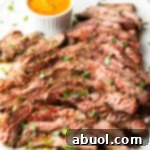
Bavette Steak Recipe (Flap Meat or Sugar Steak)
Rating: 5 stars (6 reviews)
Prep Time: 1 hour
Cook Time: 10 minutes
Total Time: 1 hour 10 minutes
Servings: 8 servings
This easy Bavette steak recipe includes a simple citrus marinade to easily turn an underrated cut of meat into the most melt-in-your-mouth tender, juicy, and flavorful pieces of steak!
Video
Ingredients
- 3 pounds Bavette steak (flap meat steak)
- 1 cup orange juice
- 3-4 cloves garlic, minced
- ½ cup light brown sugar, packed
- 1 tablespoon salt
- 1 teaspoon black pepper
- ½ – 1 teaspoon crushed red pepper (optional)
- 1 tablespoon butter
- 1 tablespoon olive oil
Instructions
- Set out a large zip bag, or a baking dish for a marinade. Combine the orange juice, minced garlic, brown sugar, salt, pepper, and crushed red pepper in the bag or dish. Mix well.
- Place the Bavette steak in the bag and zip tightly. Refrigerate for at least one hour but up to 24 hours.
- When ready to cook, remove the Bavette steak from the marinade and allow it to dry for at least 30 minutes.
- Set an extra-large cast-iron skillet (or cast iron griddle) over high heat.
- Once the pan is hot, add the butter and oil to the skillet. Once melted, sear the Bavette steak for 4 to 5 minutes per side, making sure the surface of the steak is in full contact with the pan for best caramelization.
- Allow the steak to rest for 3 to 5 minutes before cutting and serving. When ready to slice, turn the steak so that each slice is cut against the grain. Slice and serve with your favorite steak sauce.
Notes
Cooked steak will keep well for up to 3 days in the refrigerator. Let the meat cool completely before transferring to an airtight container and placing in the fridge.
Nutrition
Serving: 5oz, Calories: 330kcal, Carbohydrates: 17g, Protein: 37g, Fat: 12g, Saturated Fat: 5g, Polyunsaturated Fat: 1g, Monounsaturated Fat: 5g, Trans Fat: 0.1g, Cholesterol: 106mg, Sodium: 980mg, Potassium: 671mg, Fiber: 0.2g, Sugar: 16g, Vitamin A: 144IU, Vitamin C: 16mg, Calcium: 55mg, Iron: 3mg
Course: Main, Main Course
Cuisine: American, French
Author: Sommer Collier