
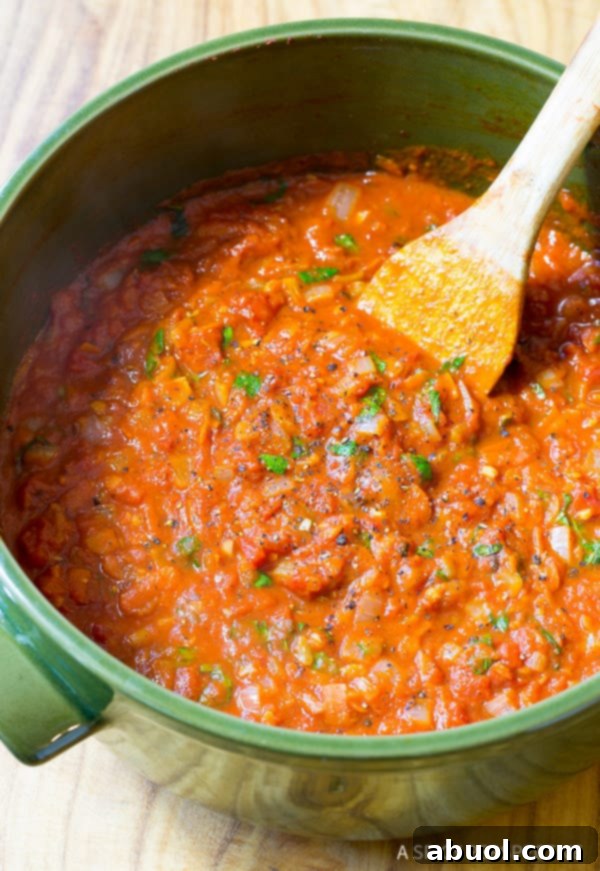
Crafting the Best Homemade Marinara Sauce: A Step-by-Step Guide to Fresh, Flavorful, and Savory Perfection. Unlock the secrets to an authentic Italian tomato sauce that’s incredibly easy to make from scratch. Perfect for enriching your favorite pasta dishes or serving as a vibrant, zesty dipping sauce, this recipe will transform your kitchen into a genuine Italian trattoria.
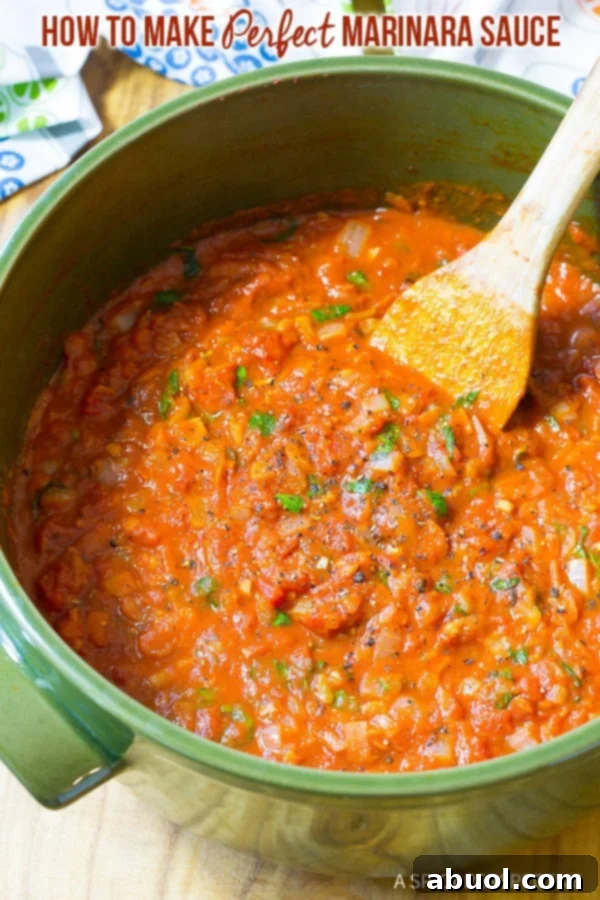
Why This Classic Marinara Sauce Recipe is a Kitchen Essential
There’s an undeniable allure to a truly exceptional Marinara Sauce. Its robust, tangy, and perfectly balanced sweetness sings with the flavors of fresh herbs and sun-ripened tomatoes. It brightens any meal, elevating a simple bowl of pasta into a gourmet experience or transforming mundane appetizers into irresistible bites. While store-bought sauces offer convenience for those hectic evenings, nothing quite compares to the rich aroma and profound taste of marinara crafted in your own kitchen.
Many of us reach for a jar when time is short, and there’s certainly no shame in that. However, this recipe promises a homemade marinara that surpasses any store-bought variety, all achieved with minimal effort and just a single pot. Forget complex techniques; with a few key tips and humble pantry staples, you’ll create a tomato sauce so delicious, it will become your go-to recipe. Dive in to discover the easy steps to master this Italian classic.
Essential Ingredients for Your Marinara Masterpiece
The beauty of marinara lies in its simplicity, allowing the quality of each ingredient to truly shine. Here’s what you’ll need to create this incredibly flavorful sauce:
- Onion: A large onion, peeled and finely chopped, forms the foundational sweetness and aromatic base.
- Garlic: Generous amounts of finely minced garlic are crucial for that characteristic savory depth and pungent warmth.
- Carrots: Peeled and finely shredded carrots introduce a natural sweetness that balances the tomatoes’ acidity, adding an subtle, earthy undertone without making the sauce taste overtly “carroty.”
- Dried Thyme: This rustic herb contributes a deep, aromatic, and earthy flavor that grounds the brighter notes of the tomatoes and basil.
- Butter: Unsalted butter is preferred, as it provides a luxurious richness and smooth texture. Using unsalted butter allows you complete control over the final seasoning of your sauce.
- Crushed Tomatoes: Opt for high-quality, fire-roasted canned tomatoes. These boast an unparalleled depth of flavor and smoky complexity that fresh supermarket tomatoes often lack, especially outside of peak season.
- Tomato Sauce: A good quality canned tomato sauce will lend additional body and a concentrated tomato essence, complementing the crushed tomatoes.
- Fresh Basil: Roughly chopped fresh basil is added at the very end to infuse the sauce with its vibrant, peppery, and sweet aromatic notes, enhancing the garden-fresh appeal.
- Salt and Pepper: Essential for seasoning to taste, bringing all the flavors into perfect harmony.
How to Craft Authentic Marinara Sauce from Scratch
Making homemade marinara is a rewarding culinary journey. Follow these simple steps for a sauce that tastes like it simmered all day:
- Begin by placing a large, heavy-bottomed sauce pot over medium-low heat. Add the unsalted butter and allow it to melt completely. Once the butter is shimmering, add the chopped onions and minced garlic to the pot. Sauté gently for a generous 12-14 minutes, stirring occasionally. The goal here is to achieve extremely soft, translucent onions that almost melt into the butter, releasing their natural sweetness without browning or developing any bitter notes.
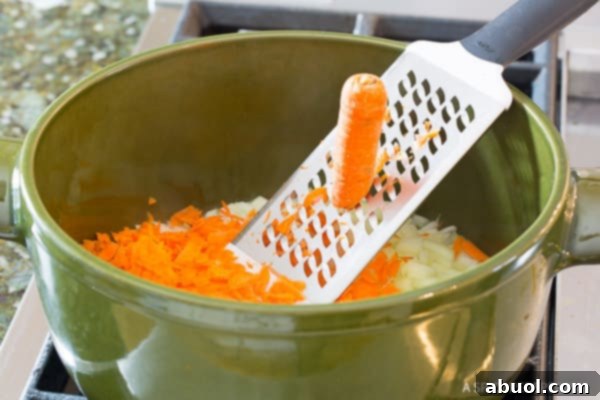
- Next, incorporate the shredded carrots and dried thyme into the pot. Continue to sauté for another 5 minutes, ensuring the carrots soften nicely and meld with the aromatics, further sweetening the base.
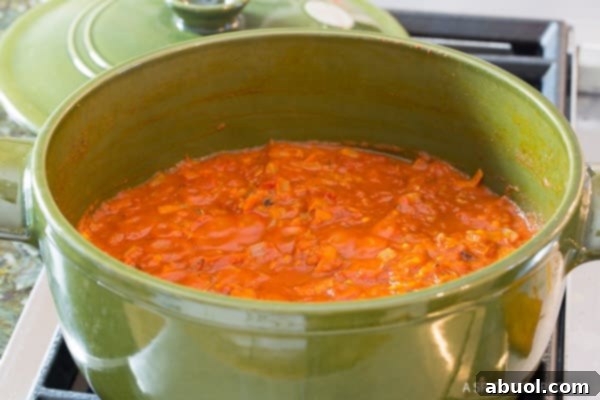
- Now, add the crushed fire-roasted tomatoes (including their juices), the quality tomato sauce, 1 1/2 teaspoons of sea salt, and 1 teaspoon of freshly ground black pepper. Increase the heat to medium and bring the mixture to a gentle simmer. Once simmering, partially cover the pot, leaving a small crack for steam to escape, and let it simmer for a minimum of 30 minutes. Stir the sauce occasionally to prevent sticking and ensure even cooking. This simmering period allows the flavors to deepen and meld beautifully.
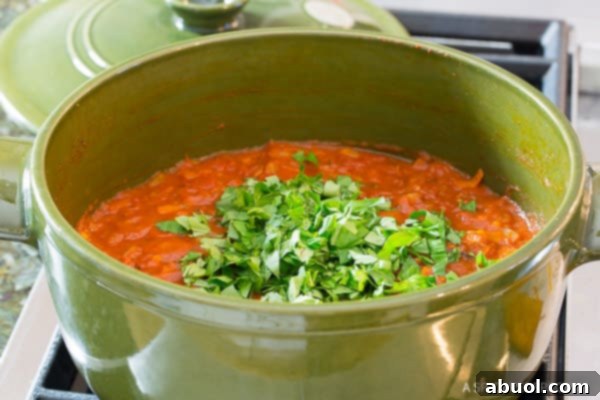
- Finally, stir in the fresh chopped basil. Allow the sauce to simmer for just another 2-3 minutes to let the basil’s fresh aroma permeate the sauce. Taste the marinara and adjust the seasoning with additional salt and pepper as needed. Your perfect homemade marinara is now ready!
Versatile Ways to Enjoy Your Homemade Marinara Sauce
This rich, herby, and vibrant tomato sauce is incredibly versatile, making it a true staple in any kitchen. While it’s most famously known as spaghetti sauce, its uses extend far beyond a simple pasta dish. Here are some delicious ideas for incorporating your freshly made marinara:
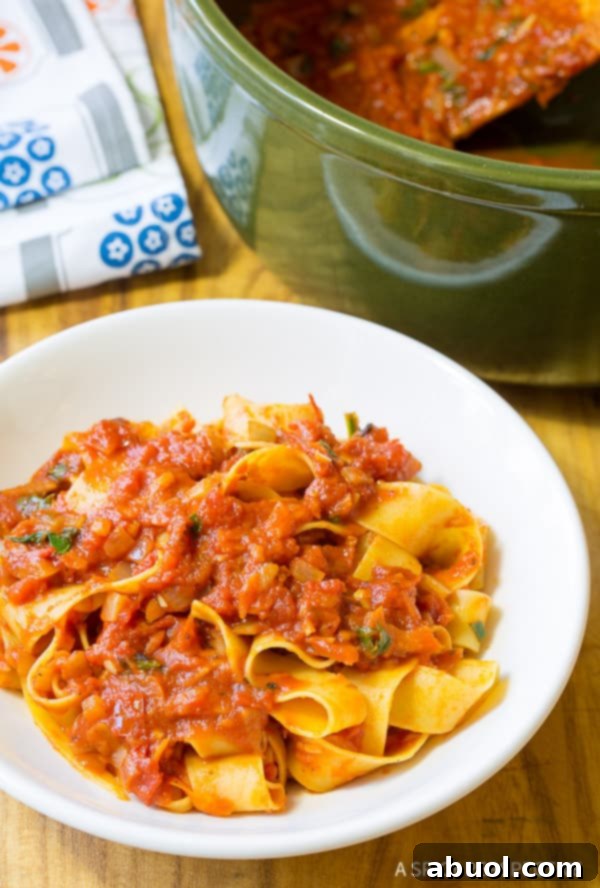
Toss this luxurious sauce with any type of pasta—spaghetti, fettuccine, penne, or pappardelle—to create simple yet profoundly satisfying meals. It’s the ideal base for a multitude of classic Italian-style recipes:
- Hearty Homemade Sausage Lasagna
- Classic Veal Parmesan
- Effortless Dump and Bake Meatball Casserole
- Savory Margherita Baked Polenta
- Convenient Crockpot Ravioli Lasagna Casserole
- Delectable Manicotti Recipe with Meat
- Alongside homemade Italian Sausage Meatballs or even Plant-Based Vegan Meatballs
- Quick No-Boil Chicken Parmesan Pasta
Beyond pasta, this marinara makes an absolutely fabulous dipping sauce for a wide array of appetizers and snacks. Serve a warm ramekin of marinara alongside:
- Crispy Air Fryer Mozzarella Sticks
- Hearty Homemade Stromboli
- Golden Air Fryer Toasted Ravioli
- Irresistible Air Fryer Breaded Mushrooms
- Fluffy 1-Hour Garlic Knots
Mastering Marinara: Essential Recipe Tips for the Best Flavor
Achieving a truly exceptional marinara sauce isn’t complicated, but it does benefit from a few key techniques and insights. These expert tips will ensure your homemade sauce is bursting with unparalleled flavor:
- Give Your Onions Some Alone Time: The Foundation of Flavor. Most quick recipes suggest sautéing onions for just 3-5 minutes. For marinara, however, patience is a virtue. Sauté your onions over low to medium-low heat for at least 12-14 minutes, stirring consistently. This extended cooking time is crucial; it allows the onions to become incredibly soft and deeply sweet, almost melting into the sauce. This process extracts maximum flavor and sweetness, preventing any harshness and contributing significantly to the sauce’s overall depth. Just be vigilant to keep the heat low enough to avoid any browning, which can lead to bitterness.
- Why Butter is Indeed Better. While olive oil is a traditional choice for sautéing in Italian cuisine, I find that unsalted butter introduces a richer, more nuanced flavor and a silky texture to the marinara. Butter gently enhances the inherent sweetness of the tomatoes and aromatics, harmonizing with them rather than overshadowing their delicate flavors. It provides a luxurious backdrop that olive oil, though classic, sometimes cannot replicate in this specific application.
- Achieving the Right Amount of Sweetness, Naturally. Historically, a pinch of sugar was often added to marinara to counteract the acidity of tomatoes. While this isn’t inherently wrong, finely shredded carrots offer a more complex and natural approach to balancing the sauce. The carrots caramelize slightly as they cook, releasing a subtle, earthy sweetness that enriches the sauce’s flavor profile. Start with carrots, and only if your tomatoes prove exceptionally acidic after simmering, consider adding a tiny touch of sugar at the very end.
- Yes, You Can (and Should!) Use Canned Tomatoes. This might surprise purists, but high-quality canned fire-roasted tomatoes often yield a superior marinara to fresh ones, especially if you’re not harvesting ripe tomatoes from your own summer garden. Canned tomatoes are picked and processed at their peak ripeness, ensuring consistent flavor and sweetness year-round. Moreover, the canning process, particularly for fire-roasted varieties, develops a concentrated, deep, and slightly smoky flavor that would take hours to achieve with fresh tomatoes. This rich, concentrated tomato base is the secret to a truly robust marinara.
- Less is More: The Power of Focused Ingredients. Resist the urge to overload your marinara with countless vegetables and herbs in a quest for depth. The magic of marinara lies in its elegant simplicity. Focus on a few well-chosen, high-quality ingredients: excellent tomatoes, a rich fat like butter, and a handful of specific aromatics and herbs. This minimalist approach allows each flavor to shine through, resulting in a sauce that tastes clean, fresh, and pure, rather than heavy or muddled. Let the natural essence of the tomatoes be the star.
- Simmer for Depth: Don’t Rush the Process. The 30-minute simmer time isn’t just a suggestion; it’s vital. This period allows all the flavors to meld, deepen, and concentrate, transforming individual ingredients into a harmonious, complex sauce. A gentle simmer helps reduce the sauce slightly, intensifying its taste and improving its texture.
- Seasoning Throughout: The Chef’s Secret. Don’t wait until the very end to season. Add salt and pepper with the initial tomatoes and taste again before adding basil. This layered seasoning ensures that the flavors are deeply integrated, rather than just sitting on top. Remember, you can always add more, but you can’t take it away.
By keeping these simple yet powerful tips in mind, you can effortlessly create a bold, zesty, and authentically delicious marinara sauce in less than an hour – a sauce that will put any store-bought option to shame and impress everyone at your table!
Frequently Asked Questions About Homemade Marinara
Here are answers to some common questions about making and storing this delightful sauce:
For the most balanced and complex flavor, I recommend using both! Incorporate a rustic dried herb like thyme early in the cooking process. This gives it ample time to release its deep, earthy flavors and meld seamlessly with the other ingredients. Then, towards the end, stir in a vibrant fresh herb such as basil. The fresh basil will retain its bright, aromatic notes, boosting the sauce’s garden-fresh appeal and adding a beautiful finish.
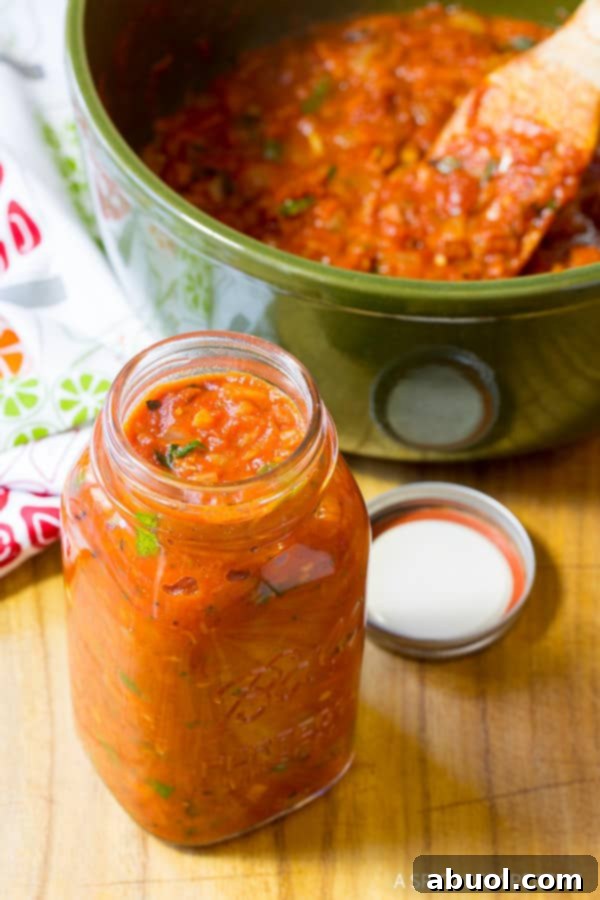
Absolutely! Freshly made marinara is delicious right after it’s cooked, but its flavors deepen and develop even further overnight. For the best taste, consider preparing your marinara a day in advance. This also makes it perfect for meal prepping. You can easily double or triple the batch to have extra portions ready to freeze or can for future meals.
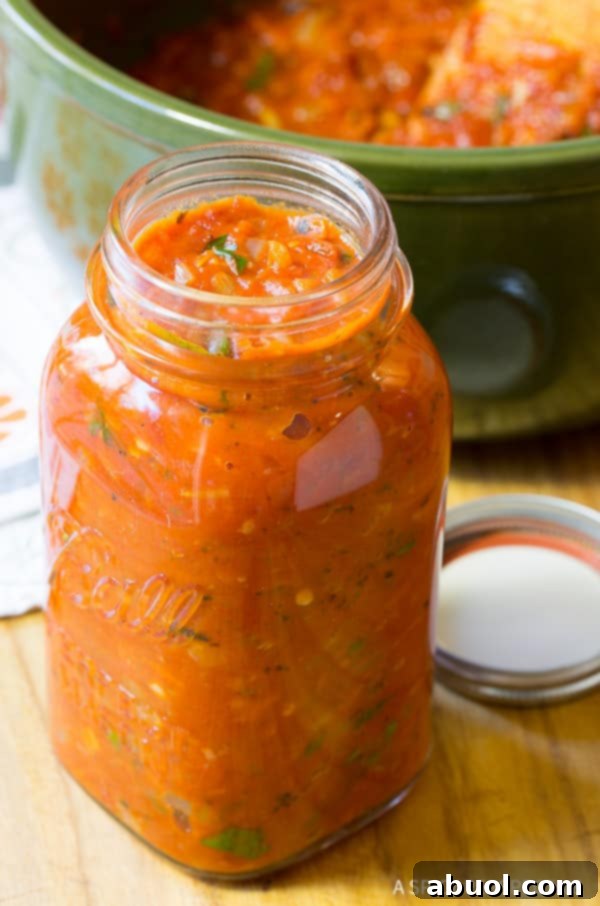
Once your homemade marinara sauce has cooled completely, transfer it to an airtight container. It can then be stored safely in the refrigerator for up to 3-4 days. Always ensure it’s fully cooled before refrigerating to maintain freshness and prevent bacterial growth.
Yes, freezing marinara is a fantastic way to preserve its fresh flavor for longer! After the sauce has cooled, transfer it into freezer-safe airtight containers or heavy-duty freezer bags. For extra protection against freezer burn, you can wrap the containers in a layer of aluminum foil. Marinara sauce can be frozen for up to 3 months. When you’re ready to use it, simply thaw the sauce overnight in the refrigerator before gently reheating on the stovetop.
Explore More Scratch-Made Staple Recipes
If you’ve enjoyed mastering this homemade marinara, you’ll love exploring other essential recipes for your kitchen. Expanding your repertoire of staple sauces can elevate everyday meals into extraordinary culinary experiences. Be sure to also try these delicious scratch-made sauces:
- Zesty Homemade Cocktail Sauce
- Luxurious Creamy Pesto Sauce
- Refreshing How to Make Tzatziki Sauce
- Rich Garlic Butter Sauce
- Comforting Cheese Sauce for Broccoli
- Smoky Poblano Sauce
Below, you’ll find the complete, printable recipe for this incredible Homemade Marinara Sauce. Give it a try and enjoy the taste of authentic Italian cooking!
The Ultimate Homemade Marinara Sauce Recipe
This simple, one-pot recipe delivers the absolute best homemade Marinara Sauce you’ll ever taste – rich, flavorful, and incredibly versatile.
Recipe Details
- Prep Time: 5 minutes
- Cook Time: 50 minutes
- Total Time: 55 minutes
- Servings: 2 quarts
- Course: Condiment, Sauce
- Cuisine: Italian
- Author: Sommer Collier
Ingredients
- 1 large onion, peeled and chopped (about 2 1/4 cups)
- 5-6 cloves garlic, minced
- 1 cup shredded carrots
- 1 1/2 teaspoons dried thyme
- 1/2 cup unsalted butter
- 56 ounces crushed “fire roasted” tomatoes
- 14 ounces tomato sauce
- 1/2 cup fresh chopped basil
- Salt and freshly ground black pepper, to taste
Instructions
- Place a large sauce pot over medium-low heat. Add the butter. Once melted, add the onions and garlic. Sauté for 12-14 minutes, stirring occasionally, until the onions are very soft and translucent, but not dark.
- Add the shredded carrots and dried thyme, then sauté for another 5 minutes to soften the carrots and allow the flavors to combine.
- Next, add the crushed tomatoes and their juices, the tomato sauce, 1 1/2 teaspoons of sea salt, and 1 teaspoon of ground black pepper. Raise the heat to medium and bring the mixture to a simmer. Then, cover the pot, leaving a crack for venting, and simmer for 30 minutes, stirring occasionally.
- Finally, stir in the fresh chopped basil and simmer for another 2-3 minutes. Taste the sauce and season accordingly with additional salt and pepper if needed.
Notes
To Store Leftovers: Allow the sauce to cool completely before transferring it to an airtight container. Store in the refrigerator for up to 3-4 days.
To Freeze: Transfer the cooled tomato sauce to an airtight freezer-safe container or heavy-duty freezer bag. For added protection against freezer burn, you can wrap the container in a layer of aluminum foil. Freeze for up to 3 months. To use, thaw overnight in the refrigerator before reheating.
Nutrition Information (Per Serving)
(Please note: This is an estimated nutritional breakdown. Actual values may vary based on specific ingredients and preparation.)
- Calories: 96 kcal
- Carbohydrates: 10g
- Protein: 2g
- Fat: 6g
- Saturated Fat: 4g
- Cholesterol: 15mg
- Sodium: 268mg
- Potassium: 414mg
- Fiber: 3g
- Sugar: 6g
- Vitamin A: 1880IU
- Vitamin C: 12.3mg
- Calcium: 48mg
- Iron: 1.7mg